
A Celebration of the Web’s Pointless Side
The modern web is a serious place. Glossy products, personalized ads, and endless analytics dominate the landscape, making it easy to forget that the medium can also be a source of pure, unadulterated fun. Amidst the drive for KPIs and conversions, there remains a thriving ecosystem of websites built for no other reason than to delight, amuse, or simply pass the time. These projects are a testament to the fact that the only real limit on the web is our imagination.
In this spirit, we’ve rounded up a selection of wonderfully pointless websites. They may not be money-makers or game-changers, but they are fun in ways only the web can deliver. So, kick back, relax, and enjoy these digital diversions.
Pretend to Hack the Mainframe
Ever feel like your coding life is less The Matrix and more endless debugging? Hacker Typer lets you indulge in a little cinematic make-believe. The site, which “arose from a simple desire to look like the stereotypical hacker in movies and pop culture,” fills your screen with convincing code as you type, making you look like a bona fide digital wizard to anyone watching over your shoulder. It’s an oldie but a goodie for a quick dose of fantasy.

A Digital Tram Ride
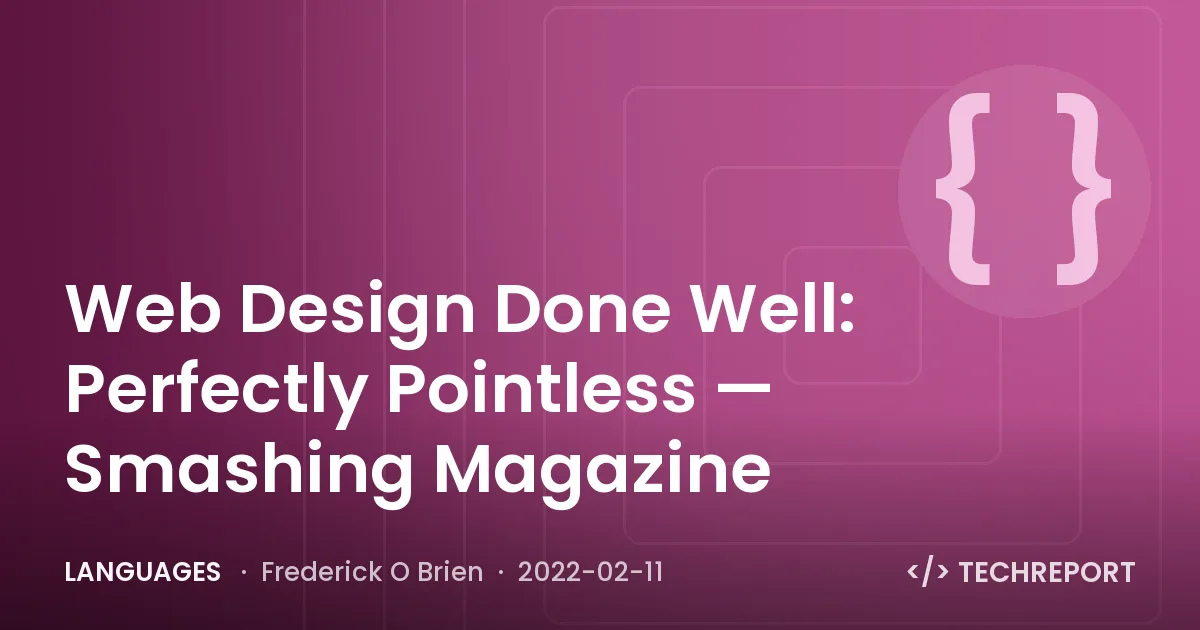
For a more peaceful experience, there’s “Short Trip,” an experimental page by Alexander Perrin. This “interactive illustration” presents a calm, hand-drawn aesthetic featuring graphite illustrations and trams. It challenges the notion that sketches require pen and paper, showing what’s possible with modern web tech. Built with Three.js and JavaScript WebGL, it works on both desktop and mobile.
In a web dominated by engagement-ridden design, there’s something profoundly relaxing about watching this quiet, digital world drift by.
An Instant Digital Garden
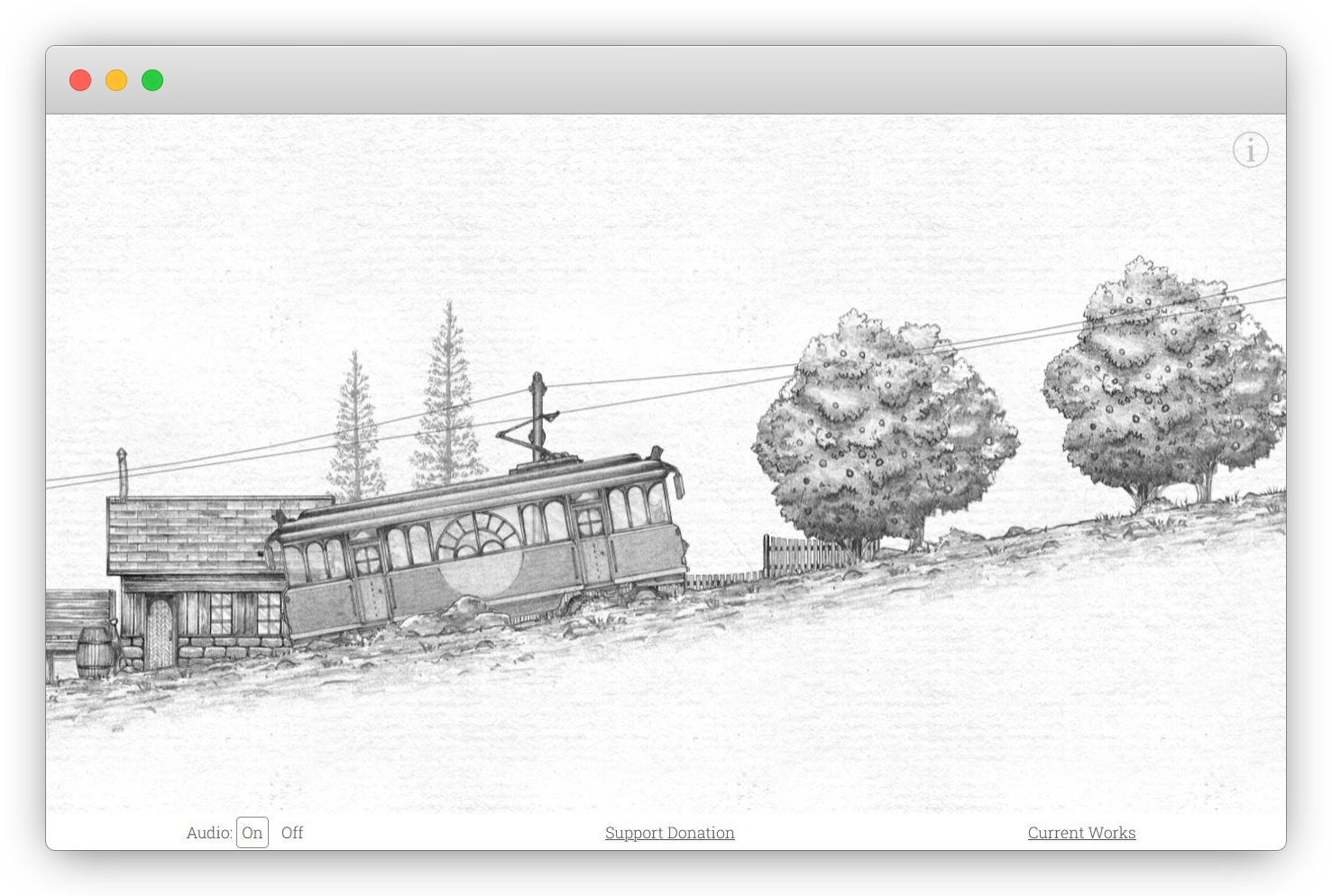
Minneapolis artist Ben Moren describes his creation quite simply: “Gardening, but with emojis and less time.” That sums up the delightful drawing.garden perfectly. By dragging your cursor across the screen, you can fill an empty field with vibrant strawberries, sunflowers, and other flora. The project, which also features sound, was created with p5.js, and its full code is available on GitHub. It’s a pleasant alternative to the more serious concept of tending your “digital garden.”
Satirical Crowdfunding
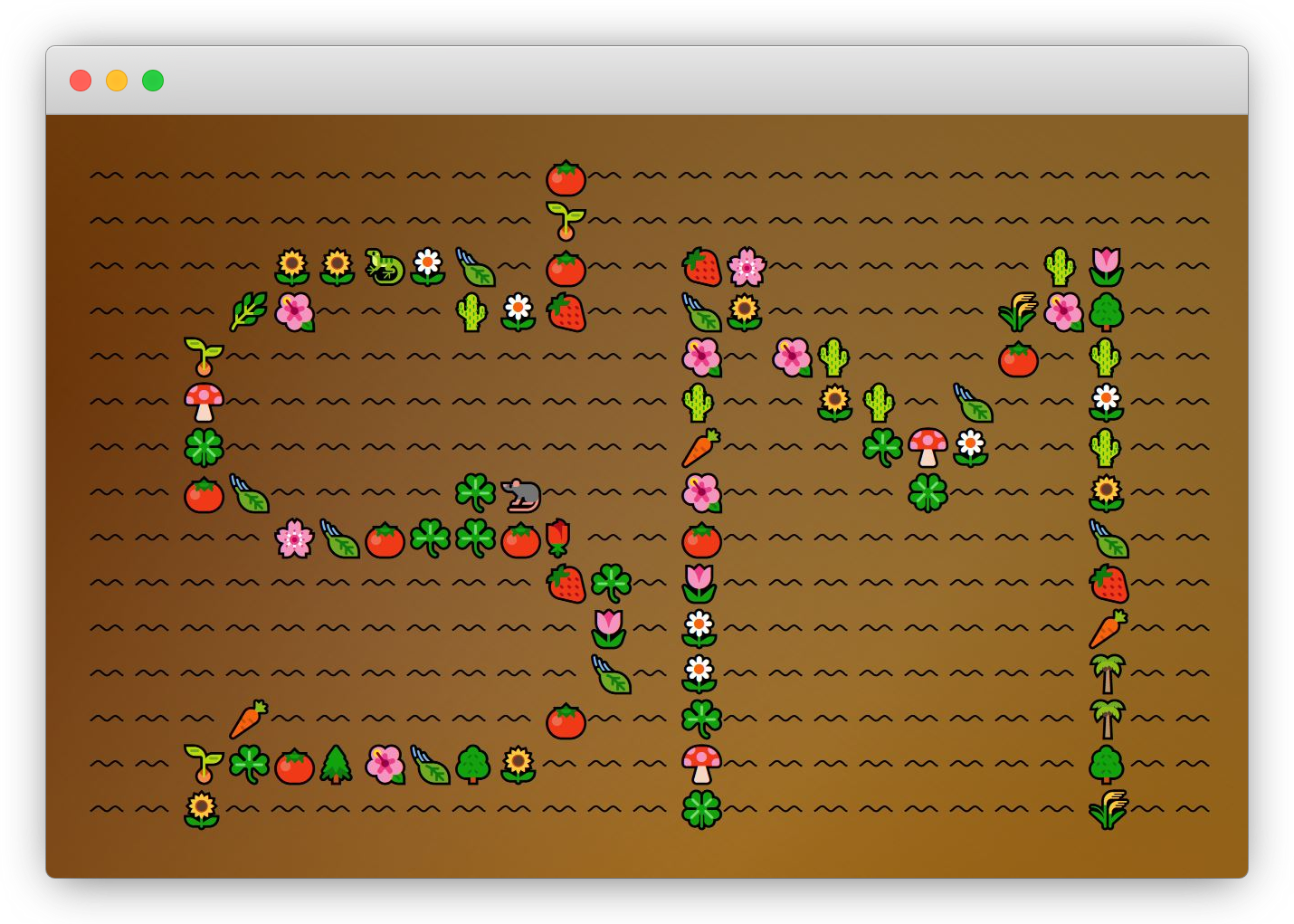
While crowdfunding sites have changed the web for the better, they’ve also inspired some brilliant parodies. Flopstarter is a masterclass in that satire, presenting a collection of wonderfully absurd ideas in need of funding. From flat bowls to potato skin jackets to tissue paper pillowcases for crying into, it’s a professional-looking site full of silly concepts that you almost, almost want to support.
Art Without an Easel
Ever wanted to create a masterpiece with minimal effort? This Jackson Pollock-inspired site lets you release your inner artist with just a few clicks. It brings an organic, creative feel to the web, allowing you to paint your own chaotic compositions. (If Pollock isn’t your style, you could try Mondrian and Me instead.) Created over a decade ago by Greek artist Miltos Manetas, the site remains a wonderful example of leaning into the web’s inherent interactivity, transforming it into a canvas.

A Simple Musical Toy
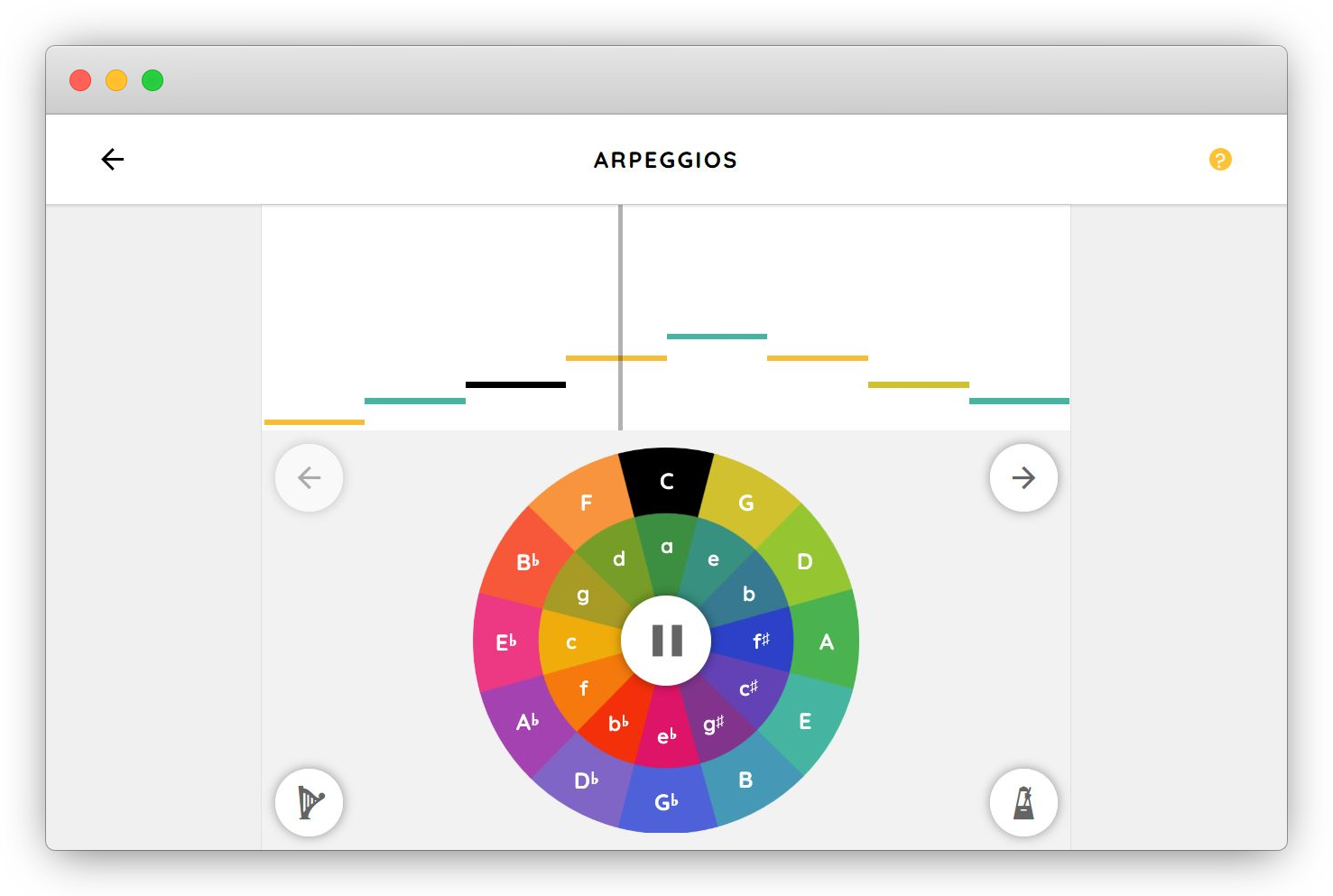
This Chrome Experiment offers a playful way to interact with music. It allows you to loop through arpeggiated scales, jumping between different keys and instruments at your whim. It’s not strictly useful for anything, but the pure, simple experience is genuinely pleasant. The no-frills interface lets the music take center stage, offering a reminder of how rich an experience sound can add to a web page when applied well.
The Classic Procrastinator’s Puzzle
First created by Hiroyuki Imabayashi in the 1980s, Sokoban is a timeless puzzle game. The premise is simple: push crates around a warehouse until each one is in a designated storage spot. It might sound dry, but it’s a stone-cold classic that’s both addictive and perfect for passing the time. A well-made, free-to-play version lives at sokoban.info, offering a staggering 7,500+ levels for any serial procrastinators out there. For those who like a challenge beyond mere completion, the game even tracks your moves, encouraging you to solve each puzzle as efficiently as possible.

The One-Button Fix
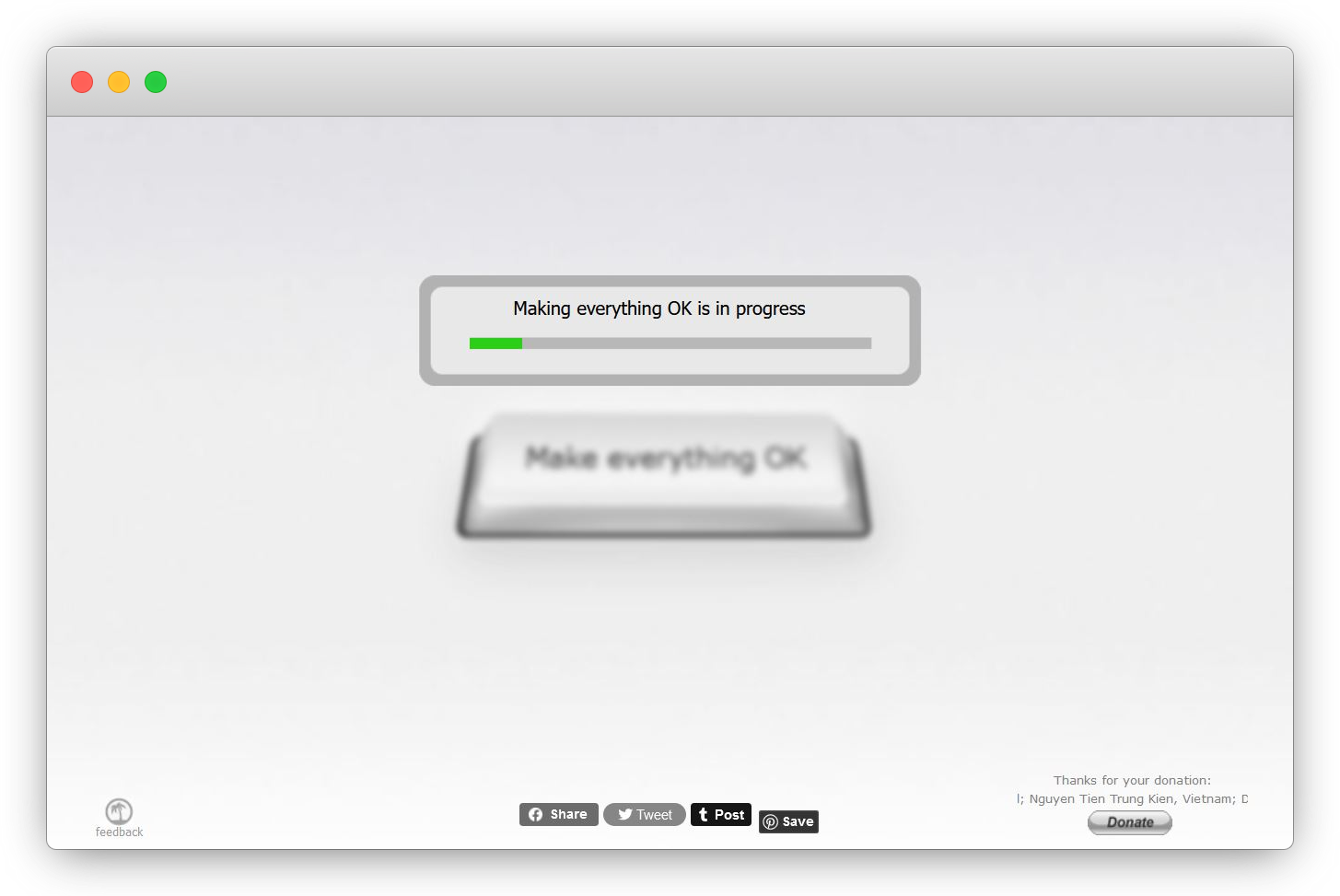
Keeping things incredibly simple, Make Everything OK offers a button we’d all like to have in our daily lives. Boasting a skeuomorphic design, the site presents a single button with a single purpose. You press it, and it makes everything ok. While the inner workings remain a mystery, the beauty lies in the idea’s pure, simple execution. (Disclaimer: This may not actually make everything ok.)
A Blast From the Web’s Past
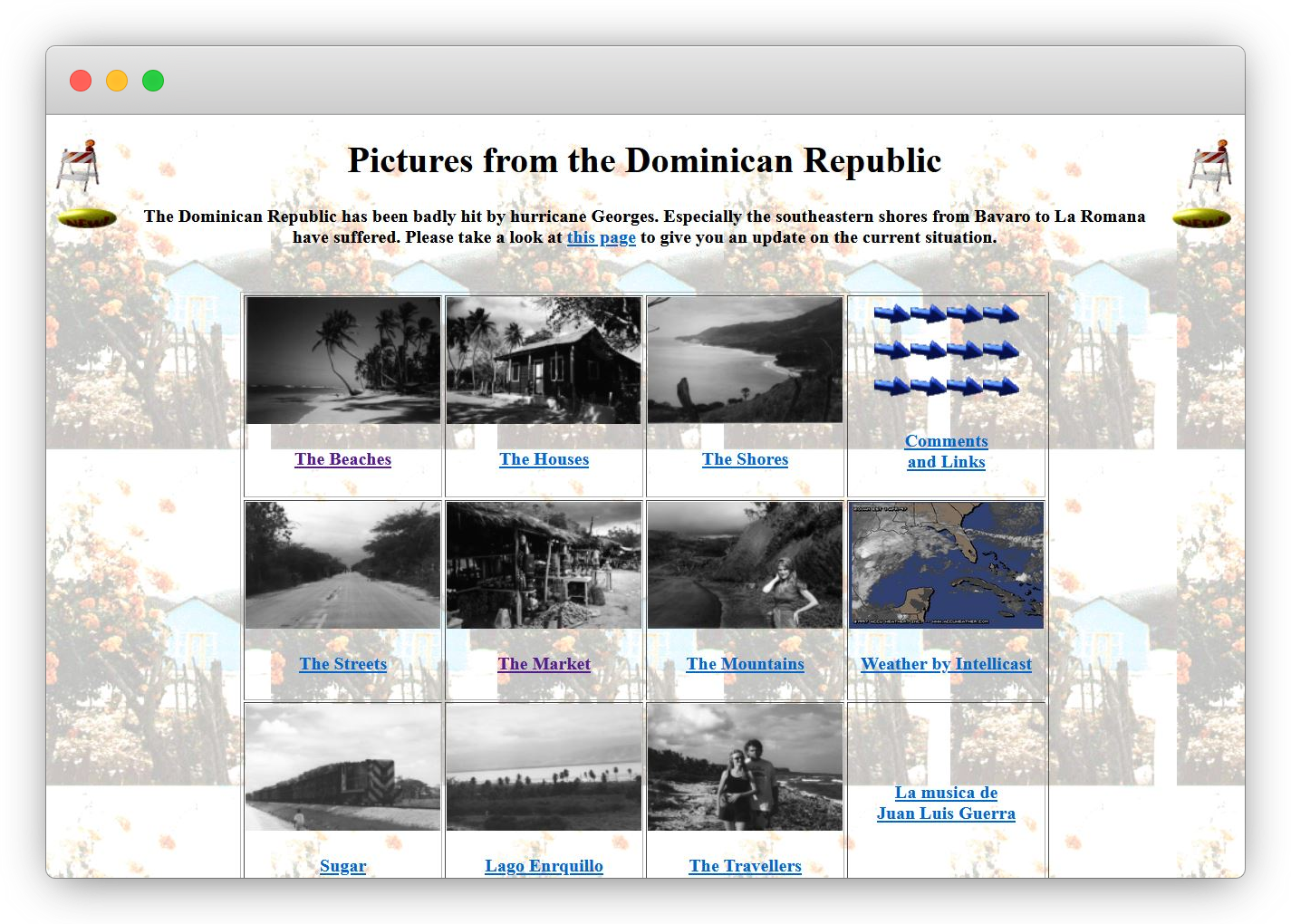
For a look at the original home of amateur web creativity, one need look no further than the Geocities Gallery. Founded in 1994, GeoCities allowed users to build and host free websites, grouped into thematic “cities.” Before its demise in 2009, it had birthed around 38 million user-authored pages. Today, the archive project by restorativland preserves many of those pages, offering a surreal and moving glimpse into the web’s past.
Browsing the archives, you see sites that are quirky and messy, yet expressive and human. As Edward Snowden wrote in his memoir, Permanent Record, “all these quirks and tics of amateur production merely indicated that the guiding intelligence behind the site was human and unique.” These page’s spiritual successors can be found in the IndieWeb community or the similar platform Neocities.
Finding and Making the Pointless
The sites mentioned here represent a mere fraction of the experimental and absurd projects the web has to offer. Sites like Pointless Sites and The Useless Web are excellent starting points for discovering more, while communities like Neocities are buzzing with like-minded tinkerers. If you’re feeling inspired, there’s no better way to participate than to build your own strange project. Whether it’s learning a new framework, or finally building that silly app idea you wrote down, the value in making it can be found in the act itself.
“Playfulness In Code: Supercharge Your Learning By Having Fun” by Jhey Tompkins, and “Unexpected Learnings From Coding Artwork Every Day For Five Years” by Saskia Freeke, are great starting points for reading more about this playful approach to development. There is no such thing as an idea being too silly or lacking value; if you enjoy making it, that is valuable enough. So, go forth and be a little pointless.