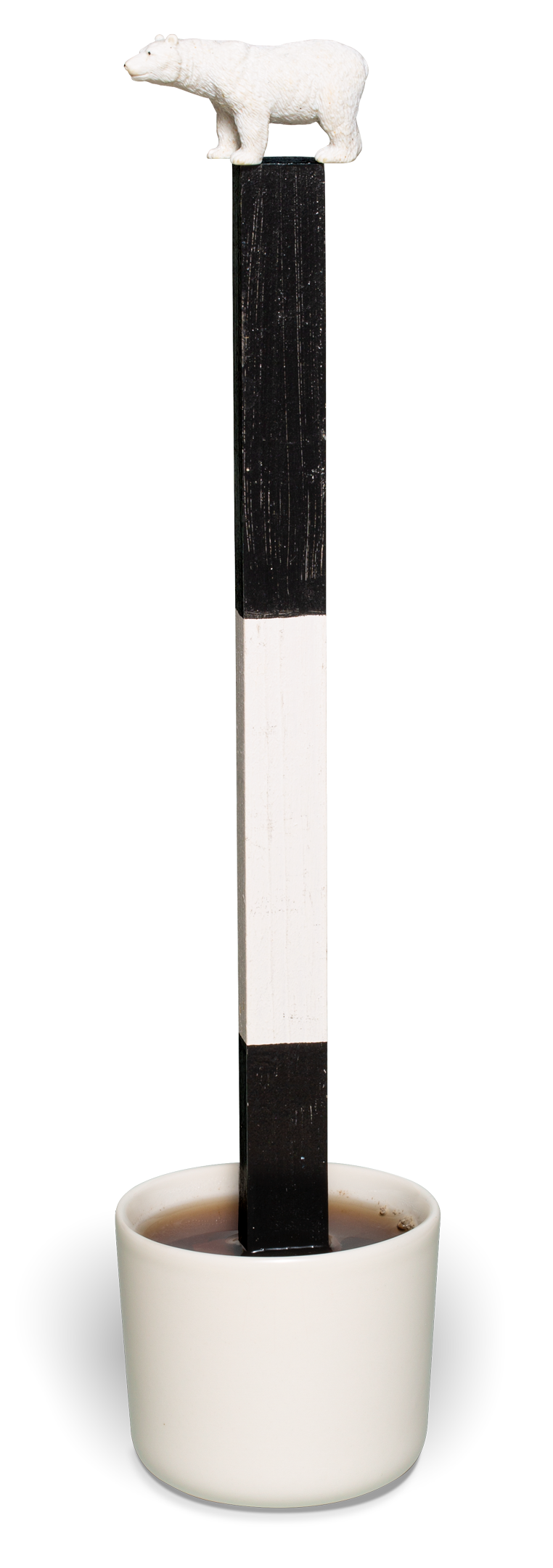
Where design actually begins
Every year Figma produces a print magazine for its Config conference. The theme, contributors and design change annually, but the brief stays the same: produce a printed artifact that reflects the current state of design. This year, the challenge of keeping content relevant felt sharper than usual. By the time the writing goes to press, the software being described is already two releases behind.
That pressure is, in some ways, freeing. What doesn’t go stale between writing and production are the durable instincts of the discipline: understanding what a thing is before explaining what it does, and having the curiosity to explore new tools and materials before knowing exactly how they fit together. Those are the ideas the magazine hangs on.
This year’s edition is titled Start Anywhere. New tools and materials have made it easier to begin building from any entry point, so the question becomes where you want to go. The magazine speaks to three audiences: the novice with a big idea and no clear starting point, the longtime practitioner who gets interested when a new capability arrives, and the person whose goal is simply to ship a good design and move on.
New materials on the canvas
Figma introduced substantial additions to its design canvas this year. Motion, for example, adds a timeline to the design environment, opening a discipline that had felt out of reach to many. The magazine includes conversations with motion designers from Figma’s Brand Studio about designing with time: the mechanics that turn movement into meaning, and why foundational principles matter more as tools become more accessible.
Code is another material that has shifted position. It has always factored into design, but it lived in a separate space. With code layers in Figma Design, code now appears in the same multiplayer canvas where the rest of the design work happens, alongside components, variables and collaborators. That lets designers pursue multiple directions in code side by side with their teams.
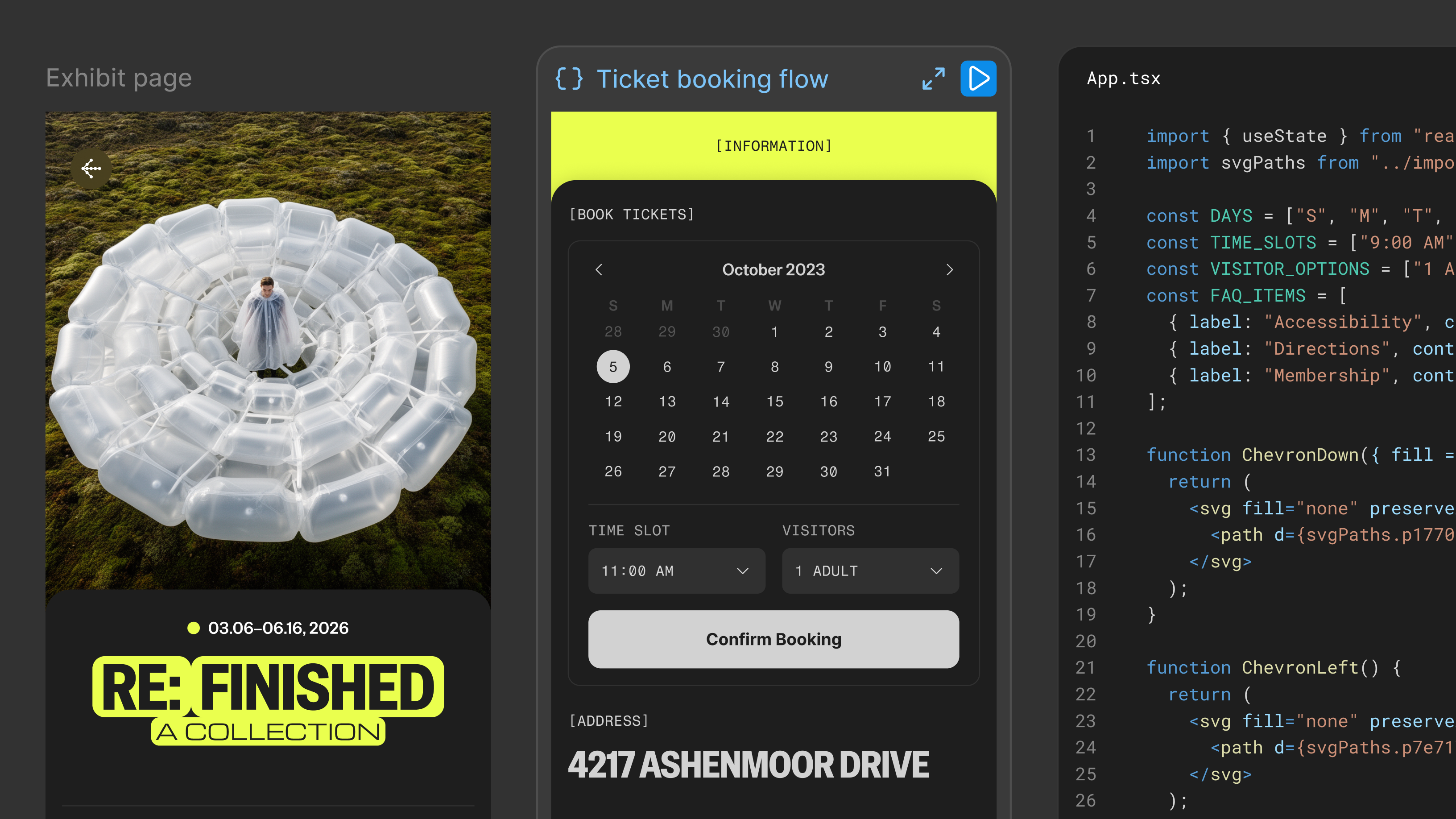
The common thread across these additions is more expressive power—more ways to play out an idea.
Three covers, three prompts
The edition has three covers, each carrying a different prompt and offering a different way into the same set of questions. The magazine came out at Config 2026 and was designed by the graphic design studio No Ideas, with imagery by Matija Medved, Pedro Sanches, Uta Eisenreich and Espen Friberg. A physical copy is available from the Figma Store.
Whichever cover you pick up, the message is the same: start there, then keep going.