

Embedded Systems Need UX Thinking Too
Embedded systems are everywhere, silently performing dedicated tasks inside larger products. From the difference engine of the 1830s to the Apollo Guidance Computer of the 1960s and today's autonomous driving systems, these purpose-built devices have always been defined by their software — the layer where most design complexity actually lives.
But unlike a typical app or website, embedded software is rarely the star of the show. The person using the final product often has no idea they are interacting with it. That creates a special challenge: how do you apply human-centered design to something invisible? Across years of work in this field, three lessons stand out as the most useful for anyone designing embedded experiences.
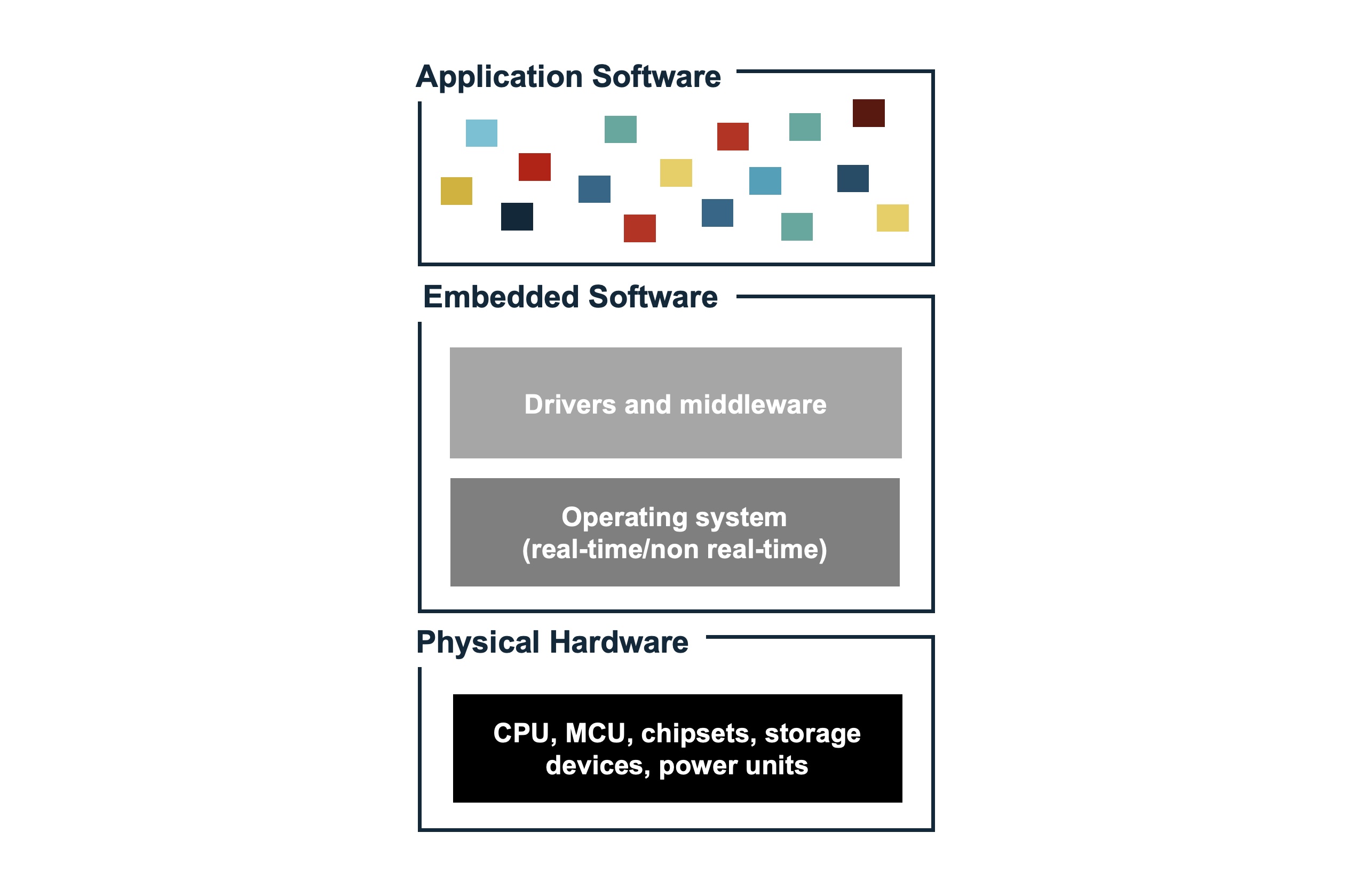
Embrace Complexity: Everyone Is a Stakeholder
Imagine you are building software for a car's advanced driver-assistance (ADAS) system. You are not just designing for the driver. There are at least three distinct parties involved:
- The driver, who is the end-user of the finished product.
- The integrator, who embeds your software into the car.
- The customer, who decides what components go into the final vehicle.
Each of these groups wants something different. The driver cares about how the car feels and whether everything works seamlessly. The integrator wants a complete feature set that is easy to build into the larger system. The customer is focused on cost efficiency. The challenge is satisfying all of them while also working within severe hardware constraints — limited processing power, memory, or battery life — without degrading the experience.
"Different stakeholders will have different sets of challenges and goals interacting with your product."
The best way to handle this complexity is to invest time in understanding the problem space before writing code. User research methods — surveys, interviews, market analysis — apply to embedded systems just as they apply to consumer apps. The goal is to understand each stakeholder's "jobs to be done" so you do not build features that are useless in the real world or miss ones that will be needed soon. This matters even more in embedded contexts, where a device may sit inside a wall or a machine with no connectivity, making software updates difficult or impossible.
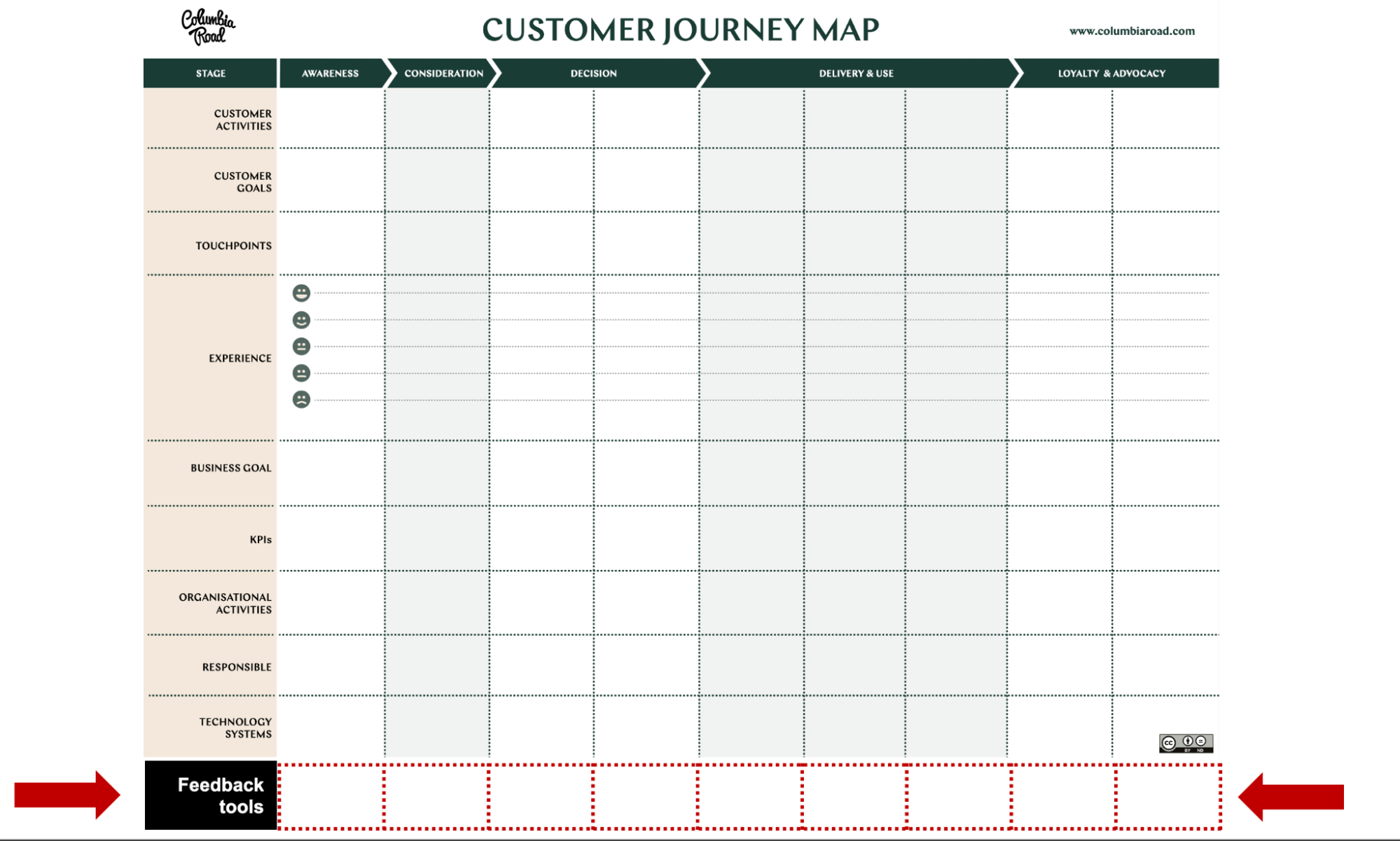
The Columbia Road customer journey map template below is a solid starting point because it lets you connect each journey stage to specific feedback mechanisms. Simply adding a Feedback tools row turns a standard planning document into a research strategy.
Learning Fast Means Working With Others
Embedded software by definition runs on someone else's hardware, and that hardware often lives inside another company's product. A product as seemingly simple as a fridge can contain dozens of interconnected embedded systems. This web of dependencies makes solo development a non-starter: even the most innovative idea needs a partner to reach reality.
Three collaborative practices consistently deliver value when applied to embedded projects:
Align on a Shared Roadmap
Interactive roadmap alignment sessions with customers and partners — not one-way presentations — are ideal for testing your understanding of the market. They let you present what you see customers doing, ask partners if they observe the same issues, and align on future direction. A theme-based roadmap with broad time frames (now, next, later) works well here because it prioritizes initiatives flexibly while focusing on outcomes that matter across organizations.
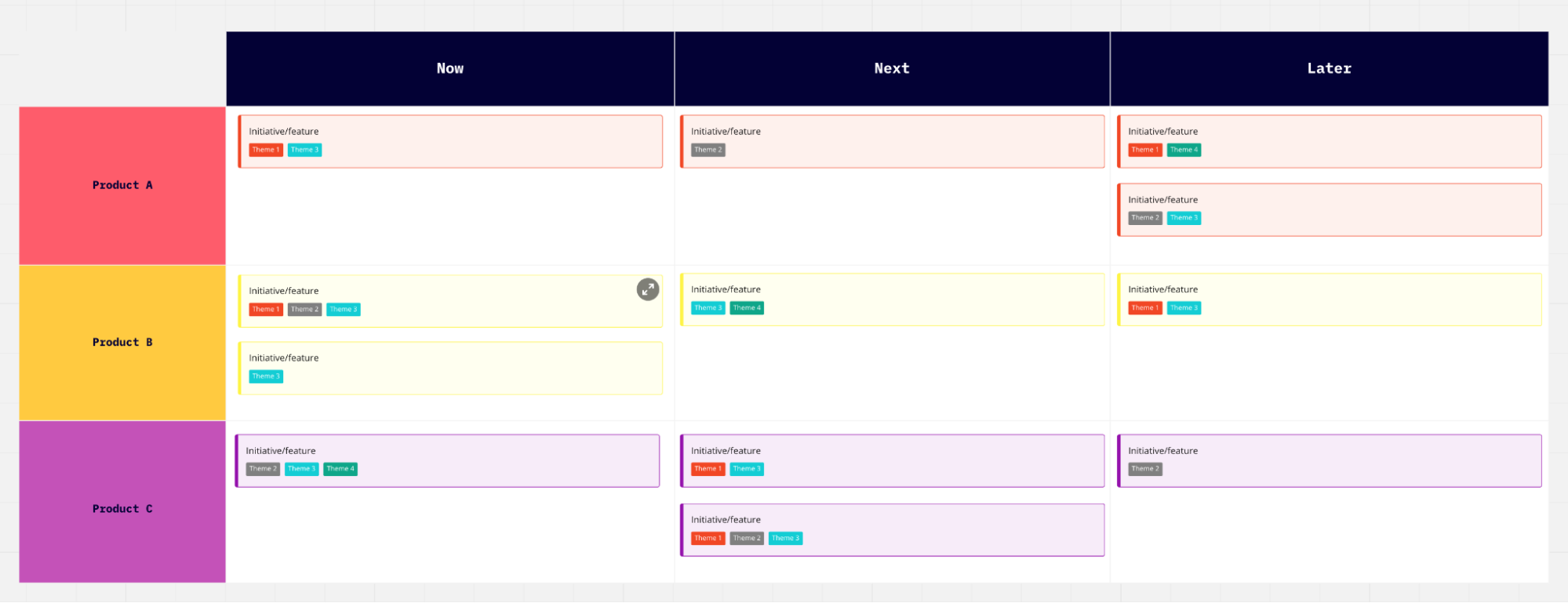
The cadence for these sessions varies by business and release planning, but the core value is constant: validation that both you and your partner see the same landscape and want to push in the same direction.
Build Demos Together
Joint demos and prototyping sessions have grown as a practice because they work. Inter-organizational co-development measurably supports innovation. In the embedded world, hardware vendors often lack in-house software skills, and software companies can improve their code when they have deeper access to the underlying silicon. Working jointly — whether at fairs or in dedicated partnership efforts — speeds up proof of concept creation and spreads the risk of getting it wrong.
This is especially valuable given the realities of embedded hiring. Specialists are expensive, and the cost of a slow development cycle on a product with a five-to-ten-year lifespan is enormous. Spotting a design mistake early, before mass integration, saves time and money no estimate can capture.
Talk Publicly, Share Ideas
The embedded industry is hyper-competitive, yet oddly reluctant to share perspectives in open forums. That is a missed opportunity. Contributing to panels, blogs, whitepapers, and community discussions is a cheap, powerful way to test hypotheses and observe whether your point of view gains traction. Companies that openly discuss their ideas meanwhile tend to earn trust — a central UX goal that extends far beyond the screen.
After all, as the saying goes: many people watch Bruce Lee movies, but that does not mean they can do karate. Readiness to engage publicly separates companies that understand their field from those that are merely watching it.
Making Invisible Work Visible
When embedded software runs quietly in the background, there is no graphical interface or visual flourish to showcase its contribution. The challenge, then, is to communicate its value through the problems it solves and the real-world impact it delivers to the end user.
Even though this software is invisible, it directly shapes the user experience through device performance, battery life, power consumption, and overall behavior. Consider the difference it makes in everyday scenarios:
- Smart TV and power outages. If the power fails mid-recording, you expect the TV to turn on, boot cleanly, keep its settings, and even preserve the program it was recording. That reliability depends on software designed to handle power loss without corrupting the file system or losing data.
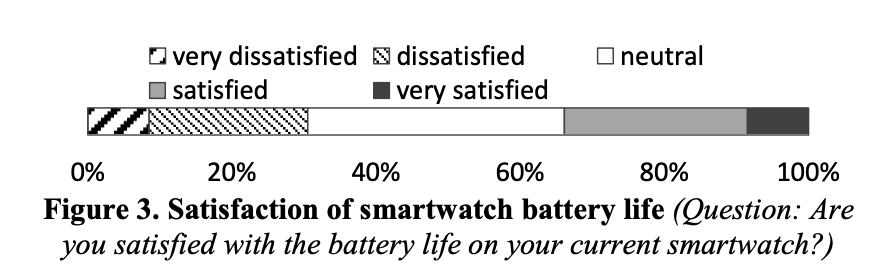
- Smartwatch battery life. The well-known battery challenges of smartwatches directly impact how often you charge the device. Software-level optimization of memory and CPU usage can meaningfully extend time between charges.
- Car navigation and connectivity. Real-time maps and traffic updates require low latency, but connectivity is often unreliable on the road. Embedded software smooths this experience by handling offline periods gracefully, caching data, and ensuring nothing is lost when connectivity returns.
Approaching these systems holistically and being able to explain your contribution in practical terms is a powerful way to make the value of your software understood. Start with a story that resonates with your audience, and then dive into the details for those who want to know how and why their devices work the way they do.
Closing Thoughts
Embedded systems are everywhere, powering smartphones, traffic lights, manufacturing equipment, satellites, vehicles, and medical devices. We interact with them constantly, often without noticing the quiet work they do to make our lives easier.
The role of embedded systems in the final user experience is universal, regardless of how simple or advanced the product is or where it sits in a larger system. Success requires understanding the many dependencies between components, balancing the needs of all stakeholders, and validating concepts early. That foundational work is what enables you to design embedded products that stand out through superior user experience and, discreetly in the background, improve people's lives.