

Why software has a carbon problem
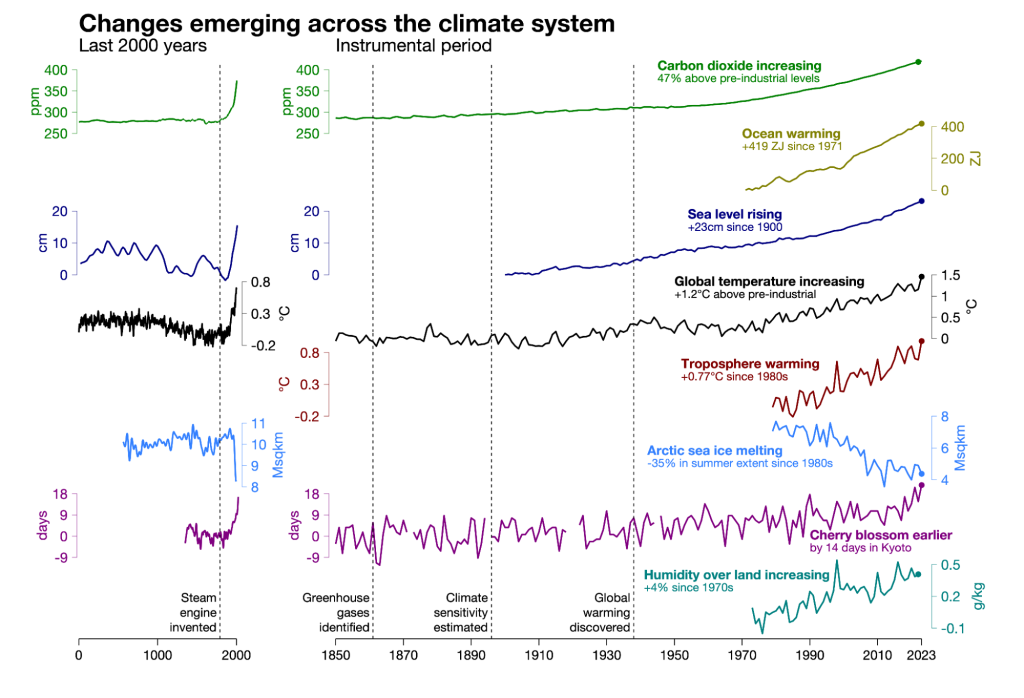
July 22, 2024, was the hottest day ever recorded, according to NASA data. The longer trend is visible in open-access climate visuals: atmospheric carbon dioxide and other greenhouse gases have climbed steadily since the industrial revolution, with consequences showing up in severe weather and record-breaking temperatures. For those building software, the question is how to keep innovating while shrinking the environmental footprint of the code we ship. One practical starting point is tooling — specifically, the open source projects developers have created to measure and reduce the carbon emitted by their applications.
That's the premise behind GitHub's Green Software Directory, a community-maintained list of projects whose primary purpose is greener software. The directory draws from repositories that self-identify as green software tools. Below are the most popular entries — projects with more than 250 stars — worth a look whether you're new to sustainable coding or already deep into it.
What "green software" actually means
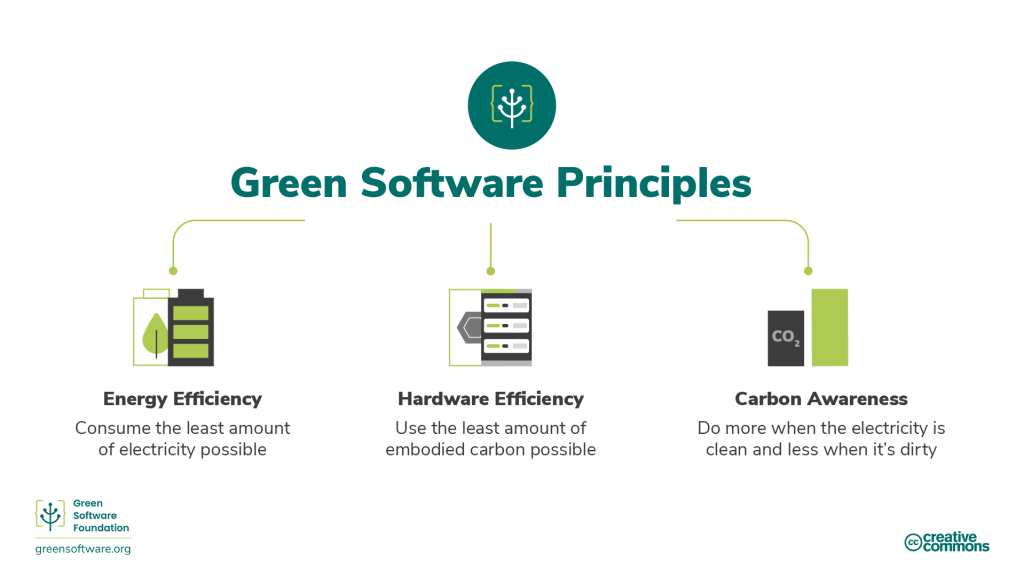
Green software is software that emits the least carbon possible. The Green Software Foundation breaks the problem into three levers:
- Energy efficiency: consuming the least electricity possible
- Hardware efficiency: using the least embodied carbon possible
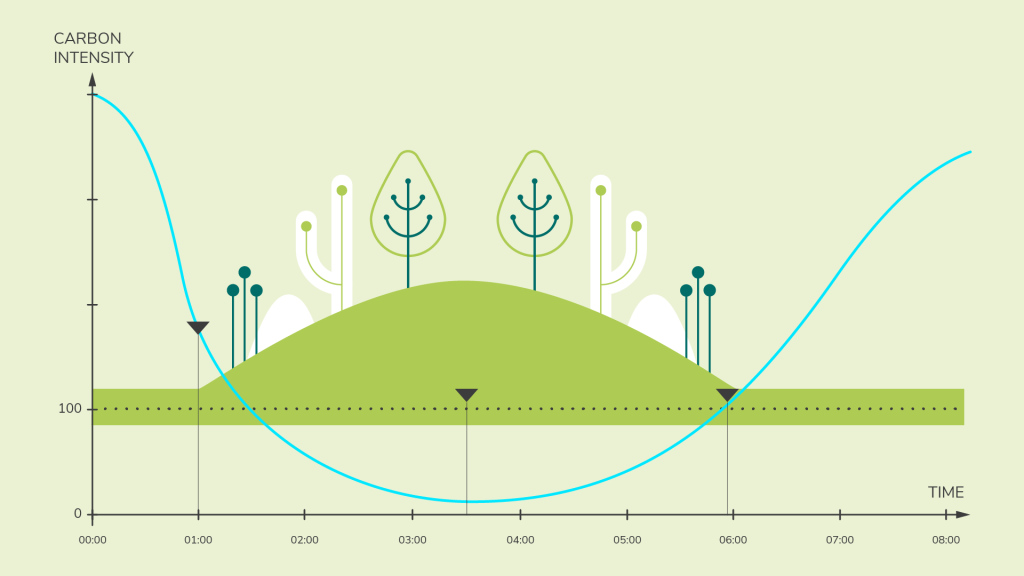
- Carbon awareness: doing more work when electricity is clean and less when it's dirty
Measurement and metrology tools
Scaphandre
Stars: 1,500+
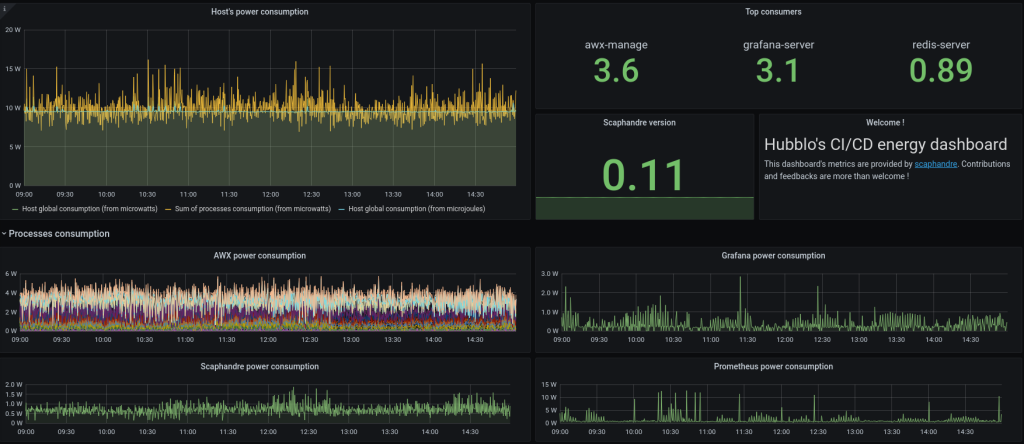
Scaphandre is a metrology agent for electric power and energy consumption metrics. It measures the power draw of tech services and feeds that data into any monitoring or analysis toolchain.
Kepler
Stars: 1,100+
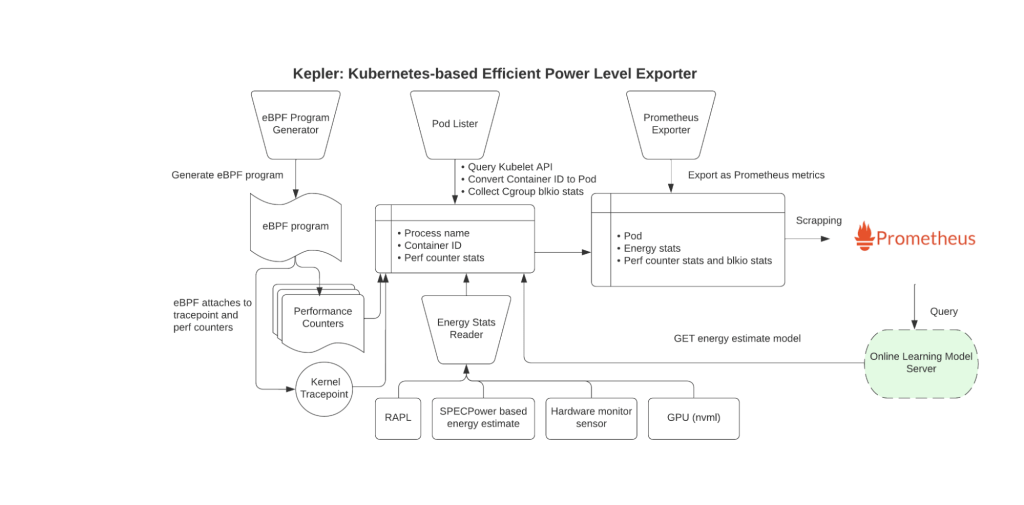
Kepler (Kubernetes-based Efficient Power Level Exporter) uses eBPF to probe performance counters and system stats, applies ML models to estimate workload energy consumption, and exports the results as Prometheus metrics. It's aimed at understanding energy use of Kubernetes components like Pods and Nodes.
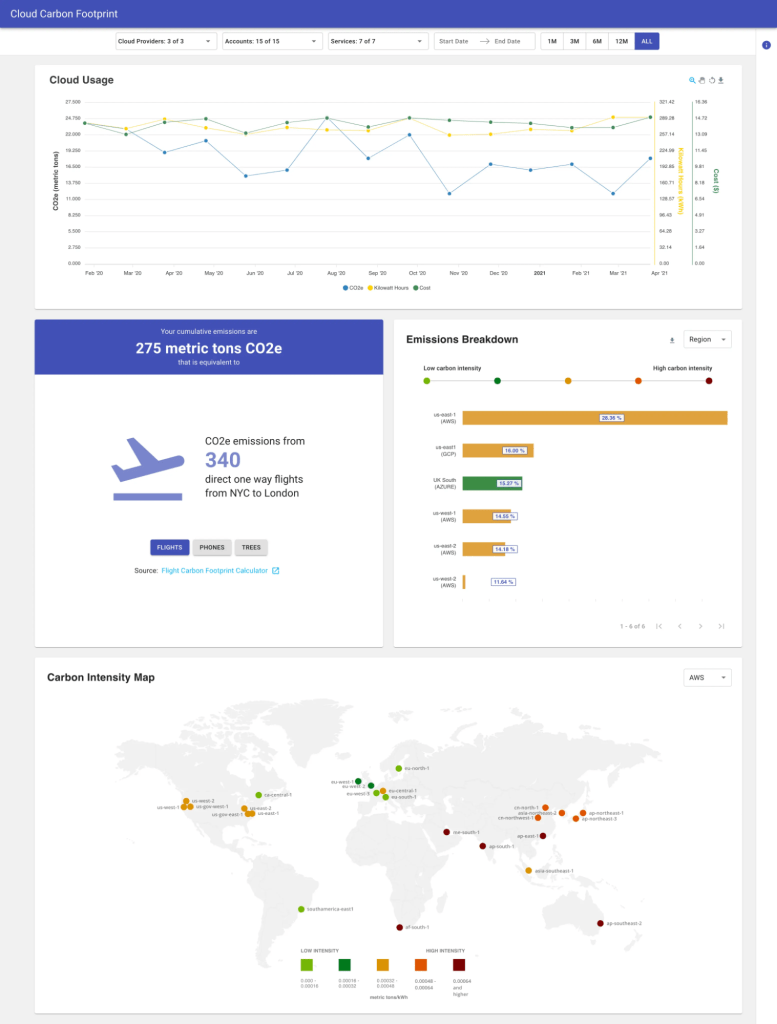
Cloud Carbon Footprint
Stars: 882+
A tool for estimating energy use in kilowatt-hours and carbon emissions in metric tons of CO2e from public cloud usage.
Carbon Aware SDK
Stars: 456+
A toolset for measuring software carbon emissions, then using that information to decide when and where to run workloads for lower impact. The Green Software Foundation also maintains the Impact Framework, a separate project for modeling, measuring, simulating, and monitoring the environmental impacts of software.
CO2.js
Stars: 388+
An open source JavaScript library that estimates carbon emissions from transferring bytes over the internet. It also provides different forms of grid intensity data — including annual average and marginal figures by country — and can query the Green Web Foundation's Green Domains dataset. Related projects include grid-intensity-go for factoring carbon intensity into job scheduling decisions, the Green Cost Explorer for AWS climate-related spend analysis, and carbon.txt, which lets digital service providers prove their infrastructure runs on green electricity.
Language-specific and workload-specific estimators
Code Carbon
Stars: 1,100+
A Python package that estimates power consumption of GPU, CPU, and RAM, then applies the regional carbon intensity of wherever the compute happens. The same organization (mlco2) maintains Impact, a tool for calculating machine learning emissions specifically.

carbontracker
Stars: 356+
Built for the deep learning workload, carbontracker tracks and predicts the energy consumption and carbon footprint of training models.
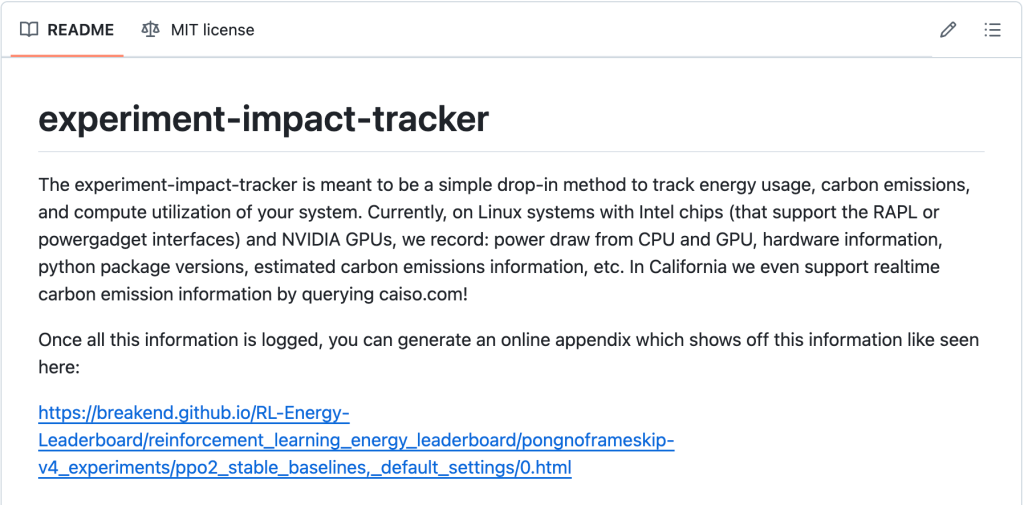
experiment-impact-tracker
Stars: 266+
A drop-in method for tracking energy usage, carbon emissions, and compute utilization of your system without significant code changes.
Kernel Tuner
Stars: 269+
Rather than measuring emissions, Kernel Tuner optimizes GPU applications written in mainstream languages like CUDA, HIP, OpenCL, and OpenACC — more efficient kernels mean less energy spent per result.
Reducing what you run
Kube Green
Stars: 972+
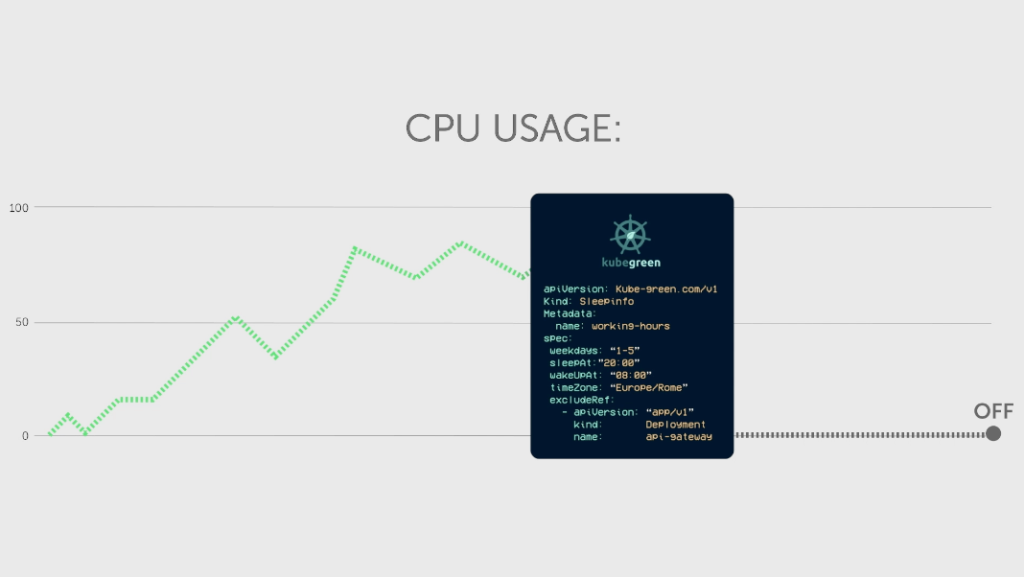
A Kubernetes add-on that automatically shuts down resources when they aren't needed. It's a simple approach to one of the biggest sources of waste in cloud-native deployments: idle infrastructure.
Also worth checking out
Two tools from Green Coding Solutions didn't make the star threshold but fill specific gaps. Eco-CI estimates energy consumption in CI environments, and Green Metrics Tool measures energy and CO2 consumption of software via a software life cycle analysis (SLCA).
If you know of a green software repository missing from the directory, the maintainers welcome contributions — the list is meant to keep growing alongside the field.


