CYBERTEC Migrator targets Kubernetes and OpenShift environments
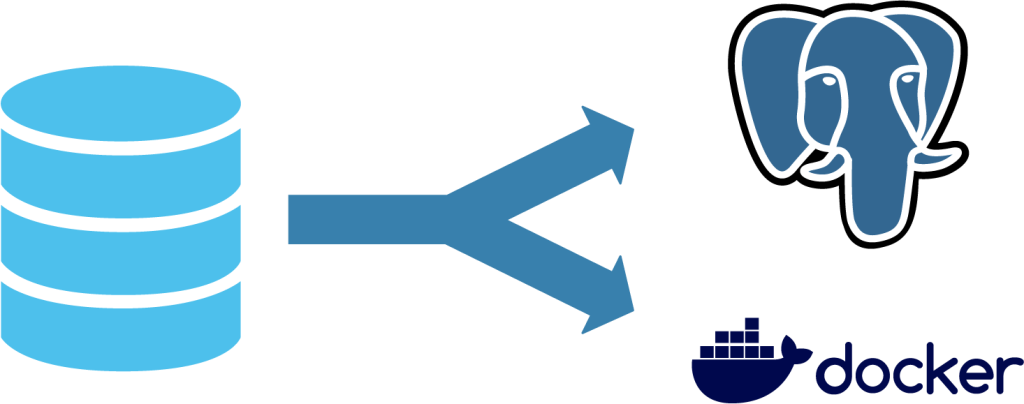
The CYBERTEC Migrator, a tool for migrating databases from Oracle to PostgreSQL, is now available in containerized form for Kubernetes and OpenShift deployments. The container-based approach is designed for organizations that want to run their database migration tooling on the same modern infrastructure they use for production workloads.
Why containerize database migration?
Running the CYBERTEC Migrator as a container brings the same operational benefits that apply to any containerized workload:
- Simplified deployment across environments
- Faster update and upgrade cycles for the migration tool itself
- Improved operational reliability through standardized runtime behavior
- Cleaner integration with existing container orchestration systems
- No additional licensing cost when spinning up extra PostgreSQL instances—PostgreSQL’s open source license permits unlimited instances
Containerized PostgreSQL databases can handle significant data volumes while remaining flexible. A notable advantage is that storage performance and capacity can be scaled independently of CPU core count, which is useful when database workloads are bursty or storage-bound rather than compute-bound.
Deployment and operational advantages
The CYBERTEC Migrator uses Docker containers as its deployment mechanism, drawing on an established and stable runtime platform. For customers running PostgreSQL with Docker and Kubernetes, the tool is intended to handle Oracle-to-PostgreSQL migrations directly within that stack.
- Applications can be scaled and moved across nodes more readily
- Load spikes can be absorbed through dynamic scaling rather than over-provisioning
- Infrastructure flexibility increases since compute and storage are decoupled
The vendor’s migration team supports installation, operation, and management of PostgreSQL and Kubernetes infrastructure alongside the migration work itself. Organizations moving off Oracle can draw on experience gained from previous migration projects when planning their own container-based PostgreSQL rollout.