
The consistency problem in cloud-native testing
Cloud-native development has a testing blind spot: developers often validate Kubernetes applications against environments that differ from machine to machine. End-to-end tests that pass locally can fail in CI, and standing up full Kubernetes clusters just to verify a change is slow and expensive. That friction slows delivery and makes results hard to trust.
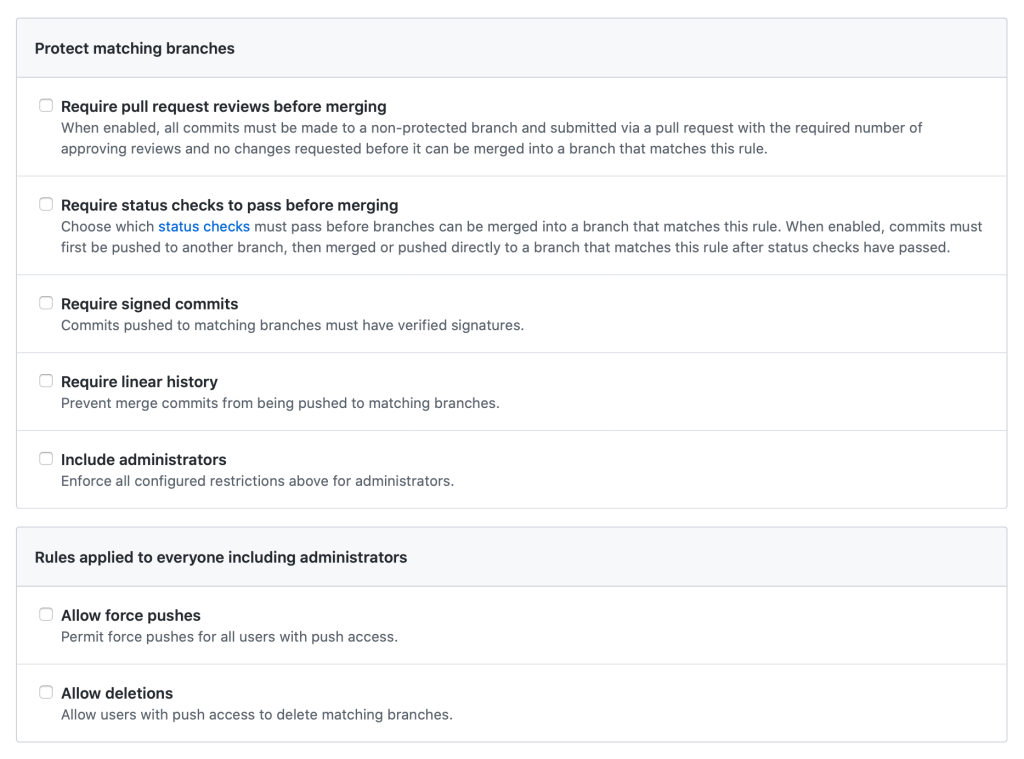
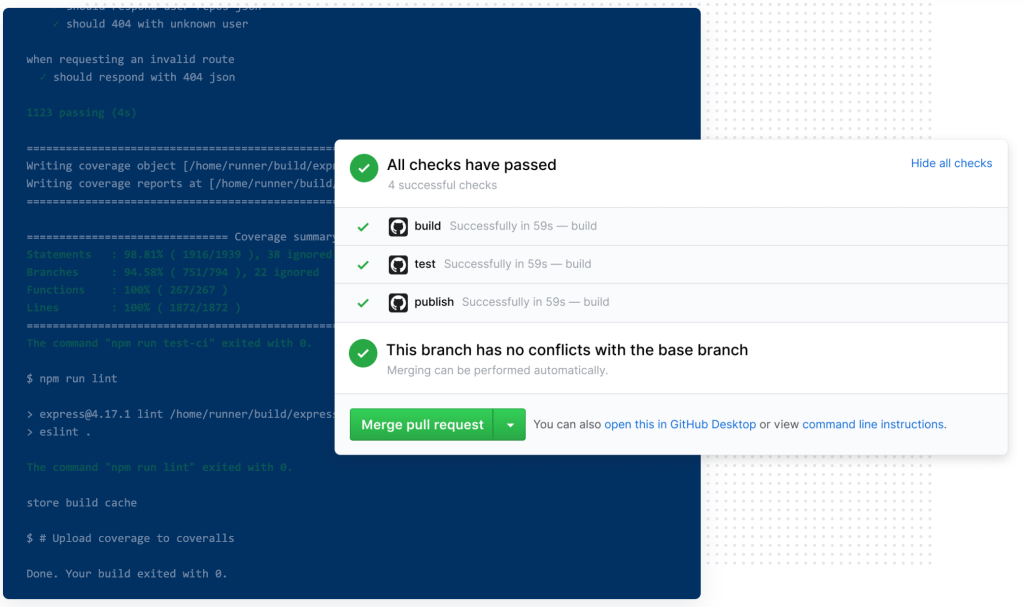
GitHub Actions addresses this by acting as the native CI/CD layer for a repository, triggered by nearly any GitHub event. Because Actions workflows run in response to pull requests, pushes, and other events, they can enforce quality gates directly in the development flow. For example, a workflow triggered on: [pull_request] automatically acts as a status check, and branch protection rules can require that check to pass before a merge is allowed.
This creates a transparent review process: reviewers see in the pull request view whether the latest commits meet the repository's conditions, and merging is blocked if tests fail. Requiring status checks on protected branches gives teams a clearly defined, auditable path from commit to production.
Reusing community-built actions
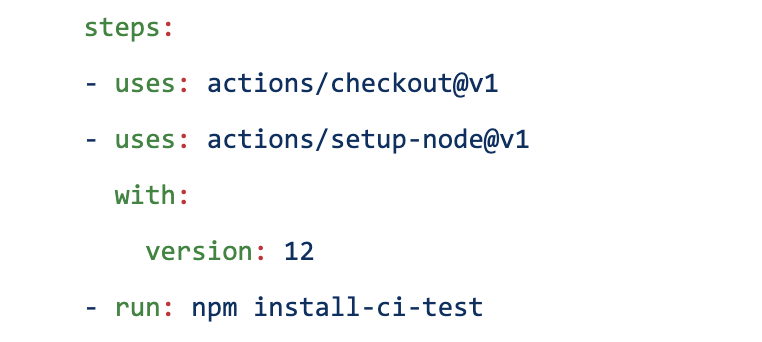
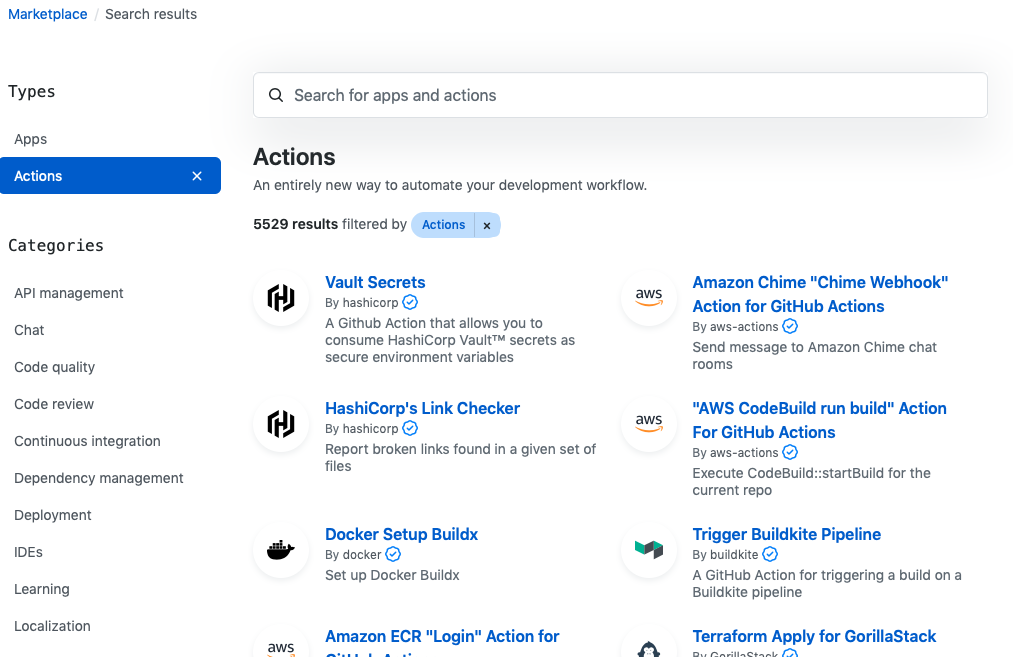
Actions workflows are composed of reusable, open source steps. You can reference a community-contributed action with the - uses: repo/action-name field, either as-is or customized for your needs. The GitHub Marketplace is the discovery point for these pre-built actions, which cover everything from publishing Docker images and installing the kubectl CLI to running container scans and orchestrating cloud deployments. The catalog of cloud-native actions continues to grow alongside container-based development.
Lightweight Kubernetes testing with kind
Even with automation in place, testing against Kubernetes can consume the time CI saves. kind—"Kubernetes in Docker"—is an open source project from the Kubernetes SIG community that runs local Kubernetes clusters using Docker container "nodes." It gives you a simple way to create a cluster for application testing without spinning up a full Kubernetes environment.
The combination addresses a real operational need: as more teams push critical applications to production on Kubernetes, the testing process must be repeatable and reliable. kind provides a homogeneous Kubernetes environment for every test run, Marketplace actions handle the surrounding tooling, and Actions gives you a native, transparent CI process that holds changes to a consistent standard before they merge.