Facebook Open Source Closes 2019 With 579 Active Repositories
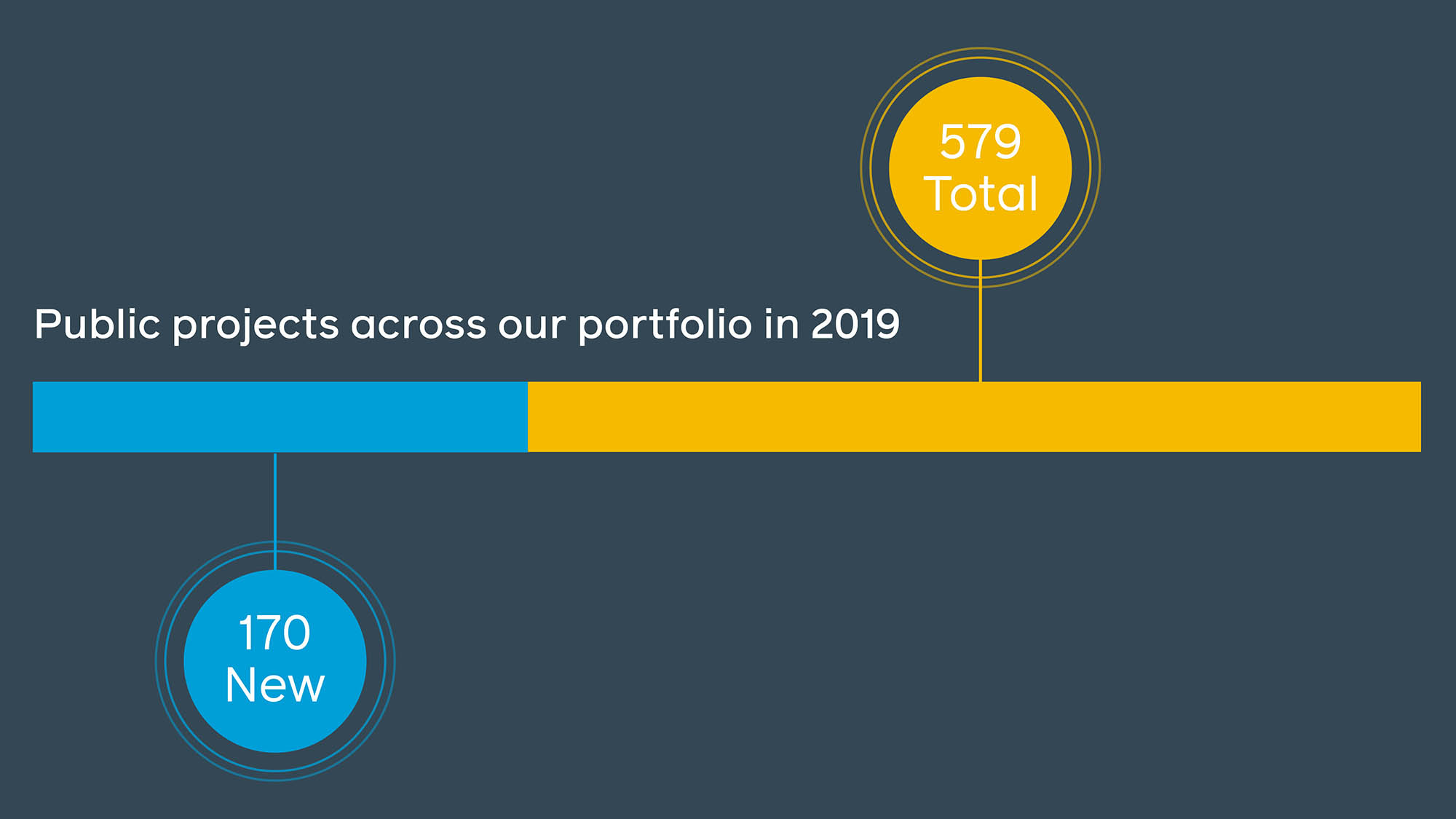
Facebook's open source engineering team had a productive 2019, releasing 170 new projects to bring its total portfolio to 579 active repositories. The year's output reflects a sustained emphasis on developer tooling, machine learning infrastructure, and mobile performance. The scale of community involvement was substantial: roughly 2,500 external contributors submitted more than 32,000 changes, joining internal engineers who committed over 82,000 times throughout the year. Nearly 93,000 new users starred Facebook projects in 2019.
Foundation Moves and Governance Shifts
Facebook continued its push toward neutral governance structures for key projects in 2019. The GraphQL Foundation, initially announced with the Linux Foundation in 2018, expanded its membership and community presence. The foundation also launched a free online course covering GraphQL for building web APIs.
Presto, the distributed SQL query engine originally developed at Facebook, similarly transitioned to foundation stewardship. The newly formed Presto Foundation, hosted under the Linux Foundation with founding members including Facebook, Uber, Twitter, and Alibaba, maintains the project's focus on distributed data processing at scale while adopting a neutral governance model to support broader collaboration.
PyTorch Ships Mobile and Privacy Tooling
PyTorch saw continued adoption and ecosystem growth throughout the year. At the PyTorch Developer Conference, Facebook announced PyTorch Mobile, an end-to-end workflow for deploying PyTorch models to mobile devices that accounts for performance and optimization constraints. The release aimed to give developers a practical path to run ML models on-device.
The PyTorch ecosystem also gained new libraries designed to handle complex operations so researchers can stay focused on their core work. Two notable additions:
- CrypTen — a framework for privacy-preserving machine learning. It exposes a PyTorch-like API while handling the underlying cryptography operations, enabling researchers to work with secure computation without specialized knowledge.
- Captum — a model interpretability and understanding library that provides visibility into how models make decisions. The project gives researchers tools to explain their models' behavior and results to stakeholders.
In a bid to lower the barrier for newcomers, PyTorch tutorials added support for Google Colaboratory, the free browser-based Jupyter notebook environment. The integration lets users execute tutorial scripts directly in their browsers without local setup.
Mobile Tooling and Networks
React and React Native remained central to Facebook's web and mobile open source work, and the company released Hermes in mid-2019. Hermes is a JavaScript engine optimized for mobile devices, designed to improve app performance in constrained environments with low memory and slow storage. The project was positioned to benefit React Native developers in particular.
The mobile push extended beyond the app layer. Facebook also open-sourced Magma, a platform that streamlines mobile network deployment for operators. Magma provides tools for automating management tasks such as element configuration and software updates.
Hydra Simplifies Python Config
Late in the year, Facebook released Hydra, a framework aimed at simplifying Python application development. Hydra lets developers compose and override configuration files, so changing product behavior requires editing configs rather than writing new code.
Blockchain Work Moves Forward
Facebook's blockchain efforts in 2019 centered on Calibra, the subsidiary formed as part of the Libra Association in June 2019. The association's goal remains the creation of a cryptoasset designed to serve as a medium of exchange, an undertaking the company acknowledged as highly complex and still in progress.