
Enterprise platform updates: faster migrations, stricter access control
GitHub has rolled out a wave of Enterprise-focused features aimed at simplifying platform consolidation, tightening identity management, and strengthening security controls. The updates span migration tooling, enterprise account structure, and the latest Enterprise Server release.
Streamlined paths off Bitbucket Server and Bamboo
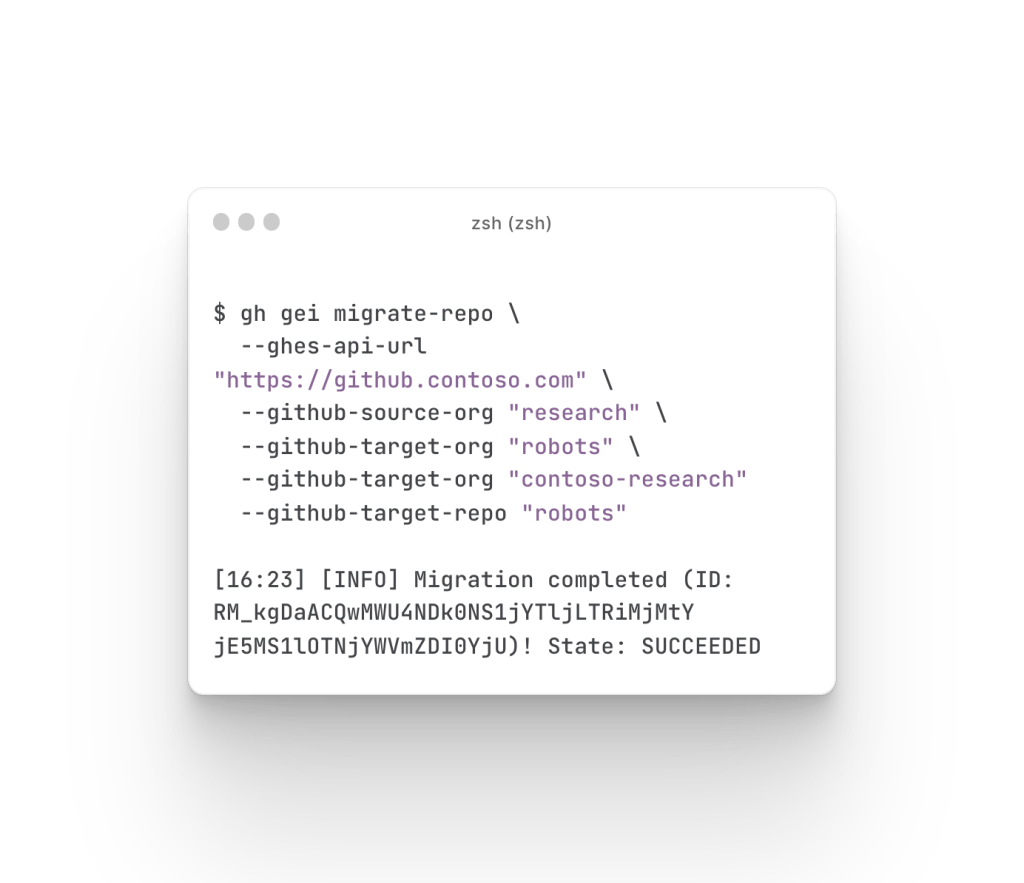
For organizations consolidating onto GitHub, the GitHub Enterprise Importer now supports smoother migrations from Bitbucket Server and Bitbucket Data Center to GitHub Enterprise Cloud. The GitHub Actions Importer likewise extends to moving CI/CD pipelines from Bitbucket and Bamboo, addressing the operational overhead of managing multiple toolchains.
Enterprise Managed Users: new admin controls and roles
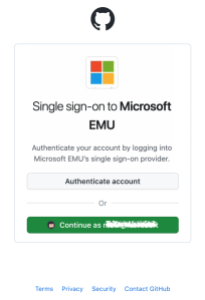
A series of Enterprise Managed Users (EMU) enhancements give administrators more granular control over identities, access, and troubleshooting.
- Public SCIM API documentation for EMU is now generally available. Administrators holding a token with the
admin:enterprisescope can make GET requests from SCIM clients. Write access currently flows through published partner IdP applications, with a limited beta offering direct API access upon request to the account team. - Guest collaborator role: a public beta lets EMU customers on GitHub Enterprise Cloud assign a role that restricts users to internal repositories only. Assigned via SCIM by the identity provider, the role suits contractors and short-term partners who need project-specific access without full enterprise membership.
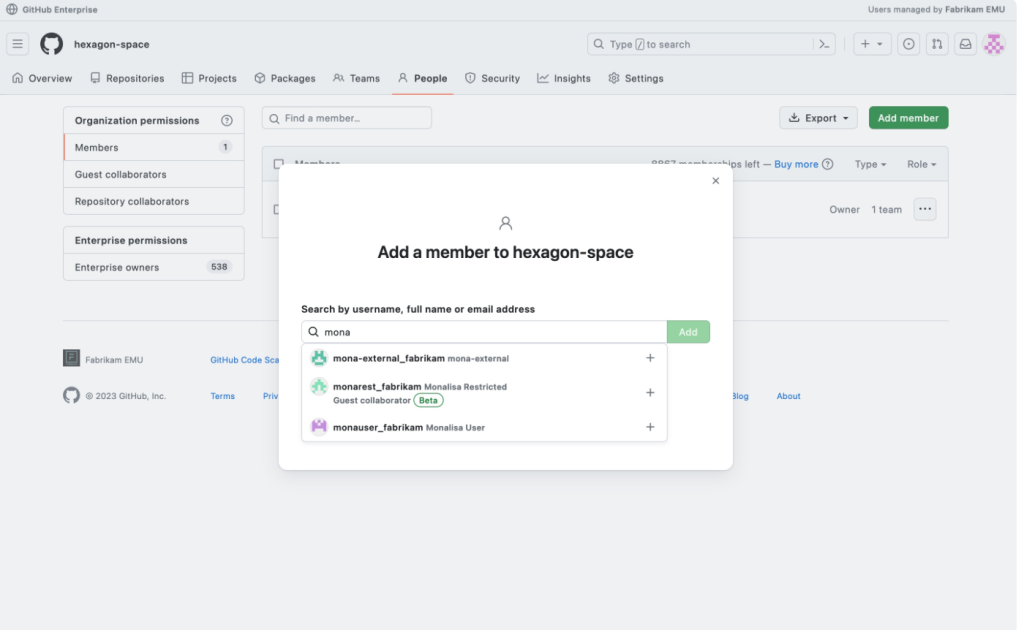
- Repository collaborator access: a limited beta waitlist enables adding individual users to repositories without organization membership, supporting least-privilege strategies. Any enterprise member can be added; if they belong to no other organization, that access consumes a seat license.
- Administration enhancements: new audit log fields, external identity metadata, and a team membership synchronization status reduce the effort needed to troubleshoot SCIM issues at scale.
Unified enterprise accounts
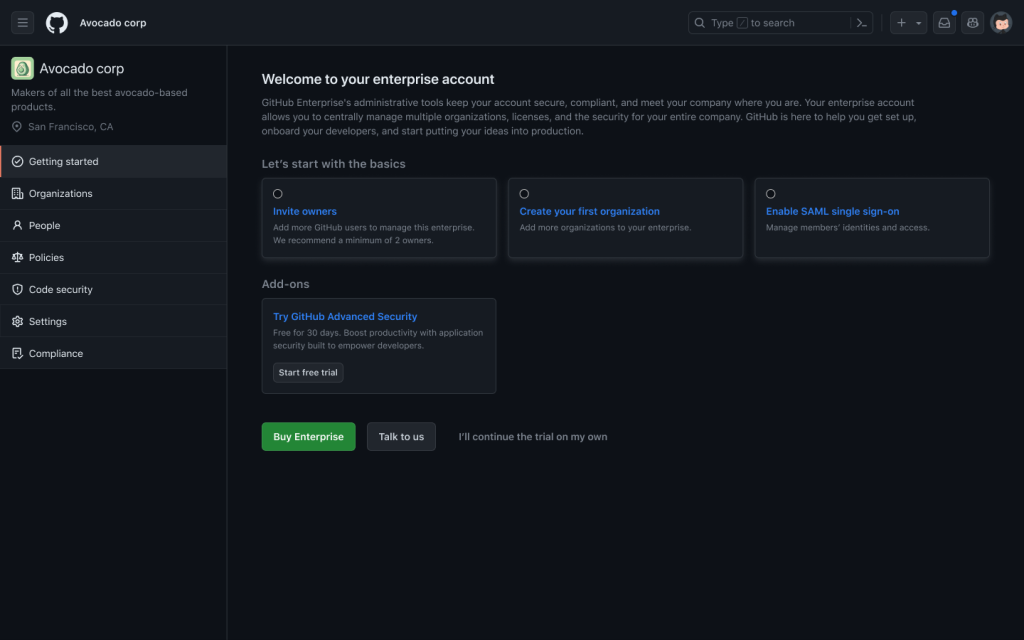
GitHub now offers enterprise accounts to all customers, consolidating users under a single account for centralized policy management and single sign-on. The upgrade path from Free or Teams plans to Enterprise has also been streamlined. This change is designed to let growing organizations apply consistent security and collaboration policies across their entire estate.
GitHub Enterprise Server 3.11 now available
The general availability of GitHub Enterprise Server 3.11 brings a set of security-focused capabilities, including code scanning improvements, a new Activity view for repository history, GitHub CLI extensions, and enhanced secret leak prevention. The release is available for download, with the Upgrade Assistant available to chart a path from current versions.
Security and administration updates
Two latest updates bolster security and administrative flexibility on the platform:
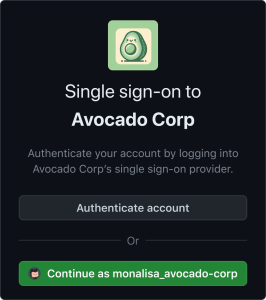
- SAML single sign-on: the audit log includes reworked SCIM entries for greater transparency into user management. A public beta further displays SAML SSO authentication data within audit log events for GitHub Enterprise Cloud customers on GitHub.com.
- Custom organization roles are now generally available, letting owners delegate management permissions—such as reading the audit log or managing applications—to users and teams.
These changes collectively reflect a push toward consolidating development workflows into a single, AI-enhanced platform with native security tooling, while giving administrators the levers needed to manage access and identity at scale.