
GitHub Steps Up at UNGA 77
The 77th session of the United Nations General Assembly (UNGA) marked a return to in-person gatherings, running from September 13, 2022, under the theme "A watershed moment: transformative solutions to interlocking challenges." With support from Microsoft, GitHub hosted and participated in three side-events, leveraging its long-standing work with UN specialized agencies and the UN Secretariat.
WHO Launches First OSPO in the UN System
GitHub's Social Impact and Tech for Social Good team cohosted a side-event spotlighting the new Open Source Programme Office (OSPO) at the World Health Organization. The OSPO, launched earlier in 2022, is the first of its kind within the UN system—a point of pride and a potential template for other agencies.
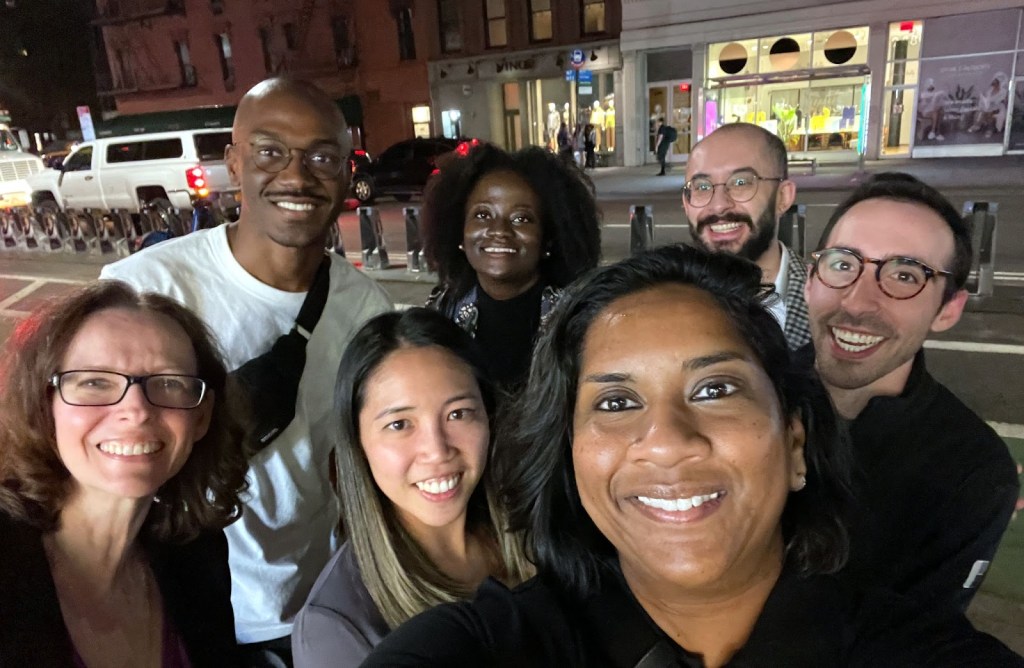
GitHub's Mala Kumar (Director, Tech for Social Good) and Bassem Dghaidi (Senior Solution Architect) joined WHO's Ayman Badr, Dušan Milovanovīc, and Samual Mbuthia, alongside Yu Ping Chan from the UN Envoy on Technology. Mbuthia, the new WHO OSPO lead, made his first public appearance in the role at this event.
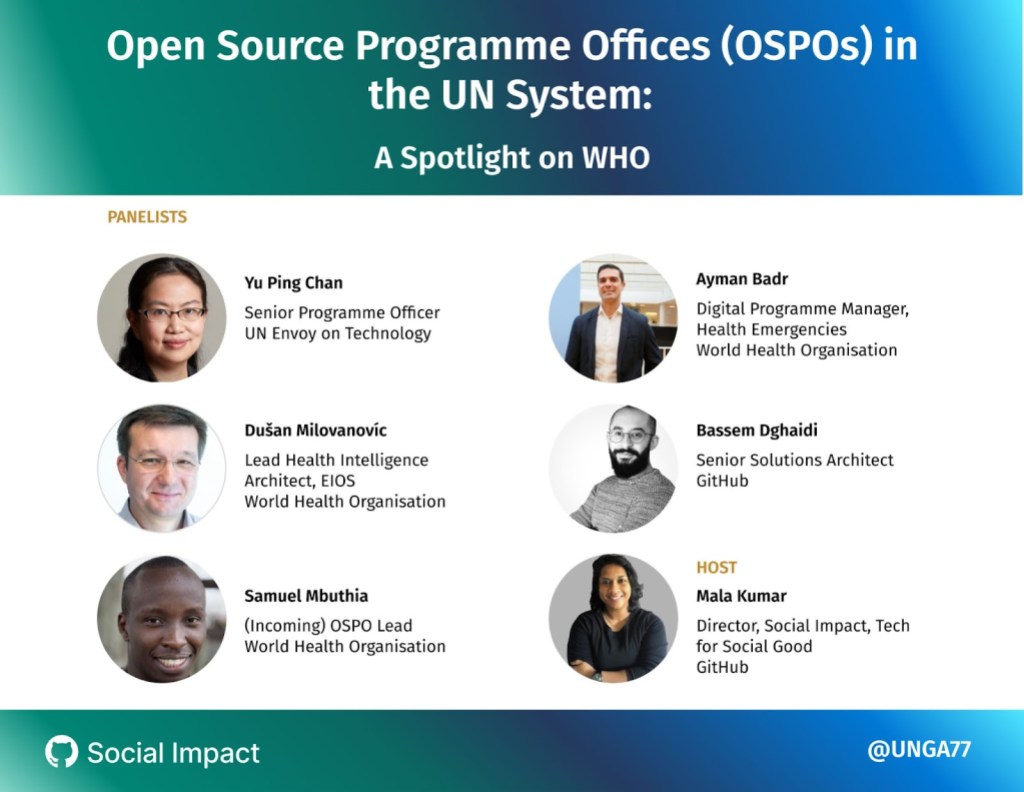
The discussion covered the technical groundwork for the OSPO, including the need for strong innersource processes within WHO, as well as the strategic vision for the office. Ayman Badr, Digital Programme Manager for Health Emergencies at WHO, framed the OSPO as a resource with broader implications:
"We hope to demonstrate that this [OSPO] is a needed resource to other UN agencies."
Chan highlighted the practical value of the approach:
"An OSPO within the UN system actually makes for a much more practical approach to technology. This will be really important in creating the culture shifts of the UN…and bring it to the communities we serve."
Kumar added a notable point about the employment potential: UN agencies can hire citizens in more countries than most private tech firms, meaning OSPOs could create open source developer jobs for people in low- and middle-income countries.
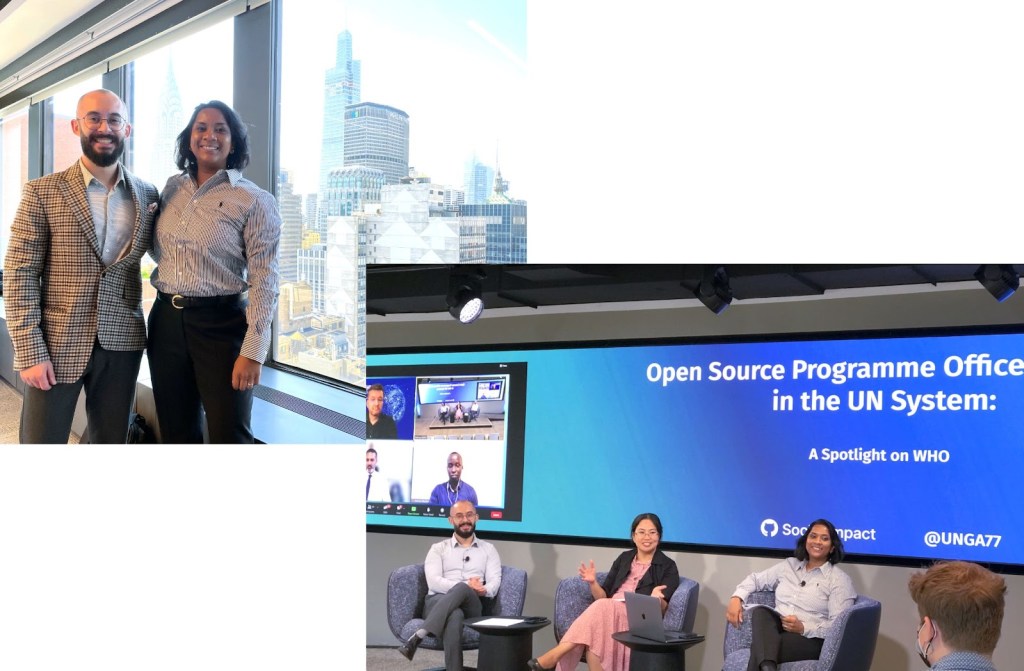
Audience engagement was strong. Attendees raised questions about open source initiatives elsewhere in the UN and emphasized the importance of involving monitoring and evaluation practitioners, who are likely to already use open source tools.
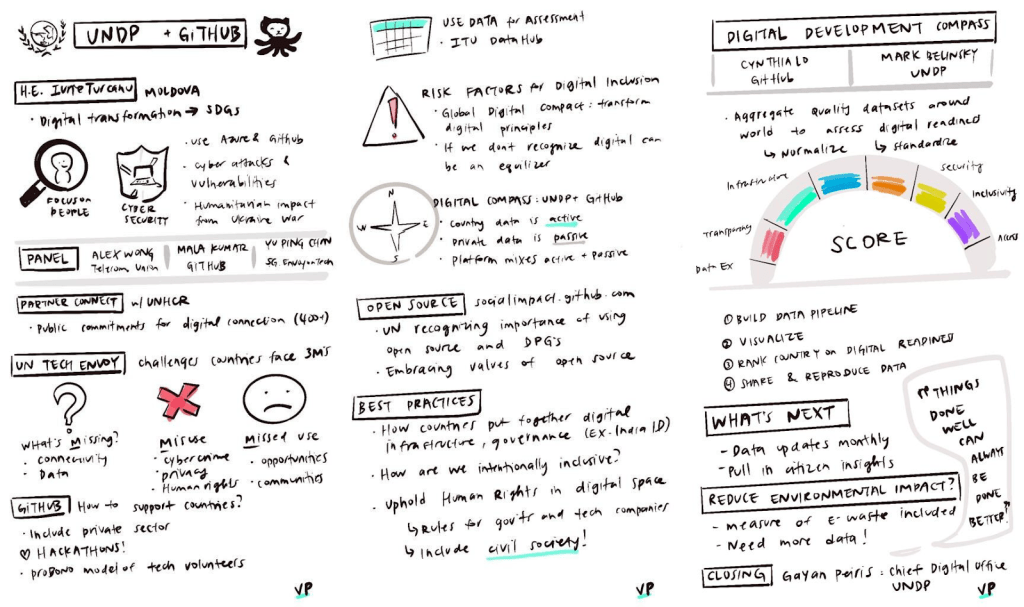
UNDP Digital Development Compass
The second cohosted event introduced the Digital Development Compass, a tool built collaboratively by the UN Development Programme (UNDP) and GitHub's Skills-Based Volunteering Program. The platform aggregates publicly available data on countries' digital development into a single interface to support digital transformation efforts.
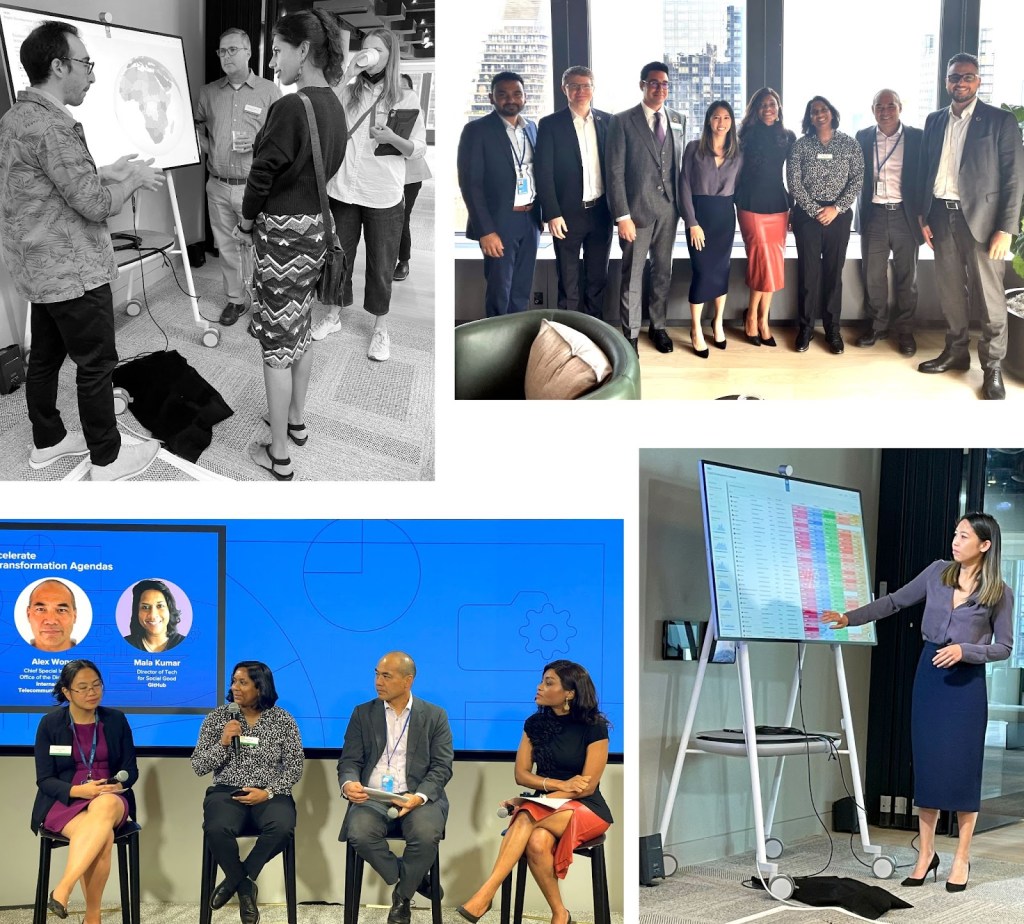
GitHub staff Cynthia Lo (Program Manager, Skills-Based Volunteering), Matt Rothenberg (Staff Researcher), and Amelia Wattenberger (Staff Research Engineer) walked attendees through the interface and functionality. Kumar joined the panel with Chan and Alex Wong from the UN International Telecommunication Union (ITU). Deputy Prime Minister of Moldova, Iurie Țurcanu, delivered the keynote:
"Today, digitalization is on the agenda of every country. Each of us wants our citizens to benefit fully from the advantages of modern technologies."
Robert Opp, Chief Development Officer at UNDP, also spoke, noting that national progress on digital transformation can now be achieved more easily and quickly. UNDP staff discussed the tool's use cases in more detail. Tolu Olubumni, Founder and CEO of Lion's Write, hosted the event and moderated the panel.
Attendees from tech, international development, and policy circles focused on the underlying data sources and potential applications. One question, which UNDP and GitHub plan to address, pointed to an important gap:
"Does this inclusive digital transformation and digital compass also include the environmental damage?"
Special thanks were given to Vivian Peng, Lead Data Scientist at the Rockefeller Foundation, for creating detailed notes of the event.
GitHub Weighs In on Tech for Democracy
Mike Linksvayer, Head of Policy at GitHub, served as a panelist at the Tech for Democracy – Problems, Progress and the Copenhagen Pledge side-event, cohosted by the Danish Ministry of Foreign Affairs and Access Now. Linksvayer spoke about why GitHub signed the Copenhagen Pledge on Tech for Democracy, stressing the need to engage the global developer community in building secure software that improves service delivery—thereby strengthening the legitimacy of civil society and democratic institutions.
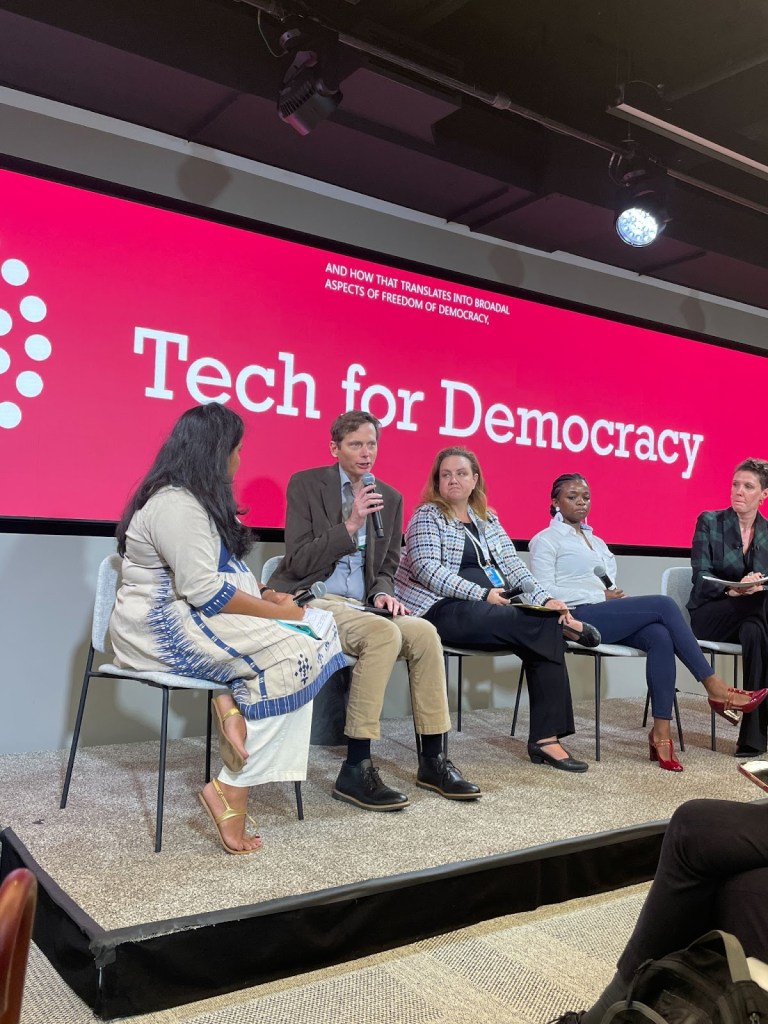
Microsoft President and Vice Chair Brad Smith opened the event. Danish Minister for Foreign Affairs Jeppe Kofod and Ghana's Minister for Foreign Affairs and Regional Integration, Shirley Ayorkor Botchwey, made remarks ahead of the panels. Danish Tech Ambassador Anne Marie Engtoft Larsen moderated. The session closed with a screening of an AI art exhibit reflecting global sentiment on technology and democracy.
GitHub thanked the Microsoft UNIO office for hosting the events and acknowledged the many panelists and organizers. This was GitHub's first year hosting side-events at UNGA, and the organization looks forward to participating again next year.