

Turning Rejected Work Into Future Wins
Few designers enjoy deleting work they've poured time into. But unused designs — whether they're mockups a client passed on, wireframes that never made it to development, or assets created for a project that stalled — don't have to be dead weight. With the right approach, that work can be recycled into new client projects, sold as templates, or used to strengthen your portfolio and case studies.
Before doing anything with rejected designs, however, check your contract. Ownership and copyright terms determine what you can legally do with work created for a client. If your current contract doesn't cover this, rewrite it so the rules are clear for both parties. The last thing you want is to repurpose a design and then hear from a client who believes they own everything you produced during your engagement.
Repurpose for Another Client
The most straightforward option is to file unused designs away and pull them out when a future project calls for something similar. Keep these in a dedicated folder with a positive name — calling it a "graveyard" only makes it harder to revisit. Store it alongside your active client folders so it stays visible and top-of-mind.
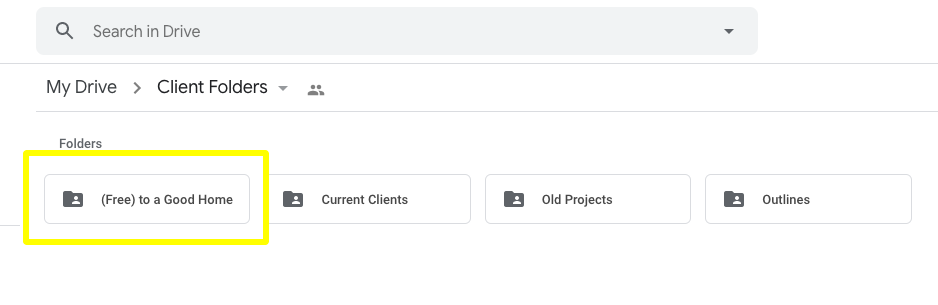
Organization matters here. Sort by project type or category to make retrieval fast when you need it.
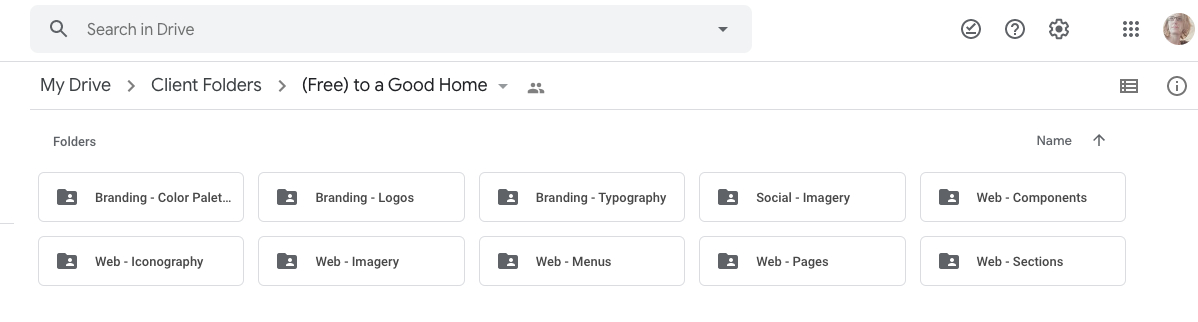
Some unused work needs only light revision before it's reusable. Trial websites, mockups, or wireframes that were pitched but not accepted, and page mockups that differ significantly from what the client ultimately chose, can often be adapted with minimal effort. Anything custom-built around a client's brand needs a more thorough overhaul — strip branded elements and remix components from several unused pieces to create something fresh. The goal is to leverage a solid foundation to cut down on from-scratch work for the next client.
Sell as Templates or Licensable Components
When a client disappears entirely, you might have the makings of a full website, landing page, or app prototype. Rather than letting it sit unused, turn it into a template or theme you can sell multiple times. Marketplace platforms can be ideal, especially if you don't have your own storefront with existing traffic. Although these platforms take a cut, the exposure they provide usually makes up for it. Consider marketplaces like Creative Market, Dribbble, MOJO Marketplace, or ThemeForest
If a client simply doesn't need certain assets, those custom pieces can become licensable components instead. This approach works well for:
- Imagery — photos, illustrations, videos, audio;
- Icon sets;
- Fonts;
- Textures and backgrounds;
- Logos;
- Plugins or extensions.
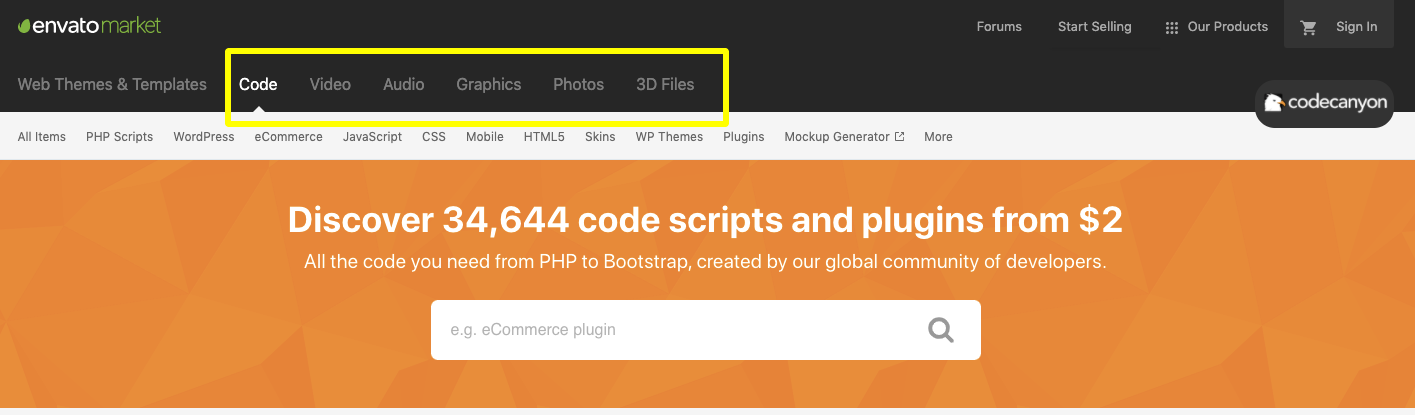
CodeCanyon is the Envato marketplace for code-based assets like pop-ups, contact forms, and review widgets. Creative Market handles stock photography, graphics, and fonts. Dribbble works well for branding work that's now available.
Don't rush to list everything immediately. As your reputation grows, so does the likelihood that these items will sell. Getting them up and marketing them consistently is the key part.
Include Rejected Work in Case Studies
Most designers show only the winning result in their portfolio, telling the story as a clean arc: meet client, design website, client loves it. But showing the rejected versions and earlier iterations can be more compelling — and more honest.
A case study that reveals the designs that didn't work demonstrates how you take client feedback, adapt, and eventually land on a solution they approve. It shows prospects your process, how you handle negative feedback, and how you pivot when an approach doesn't fit. You won't earn directly from this approach, but transparency can attract clients who value a realistic picture of how you work.
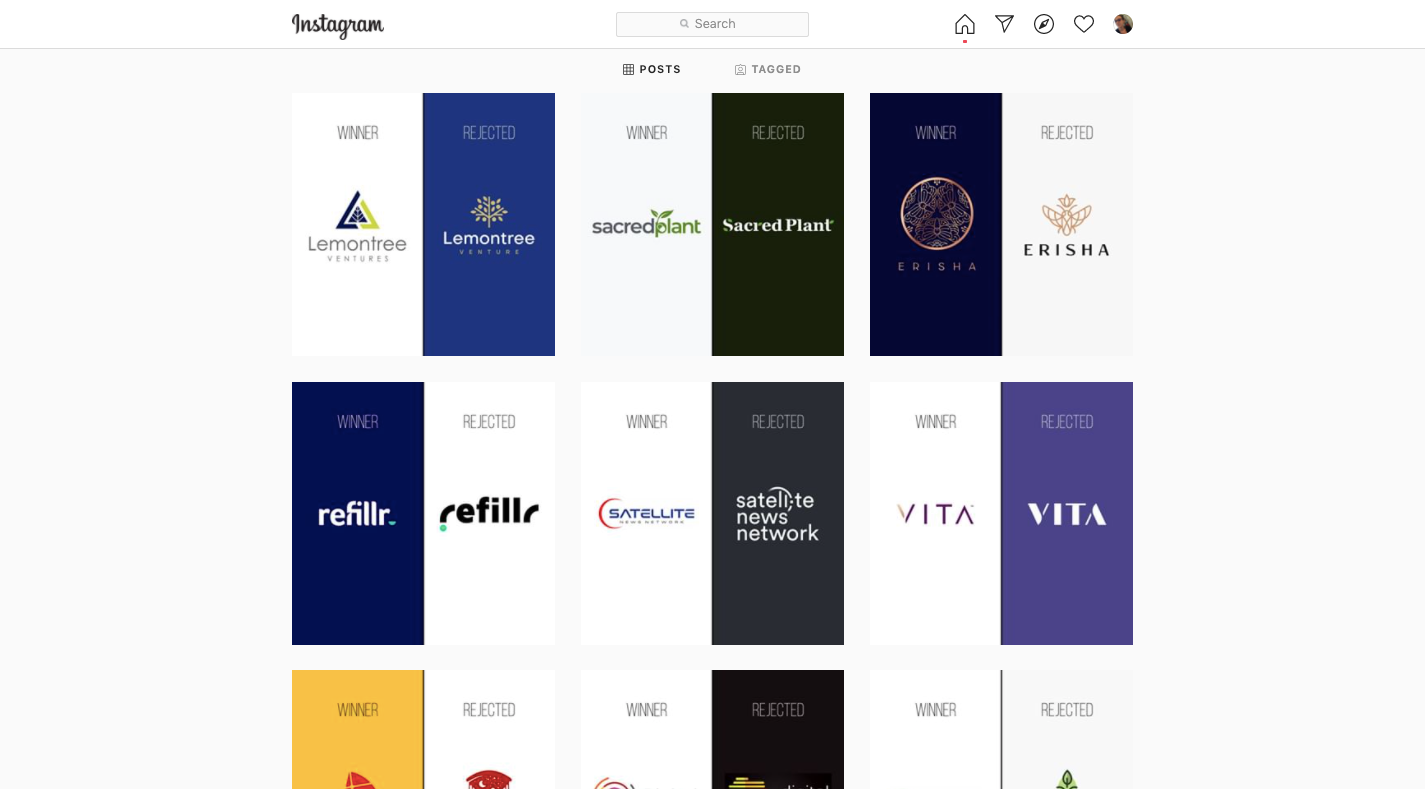
"I met Client X. We carefully reviewed their business plan, mission and values. After a lot of strategic planning, I created two mockups based on our discussions and research..."
This kind of approach — showing the before, after, and everything in between — responds to growing consumer demand for transparency from the brands they work with.
Add Them to Your Portfolio
If you can't monetize unused work and can't show it in a case study — perhaps the client doesn't want their process public, or you're not confident in early designs — the portfolio itself is still an option. This can be especially useful for newer designers who need to round out a thin collection of work samples.
On your own site, unused designs can:
- Fill out a slim portfolio with quality work;
- Give existing clients examples and inspiration;
- Show your evolution as a designer, provided you date each piece and note it went unused.
Sharing unused work on platforms like Dribbble or Behance also builds visibility beyond your own site and can inspire other designers or potential clients. Sometimes the piece one client rejected finds an appreciative buyer elsewhere.
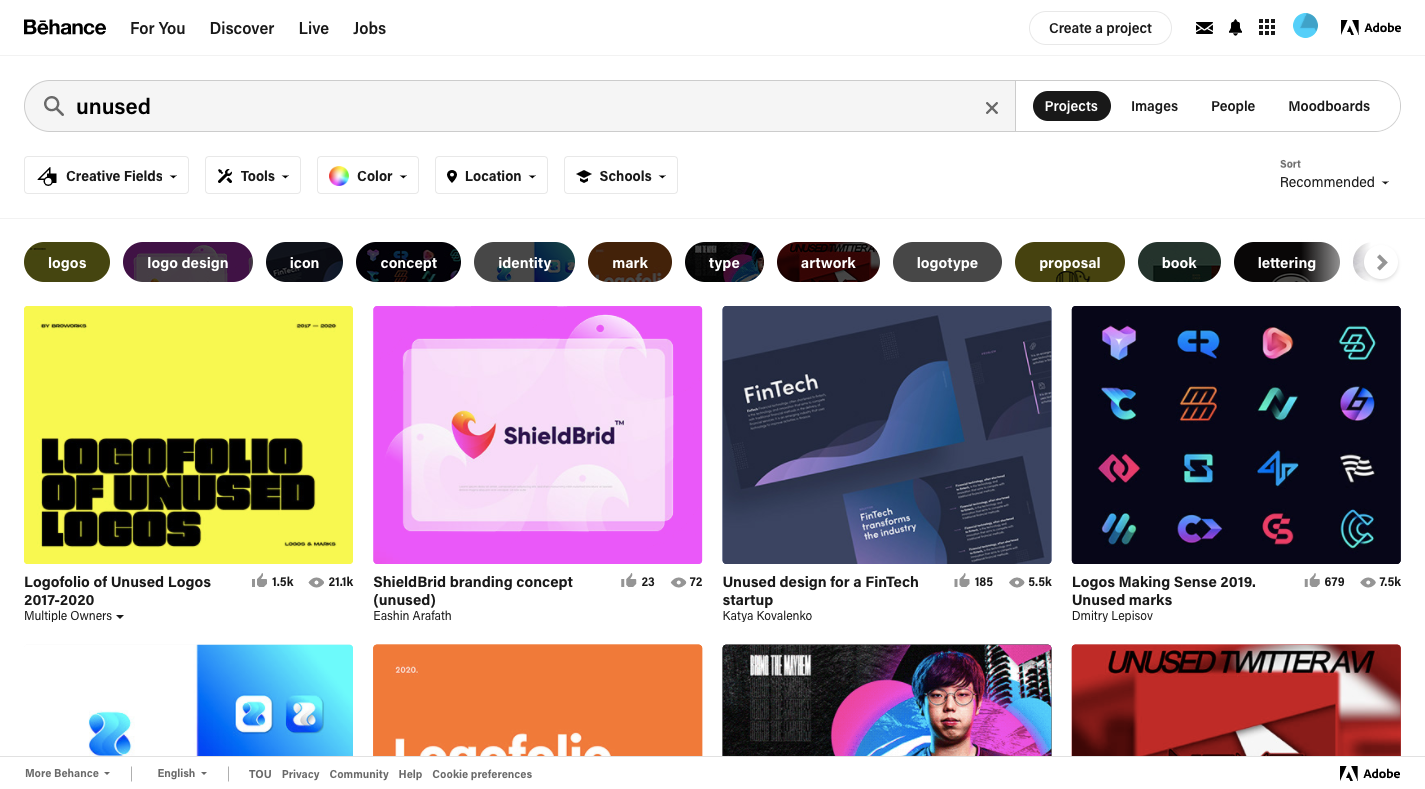
Regardless of where unused designs end up, strip out all client branding first. Swap in your own logo and imagery, or create placeholder content. Let viewers evaluate the design itself, not the company that turned it down.
Making The Most Of A Finished Piece
Letting go of a design you have invested time and energy into is never easy, especially when it does not end up shipping. But this is one of the rare business situations where holding onto that personal attachment is productive. Instead of shelving the work, you can use your confidence in its quality to steer it toward a new purpose. This approach not only preserves the original effort but also creates fresh revenue opportunities that the initial concept never anticipated.
When you pivot a design from its original intent, you transform it from a sunk cost into an asset. The belief in your work becomes the fuel for this new direction, allowing you to extract value in ways that were not possible within the original project's constraints. This is a practical strategy for turning good work into ongoing income, rather than leaving it dormant in a folder.
Further Reading
- Interview With Björn Ottosson, Creator Of The Oklab Color Space
- Embracing Introversion In UX
- The Scent Of UX: The Unrealized Potential Of Olfactory Design
- How I Learned To Stop Worrying And Love Multimedia Writing



