
Linux Video Effects and Postgres Cloning Lead December Releases
Open source maintainers kept shipping through the holiday season, with releases ranging from polished infrastructure tools to fresh takes on web development. Here are the projects that stood out this month.
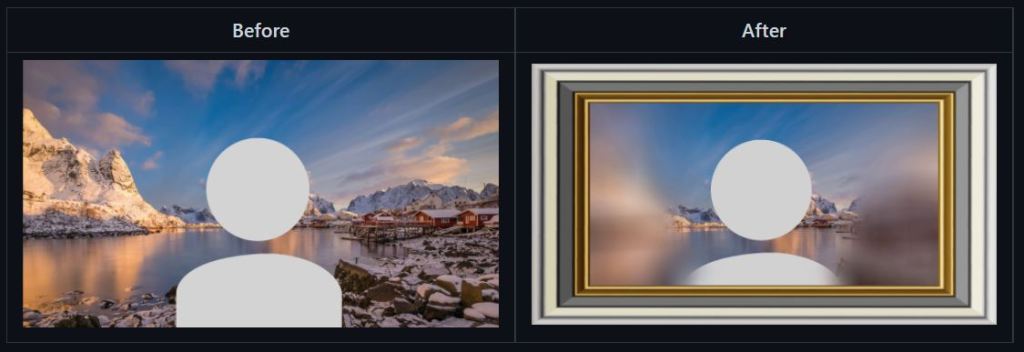
Weffe 1.0 Brings Webcam Effects to Linux
Video calling platforms like Zoom, Teams, and Google Meet offer plenty of effects on Windows and macOS, but Linux users have fewer options. Weffe, a new open source tool, adds effects such as blurred backgrounds, overlaid images, and text to Linux video calls via a virtual webcam.
Database Lab Engine 3.0 Adds Persistent Clones and PostgreSQL 14 Support
Database Lab Engine (DLE) enables instant thin cloning, letting developers run many independent Postgres copies on a single machine. Version 3.0, with more than 100 changes, introduces a UI in the core, persistent clones that survive VM restarts, better logging, and improvements for running multiple DLE instances on one machine. The release also adds support for PostgreSQL 14. For managed Postgres offerings like RDS, the update allows multiple database copies and clones to switch between them without changing database credentials. See the release notes and the PostgreSQL blog post for details.
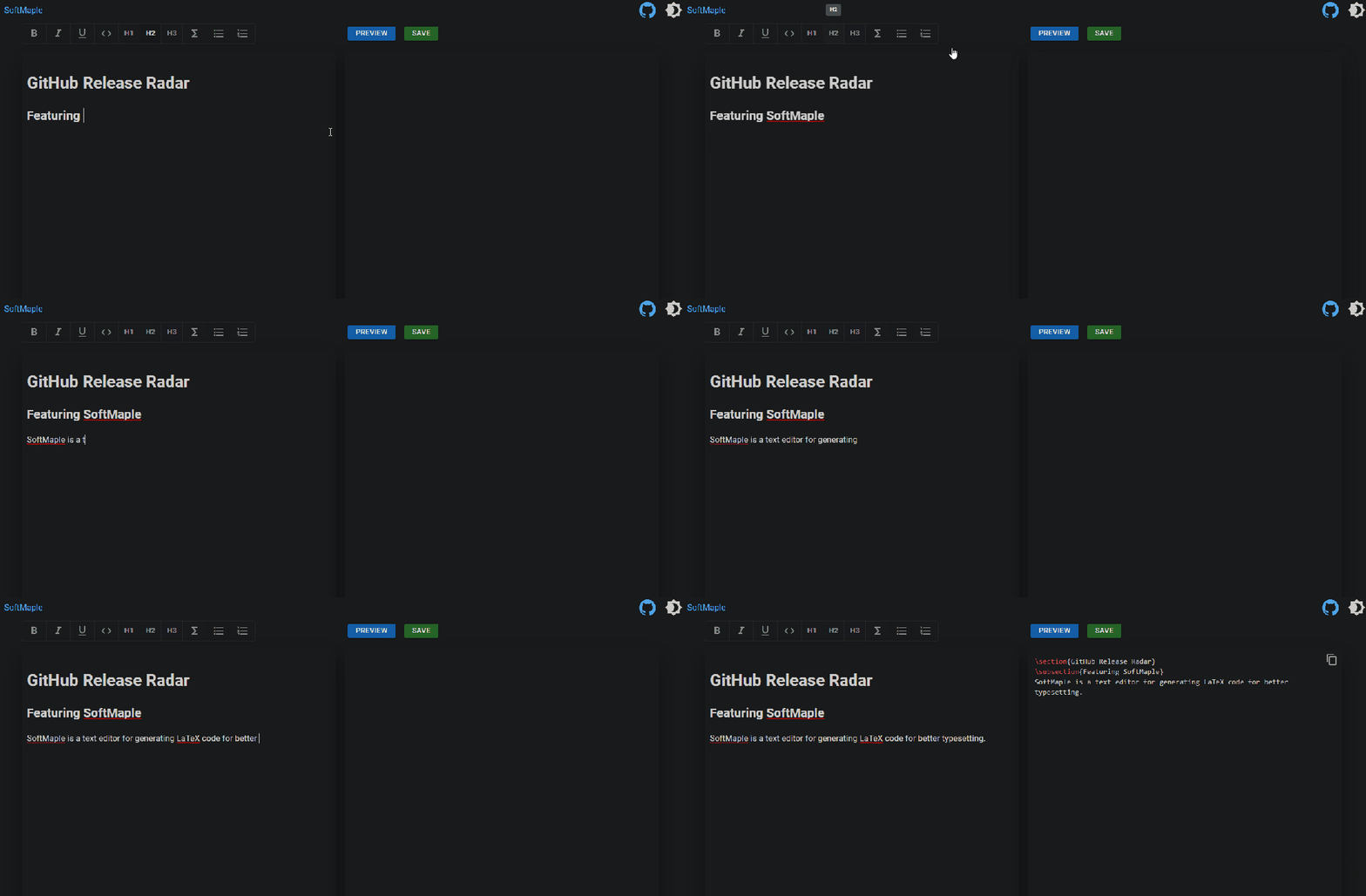
SoftMaple Editor Generates LaTeX as You Write
SoftMaple Editor provides a WYSIWYG document editor that produces LaTeX source code behind the scenes for better typesetting. There is no backend required—just head to the website and start writing papers as you would in any standard editor. LaTeX source is generated automatically from the same writing interface.
Type-Flag 2.0 Parses Arguments with Type Inference
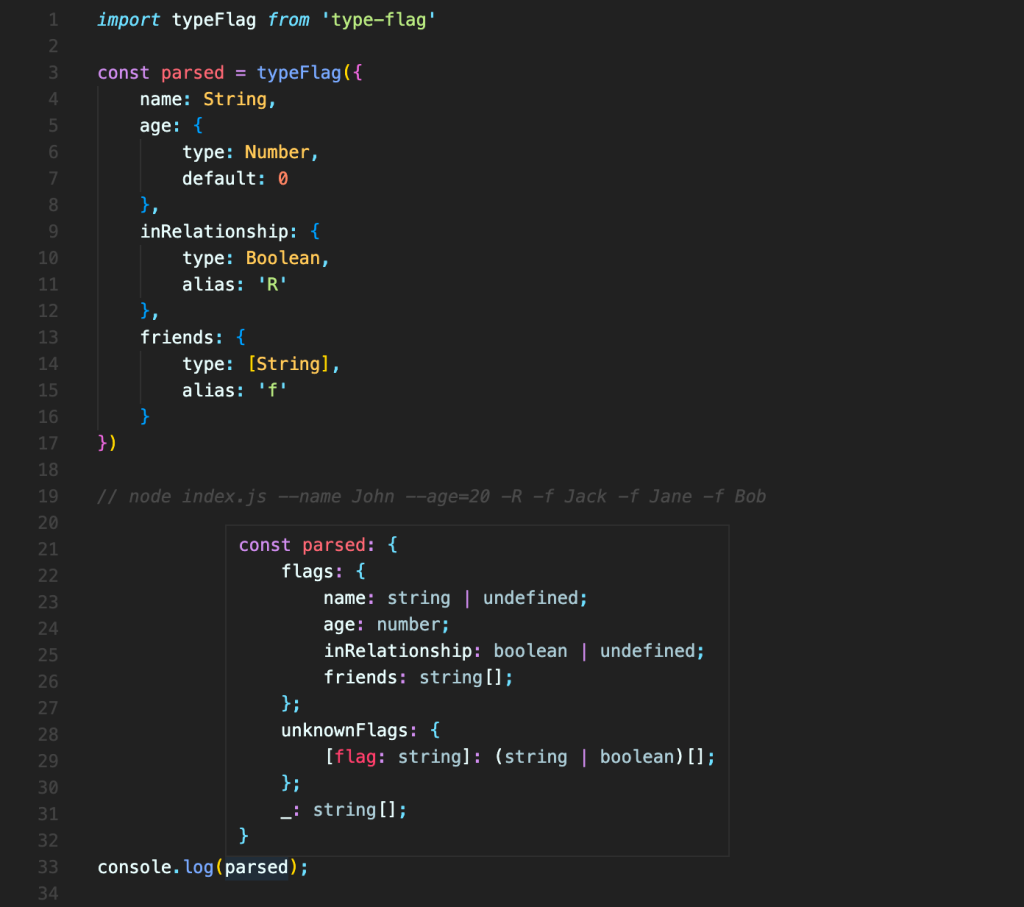
For TypeScript developers who want to parse process.argv with confidence, type-flag sits at just 1.3kB. The flag type is inferred from any type function used for parsing. Version 2.0 adds support for array types and default values, exports type definitions, and automatically parses process.argv.slice(2). Full changes are in the release notes.
Tailwind CSS 3.0 Goes All-In on Just-in-Time
Tailwind, the utility-first CSS framework that lets developers build sites without leaving HTML, has shipped version 3.0. Classes like flex, pt-4, and rotate-90 go directly into markup, and the latest release focuses on performance and workflow improvements. The framework now runs its just-in-time engine all the time, cutting the size of generated stylesheets. Details are available in the Tailwind blog announcement and release notes.
Django 4.0 Gains Redis and Native Timezone Support
The Django Python web framework has moved to version 4.0, bringing a significant batch of updates for rapid web development. Key additions include built-in Redis cache and session support, easier customization of Forms, Formsets, and ErrorList, and the switch to zoneinfo as the default timezone implementation. The full list of changes is on the Django blog.
Trousseau 1.0 Protects Kubernetes Secrets
Trousseau is a Kubernetes-native project for encrypting secret resources, and it has reached its first stable release. The 1.0 version, nicknamed "Funny Cookie," includes support for both HashiCorp Vault Community and Enterprise editions. Find it on GitHub.
RegexLearn Makes Regular Expressions Approachable
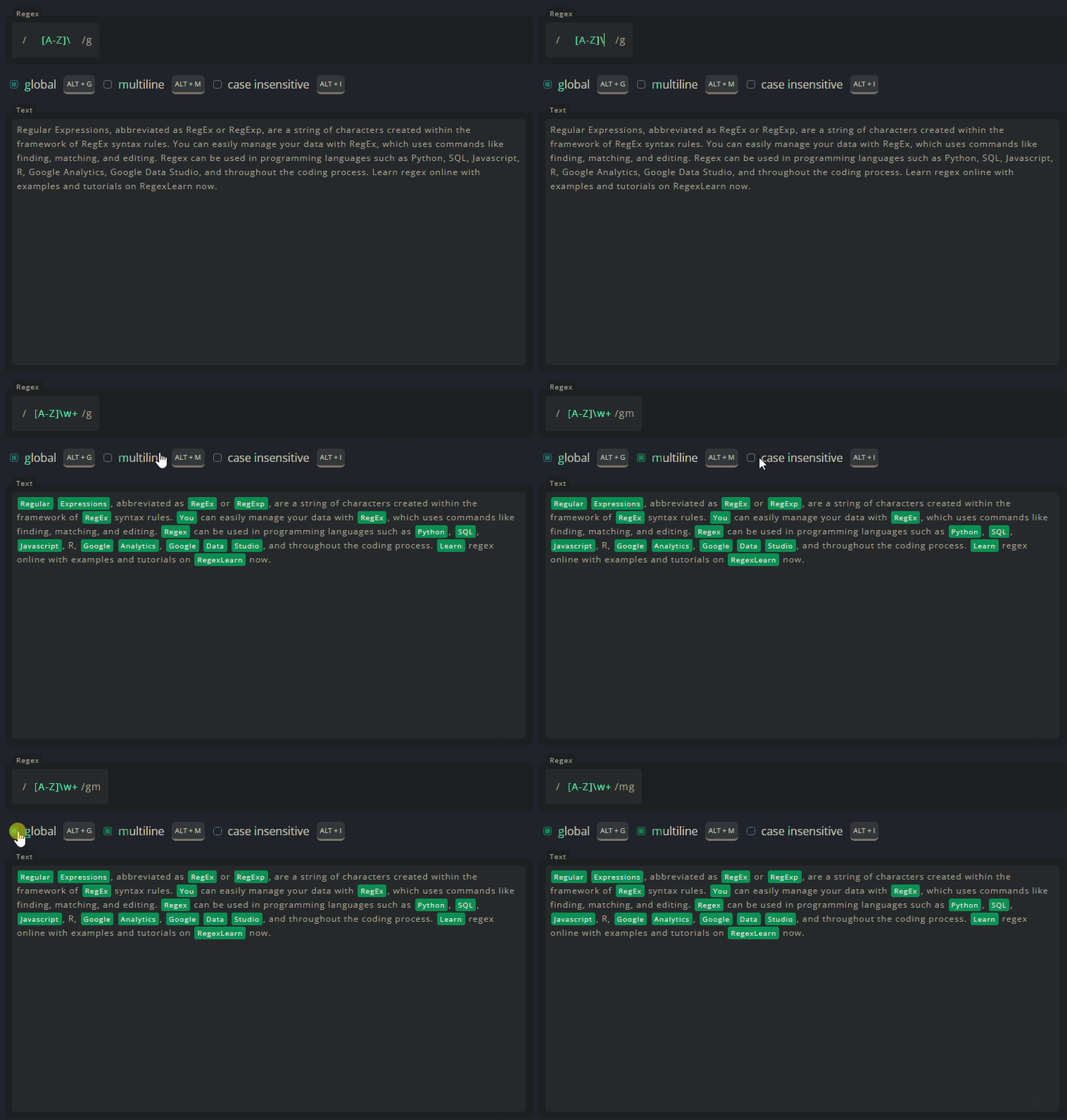
RegexLearn is a step-by-step interactive guide to writing regular expressions. It offers a cheat sheet, many examples, and a playground (currently in beta) for experimenting with code. The project is open source and available on GitHub.
Cake 2.0 Updates Build Automation for .NET 6
Cake (C# Make) is a cross-platform build automation system with a C# DSL for compiling code, copying files, running unit tests, compressing files, and building NuGet packages. Last featured in the February Release Radar with version 1.0, Cake has moved on. Version 2.0 requires C# 10 and .NET 6, improves CLI support, and works better with GitHub Actions and Azure Pipelines. The main changes are covered in the Cake blog post.
Open Props 1.0 Shares 350+ CSS Custom Properties
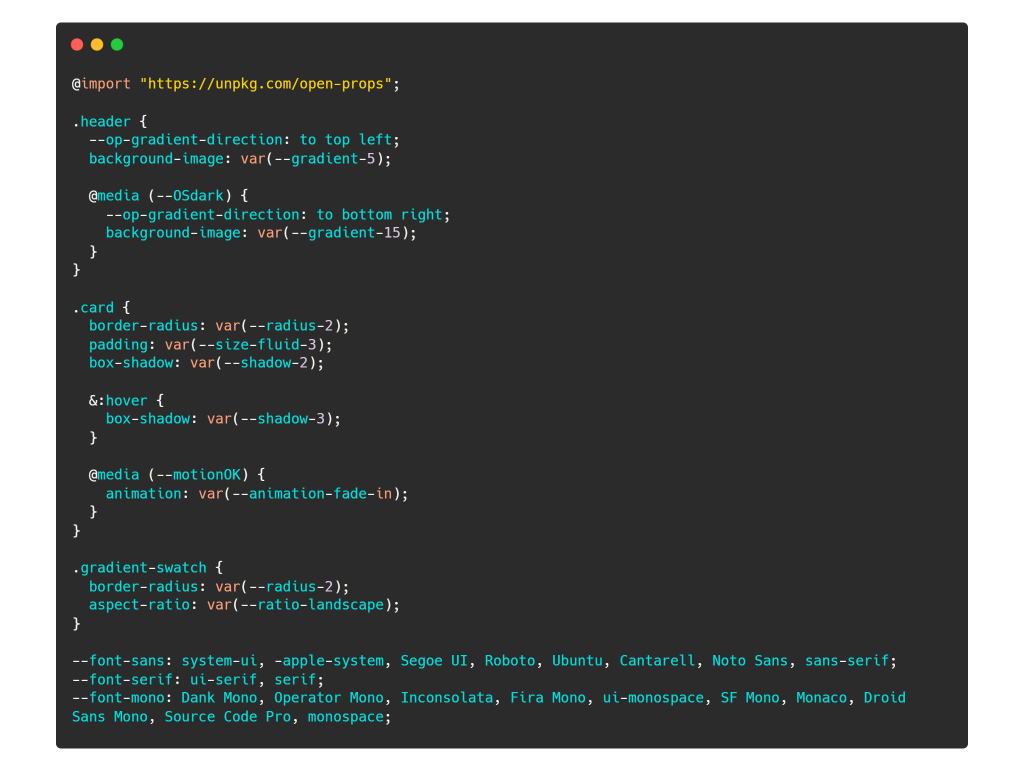
Open Props offers a collection of more than 350 CSS custom properties covering colors, gradients, shadows, and typography. The design tokens are meant to accelerate adaptive and consistent styling. You can experiment with the properties in a browser-based demo.
That wraps up the final Release Radar of the year. Congratulations to everyone who shipped something this month, whether it was a first major release or a long-awaited update. If you want to see more projects like these, the Release Radar repository is open for submissions from the open source community.


