
April's notable open source releases
Every month brings a new crop of open source projects hitting major milestones. From first stable releases to long-awaited version jumps, these projects cover everything from workflow orchestration to word games. Here are the standout releases that landed in April.
Flyte 1.0
Flyte has reached its first major version. Originally created by Lyft with contributions from Spotify and a broader community, Flyte is a Kubernetes-based platform for building and running machine learning and data processing workflows. It ships with multiple SDKs, giving developers flexible options for defining their pipelines and automating complex data tasks.

Remotion 3.0
Remotion lets developers create videos programmatically with React, even making edits while a video renders. Version 3.0 introduces Remotion Lambda, now built on AWS Lambda, allowing users to deploy and host videos directly on their own AWS infrastructure. The update brings faster performance through parallel rendering and encoding, along with improved scalability and lower cost compared to the previous major release. This release incorporates more than 1,400 commits from contributors.
Sentry CLI 2.0
Sentry CLI, the open source command line client for Sentry's monitoring and performance tracking platform, has shipped its first update in five years. The new version includes a mix of removed, refined, and brand new APIs. The tool remains the primary way developers interact with the Sentry API, most often for managing debug information files, and the full breakdown of changes is documented in the release notes.
SpiderFoot 4.0
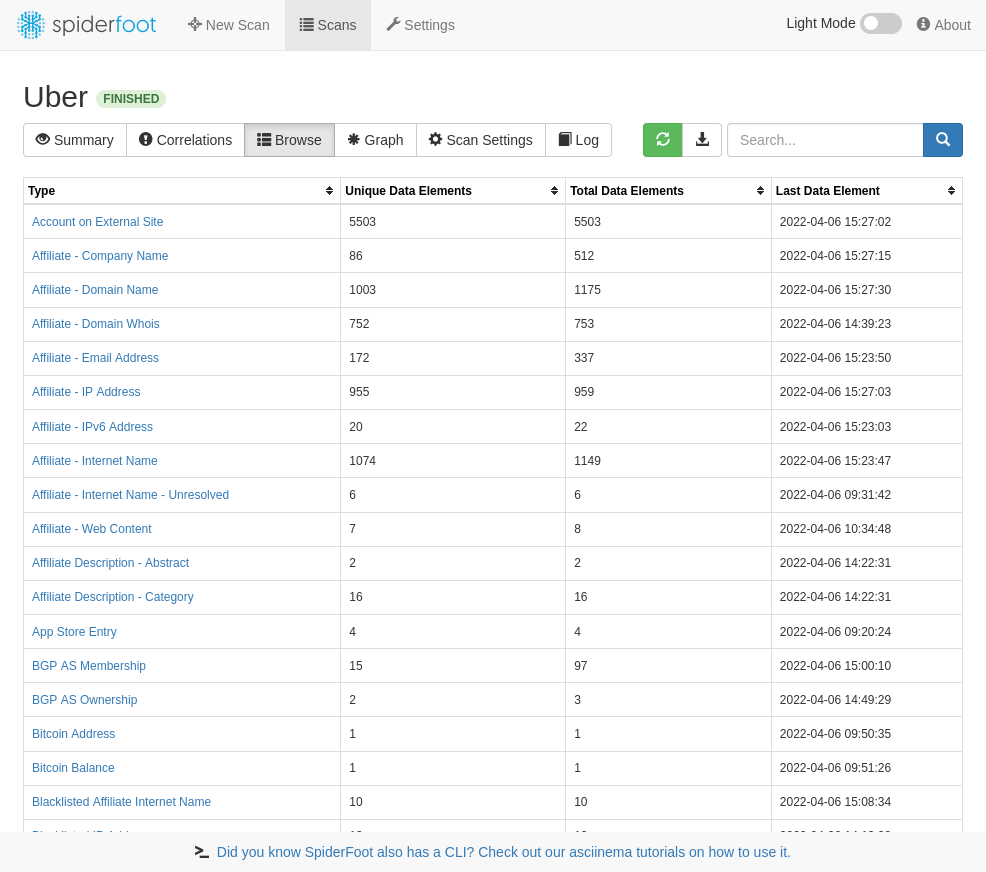
SpiderFoot automates Open Source Intelligence (OSINT), gathering and organizing data from publicly available sources for use in threat discovery, security assessment, and related work. Version 4.0 makes SpiderFoot HX available to all users, adding a correlation engine that helps filter and make sense of the collected data. The new release also extends support to additional tools, with new open source modules listed in the project's announcement.
JReleaser 1.0
Getting code out the door is often harder than writing it, which is where JReleaser comes in. This automation tool streamlines creating software releases and publishing them to multiple package managers, with a range of customization options along the way. The project's first major release marks a significant milestone for the team behind it.
Ktor 2.0
Ktor is an asynchronous Kotlin framework for building client and server applications, including microservices and multiplatform HTTP apps. Version 2.0 packs in over 100 updates and new capabilities, all catalogued in the changelog. It's a substantial update for this Kotlin-native option in the crowded framework space.
USWDS 3.0
The United States Web Design System serves as the UI foundation for federal government websites, providing a design system and style guide with a library of open source components. Used by agencies like NASA and VoteGov, the project's third major release brings a more modern syntax, better performance, and smaller CSS output for projects that use it. The team also published a migration guide to help projects move from USWDS 2.0 without getting stuck.

Gitmoji CLI 5.0
Gitmoji offers a standardized set of emojis for GitHub commit messages, pull requests, and discussions, with each emoji carrying a specific meaning — a sparkles emoji, for instance, signals new features. Gitmoji CLI brings that system to the command line. The latest release raises the minimum requirement to Node.js 14 or higher, so developers will need to keep their environments current.

Claustrowordia 1.0
Claustrowordia took the top prize at the 50th Ludum Dare game jam, held earlier this year. The winner of last year's GitHub Game Off as well, it blends mechanics from Wordle, Scrabble, and crossword puzzles, fitting within the jam's theme of "delay the inevitable." It's a good reference point for anyone curious about game jams or looking for open source inspiration, with the full source code available on GitHub.



