

Gamedev.js Jam 2023 Recap: Open Source Winners Announced
The Gamedev.js community has come a long way since its early days of local meetups around 2012. While the Gamedev.js Weekly newsletter brought international reach in 2014, the first Gamedev.js Jam didn't happen until 2020. The 2022 edition introduced an optional requirement for participants to share their game sources—a move that proved successful when 27 of 95 submissions provided code on GitHub.
This year's Gamedev.js Jam 2023 saw significant growth: 201 games were submitted to Itch, with 91 entries joining the official Open Source challenge. Three judges—Michelle Mannering, Ewa Mazur, and Ania Kubów—selected the top 13 entries from the open source pool.
The Top 13
Taking first place was Ratatime, a Unity/C# game by BuyMyBeard. Judge Ania Kubów praised its polish across gameplay, design, and music, calling it "very well thought out in all aspects."

Second place went to Time Rush, a JavaScript platformer from M0HM0H. Ewa Mazur highlighted the "cool, complete and very polished" gameplay, noting details like moving backgrounds, character particles, and screen shake when time runs low.

Latency (Godot/GDScript) by Daniel Kilgallon came in third. Kubów noted the game's cute graphics and simple mechanics hid a deceptively difficult challenge.
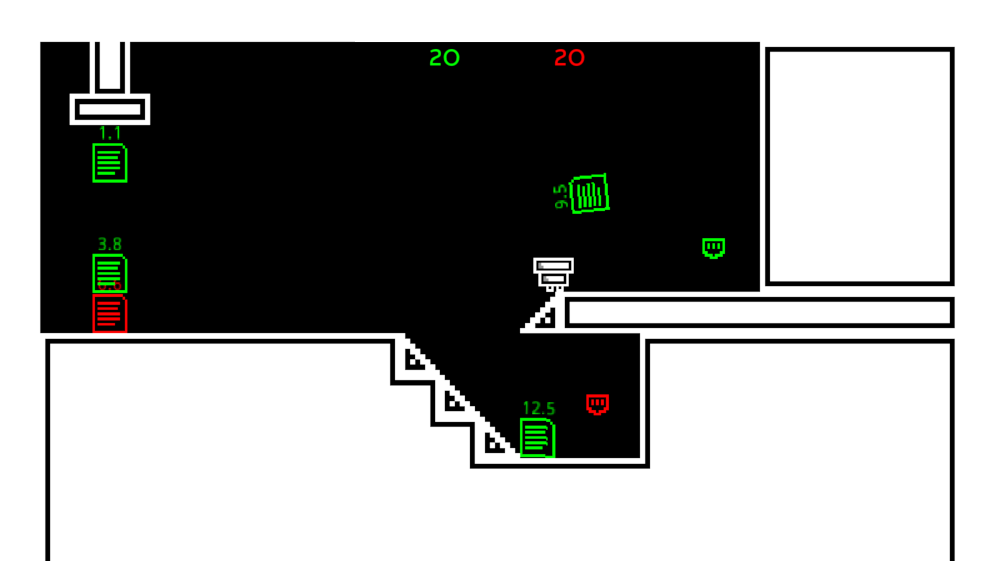

The fourth spot went to On Time, a JavaScript entry by BreixoGames. Mazur was impressed by the "fantastic" graphics, which "build the mood of the city in rush hours very well."
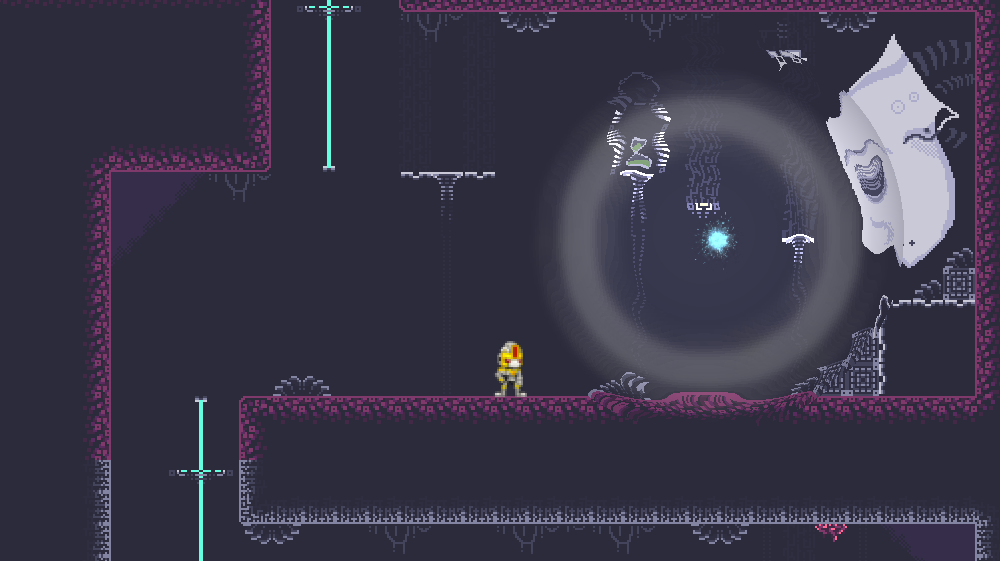
Fifth place went to Chrono Blaster (TypeScript), developed by ovk. Judge Kubów cited the "enjoyable" experience and the way smooth movements complemented the overall ambience and color scheme.
Remaining Standouts
Rounding out the middle of the list, Timeshifter (GDevelop) by ikmalsaid took sixth place for its logic gameplay and "extra layer of pressure" from the timer, per Kubów's commentary.


Seventh place was shared by two JavaScript entries: Chrono Robot by xem and Time Saver by OpenWorldEra. In Chrono Robot, Kubów enjoyed the mechanic of timing movements to coordinate with your "future" self, noting the developer leaderboard as a nice extra. Time Saver, meanwhile, earned praise from Mazur for its cohesive mood and literal "saving time" concept, despite difficulty.

The ninth position had another tie: Chrono Guards (TypeScript) by Omhet and Toki (Typescript) by johnedvard. Mazur found Chrono Guards' theme fit the jam well, though she suggested subtle additions like particle effects could strengthen the atmosphere further. For Toki, Kubów enjoyed the smooth movements and the variety of game tools on top of standard jump and shoot mechanics.


The Bow Fighters took 11th place. While Mazur confessed she skipped the instructions and found discovery challenging, the game's visuals won her over—'what touched my heart was that the game looked really nice.'

In 12th position, Time Warp (Unity/C#) by Tsapper impressed with its layers of time travel complexity. Kubów appreciated how the minimalistic presentation disguised deeper gameplay that remained approachable.

Closing the list at 13th place, Birds! (Phaser/Typescript) by Stiggstogg earned Mazur's praise for its "fun, great and creative implementation of the theme," consistent graphics, and addictive, clever gameplay with a convincing narrative.

The complete list of 91 open source entries is available on Itch, alongside details about the overall jam winners.
Looking Ahead: Open Source as a Standard
The community continues to push for code sharing as a best practice. The next Gamedev.js Jam 2024 is already open for registration. Developers interested in keeping up can also join the community Discord, follow @Gamedevjs on Twitter, or subscribe to the Gamedev.js Weekly newsletter.
Meanwhile, the upcoming js13kGames 2023 competition has required open source submissions since its 2012 inception. As noted in the jam's aftermath, sharing code helps fellow developers build better games—something the Gamedev.js community will continue to encourage.



