
End of an Era: Brendan Gregg Departs Netflix
After nearly eight years, Brendan Gregg has announced he is leaving Netflix. In a blog post titled "Netflix End of Series 1," Gregg explains that a "large and unexpected opportunity" outside the company proved too compelling to pass up. While he doesn't name his next destination yet, he promises more details soon.
Gregg joined Netflix in 2014, drawn by its pioneering cloud infrastructure and celebrated engineering culture. The challenge, however, was immediate: the Java/Linux/EC2 stack lacked the advanced tooling he relied on for performance analysis. There were no working mixed-mode flame graphs, no production-safe dynamic tracer, and no Performance Monitoring Counters (PMCs). Rather than seeing this as a blocker, Gregg viewed it as a mandate to build the missing pieces—not just for Netflix, but for the entire cloud ecosystem.
Instrumenting the Cloud
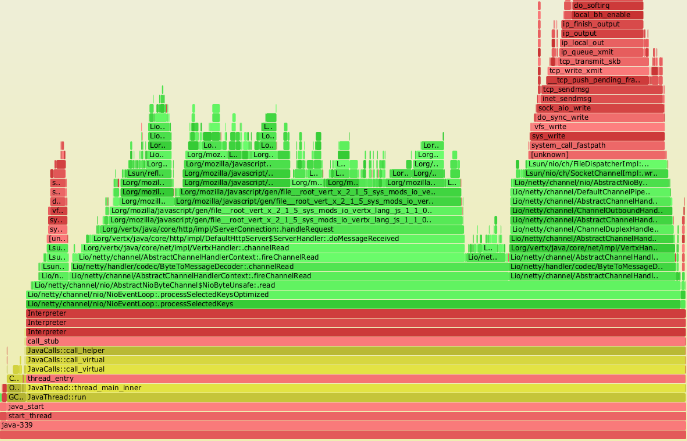
Flame graphs for Java on the JVM (2014)
That mission became a series of seminal contributions. Gregg developed the original JVM changes that enabled mixed-mode flame graphs, making it possible to see both Java and native code stacks in a single profile. He was an early pioneer in using eBPF for observability, helping to create the front-ends and tools that made it accessible to a wider audience. He also collaborated with Amazon to get PMCs enabled on EC2 and built the tooling to use them effectively.
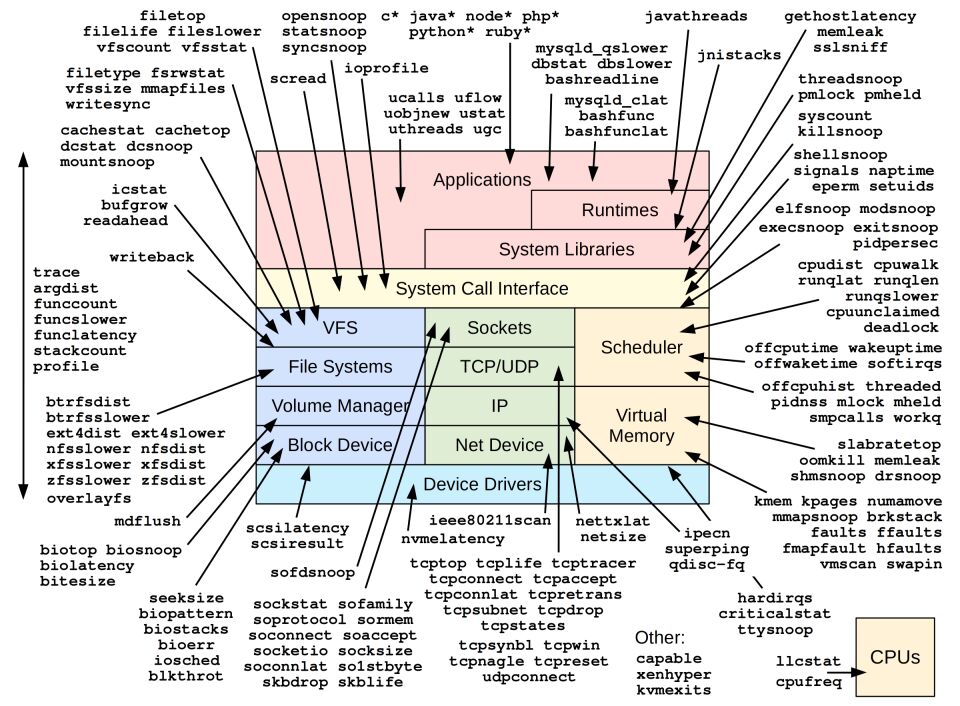
eBPF-based tracing tools developed at Netflix (2014–2019)
The result: low-level performance analysis is now possible in the cloud. At Netflix, flame graphs alone led to significant cost savings, and his work seeded a thriving industry of observability products.
A Diverse and Demanding Stack
Beyond tooling, Gregg spent much of his time helping teams debug and evaluate performance issues. The Netflix production environment is far from monolithic: AWS EC2, Ubuntu Linux, Intel x86, and primarily Java with some Node.js, running microservices, Cassandra, EVCache, Spinnaker, Titus, Apache Spark, Atlas, and FlameCommander. The CDN runs FreeBSD and NGINX—a distinction he noted publicly to explain the non-Linux choice. This heterogeneity provided a constant stream of interesting problems to explore, understand, and improve.
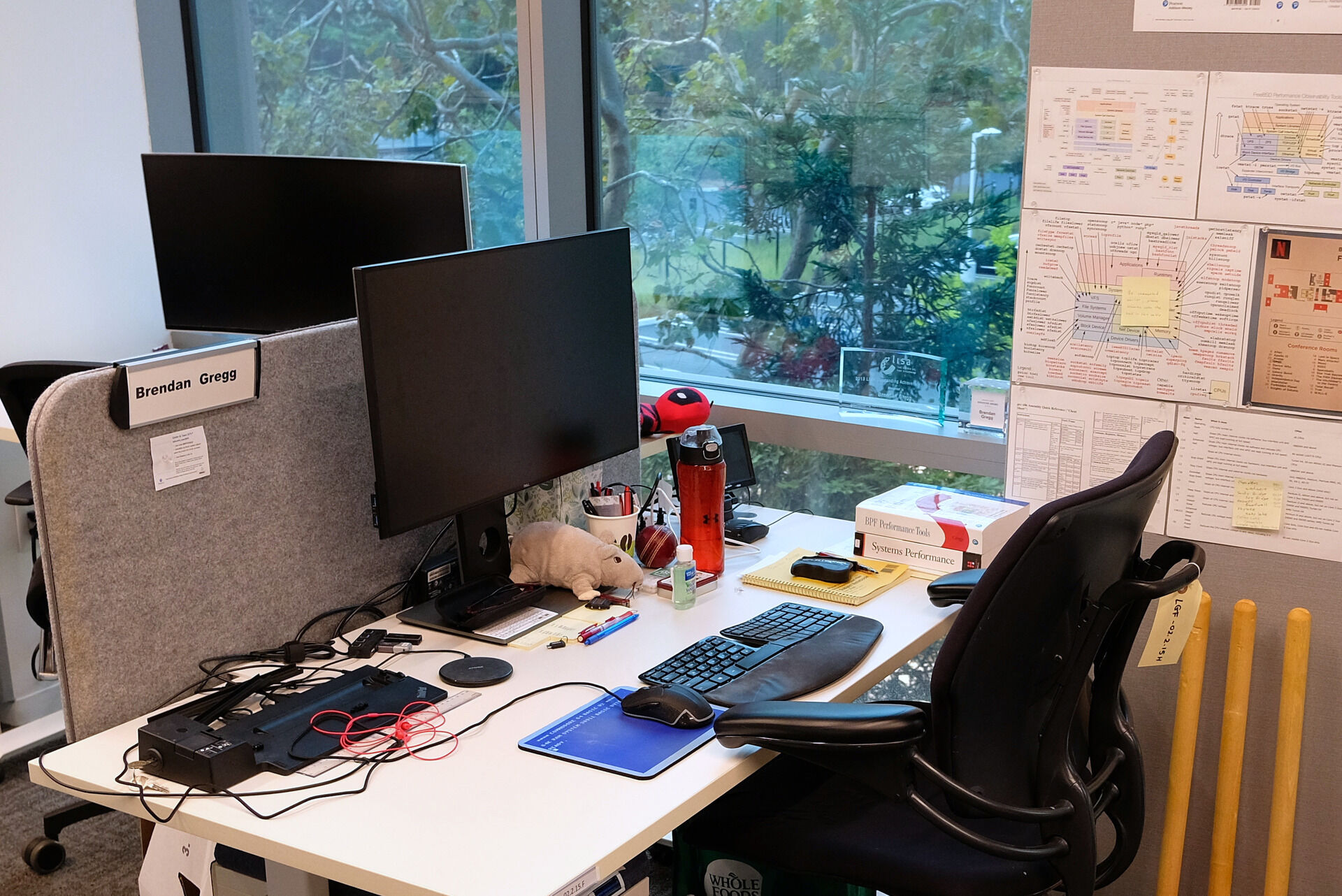
Gregg's pandemic-abandoned desk at Netflix (2020)
His work spanned more than just analysis. For 18 months, he rotated onto the CORE SRE team, serving as the primary contact for outages—work he describes as difficult but fascinating. He also created internal training materials and classes, and collaborated with teams across cloud engineering, Open Connect, studio, DVD, and content.
A Deliberate, Open Farewell
Gregg's post is notably transparent about his reasons for leaving. He acknowledges that he didn't share the reasoning behind a previous resignation, leading to speculation he compares to "The Prisoner." This time, he's making it clear: he had a great run at a great company, and no negative events prompted his departure.
He expresses gratitude to his former managers, Coburn and Ed, and to the broader technical communities that supported and built upon his work. He hopes his books—Systems Performance 2nd Ed. and BPF Performance Tools—will continue to serve Netflix and the wider audience in his absence.
Gregg will remain active on this blog, and the next chapter of his career is imminent. For now, he leaves a legacy of open-source tools and deep performance insight that has fundamentally changed how the cloud is observed and optimized.


