

GitHub Enterprise Server 3.1 enters release candidate
GitHub has made Enterprise Server 3.1 available as a release candidate, following up on the 3.0 release that introduced GitHub Actions, GitHub Packages, and GitHub Advanced Security to self-hosted instances. Version 3.1 consolidates feedback from that rollout and adds a round of new functionality aimed at speeding up development workflows and improving performance on large repositories.
The headline additions in this candidate include:
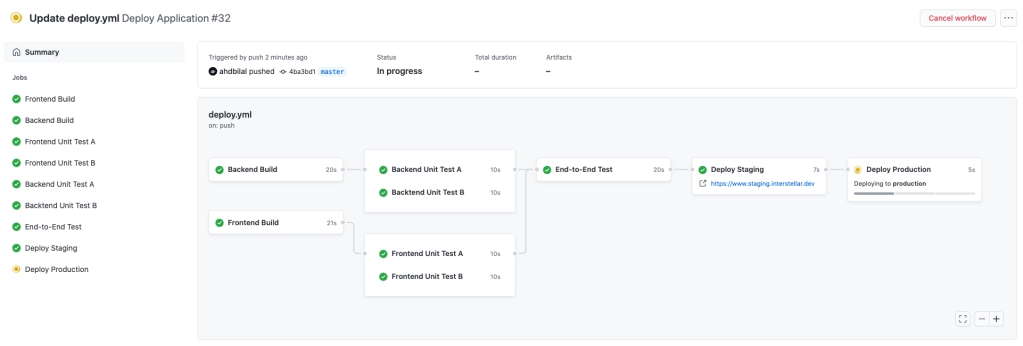
- Workflow visualizations for GitHub Actions (#88) that render a live graph of every step in a run
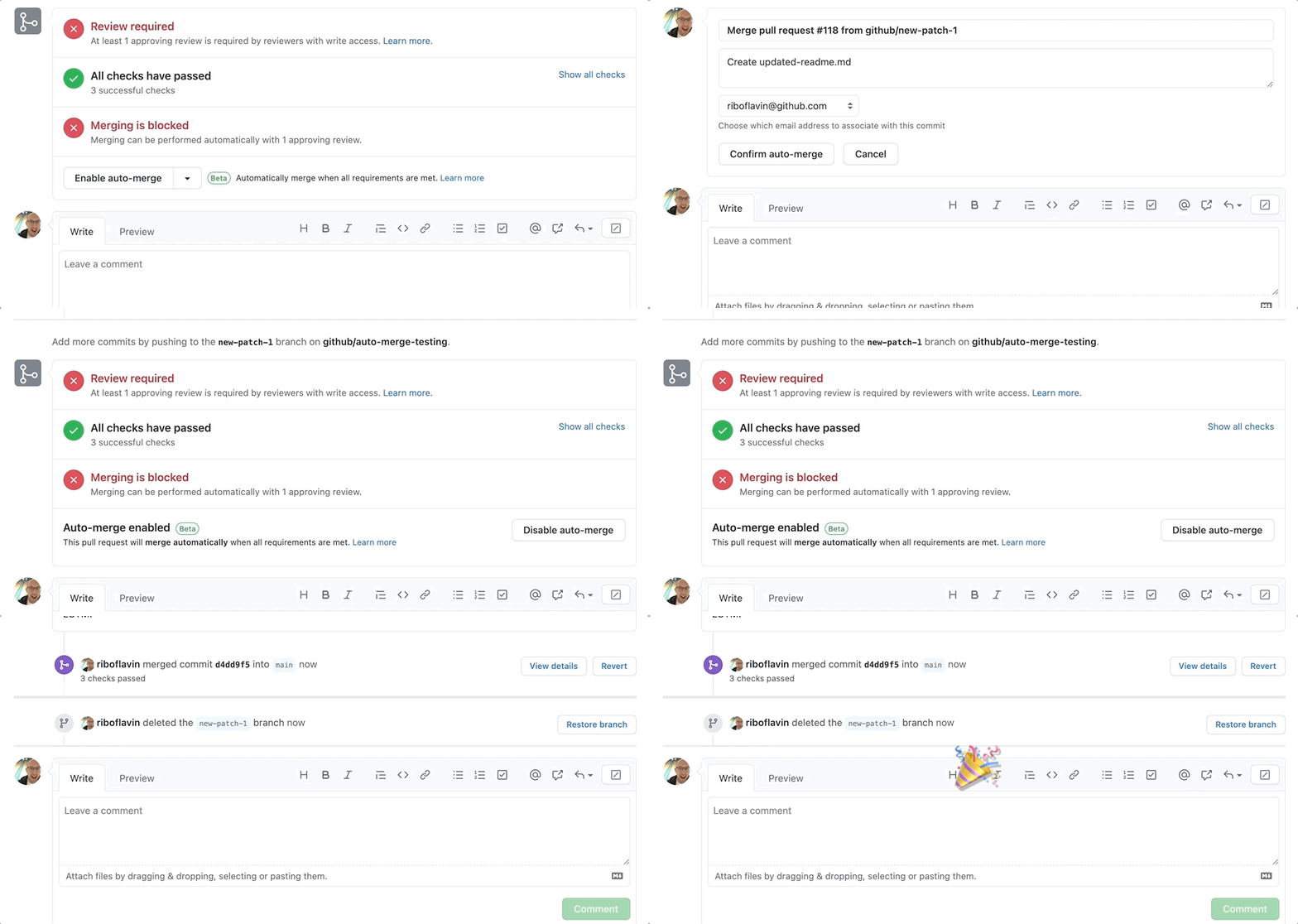
- Pull request auto-merge (#107) to handle merges once all requirements are satisfied
- Repository performance optimizations (#108) aimed at large, active monorepos
For GitHub Advanced Security customers, secret scanning moves to general availability (#106), and code scanning gains broader library and framework coverage.
Workflow runs at a glance
Actions now generates a visual graph for every workflow run. Each step updates in real time, so you can follow progress and jump straight into logs when a job fails. To view it, open the Actions workflow page and select a run. The graph makes complex multi-job workflows easier to track without paging through individual logs.
Fewer manual merge steps
Pull request auto-merge lets a request merge itself once all checks pass and required reviews are in. The option is available from both the web and mobile interfaces, so developers no longer need to wait around for CI to finish before clicking merge. Documentation covers setting it up.
Issue and comment editing also get small conveniences: Markdown list syntax is auto-completed, and related issue and pull request search is easier from the comment box. Notification preferences can now be set per repository by activity type, so you can limit alerts to the conversations that matter. More detail is in the notification controls post.
Security features harden
Secret scanning, which detects credentials when they are pushed to GitHub, is now generally available to Advanced Security customers. It recognizes patterns from over 35 partners and has been enabled across more than 90,000 private repositories, with over 2 million scans run on private Git pushes each week. Repository admins on Enterprise Server get immediate notification when a secret is committed. The 3.1 release also includes API additions and false-positive reductions from the beta phase of secret scanning.
CodeQL now flags more sources of untrusted user data thanks to new or improved support for 20 libraries and frameworks across C++, JavaScript, Python, Java, and Go. The full list of supported languages and frameworks is available here.
Faster writes for big repositories
The release targets a specific bottleneck for monorepo performance. When a Git reference updates during a push, GitHub takes a lock across all replicas short-, until they sync. During that window, checksums are computed and compared across replicas; normally that takes under 50ms, but during repair operations where checksums are rebuilt from scratch, it could take up to 30 seconds for large monorepos.
Enterprise Server 3.1 precomputes replica checksums before acquiring the lock, dropping lock time to under one second in all cases. Git write operations can thus proceed up to 30 times faster in repositories with heavy write traffic. The engineering write-up has more details.
Getting the candidate
The release candidate is available for download, with full notes in the Enterprise Server 3.1 release notes. GitHub advises installing candidates only on non-production environments and notes that support is available during the release candidate phase. More on the release candidate process is also posted.


