
Why Machine-Readable Data Matters
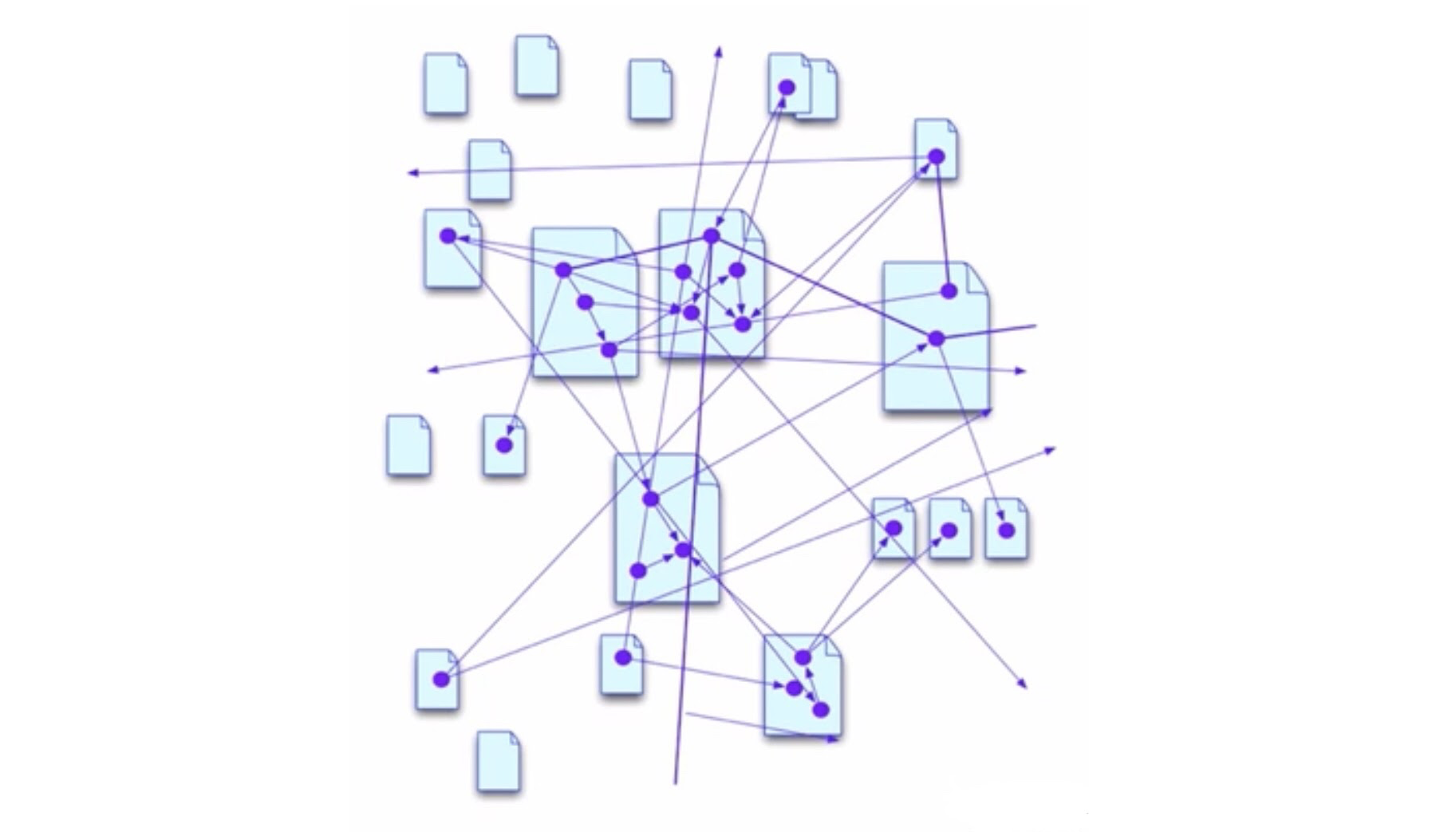
The idea of a machine-readable web predates the web itself. Tim Berners-Lee’s original 1989 proposal for what would become the World Wide Web already envisioned not just documents linked to other documents, but data linked to other data:
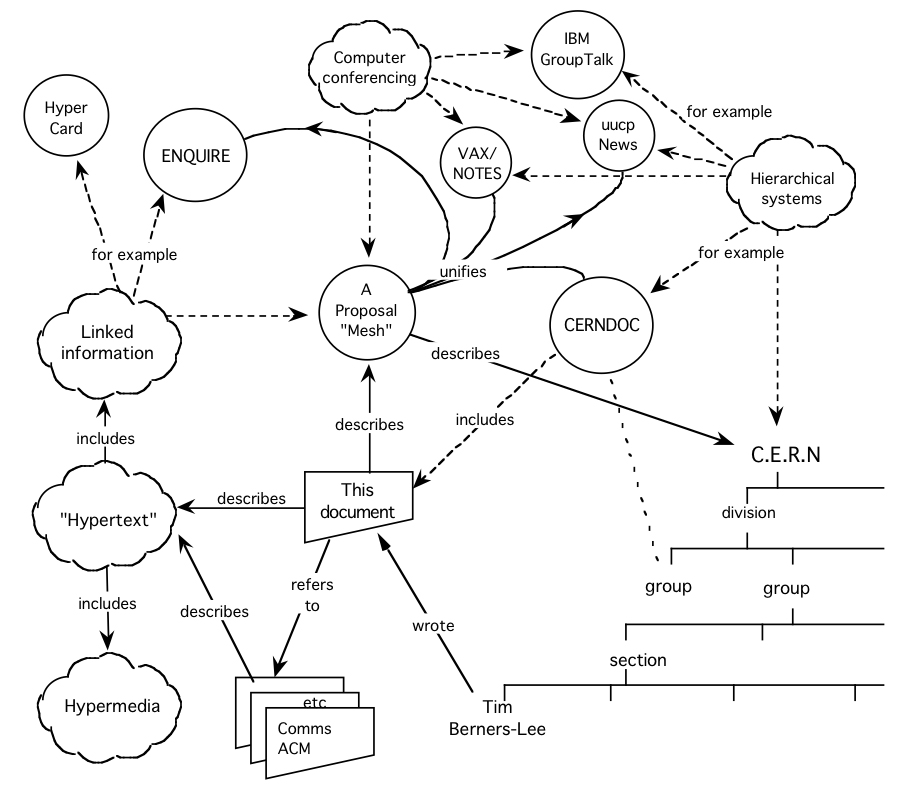
That vision has evolved over the decades into several overlapping concepts — open data, knowledge graphs, the Semantic Web itself. The W3C describes it as “an extension of the current web in which information is given well-defined meaning, better-enabling computers and people to work in cooperation.” The core premise is simple: metadata provides “a common framework that allows data to be shared and reused across application, enterprise, and community boundaries.”
The idea has attracted passionate advocates. Aaron Swartz, in his unfinished manuscript A Programmable Web, made the case for data over documents:
“Documents can’t really be merged and integrated and queried; they serve mostly as isolated instances to be viewed and reviewed. But data are protean, able to shift into whatever shape best suits your needs.”
Despite decades of advocacy, no single semantic markup has achieved the ubiquity of HTML or CSS. RDFa, OWL, and Schema.org have all attempted to claim that ground, but the barrier to entry remained high. Yet the Semantic Web has persisted, and it is now growing. Recent announcements — such as the Wikimedia Foundation’s July 2020 launch of Abstract Wikipedia — signal renewed momentum behind the effort to markup knowledge in language-independent ways.
What the Semantic Web Buys You
Why bother connecting data when linked documents already exist? The arguments for the Semantic Web typically reduce to a few concrete benefits:
- Richer, more sophisticated web experiences
- Bypassing content silos and internet monopolies
- Improved search engine readability and rankings
- Democratisation of information
All of these trace back to a single principle: a universal language for data. The current web remains heavily skewed toward a small set of languages, and that imbalance matters:
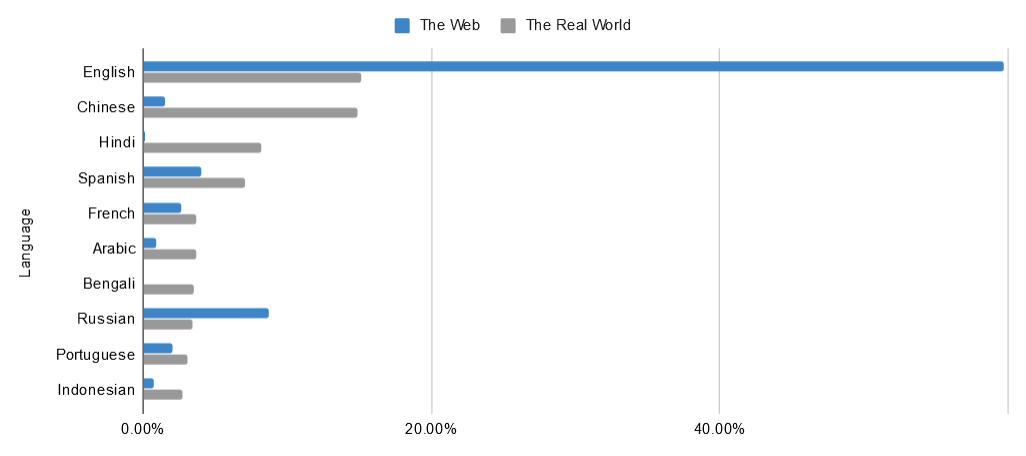
By enriching the data of the web, we take the strain off of its languages. Semantic markup bridges linguistic gaps because structured data can be translated, queried, and recombined independent of the human language it happens to be wrapped in.
This is precisely the goal of Abstract Wikipedia. Wikimedia Executive Director Katherine Maher explains: “Using code, volunteers will be able to translate these abstract ‘articles’ into their own languages. If successful, this could eventually allow everyone to read about any topic in Wikidata in their own language.”
Denny Vrandečić, creator of Abstract Wikipedia and a longtime Semantic Web advocate, frames the problem in terms of reach:
“No matter what language you publish your content in, you are going to miss out on including the vast majority of people in the world. The Web gave us this wonderful opportunity to have global reach — but by relying on a single language, or a small set of languages, we are squandering this opportunity. While the most important objective is to create good content in the first place, you invite more people to participate in the development of better content by being language-independent. It helps you lower the barriers to contribution and consumption, and it allows for many more people to benefit from that effort.”
The COVID-19 pandemic offered a recent, high-stakes demonstration of open data’s value. Widely shared, machine-readable datasets enabled sophisticated visualizations, reporting, and analysis across sites that would have been impossible if each outlet had to hand-curate the underlying numbers:
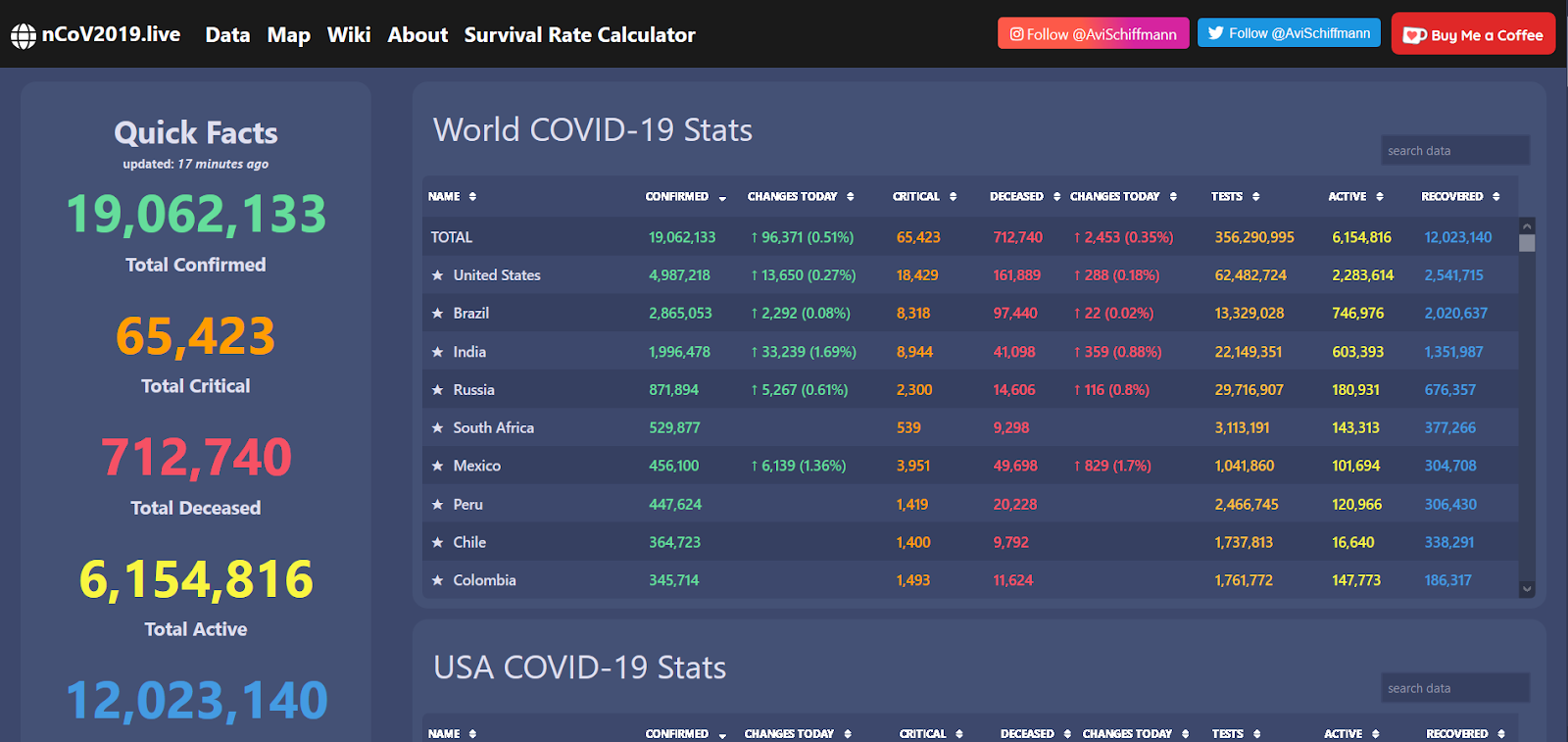
Open, well-structured data does more than enable convenience. When information is transparent and accessible, anomalies — or outright deception — become harder to hide. Two decades ago, expecting public access to the kind of granular data now commonplace was unthinkable; today, its absence raises suspicion.
Escaping the Walled Gardens
The Semantic Web also offers a path out of the content silos that typify the modern internet. It is easy to forget that third-party platforms like Google, Facebook, and Twitter are conveniences, not necessities. They exist largely because the underlying data formats are not interoperable enough to make switching trivial.
“If we had shared formats, shared protocols, we might still end up with certain providers playing a large role in certain markets — think of Gmail for email — but everyone is free to move to another provider, and the market remains competitive.”
Semantic markup is not always immediately rewarding for the site implementing it. But each site that adopts it adds one more link to a web of data that remains free, open, and platform-agnostic — today, that federation of structured information is one of the few credible counterweights to the concentration of the internet’s infrastructure.
The benefits of developing for the Semantic Web are not always immediate, or visible, but every site that does strengthens the foundations of an open, transparent, decentralized internet.
Turning Content Into Data
Semantic Web development in practice means treating your content as a dataset first. Whether you are building a new site or refurbishing an existing one, the goal is the same: identify which parts of your content can be abstracted into structured data and mark them up accordingly.
James Hendler's DIVE ethos provides a useful framework for this exercise:
- Discover: Find datasets and content, including sources outside your own organization.
- Integrate: Link relations using meaningful labels.
- Validate: Provide inputs to modeling and simulation systems.
- Explore: Develop approaches to turn data into actionable knowledge.
Consider a common example: a recipe blog. Without structured markup, a French soufflé recipe written on a personal blog is only useful to French readers. By adding semantic markup alongside formats like Microdata, RDFa, or JSON-LD, that same post becomes part of a machine-readable dataset. Schema.org defines properties such as prepTime, recipeYield, recipeIngredient, nutrition, and suitableForDiet for exactly this purpose. The visible format of the post doesn't change at all; you're simply making the information comprehensible to machines.
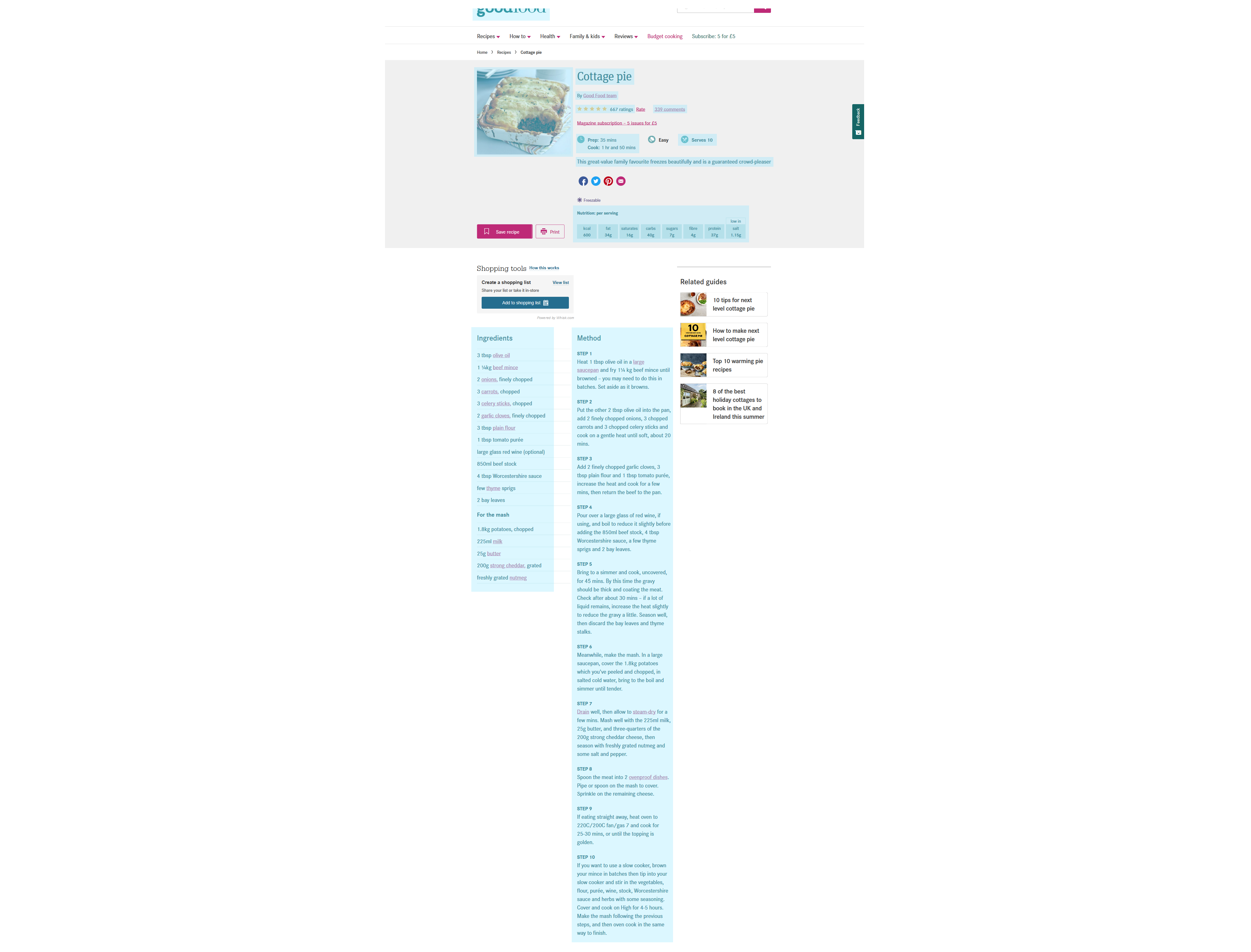
Semantic markup of recipes unlocks uses beyond richer search results. Home assistants can retrieve and read out the instructions, ingredient lists can be pushed to a supermarket ordering service, and filters for diet, allergies, religion, or cost become trivial. A database of recipes could even be queried with a list of what's in your pantry, returning only dishes you can actually make. As Aaron Swartz noted, data is protean: once you have it, applications multiply.
A more personal case study comes from a music review webzine run by the author and friends. After five years of weekly album reviews, the site had nearly 250 posts full of scores, favorite tracks, release dates, and artist information — none of it structured. During a redesign, the team realized this was exactly the kind of content that could be marked up. Artists, album names, artwork, release dates, and individual reviewer scores all had semantic counterparts. More importantly, they could connect their content to MusicBrainz, an existing music database.

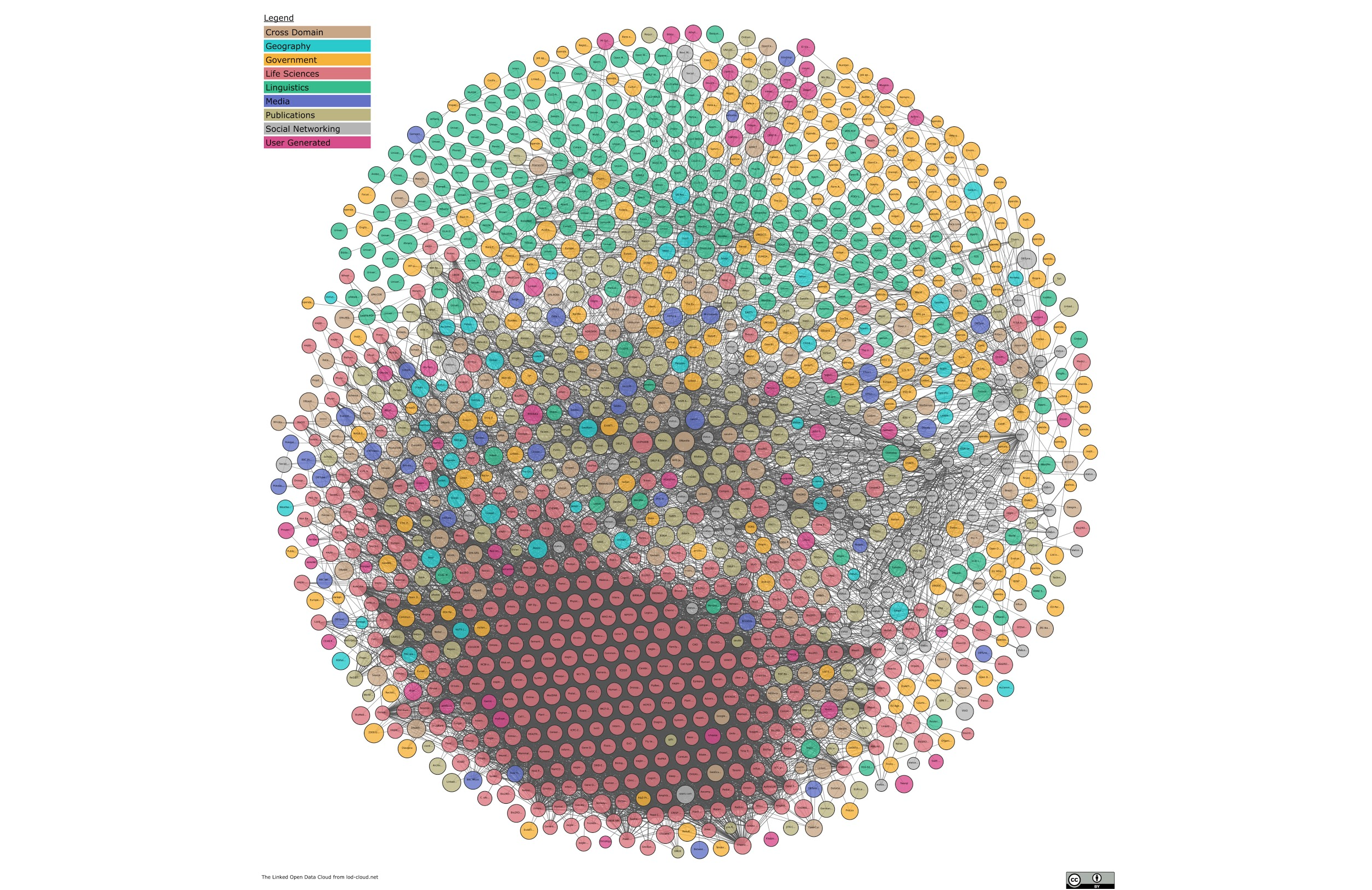
That two-way connection is the crux of the Semantic Web. By contributing thousands of unique data points to an ecosystem and linking to an established database, each review gains context and value. The same words remain on the page, but now they plug into what Tim Berners-Lee called the Giant Global Graph. Identifying your own data, marking it up, and then finding where it connects to other data — because it always does — is the core practice of developing for the Semantic Web.
Implementation and Resources
The ideal is connection: make data, share data, and pull in data that already exists. Several public databases are willing contributors to this ecosystem, including DBPedia, MusicBrainz, WorldCat, and ISBNdb. For many, it makes sense to become a contributor rather than just a consumer.
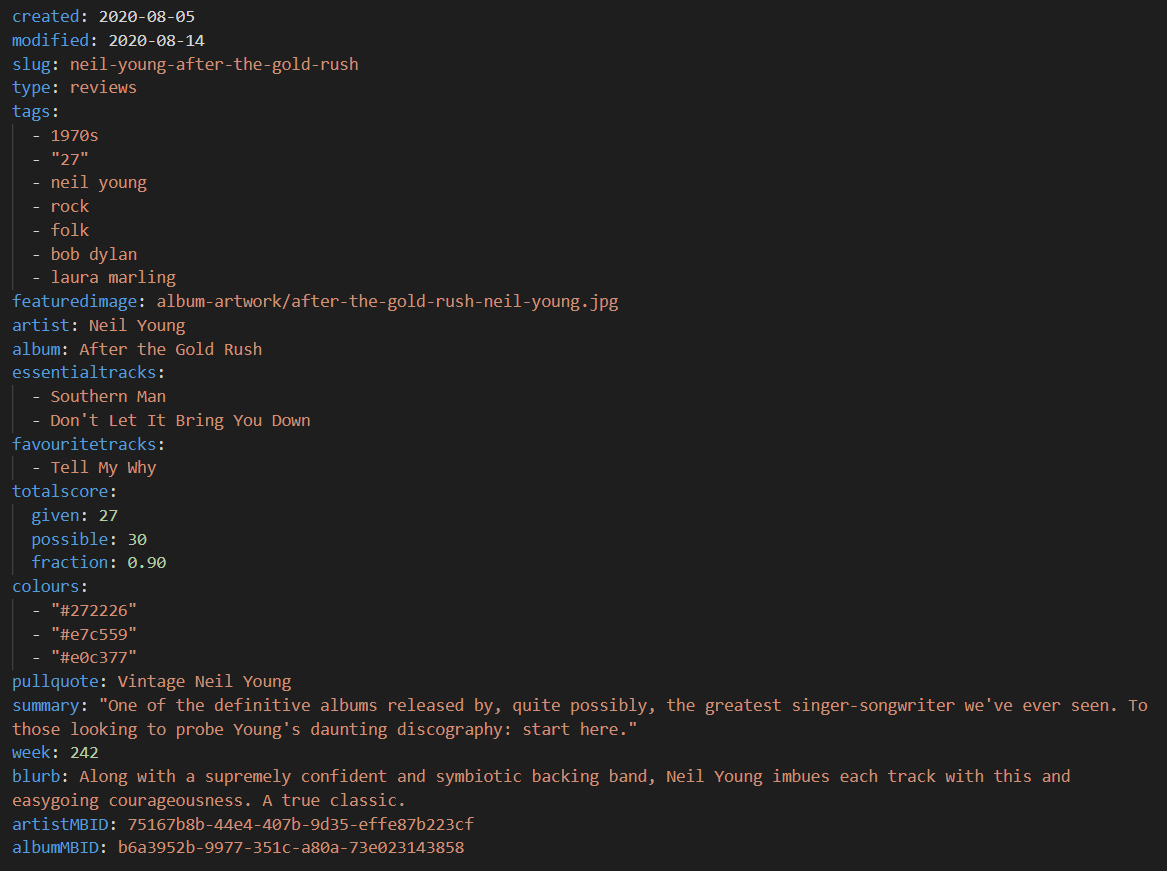
Nobody should be marking up documents by hand. Templating is the practical path forward. With a static site generator like Eleventy, custom inputs and semantic markup can be baked directly into the template layer. The music webzine, for instance, uses Markdown for posts but now includes structured metadata fields for each review, which the template renders into machine-readable markup.
<script type="application/ld+json">
    {
  "@context": "https://schema.org/",
  "@type": "Review",
  "reviewBody": "One of the definitive albums released by, quite possibly, the greatest singer-songwriter we've ever seen. To those looking to probe Young's daunting discography: start here.",
  "datePublished": "2020-08-14",
  "author": [{
    "@type": "Person",
    "name": "André Dack"
  },
            {
    "@type": "Person",
    "name": "Frederick O'Brien"
  },
            {
    "@type": "Person",
    "name": "Marcus Lawrence"
  }],
  "itemReviewed": {
    "@type": "MusicAlbum",
    "name": "After the Gold Rush",
    "@id": "https://musicbrainz.org/release-group/b6a3952b-9977-351c-a80a-73e023143858",
    "image": "https://audioxide.com/images/album-artwork/after-the-gold-rush-neil-young.jpg",
    "albumProductionType": "https://schema.org/StudioAlbum",
    "albumReleaseType": "https://schema.org/AlbumRelease",
    "byArtist": {
        "@type": "MusicGroup",
        "name": "Neil Young",
        "@id": "https://musicbrainz.org/artist/75167b8b-44e4-407b-9d35-effe87b223cf"
    }
  },
  "reviewRating": {
    "@type": "Rating",
    "ratingValue": 27,
    "worstRating": 0,
    "bestRating": 30
  },
  "publisher": {
    "@type": "Organization",
    "name": "Audioxide",
    "description": "Independent music webzine founded in 2015. Publishes reviews, articles, interviews, and other oddities.",
    "url": "https://audioxide.com",
    "logo": "https://audioxide.com/logo-location.jpg",
    "sameAs" : [
    "https://facebook.com/audioxide",
    "https://twitter.com/audioxide",
    "https://instagram.com/audioxidecom"
  ]
    }
}

    </script>
Where there was once only text, each review page now exposes its scores, release information, and author details as structured data. Rich search results, interactive statistics, and connections to MusicBrainz all become possible without changing the reader's experience. The right markup depends on your content, but it almost certainly exists. Starting with basics like hCard for identity or date and author fields for articles, then working into the specific domain of your site, can yield substantial benefits.
Printing out a page and annotating it as a data exercise is a practical first step. You will likely find more abstraction opportunities than expected.
The Cultural Imperative
Semantic Web practice reaches back to the founding ideals of the internet, regardless of whether your motivation is better data visualizations, more sophisticated search results, or the belief in free and open information. Aaron Swartz framed it as a bet that tools for easy collaboration would unlock wonderful possibilities. Denny Vrandečić of Abstract Wikipedia makes a similar case today for common standards and protocols in web infrastructure.
No silver-bullet language has emerged, but the existing standards have coexisted long enough to make the founding dream a practical reality. As Berners-Lee put it, it's a cultural shift as much as a technical one: make linked data, demand linked data. Each project is an opportunity to ask "Can this plug into the Semantic Web?" and to let that question shape the result.


