
A Year of Reckoning Reshapes Digital Design
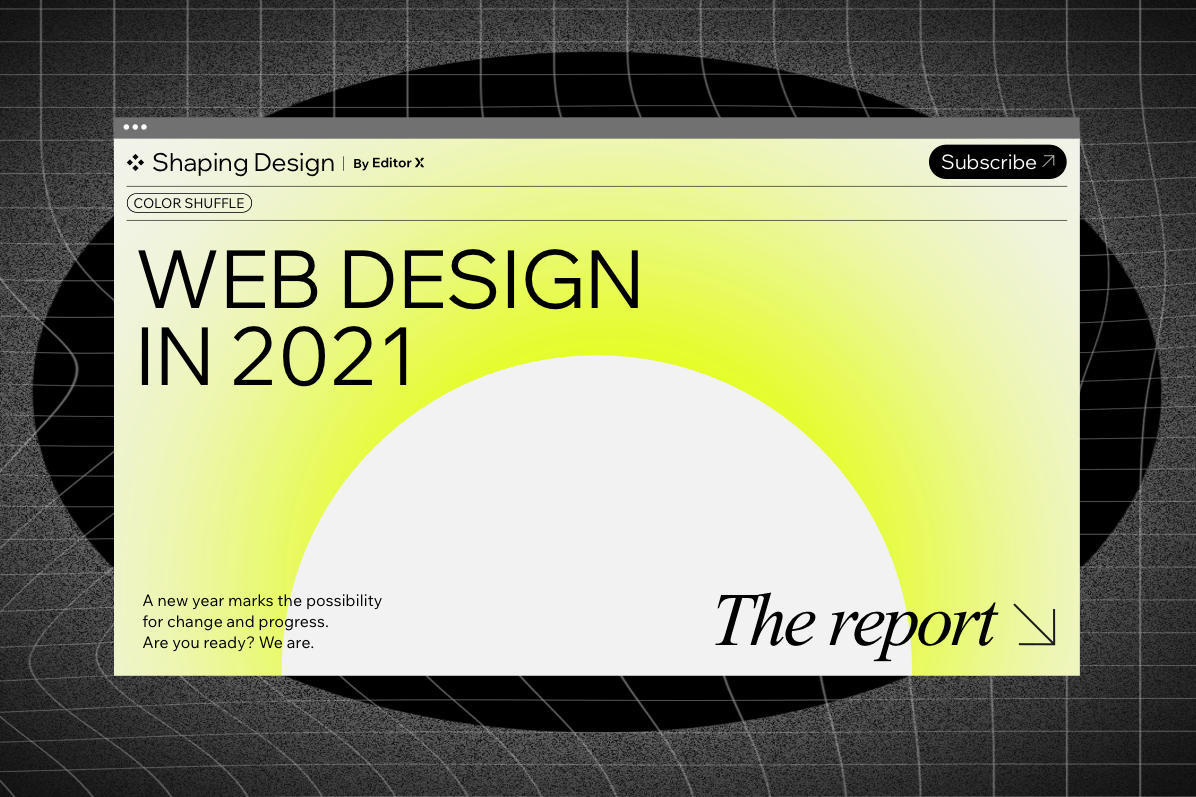
The disruptions of 2020 forced both consumers and the companies that serve them to reconsider long-held assumptions. For designers, the year served as a catalyst, accelerating shifts in how interfaces are built and what messages they carry. A new interactive report from Editor X, published on its Shaping Design platform, examines these changes through dozens of real-world examples and offers a glimpse at the directions web design is taking in response.
The report itself doubles as a demonstration piece, built on Editor X's web creation platform and packed with interactions that illustrate the trends it covers. Rather than a static list of predictions, it frames these movements as direct reactions to a year of global upheaval.
Interfaces That Adapt to the Individual
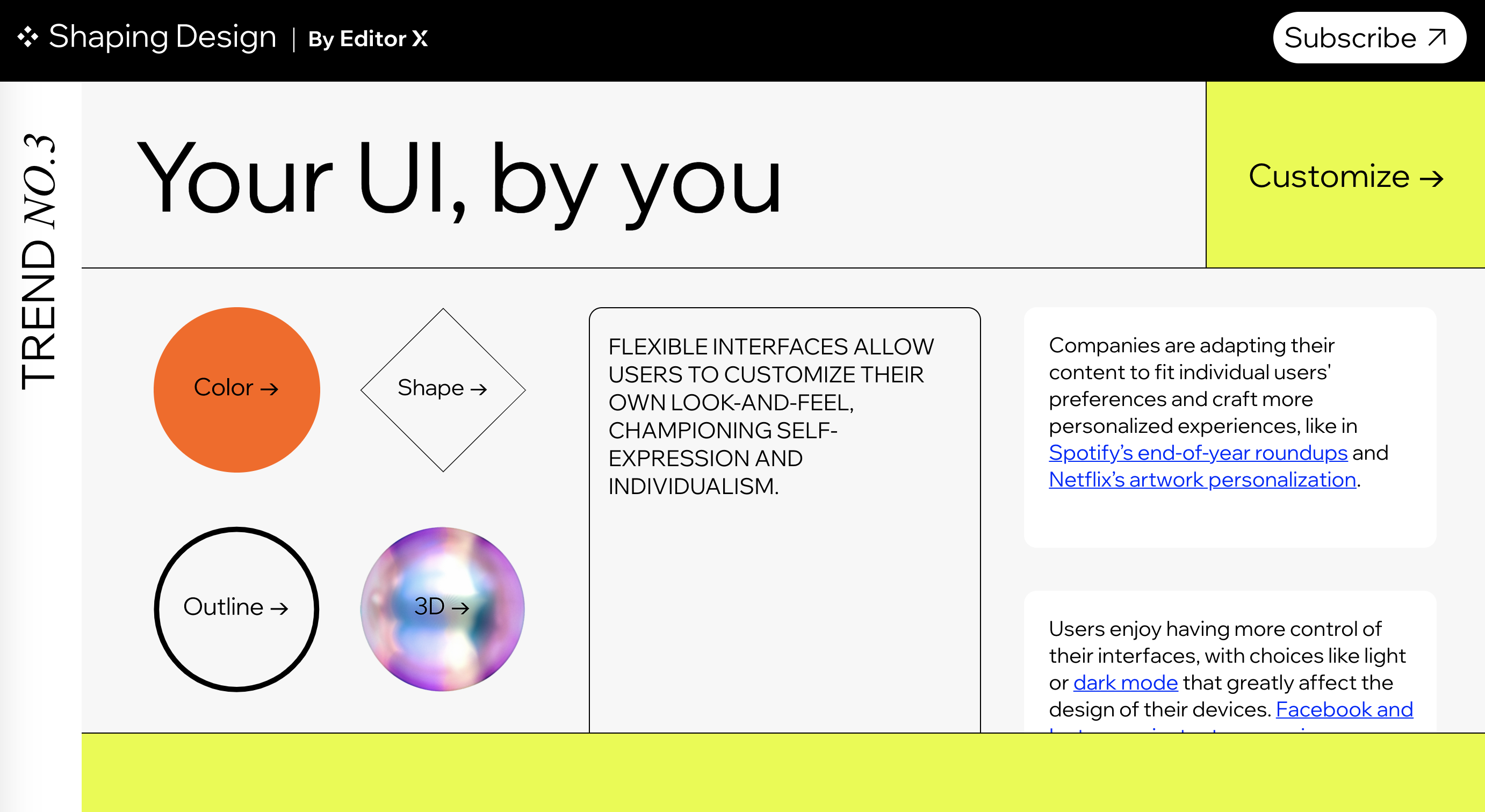
Personalization has long meant adjusting recommendations based on browsing history. The next stage goes considerably further. Interfaces are beginning to shift their very structure and presentation based on a visitor's environment and identity. This covers familiar ground like dark and light mode, color themes, text sizing, and reduced-motion preferences, but extends into far more dynamic territory.
Future sites may check available bandwidth and decide whether to load web fonts or heavy parallax effects on a slow connection. Device memory and personal interests could factor into the experience as well. The result is a move away from a single designed system toward a spectrum of distinct experiences, each tailored specifically to the person viewing it. For designers, this means building flexible frameworks rather than static pages.
Brands Step Into the Fray
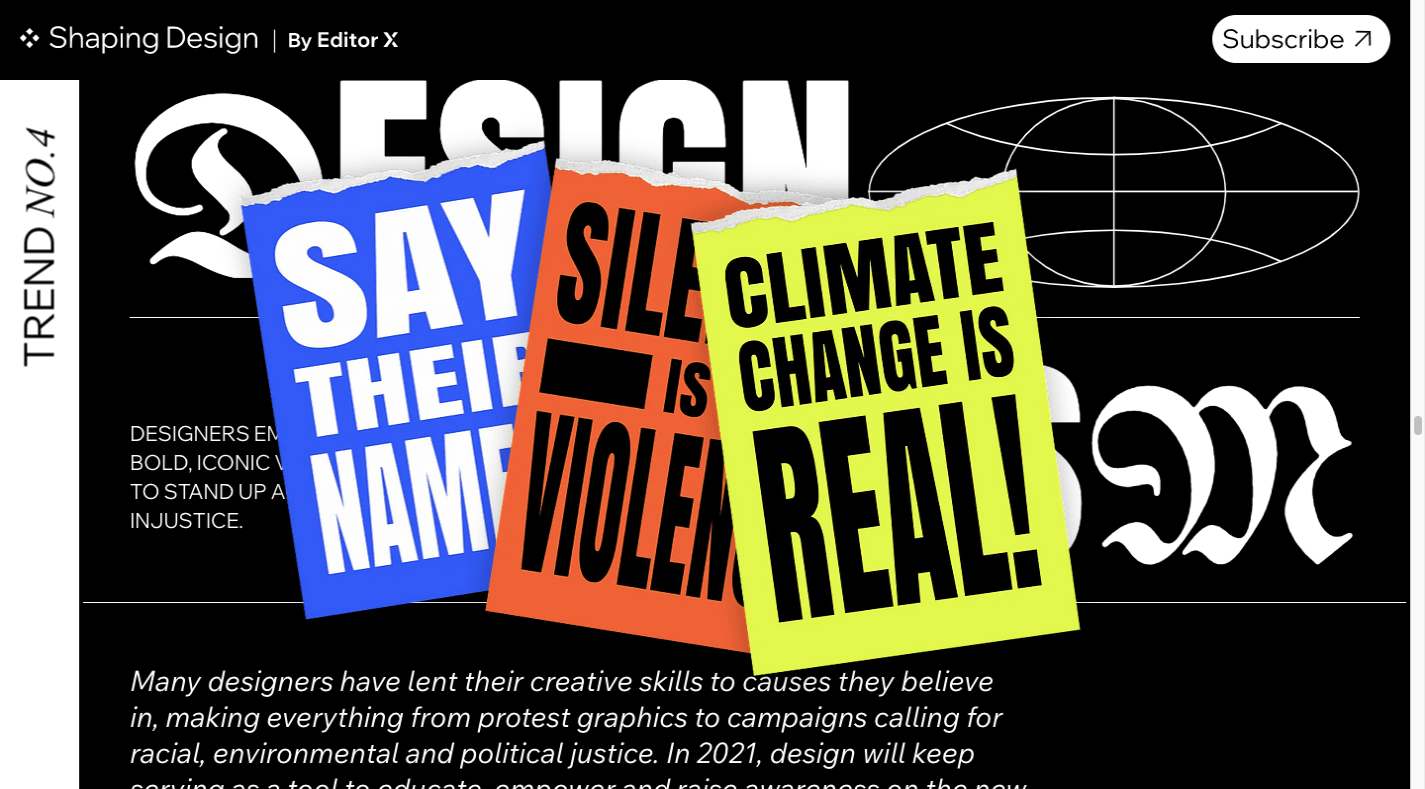
Silence on social and political issues is increasingly read as a statement in itself. Consumers are choosing to support brands whose values align with their own, and they expect those values to be visible. The report notes that in 2021, activism will not be relegated to a single corporate responsibility page; instead, brands, agencies, and designers are expected to take public stands with bold visual language.
This push for advocacy drives demand for distinctive, custom design assets—bespoke typefaces, illustrations, and icon systems that communicate a clear message. Designers will need to respond quickly to ongoing events with visuals that leave no doubt about their position. The report also anticipates more diverse and inclusive representation across illustrations, copy, and promotional content, with a broader range of voices shaping the work.
A Lighter, More Human Tone
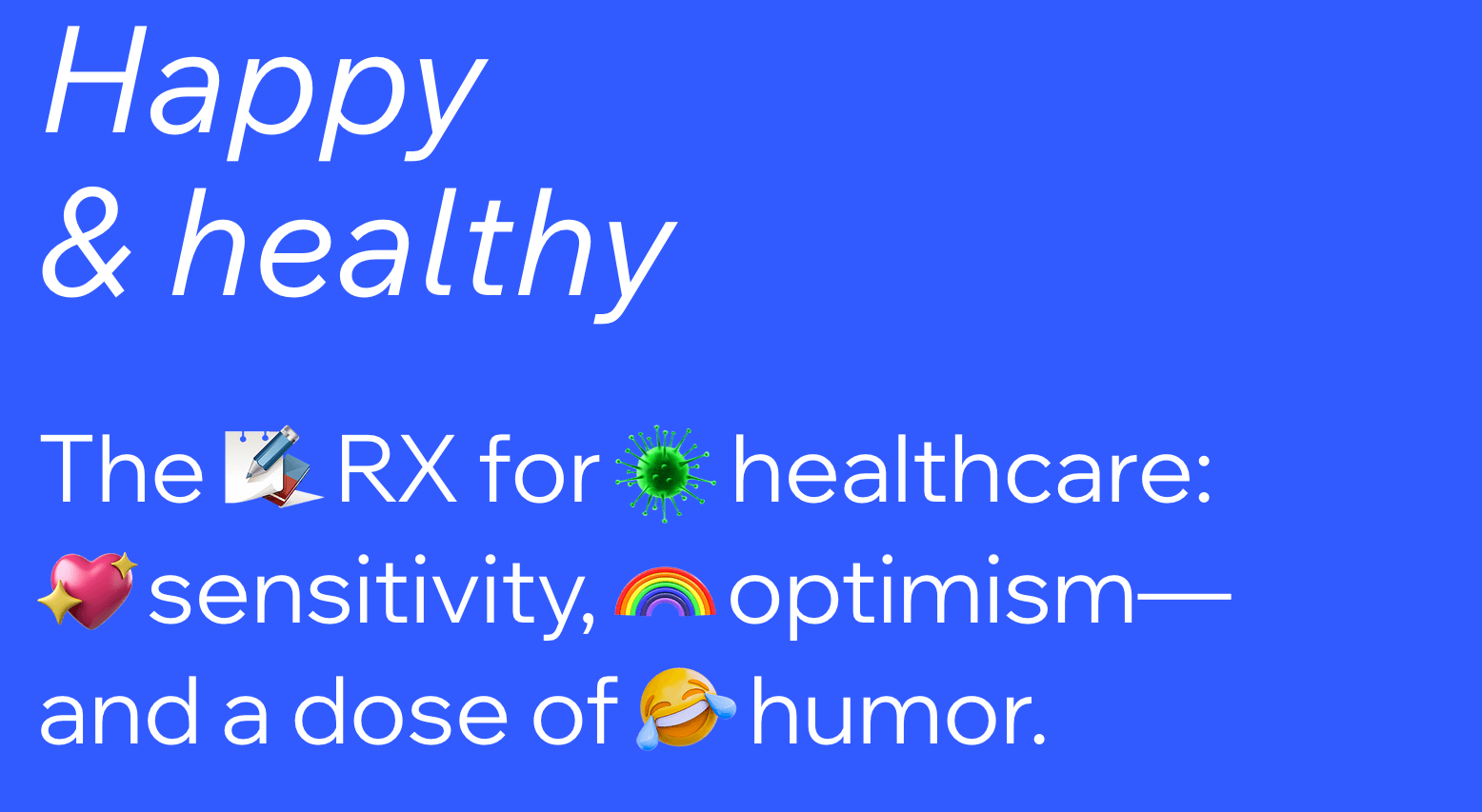
After a year marked by isolation and uncertainty, the report argues that optimism has become a necessary design tool. The web is expected to reflect a calmer, more playful mood through brighter color palettes, dreamier typography, and messages that feel authentic and personal. Brands are moving away from polished corporate speak toward honest, supportive communication with room for humor.
Practical considerations underpin this emotional shift as well. The report predicts a stronger emphasis on privacy, data protection, and the environmental impact of online platforms. Users are seeking inclusive and safe spaces for genuine conversation, and the platforms they use will need to demonstrate care for both people and the planet.
Nostalgia as a Point of Difference
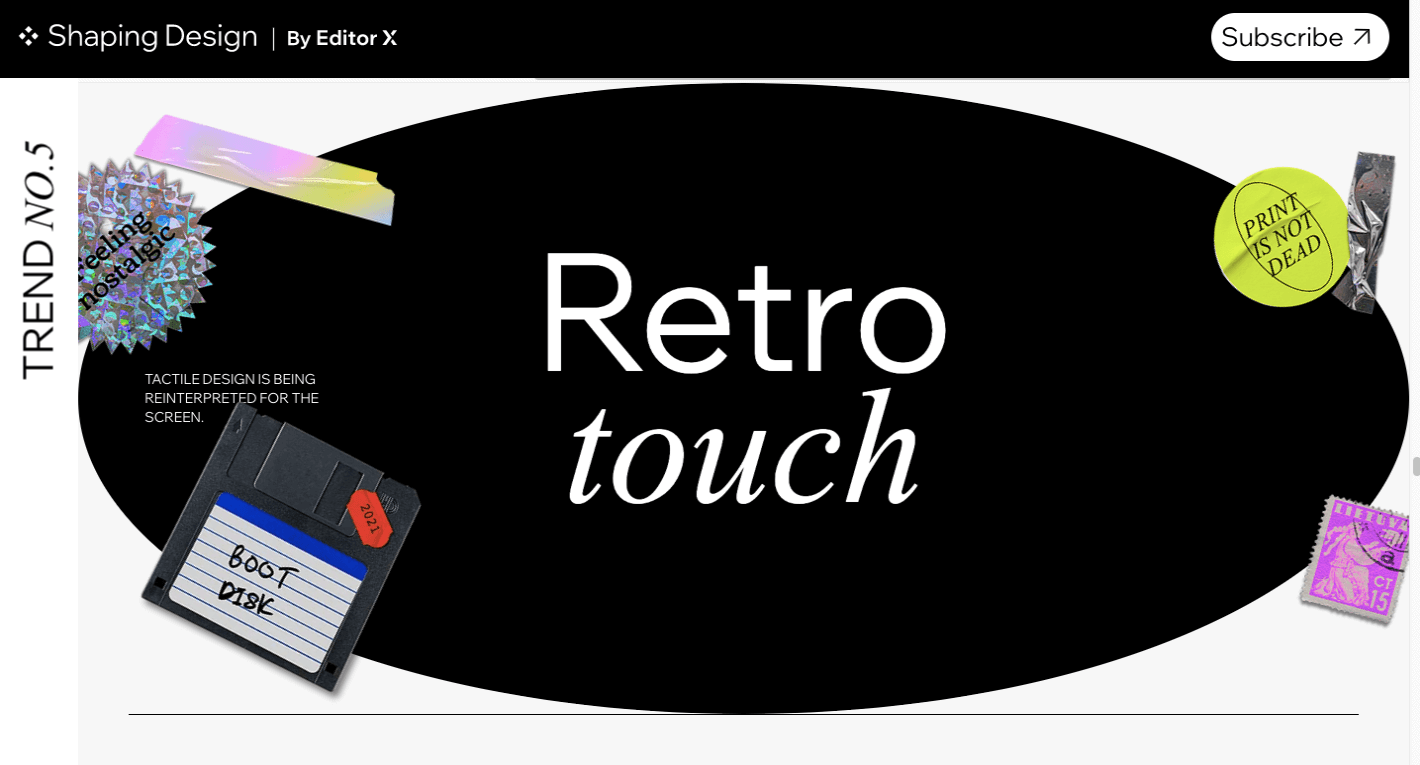
Despite the web's convenience, designers are looking backward for inspiration. The report notes a growing interest in retro motifs—floppy disks, vintage stamps, pixel art, and other artifacts from the early digital era. After years of flat design dominance, these elements offer a contemporary way to reintroduce depth and texture into online experiences.
Ironically, crafting these throwback designs requires breaking many of the conventions established over the past decade. Unusual layouts, quirky patterns, and unpredictable interactions fly in the face of standardized grids and components. In a landscape where so many sites look alike, this deliberate deviation offers a path to visibility. Brands seeking attention are increasingly willing to embrace a touch of themed nostalgia to stand apart.
Personal Reckonings From Industry Leaders
Beyond the aesthetics, Shaping Design's report includes conversations with prominent designers about how the past year altered their professional trajectories. The interviews with Debbie Millman, Pentagram's Natasha Jen and Marina Willer, and others address the realities of remote work, social tensions, and the climate crisis.
Mitzi Okou, co-founder of "Where Are the Black Designers," describes leaving her tech job to focus on amplifying Black voices in design, a career change she says she never anticipated. Aarron Walter similarly pivoted from his role to a position at Resolve to Save Lives, a public health nonprofit. He explains that the pandemic prompted reflection on how his time was spent and clarified his desire to contribute to the greater good.
These personal stories underscore a broader theme of the report: that the events of 2020 have prompted a fundamental reevaluation of purpose for many in the industry, with significant implications for the work they choose to pursue.

The Shape of What Comes Next
The overarching message from the report is that design is no longer just about aesthetics or usability, but about responsiveness to a changed world. The role of the designer, the report suggests, is not merely to follow trends but to shape them. The trends it identifies—adaptive interfaces, activist branding, optimistic messaging, and nostalgic visuals—are all tools for that task.
The full interactive report, including all examples and references, is available through Editor X's web design trends page. The companion interviews can be found on Shaping Design.