
Cloudflare Backs HBCU Smart Cities Challenge
Cloudflare is supporting the HBCU Smart Cities Challenge, an initiative inviting all Historically Black Colleges and Universities (HBCUs) across the U.S. to build technology solutions for real community problems. The partnership includes volunteer mentors from Cloudflare, plus an opportunity for participating student projects to apply for Project Galileo.
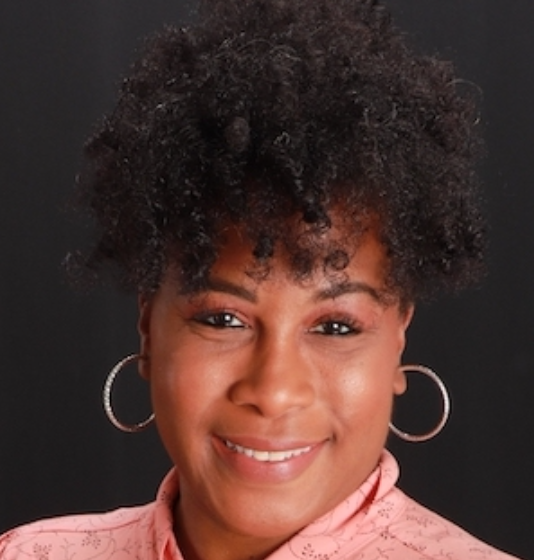
Project Galileo provides free cybersecurity protection to organizations—including free speech, public interest, and civil society groups—that are especially vulnerable to cyber attacks. With over three years at Cloudflare, I understand how meaningful this is: helping bridge the digital accessibility gap by securing websites and optimizing performance, which is more critical than many imagine.
Why HBCUs matter
An HBCU is defined as any historically black college or university established before 1964 whose principal mission was—and remains—the education of black Americans, with accreditation from a nationally recognized agency affirmed by the Secretary of Education. I graduated from Lincoln University of Pennsylvania, the nation's first degree-granting HBCU.
Research suggests HBCUs close the socioeconomic gap for Black students more effectively than other higher-education institutions. My own path reflects that: coming from a low-income background, I became the first college graduate in my family. HBCUs offer a supportive, united, and safe environment for those from the African diaspora, equipping students to do their best.
The challenge itself
Student teams tackle a broad array of real issues. Example problem areas include water management in Tuskegee, AL; broadband and security access in Raleigh, NC; public health in Columbia, SC; and affordable housing in Winston-Salem, NC. Applying smart technology to live community needs helps upgrade existing local infrastructure.
Over several months, participating students—from developers and engineers to designers and entrepreneurs—develop Internet of Things (IoT) applications to solve these problems. In October, Cloudflare joined an HBCU Smart Cities town hall discussion. We encouraged local leaders to think of current broadband investments as the foundation for Smart Cities infrastructure. Once solid infrastructure is in place, Smart Cities applications can be built on top to be fast, reliable, and secure—essential for systems residents depend on daily.
Two participants shared their perspective on the effort:
"As the council person for District 1 in the City of Tuskegee, which represents Tuskegee University, as the Council liaison for the HBCU Smart Cities Challenge, as a Tuskegee native, and as a Tuskegee Institute, (now University) alumnae, I am delighted to be a part of this collaboration. Since the days of Dr. Booker T. Washington, the symbiotic relationship between the Institute (now University) and the surrounding community has been acknowledged as critical for both entities and this opportunity to further enhance that relationship is a sure win-win!"- Norma McGowan Jackson, District 1 Councilwoman of City of Tuskegee
"The HBCU Smart Cities Challenge has helped me to better understand that even though we live in an unpredictable world, our ability to learn and adapt to change can make us better innovators. I’m super grateful to have the opportunity to reinforce my problem-solving, creativity, and communication skills alongside like-minded HBCU students who are passionate about making a positive impact in our community."- Arnold Bhebhe, Junior at Alabama State University majoring in computer science
Building on a legacy
For me personally, attending an HBCU was one of the best decisions I've made—seeing figures like Vice President Kamala Harris, a Howard University graduate, affirms that choice. Having the chance to build on the brilliance of today's HBCU students is a great honor; nearly 25 years ago, I was in their shoes.
To protect the student-built websites emerging from these projects, Cloudflare has extended an invitation for program participants to apply for Project Galileo. Meanwhile, the HBCU Smart Cities Challenge continues seeking further mentors, sponsors, partners, and student resources. Those interested can learn more via the challenge website.


