

From “Stay Gold” to a Guaranteed Minimum Income
In 1931, at the height of the Great Depression, James Truslow Adams defined the American Dream not as “a dream of motor cars and high wages merely,” but as “a dream of social order in which [everyone] shall be able to attain to the fullest stature of which they are innately capable, and be recognized by others for what they are, regardless of the fortuitous circumstances of birth or position.”
I spent months asking Americans what that dream means to them today. The answer crystallized for me at a high school production of S.E. Hinton’s The Outsiders, where I finally understood the novel’s famous “stay gold” refrain: the dream is incomplete until we share it with our fellow Americans. That act of sharing is its final realization.
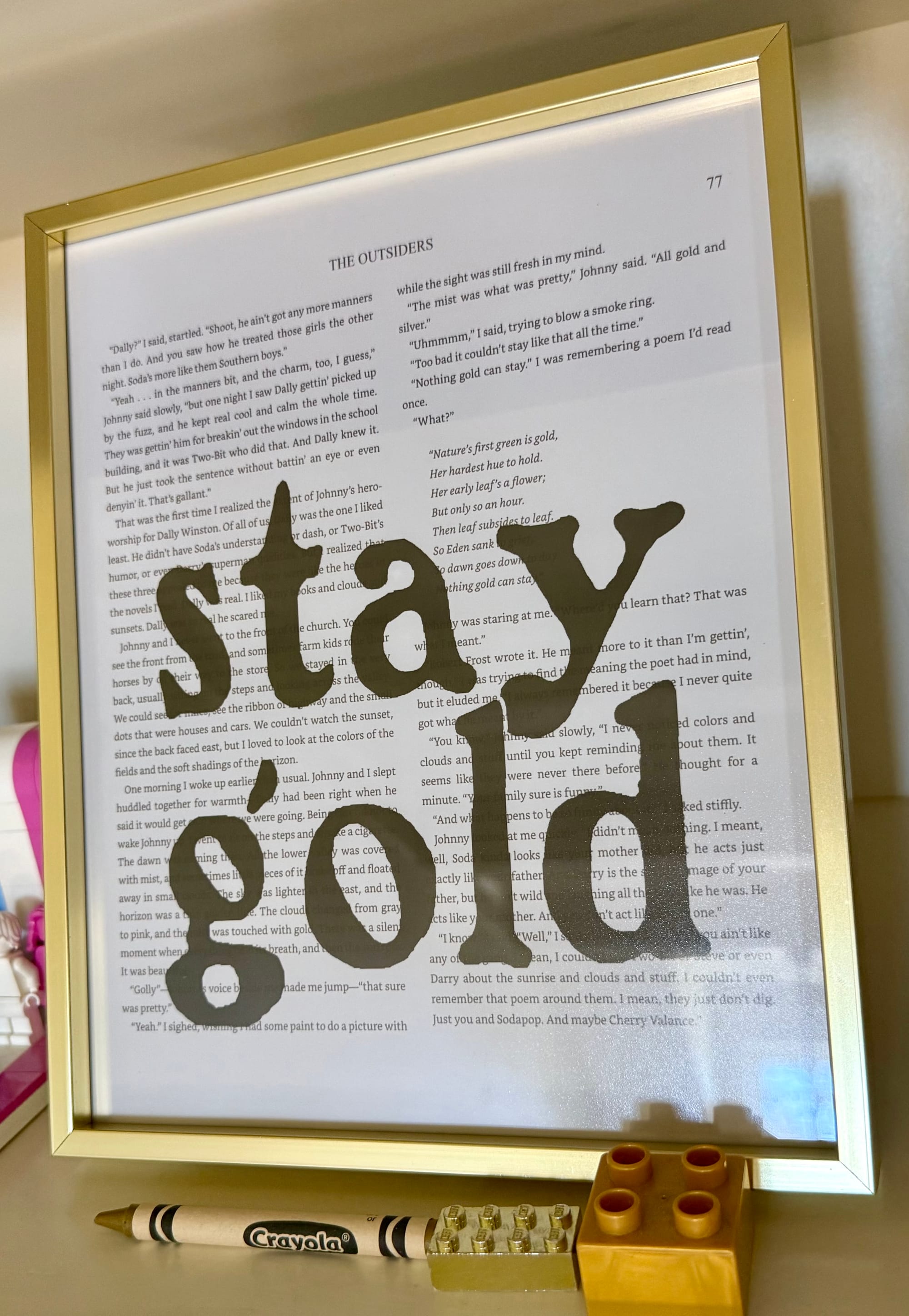
This realization became the basis for my essay, “Stay Gold, America,” published on January 7th, along with a Pledge to Share the American Dream. In the short term, my family made eight one million dollar donations to organizations including Team Rubicon, Children’s Hunger Fund, PEN America, The Trevor Project, NAACP Legal Defense and Educational Fund, First Generation Investors, Global Refuge, and Planned Parenthood. We also made additional one million dollar donations to reinforce technical infrastructure in America — Wikipedia, The Internet Archive, The Common Crawl Foundation, Let’s Encrypt, independent internet journalism, and other open source software projects that power much of the world.
But short-term fixes are not enough. Over the next five years, my family pledges half our remaining wealth toward long-term efforts ensuring all Americans have fair access to the American Dream.
Wealth Concentration: The First vs. Second Gilded Age
My own path to the American Dream was rocky. My parents were born into deep poverty in Mercer County, West Virginia, and Beaufort County, North Carolina, and our family eventually clawed its way to the bottom of the middle class in Virginia. That foundation — unconditional parental love and a solid public education culminating in an affordable state education at the University of Virginia — made all the difference.
I’ve been concerned about wealth concentration since watching a 2012 video on the subject. We have now entered the period of greatest wealth concentration in American history. As of 2021, the top 1% of households controlled 32% of all wealth, while the bottom 50% held only 2.6%. Wealth concentration has only intensified since.
We can no longer say “Gilded Age” — we must say “The First Gilded Age.” In our second Gilded Age, more and more people find their path to the American Dream blocked. Unaffordable education, inaccessible healthcare, and lack of affordable housing don’t just disadvantage people — they trap them, often under massive debt, without a stable foundation to build a life.
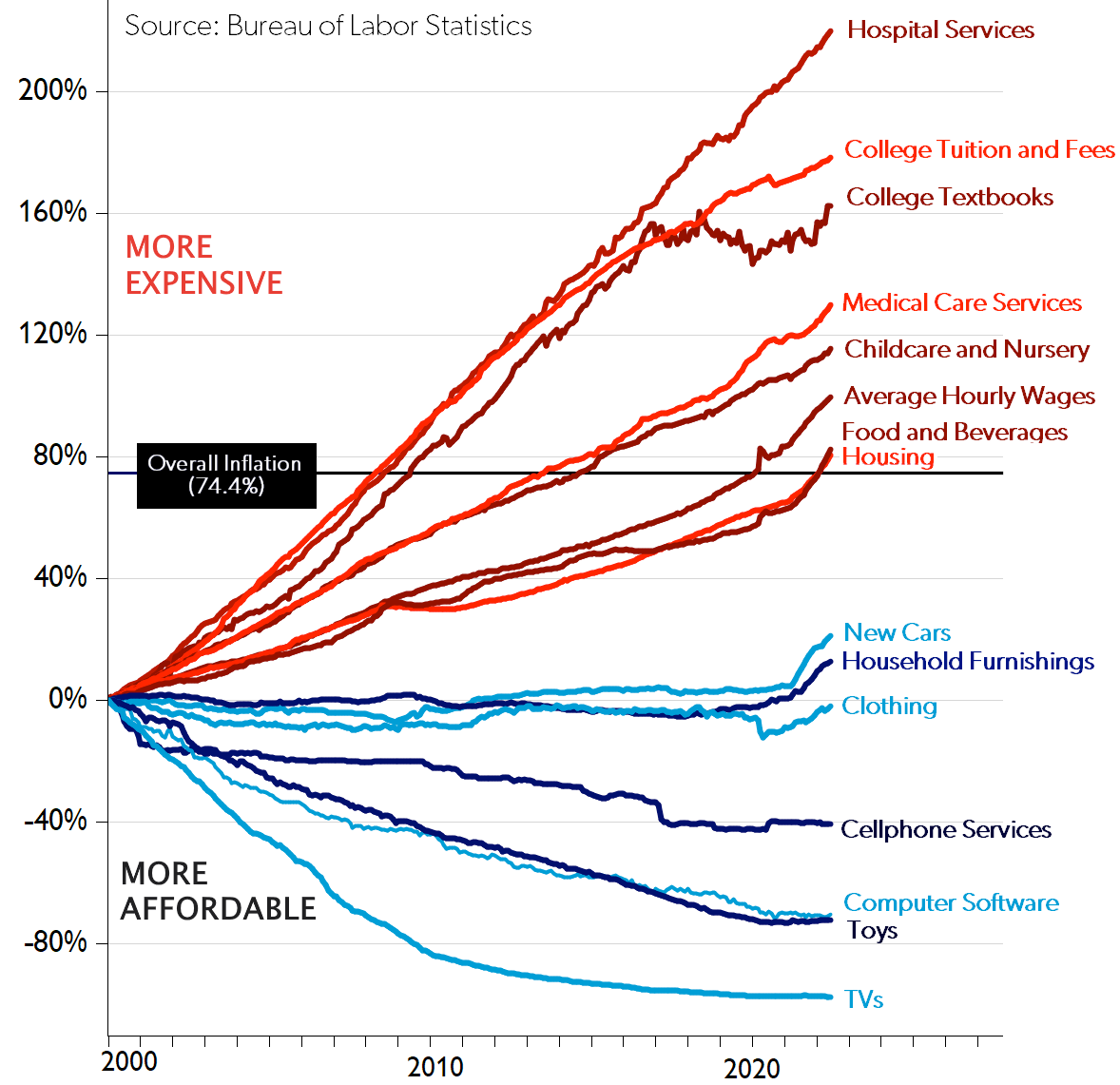
Without that foundation, our fellow Americans cannot even pursue the dream, much less achieve it. As Americans, we fight for the values embodied in the dream we founded this country on. The dream worked for me decades ago, and it can still work for everyone — if we ensure every American has the same fair chance.
The Case for Guaranteed Minimum Income
All the studies and data I’ve examined point to one foundational approach: offering a Guaranteed Minimum Income in the poorest areas of the country, where money goes the farthest, to unlock vast amounts of untapped American potential.
This isn’t a new idea. We’ve been doing it in different forms for centuries, though we never called it that:
- In 1797, Thomas Paine proposed a retirement pension funded by estate taxes. It planted a seed that eventually grew into the Social Security Act of 1935, which provided guaranteed income for retirees. Before Social Security, half of seniors lived in poverty; today only 10% do.
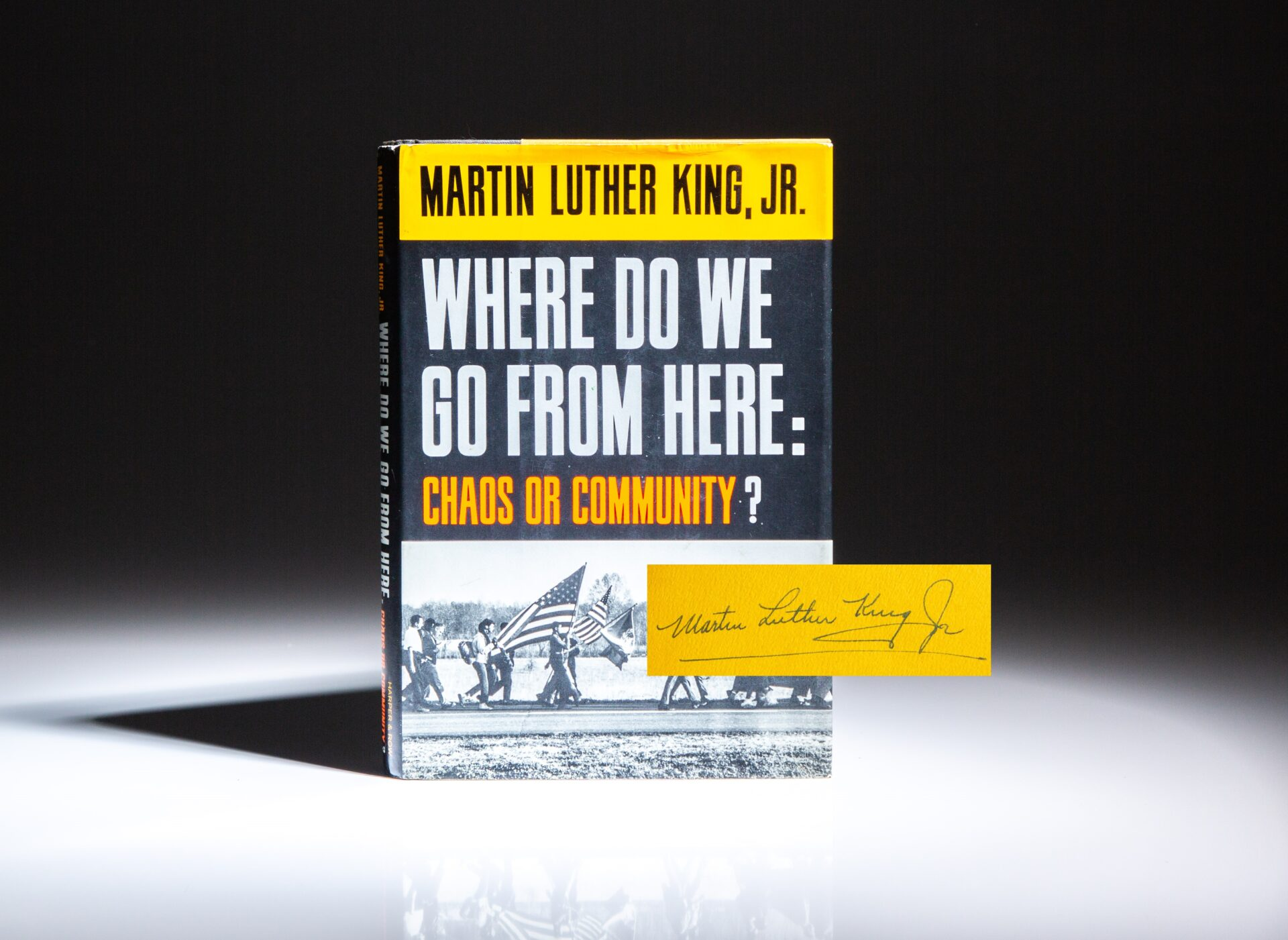
- In his 1967 book Where Do We Go From Here: Chaos or Community?, Martin Luther King Jr. made the moral case for universal basic income, arguing that economic insecurity was at the root of all inequality and that direct cash disbursements were the simplest way to fight poverty.
- In 1972, Congress established Supplemental Security Income (SSI), providing direct cash assistance to low-income elderly, blind, and disabled individuals. As of January 2025, over 7.3 million people receive SSI benefits.
- In 1975, Congress passed the Tax Reduction Act, establishing the Earned Income Tax Credit. In 2023, it lifted about 6.4 million people out of poverty, including 3.4 million children — making it the second most effective anti-poverty tool after Social Security, according to the Census Bureau.
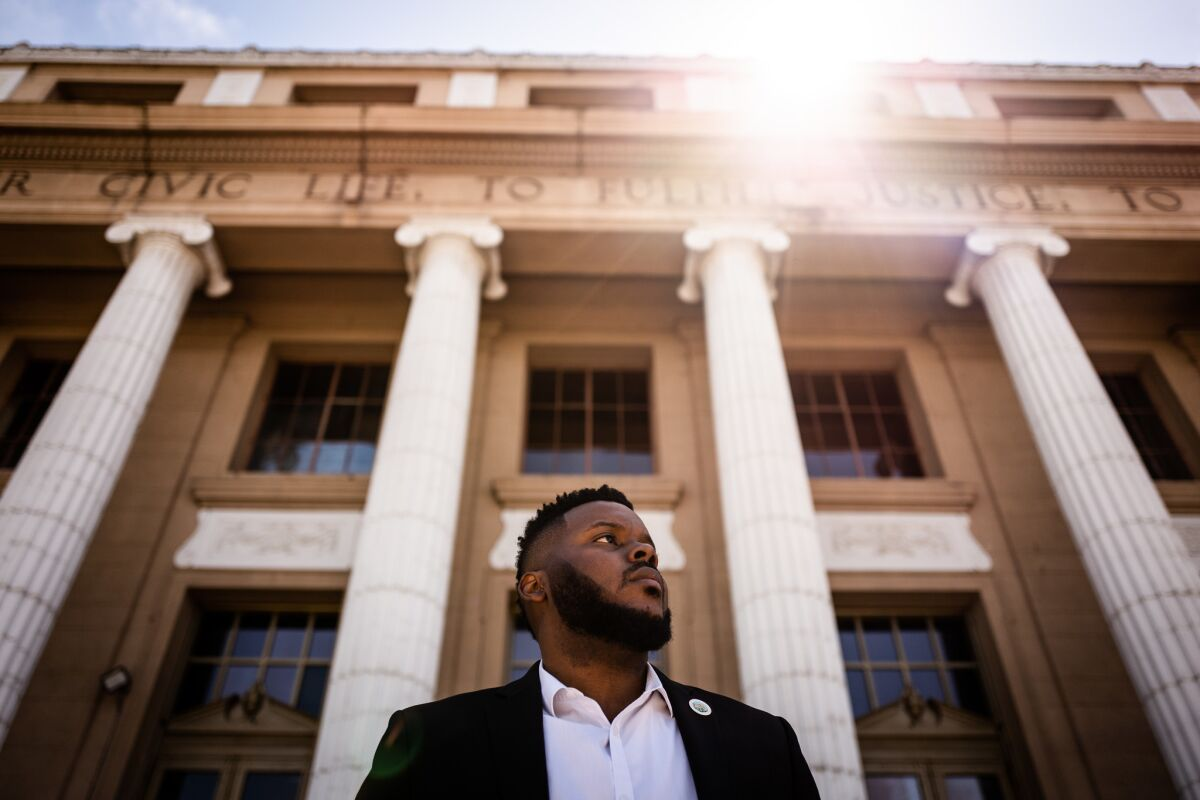
- In 2019, mayor Michael Tubbs launched the Stockton Economic Empowerment Demonstration, providing 125 residents with $500 per month in unconditional cash payments for two years. Recipients experienced improved financial stability, increased full-time employment, and enhanced well-being.
The Robert Frost poem referenced in The Outsiders pointed us to “stay gold.” Another Frost poem, “The Road Not Taken,” points to our proposal: following the path less travelled by — Guaranteed Minimum Income. GMI is a simpler, more practical, more scalable plan to address the root of economic insecurity with minimum bureaucracy.
We are partnering with GiveDirectly, which oversaw the most GMI studies in the United States, and OpenResearch, which completed the largest, most detailed GMI study ever conducted in the country in 2023. Together, we are launching a new GMI initiative in rural American communities.
Why Rural Communities?
Rural counties consistently show higher poverty rates, with fewer job opportunities, lower wages, and worse access to healthcare and education. Places like Appalachia, the Mississippi Delta, and American Indian reservations have been stuck in poverty for decades — Oglala Lakota, SD sits at 55.8% poverty, and McDowell, WV at 37.6%. Urban counties rarely see numbers that high. If you’re poor in America, being rural makes it even harder to escape.
Rural areas also offer smaller populations, which is essential for tightly controlled studies we can carefully scale and improve. We hope to build a large body of scientific data showing that GMI genuinely improves lives and communities.
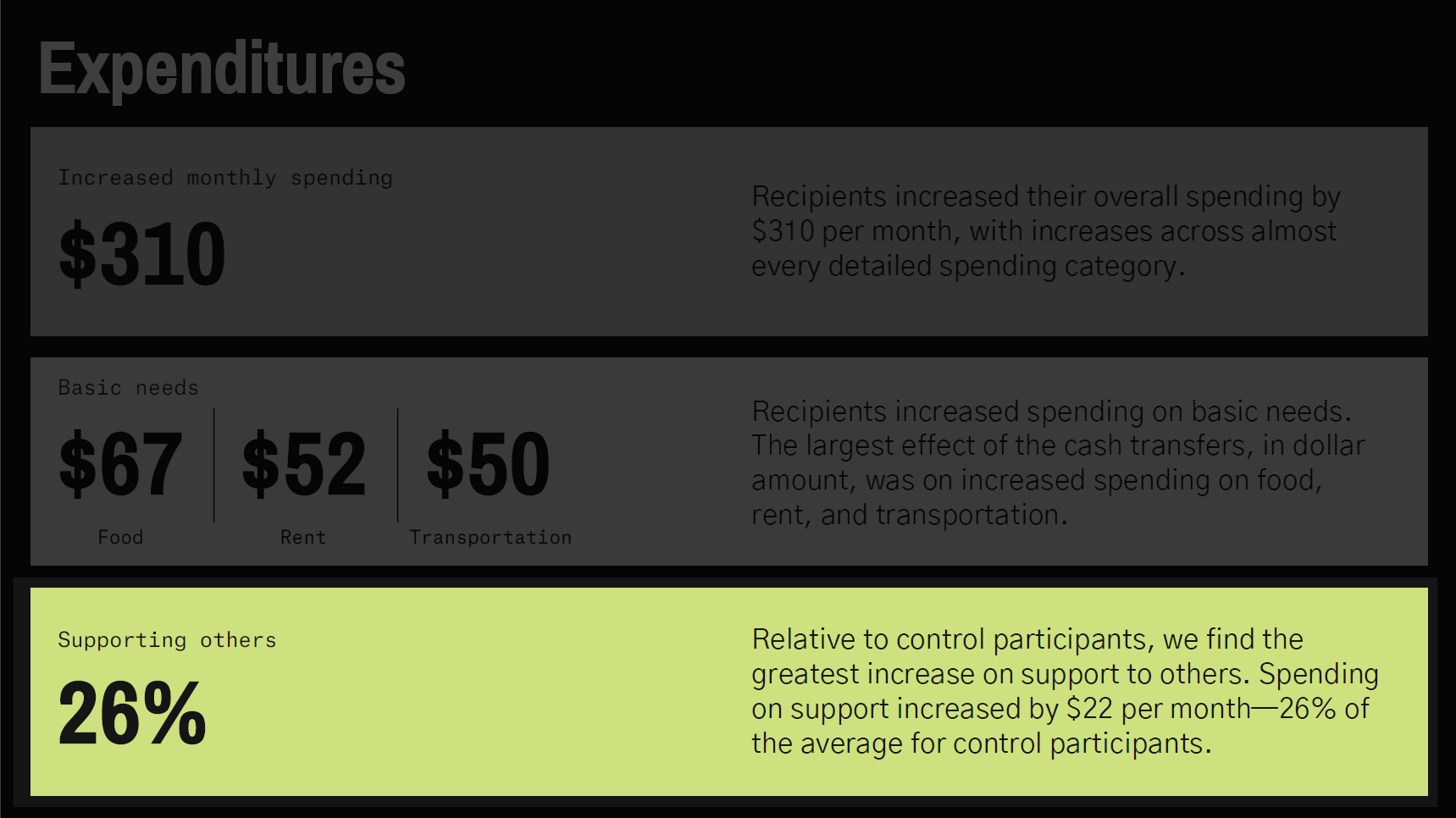
Why does this work? The 2023 OpenResearch UBI study data showed that when you give money to the poorest among us, they consistently go out of their way to share that money with others in desperate need. The power of opportunity lies not in what it does for one person, but in how it connects and strengthens bonds between people. When you empower a couple, you allow them to build a family. When you empower families, you allow them to build a community.

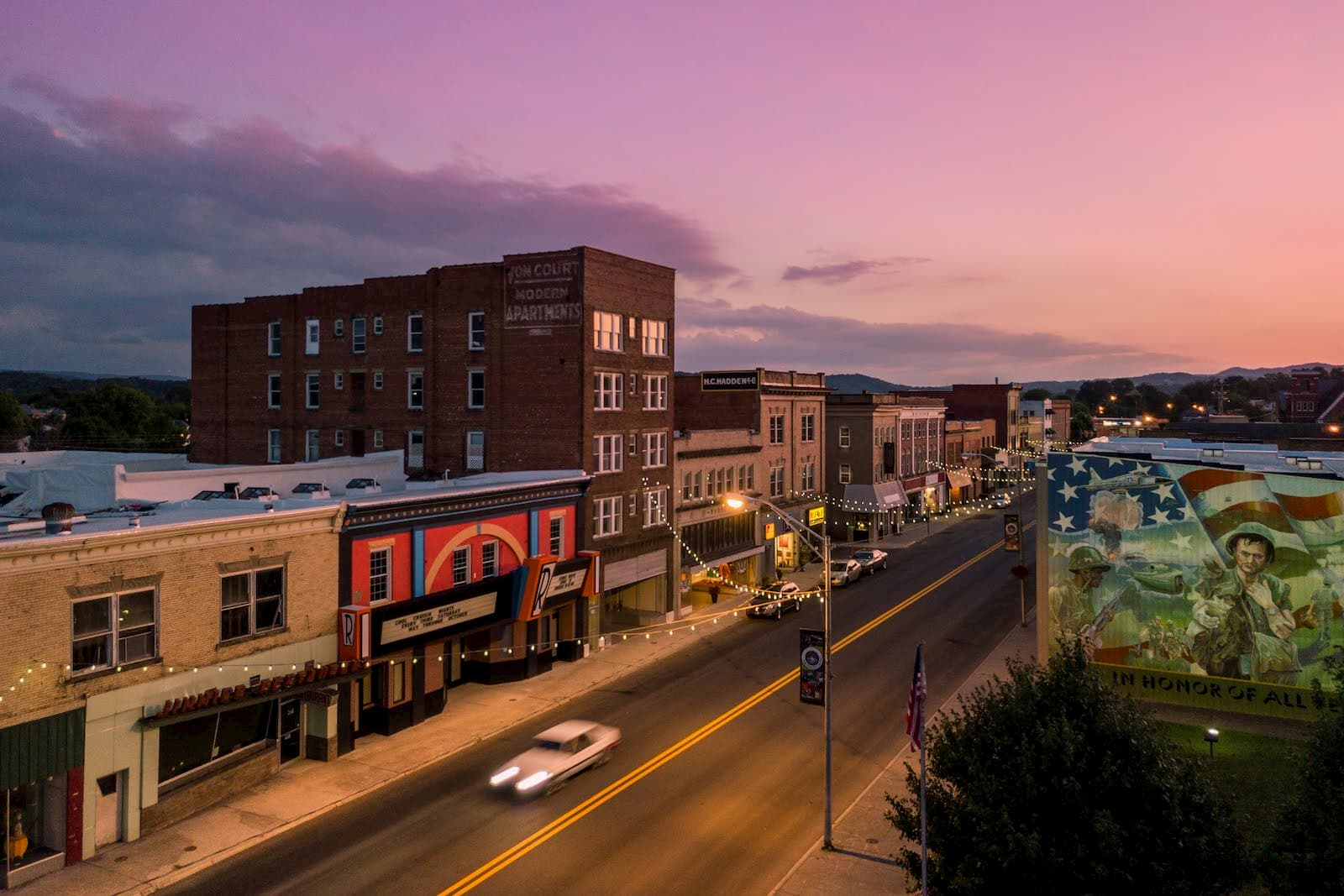
The initial plan targets a few counties with personal connections: Mercer County, West Virginia, where the collapse of coal mining left good people struggling; Beaufort County, North Carolina, where farming and factory jobs have disappeared; and a third county yet to be decided. We will work with existing local groups, conduct outreach, and provide mentorship to community members who choose to enroll. Veterans will play a crucial role — those who served with distinction and returned with exceptional leadership skills and commitment to their communities.
GiveDirectly and OpenResearch will gather extensive data from these refined studies, measuring employment, entrepreneurship, education, health, and community engagement. Regular interviews with participants will guide improvements.
Economic security isn’t only about individual well-being — it’s the bedrock of democracy. When people aren’t constantly worried about feeding themselves, feeding their family, having decent healthcare, or having a place to live, we give them room to breathe. We give them the freedom to raise children, start businesses, choose work, volunteer — and vote.
Choosing Activism, Aaron Swartz’s Way
A little money is incredibly transformational for the people who need it most — people who cannot live up to their potential because they’re so busy trying to survive. GMI is a long-term investment in the future of what America should be, the way we wrote it down in the Declaration of Independence. Our democracy was always meant to be malleable, to change, to adapt, and improve.
I’m reminded of Aaron Swartz, a precocious programmer who helped develop RSS web feeds, co-founded Reddit, and worked with Creative Commons. He downloaded public domain court documents from the fee-charging PACER database, and later millions of academic articles from JSTOR, intending to make taxpayer-funded research freely accessible. What he saw as an act of academic freedom and information equality, authorities viewed as a crime. Arrested in January 2011 and facing felony charges with up to 35 years in prison — despite JSTOR declining to pursue charges and MIT eventually calling for leniency — Aaron took his own life at 26. Eight days later, this very hall hosted a standing-room-only memorial service praising his commitment to the public good.
Aaron chose to build the public good despite knowing the risks. He chose to be an activist. I think we should all choose to be activists, to be brave, and to stand up for our defining American principles.
Where the Research Points
Existing evidence from unconditional cash studies—both in the U.S. and internationally—offers a clear signal. Recipients do not reduce their work effort in meaningful ways. Instead, they tend to find better jobs, relocate to higher-opportunity areas, or invest in education and small business ventures. The feared moral hazard of a free paycheck largely fails to materialize in the data.
What does show up consistently is a reduction in stress and an improvement in decision-making. Financial scarcity consumes cognitive bandwidth; removing that tax on attention allows people to plan, save, and act more deliberately. The public benefits from income stability are measurable, while the downstream costs of poverty—emergency healthcare, housing insecurity, and lost productivity—remain persistently high.
The Evidence Gap
Most of the rigorous cash-transfer research has focused on urban populations or developing countries. Rural America remains the great unknown. Geography, economic isolation, and the structure of rural labor markets could produce outcomes that differ from those observed elsewhere. There is little hard data on how a guaranteed income would interact with the specific constraints and opportunities of poor rural counties.
That is precisely the gap that a new set of studies intends to fill. By selecting rural counties across different regions, researchers can measure the effects of unconditional cash on employment, health, education, and community vitality over a multi-year window. Each participant in this particular program will receive a monthly payment of $1,000, with the full commitment running for five years. The design emphasizes long-term observation rather than short-term relief.
The target population is specific: individuals earning less than 200 percent of the federal poverty level, living in counties with populations under 150,000. These parameters focus the work on the segments of the country that are most often left out of both policy discussions and economic growth.
A Call to Participate
Two actions are being requested from the public. First, follow the ongoing documentation of the initial three rural county studies at givedirectly.org/rural-us. The findings will be published as they emerge, and the goal is to understand collectively how guaranteed minimum income might reshape American lives.
Second, and more importantly, the request is to take the conversation local. Bring the data to state and local officials. Ask them to consider conducting similar studies in your area. The prevailing narratives about who succeeds and why—narratives that often assign blame for poverty to the poor—should be challenged with evidence. Economic security, in this framing, is not charity but an investment in capacity that poverty currently suppresses.
The funding commitment for this project is substantial, and the hope is that shared results will attract even more resources. If the findings prove as promising as the early international evidence suggests, the question for future observers will be why it took so long to pursue this path. The foundational promise of the nation—life, liberty, and the pursuit of a fair chance—is the stated motivation. The invitation is open to join the experiment.


