
The sparkle’s interpretation problem
Nielsen Norman Group’s Kate Kaplan has documented what she calls sparkle ambiguity. In a recent research study, participants generally read the icon as marking something special, but they could not agree on what that something was or why it was special. Interpretations varied widely and wildly.
The challenge with this icon is sparkle ambiguity: Participants in our recent research study generally agreed that it represented something a little special. But, what was that something? And why was it special? That was less obvious. We encountered widely and wildly varied interpretations.
That ambiguity has a track record. As each new app adopts sparkles, the glyph edges closer to becoming the de facto AI icon, following the path that turned some menus into hamburgers and others into kebabs.
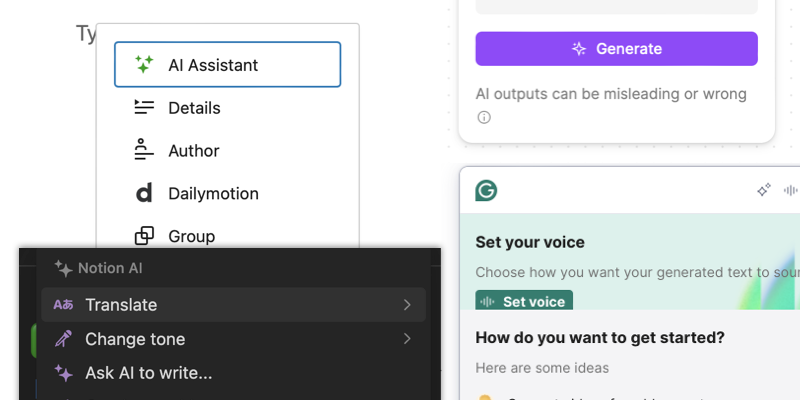
The confusion is compounded by scope creep: sparkles now stand in not just for AI features and capabilities but for unrelated things as well — visual effects, deals or rewards, personalized ads, and new content.
Why Notion’s replacement stands out
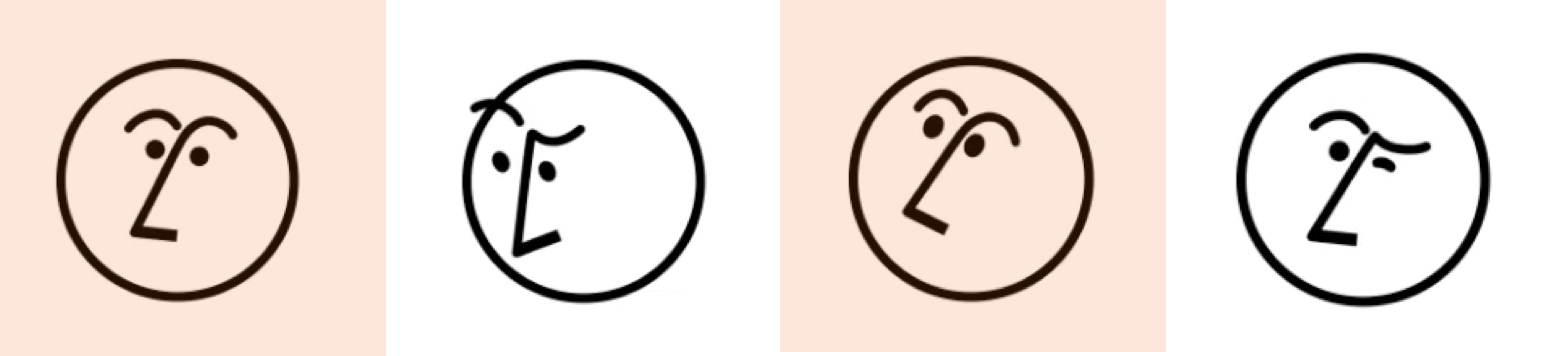
Notion recently shipped a new icon for its AI feature, and it points at a more meaningful direction: a face, drawn whimsically as a line illustration.
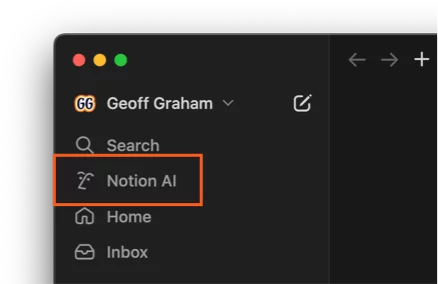
Faces are a more promising motif than the human and robot heads that recur elsewhere in the wild, which lose their appeal when rendered realistically. Notion’s version works because it is tightly bound to the company’s overall branding — a specificity other apps and companies would struggle to copy. Notion also supplies several versions of the icon for different situations, and it animates.
For more on the thinking behind the transition, Kaplan’s NN/g article is the thorough investigation; it is drawn from a full book on successful icon design.
What happens as AI features become routine
Kaplan expects the sparkle’s association with AI-driven features to strengthen in the immediate future. For now, using it to signal AI-driven features — or even simply new features — may be useful. Over time, as those features become common or even expected across interfaces, the need to call them out shrinks. Whether a feature is AI-driven will matter less than that it is present and meets user needs.



