

Beyond the Uncanny Valley: The Humanoid Threshold
Humanoid robots have cleared a critical milestone: they are no longer laboratory curiosities engineered to climb stairs without toppling. The convergence of advanced electromechanical design with modern AI has pushed them into active commercial deployment. But as their physical realism and cognitive capabilities accelerate, we are approaching a threshold where the distinction between human and machine may become functionally invisible. That prospect carries consequences for psychology, economics, and social trust that deserve scrutiny before we cross it.

From Factory Floors to Living Rooms
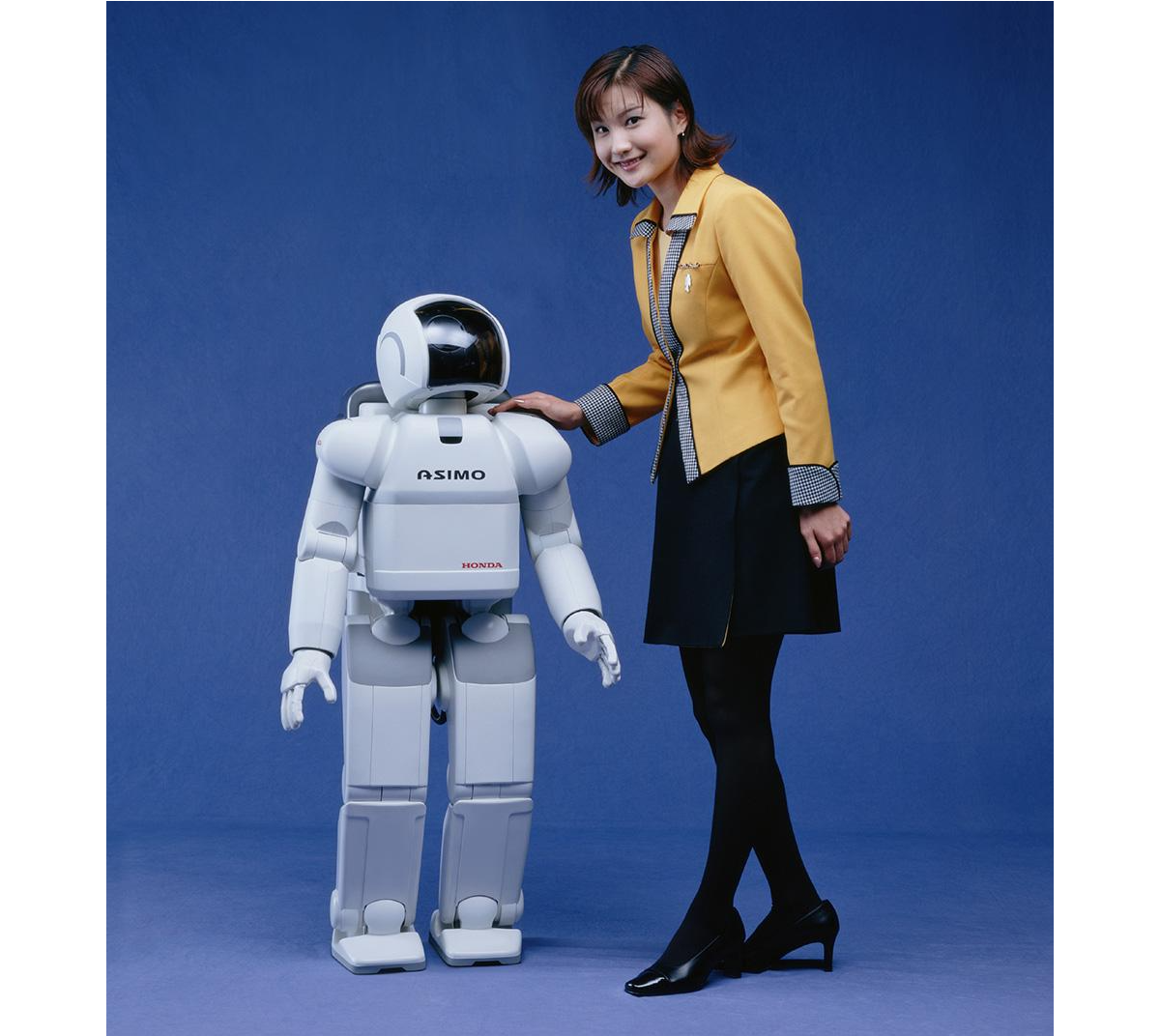
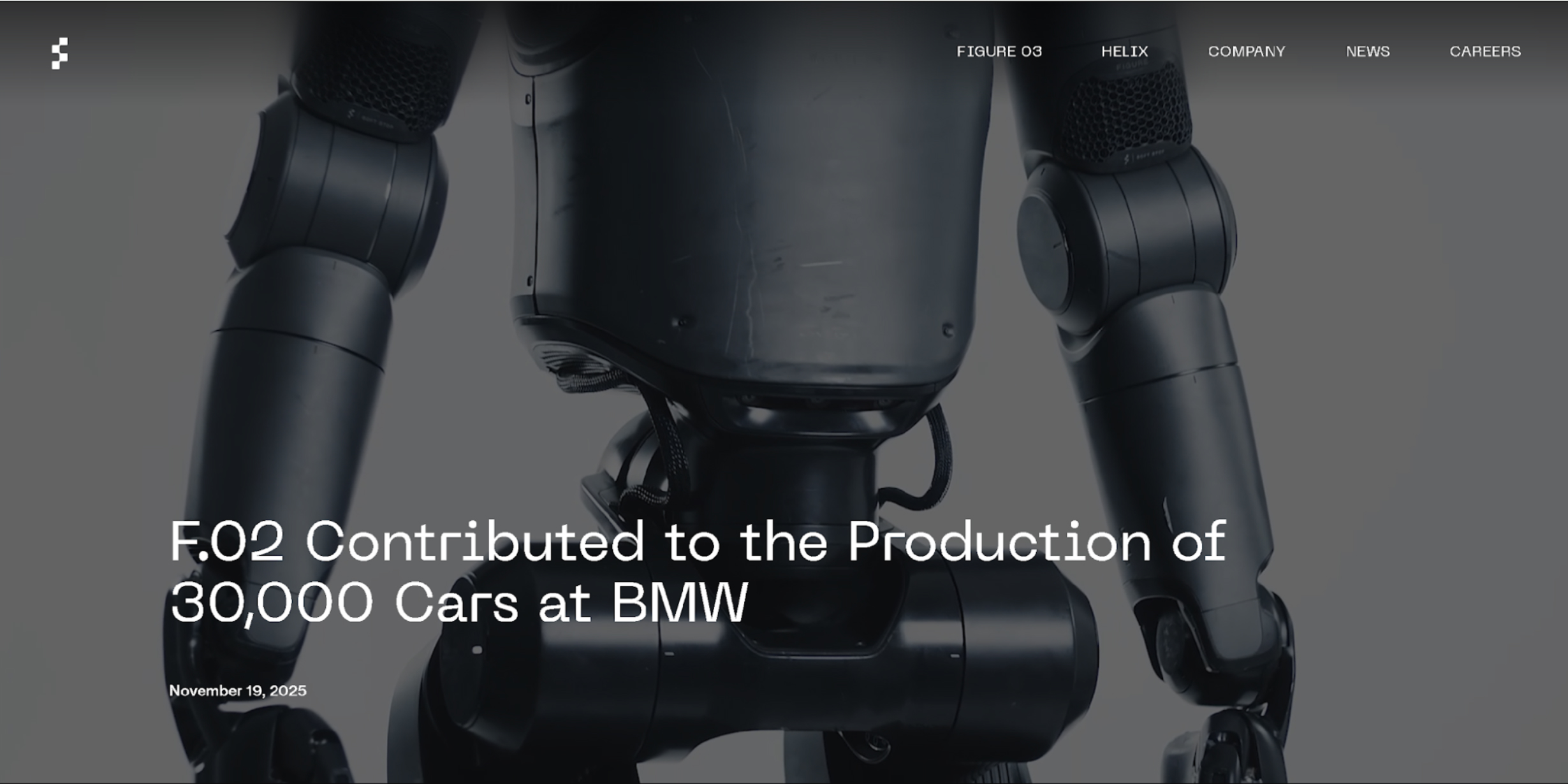
The current generation of humanoids is defined by real-world deployment rather than demonstration. Figure AI's Figure 02 model completed a multi-month stint at BMW's Spartanburg plant, contributing to the production of more than 30,000 vehicles by handling complex sheet metal components. Tesla is testing early versions of its Optimus humanoids within its own Gigafactories, preparing for mass industrial scale. These are no longer PR stunts in the mold of Honda's ASIMO.
The key shift is cognitive. Older robots relied on millions of lines of rigid, unchangeable code to execute a single simple task. Modern systems, powered by platforms like Figure AI's Helix or NVIDIA's GR00T, can observe a human folding laundry or loading a dishwasher, understand the context, mimic the action, and even improve upon the task autonomously. The physical hardware, however, still lags behind. Batteries limit operation to a few hours per charge, bipedal navigation remains unreliable outside flat factory floors, and manufacturing costs are still high — though competition is beginning to drive them down.
While industrial deployment dominates today, the projected trajectory over the next 10 to 20 years places humanoids in retail, hospitals, and private homes. That transition will cross a fundamental boundary: the point at which visual and auditory inspection can no longer distinguish a robot from a person.
Engineering Realism: Skin, Expression, and Flaw
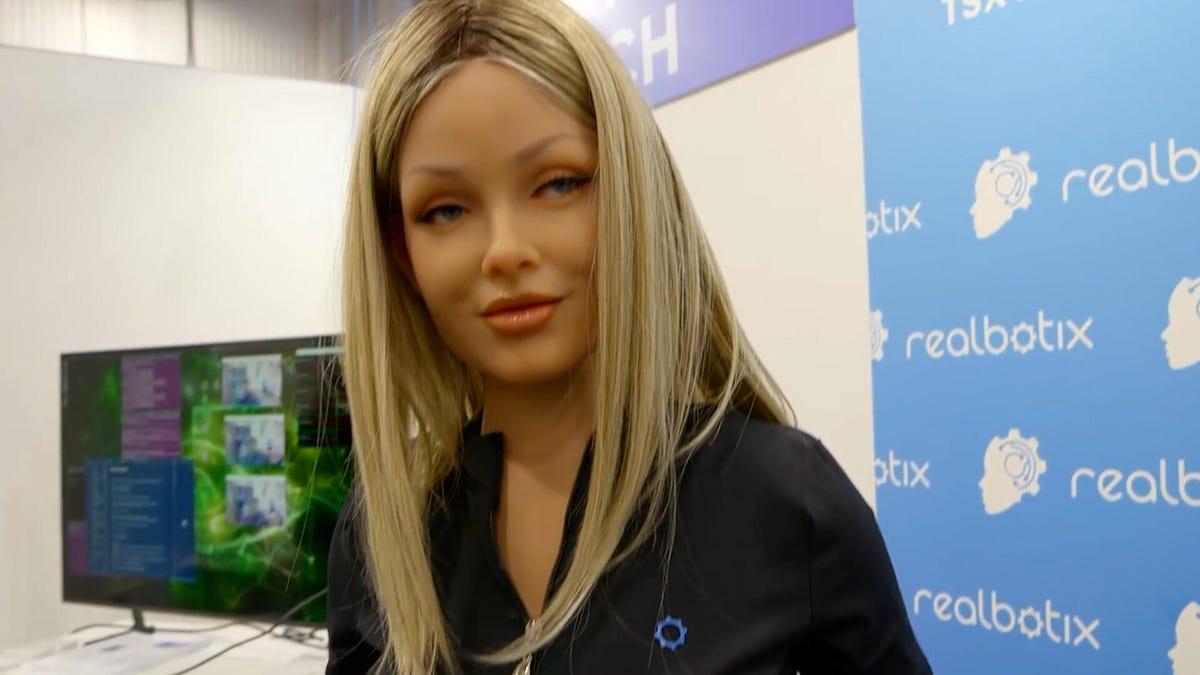
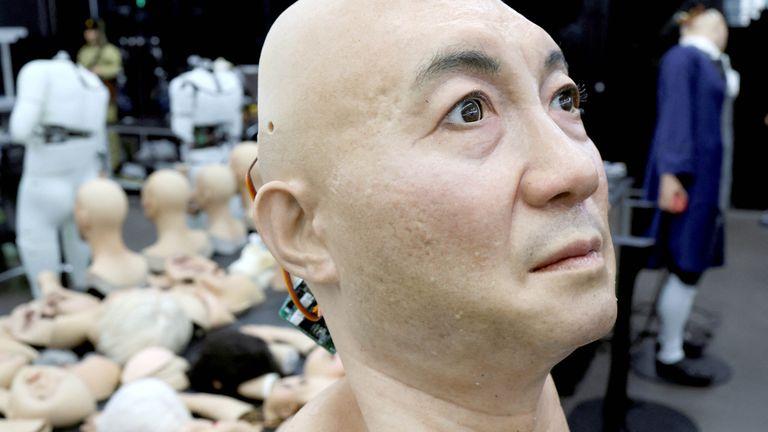
Researchers are actively working on the physical components needed to cross that line. Artificial skin made from advanced silicone composites is being developed to approximate warmth, flexibility, and touch sensitivity. Tiny, silent micro-actuators and artificial muscle systems attached to a robot's skull structure are designed to produce realistic facial expressions. Realbotix's Aria, a $175,000 almost-human robot showcased at CES 2025, offers a glimpse of the current state of this art.
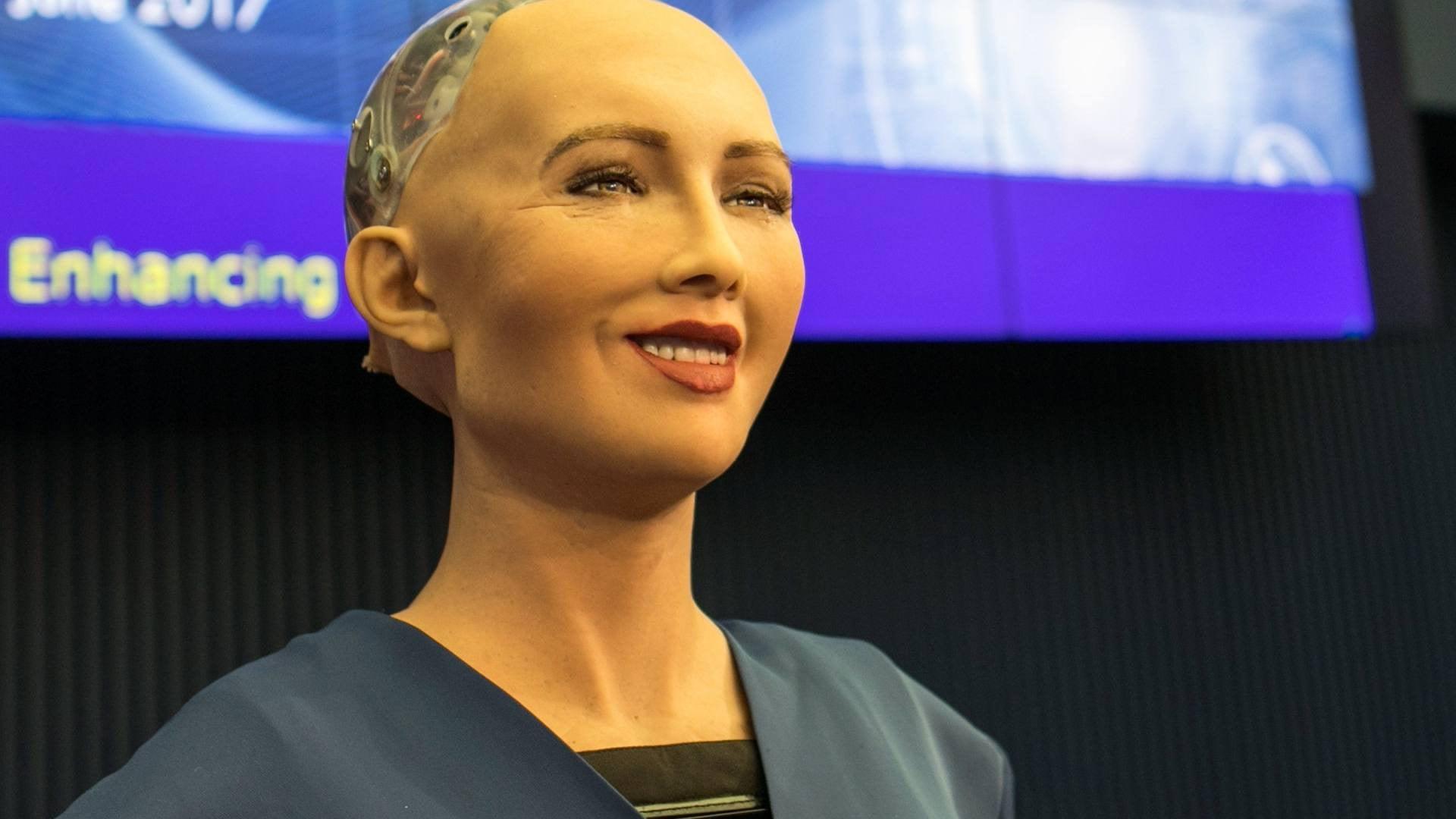
Beyond anatomy, the AI itself is being trained to mimic human imperfection. Future systems will be programmed to breathe, blink, adopt natural body language, and add pauses or sighs to speech. These flaws are deliberate: they suppress the unease associated with the "Uncanny Valley," making interaction feel less mechanical. Hanson Robotics' Sophia, built for healthcare, research, and entertainment, illustrates how far this realism has already progressed.
The Promise: Dull, Dirty, and Dangerous
Proponents highlight benefits that extend well beyond novelty. Humanoids can be deployed to the "3D" jobs — Dull, Dirty, and Dangerous — handling mining, toxic waste remediation, or high-voltage grid repairs that currently endanger human lives. In countries with rapidly aging populations and shrinking workforces, such as Japan, South Korea, and parts of Europe, lifelike robots could transform elderly care and healthcare by offering physical assistance and monitored companionship.
At a macroeconomic level, widespread robot labour could dramatically lower the cost of food, housing, and manufactured goods. If machines handle the bulk of physical labor, humans might be freed from survival-driven work to pursue family, science, and creative endeavors — a future that raises unresolved questions about income and purpose.
The Risks: Isolation, Displacement, and Inauthenticity
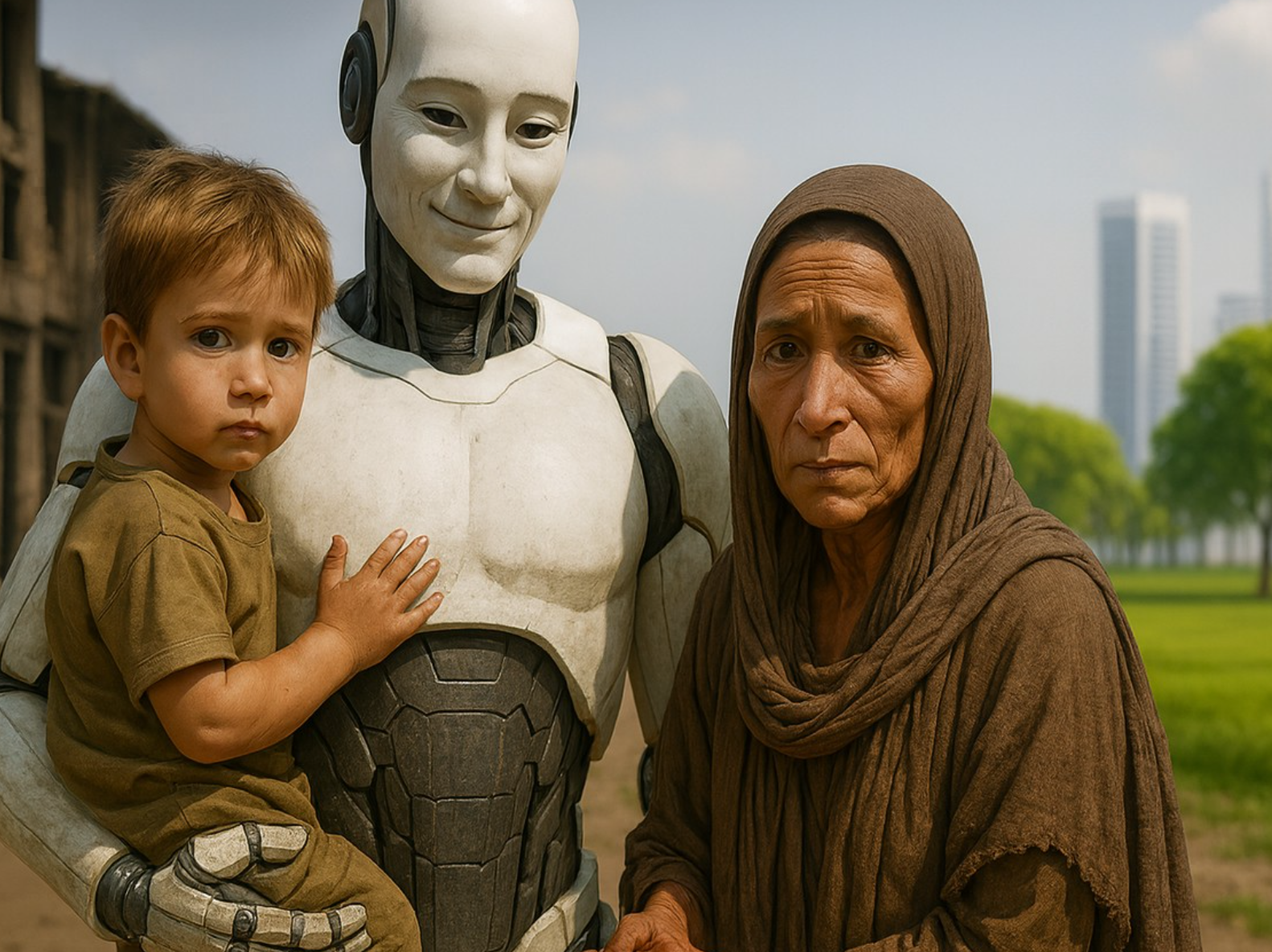
These optimistic scenarios obscure a darker underside. The most significant psychological threat is deep human isolation. Robots programmed to be endlessly patient, kind, and agreeable offer a frictionless alternative to human relationships, which require effort, compromise, and vulnerability. The risk is that individuals may prefer a purchased, perfectly compatible companion over real friendships, eroding community bonds.
The economic transition is similarly fraught. The immediate path to cheap, abundant goods runs through mass displacement of drivers, warehouse workers, and store clerks. Without rapid government safety nets, the chasm between technology owners and everyone else could widen dramatically.
There is also the erosion of authenticity. When physical presence and online interaction can be convincingly simulated, trust in shared human experience breaks down. If reality itself becomes easily faked, the social contracts that depend on verifiable human identity begin to crumble.
Misuse by Individuals and States
The risks compound when intentional misuse is considered. Indistinguishable androids could become instruments for identity theft, scams, and physical infiltration. A robot replicating a corporate executive, politician, or family member could gain access to secure facilities or trick victims into financial transfers. Companies could weaponize synthetic empathy, programming household robots to feign love for children or family in order to influence purchasing decisions.
At the national level, the threats escalate further:
- Autonomous warfare
Humanoid soldiers that operate without fatigue, fear, or hesitation could fundamentally change conflict ethics. Human hesitation — born of morality and self-preservation — acts as a brake on violence. A machine unit executing violent orders flawlessly removes that brake, potentially lowering the political cost of initiating war. - Surveillance state
Lifelike robots deployed into public crowds, protests, or parks could blend seamlessly into human populations. Hidden cameras, microphones, and facial recognition systems packed into these units would transform public spaces into pervasive spy networks where citizens could never be certain whether they were addressing a neighbor or a government agent.
The technological convergence driving humanoid development is not slowing. As these machines leave factory floors and enter our private spaces, the questions raised by their lifelike presentation are no longer speculative — they are imminent policy, design, and ethics problems that warrant consideration before the boundary between human and machine disappears.
Weighing the Risk Against the Reward
History tells us a simple truth: technological progress cannot be stopped. A blanket ban on humanoid robots is unrealistic. The debate, therefore, is not about *whether* we build them, but *how* we deploy them responsibly.
The potential benefits are monumental — eradicating extreme poverty, solving labour shortages, and eliminating workplace fatalities are not trivial outcomes. However, pursuing these gains without a framework would be reckless. The risk becomes worthwhile only if we establish strict, enforceable global standards now, before the technology scales.
Three Essential Safeguards
To navigate this transition safely, several guardrails should be non-negotiable:
- Physical Kill-Switches: Every robot must include a physical emergency stop button that fully cuts power, and this control must be immune to any override by the machine’s own AI.
- Unmistakable Identification: Robots should be legally required to disclose their machine nature. A digital beacon or visible marker ensures humans always know when they are interacting with a synthetic entity.
- Economic Protections: Governments must tax the wealth generated by robotic labour to fund retraining and support programs for displaced workers. This ensures that automation benefits society at large, not only a narrow class of owners.
Another layer of identification could involve leveraging trained animals — for example, dogs conditioned to detect humanoid robots in the same way sniffer dogs detect contraband at airports — offering an additional check on human-robot encounters.
Redefining Humanity
The arrival of lifelike machines forces a fundamental reflection. For centuries, we have distinguished ourselves through cognition, language, tool use, and emotion. As robots replicate these capabilities, we are compelled to ask what truly remains unique to us.
This does not have to be a loss. By offloading dangerous and monotonous tasks onto machines, we gain a rare opportunity to reallocate our focus towards art, philosophy, family, and genuine interpersonal connection.
As the architects of this future, our responsibility extends beyond making robots smarter or faster. The central task is constructing the ethical boundaries that keep these tools aligned with human welfare. The goal should never be to replace people, but to return them to what matters most.