Rules Worth Breaking (and Keeping) in 2025
Product teams head into a new year armed with plenty of conventional wisdom on how to operate. But the practitioners who ship meaningful work often find that the most durable guidance is less about formulas and more about personal, hard-won principles. Leaders from companies like Ableton, Snapchat, Coda, and Pentagram share the approaches that anchor their decisions and shape their products.
Design for Yourself First
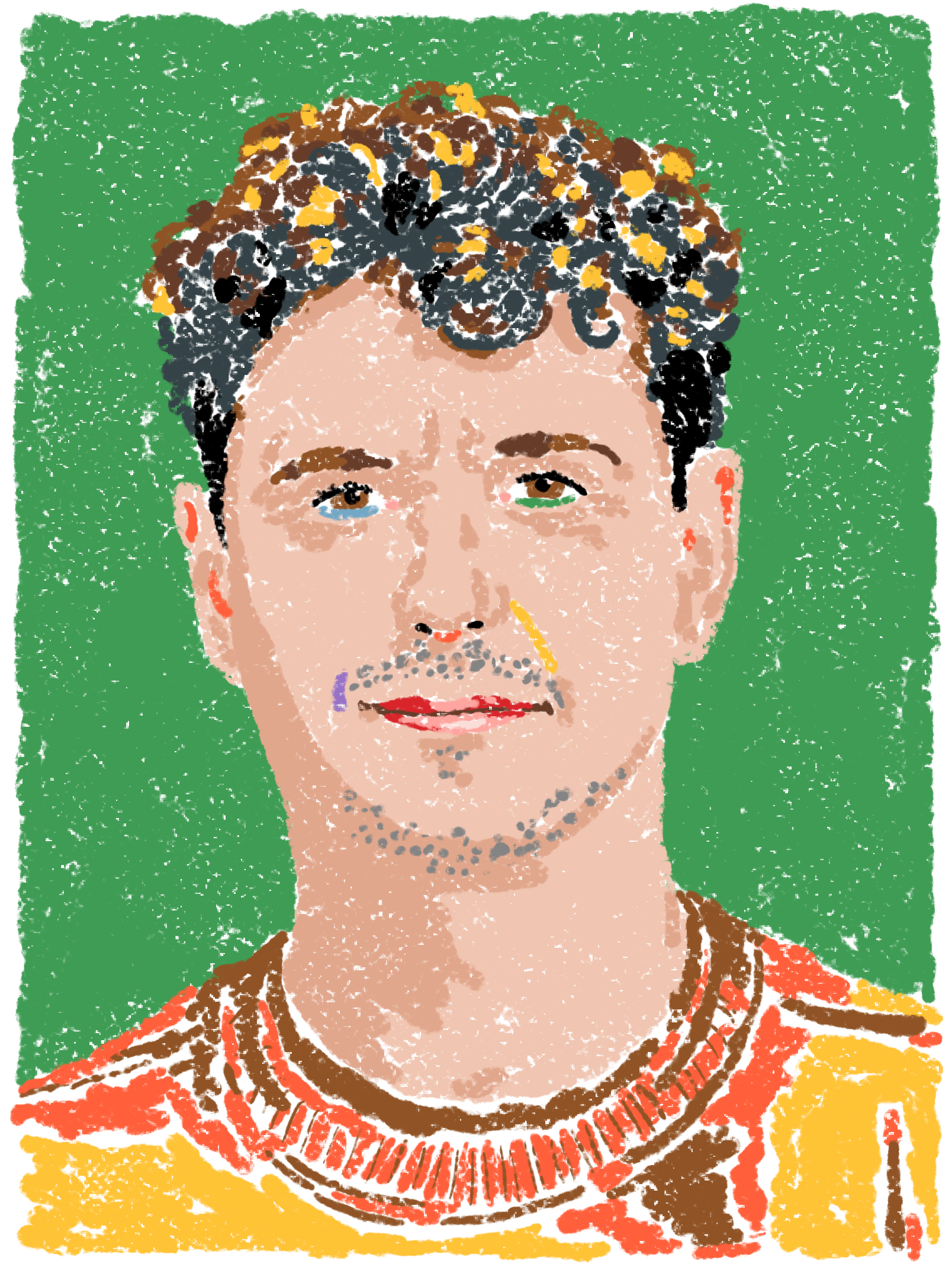
For Ableton Principal Designer Pablo Sánchez, the best sources of inspiration rarely come from within your own discipline. He advises looking to emotions, memories, scientific discoveries, or nature to cultivate a creative process that is "expansive, unpredictable, and deeply personal." Designing for yourself first ensures that passion carries into the finished product. Sánchez and his team took this approach when building Ableton's Note app, skipping the conventions of MIDI editors in favor of the minimalist language of Brutalist architecture to capture the immediacy of music creation.
Focus on Outcomes, Not Artifacts
Peter Yang, a product lead with over a decade at Meta, Reddit, Twitch, and X, cautions against mistaking process for purpose. The perfect OKR, internal doc, or product review is not the job; real value comes from empathizing with the customer and facilitating decisions that serve the bigger picture. "If you find yourself spending just as much time on these intermediate artifacts as building the actual product, it's time to take a step back and adjust," he says. Delegating those tasks or automating them with AI—as Yang does for synthesizing brainstorms, summarizing customer feedback, and cleaning up product requirement docs—keeps the focus on delivering customer value and growing the business.

Get Users to the "Aha" Moment Faster
Charmaine Lee, Product Manager for Snapchat's Lens Studio, argues against cluttering the first-run experience with tips and tutorials. The goal is to accelerate the path to what she calls the "aha moment"—when a user begins playing and creating on their own. "It's about ushering them to the magical moment where they're not just users—they've become creators," Lee says. In Lens Studio's case, the team illustrated the user journey in FigJam and reduced the steps from downloading the app to submitting a first project from 19 to four key milestones.

Balance Your Meeting Diet
Not all meetings serve the same function, and Coda co-founder and CEO Shishir Mehrotra has a taxonomy for keeping them useful. Alongside Elise Keith of Lucid Meetings, he categorizes team gatherings into three types, and argues teams need a healthy mix of all three:
- Cadence meetings—staff meetings, standups, and project syncs—operate on a natural rhythm of setting goals, executing, and reflecting. The measure of success is simple: are we on track?
- Catalyst meetings, such as decision-making forums, product reviews, and design crits, are meant to change direction and drive progress. Too many can cause burnout; their focus is getting answers.
- Context meetings—All Hands, off-sites, orientations—exist to share information, build connections, and enable people to do their jobs better.

Build Momentum Through the Slog
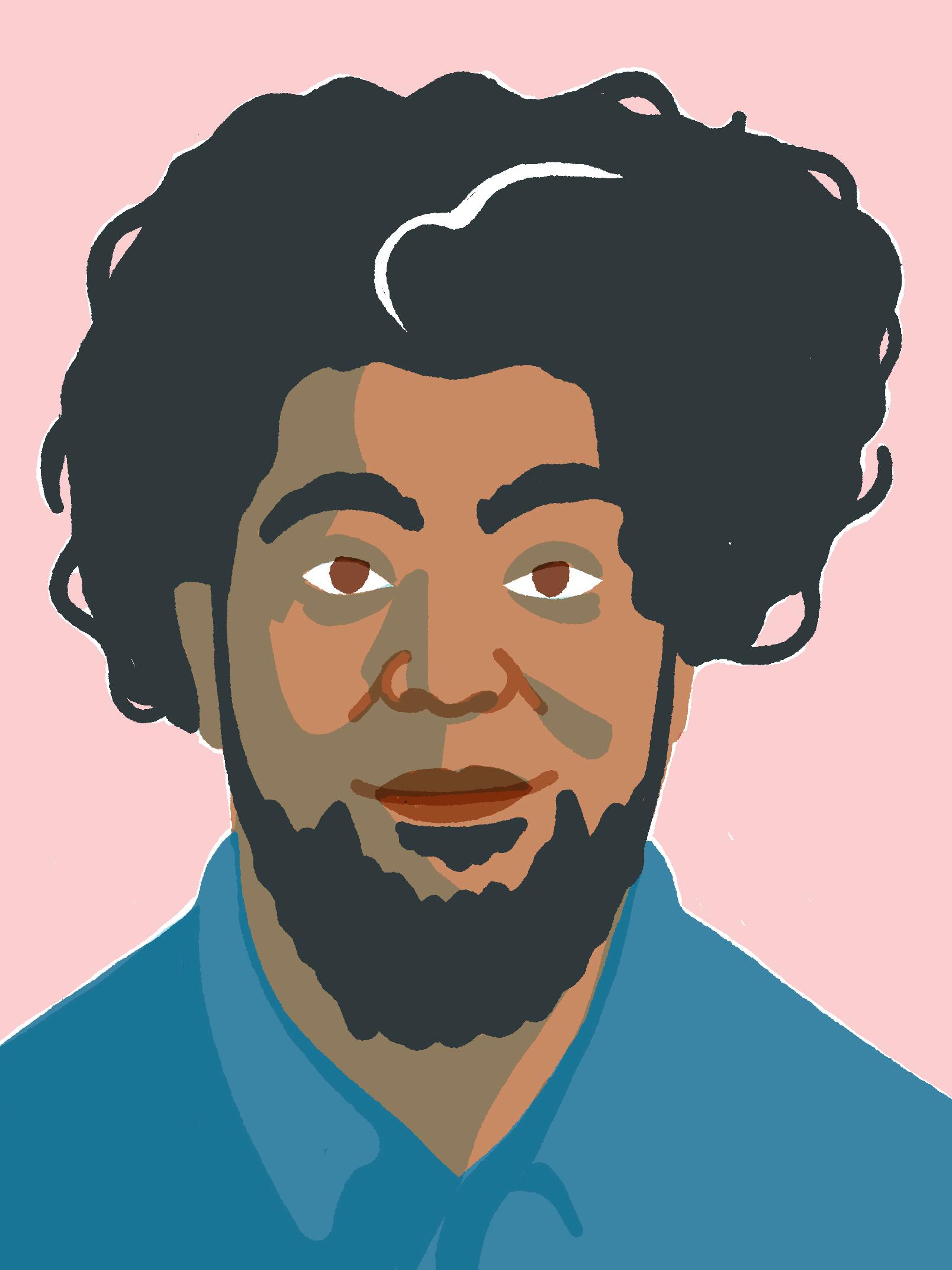
Even worthwhile work can feel tedious in the middle. Dan Mall, founder of Design System University, compares the grind to watching a training montage: exciting in two-minute increments, agonizing over a full hour. His countermeasure is to keep moving. "Start all pieces of work a bit earlier, even if they cannot be finished right away," he advises. "Share work-in-progress early and often." Friction will always slow you down, but the important thing is to not stop.
Find Opportunity in Idle Time
Pentagram partner and legendary designer Paula Scher suggests fighting creative blocks by surrendering to boredom. Rather than resenting the wait in a doctor's office or a car inspection garage, she recommends leaning in with a small lined pad and a good pen. "The worse the environment, the better the result! Your mind will really wander and open up the playground," she says. No Wi-Fi, no leg room, and forced stillness can be the perfect conditions for unexpected connections.