
October’s notable open source releases
Another month, another round of meaningful open source releases. While the projects below range from streaming tools to retro game archaeology, they all share one thing: they were built by community developers and shipped in October 2020. Here are the picks worth your attention.
OBS Studio 26.0
Open Broadcaster Software has become the de facto standard for live streaming, and version 26.0 brings a feature Windows users have been waiting for: a built-in virtual camera. No more third-party plugins to fake a webcam feed—it’s now part of the app. The release also adds media controls, a source toolbar, a log viewer, and screenshot hotkeys, giving streamers more direct control over their broadcast. macOS and Linux users will have to wait a bit longer for the virtual camera, but the rest of the improvements apply across platforms.
Open Drone Map 2.0
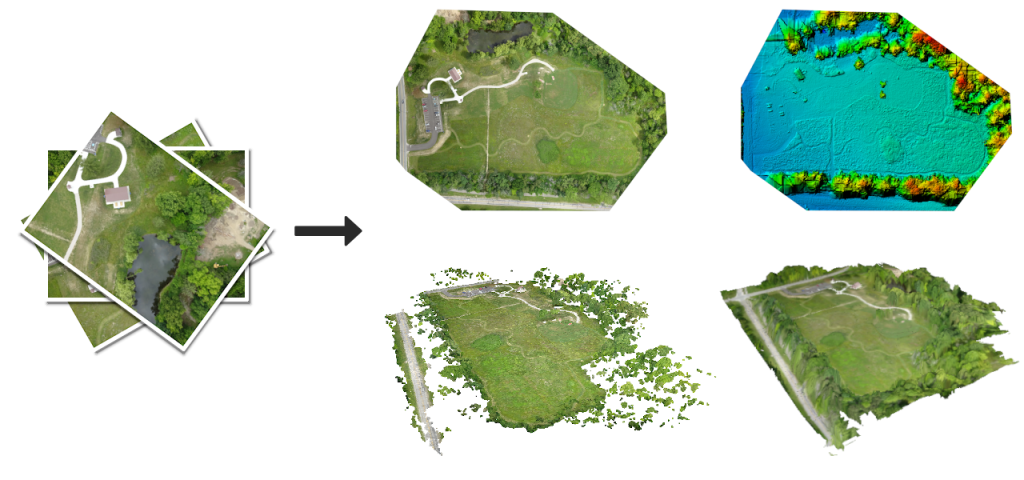
If you work with aerial drone imagery, Open Drone Map (ODM) is a command-line toolkit that turns 2D photos into 3D models, point clouds, and other geospatial outputs. The 2.0 release is a major under-the-hood update: the codebase moved from Python 2 to Python 3, and Ubuntu 18.04 is now supported. Performance gets a boost from bug fixes and speed improvements, and there are two notable new capabilities. You can override the GPS location of your footage, and image masking now lets you choose exactly what gets included in your render.
Vue.js 3.0 & Laravel 8.0
Two major framework releases landed this month. Vue.js 3.0, codenamed “One Piece,” is a significant rewrite focused on making the framework smaller and faster. The update brings improved performance, reduced bundle sizes, better TypeScript integration, and new APIs. The anime-inspired codename is explained in the release notes.
Laravel 8.0 targets PHP developers with a new application skeleton. The framework continues to handle common web development tasks—routing, session and cache storage with multiple backends, database access, and real-time event broadcasting—while the latest release introduces substantial changes to the base project structure.
GitHub CLI 1.0
The GitHub CLI hit its 1.0 milestone, bringing the full GitHub workflow into the terminal. You can clone repositories, view and merge pull requests, create and close issues, and manage gists without leaving the command line. It’s available for macOS, Windows, and Linux. For quick gist sharing, the tool supports commands like:
gh gist create output.txt -d "Debugging info"
Resume CLI 2.0
JSON Resume is a JSON-based standard for building resumes, and its command-line tool got a 2.0 release. The update adds Node.js support and custom validation schemas, along with bug fixes. You can generate your resume.json and export it to HTML, Markdown, or PDF, choosing from a library of themes.
Gitmoji 3.0
Gitmoji standardizes emoji usage in commit messages, and version 3.0 brings updated emoji and macOS support via the gitmoji-cli tool. If you want to add relevant emoji to your commits from the command line, this is the way to do it.
Profile README Generator 1.0
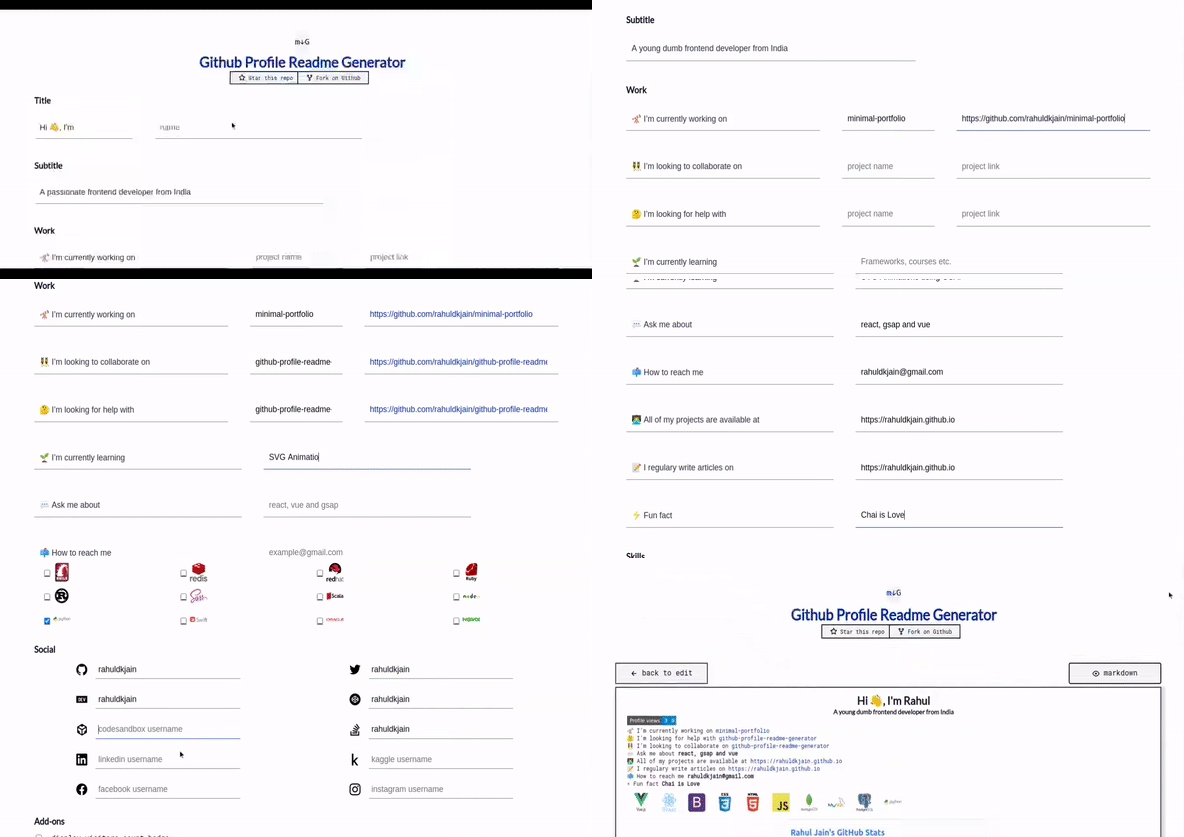
GitHub Profile READMEs let you customize your profile page, and a new generator makes the process easier. Fill in your name, tagline, blog URL, GitHub stats, and other details, and it produces the README automatically. Shiny profile pages are now a low-effort endeavor.
Terasology 4.0
Terasology, a Minecraft-inspired open source voxel world, released engine version 4.0.0. The update includes UI/UX improvements and physics changes, and the NUI library has been split out into its own repository. The project continues to attract a community of designers, developers, and artists contributing modules and gameplay tweaks.
Resume for the 1980s: Elite Beebasm
This month’s “out there” pick is Elite Beebasm, the fully documented source code for Elite on the BBC Micro. The 1980s space trading game is presented line-by-line with explanations, and you can build it from source on Windows, macOS, or Linux. If you prefer modern graphics, the Steam version of Elite Dangerous offers a high-definition follow-up.

More from Release Radar
That wraps up this month’s picks. If you have a project release coming up, tag it with #GHReleaseRadar on social media to get it on our radar for next month.


