
A Cross-Section of November’s Notable Open Source Releases
The open source ecosystem continues to move fast. November 2020 brought milestone releases across web frameworks, developer tools, and creative applications. Here are the releases that stood out this month, from long-awaited version 2.0s to fresh 1.0 launches.
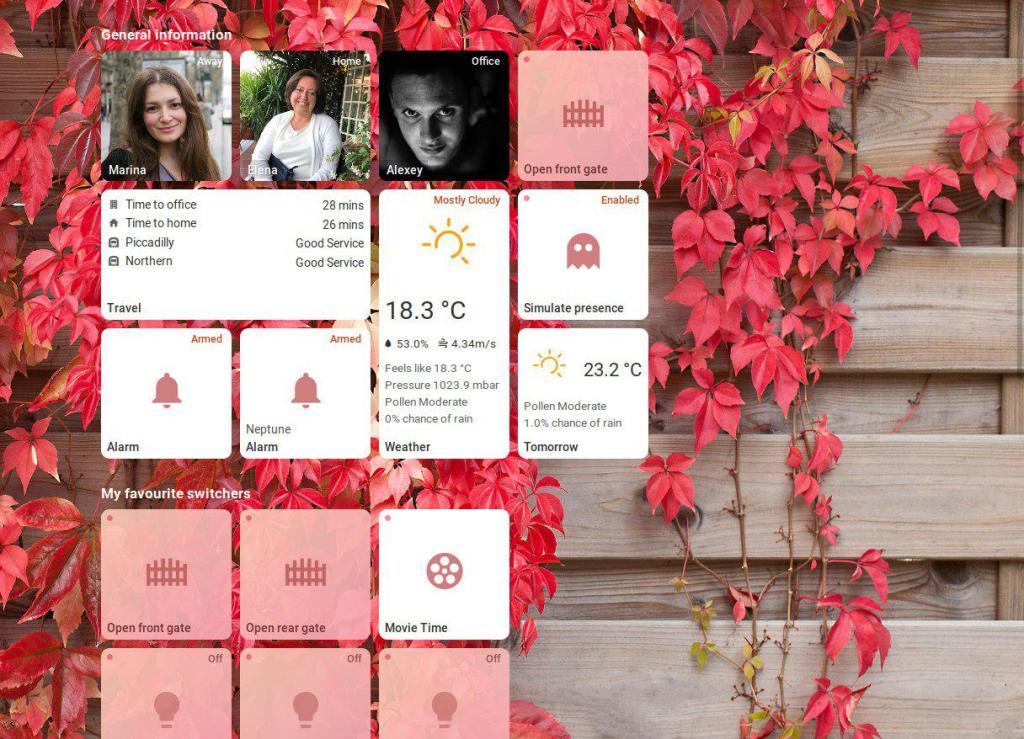
Home Assistant Dashboarding with Tile Board 2.0
Tile Board remains one of the more accessible ways to build a custom dashboard for Home Assistant. Version 2.0 focuses on polish, with bug fixes, improved stability on Firefox, and additional customization options for the interface. The background handling has also been updated to make the embedded iframe view feel cleaner. A key strength continues to be the low barrier to entry — you do not need deep JavaScript or HTML knowledge to get a personalised dashboard running.
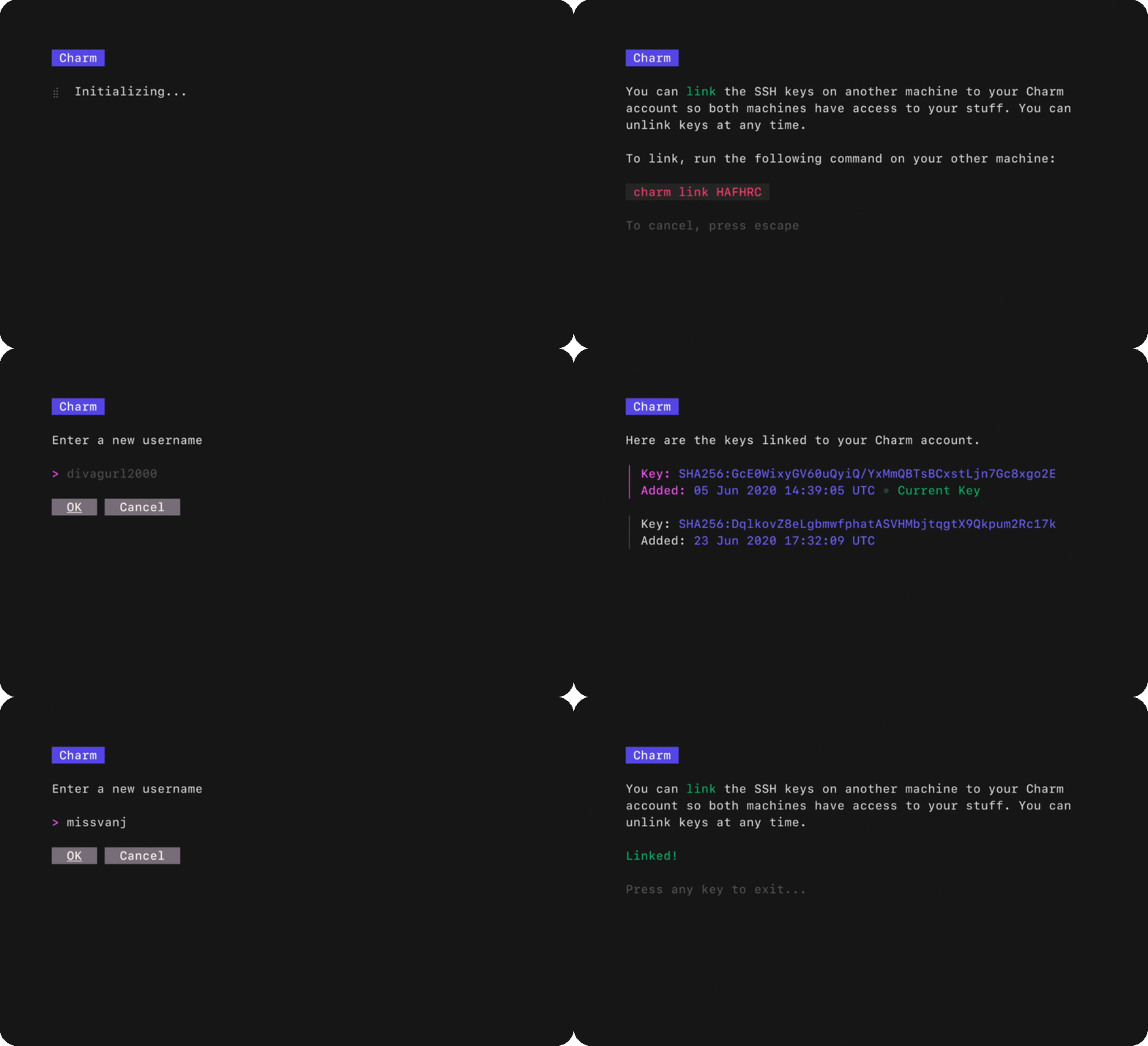
Charm Clocks In at 1.0
Charm has reached its first stable release. The project is a suite of tools designed to bring visual flair to the command line, with components including Glow, Glamour, Bubble Tea, Bubbles, and Termenv. Beyond the technical capabilities, the project’s distinctive design and mascots have drawn attention. It arrives alongside a growing ecosystem of feature-rich CLI tools, such as the recently updated GitHub Command Line.
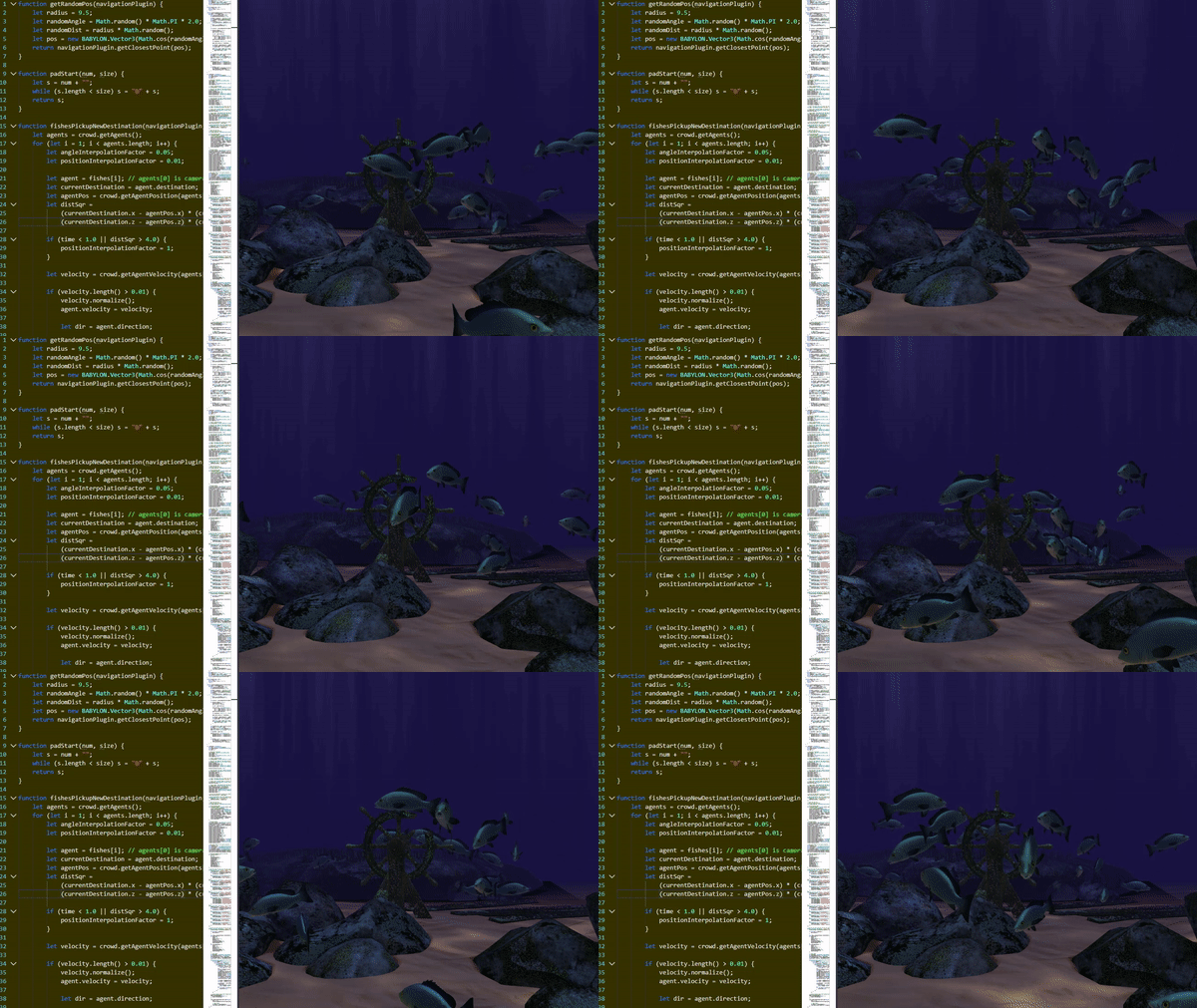
Babylon.js 4.2 Arrives
The web rendering engine Babylon.js shipped version 4.2 with a substantial list of updates. This release adds new features to the particle and sprite editors, improves texture rendering, and includes a range of additional support and enhancements across the engine. The project’s changelog provides a full walkthrough of the changes, and interactive demos are available on the Babylon.js website.
Jetpack 9.0 for WordPress
Jetpack, the WordPress plugin bundling performance, security, and site management tools, has moved to version 9.0. The headline feature is the ability to publish entire WordPress posts to Twitter as threaded tweetstorms. The update also broadens support for custom CSS and introduces a number of enhancements to the WordPress dashboard. Full details are available in the project’s repository.
Next.js 10.0 Reworks Core
Next.js has released version 10.0, a major update touching core functionality, documentation, and examples. Image support is a headline feature, alongside optimisations to several existing capabilities. The release follows an Open Source Friday interview between GitHub’s Brian Douglas and Next.js team member Tim Neutkens, which covers some of the thinking behind the framework’s direction.
GraphQL Editor 3.0
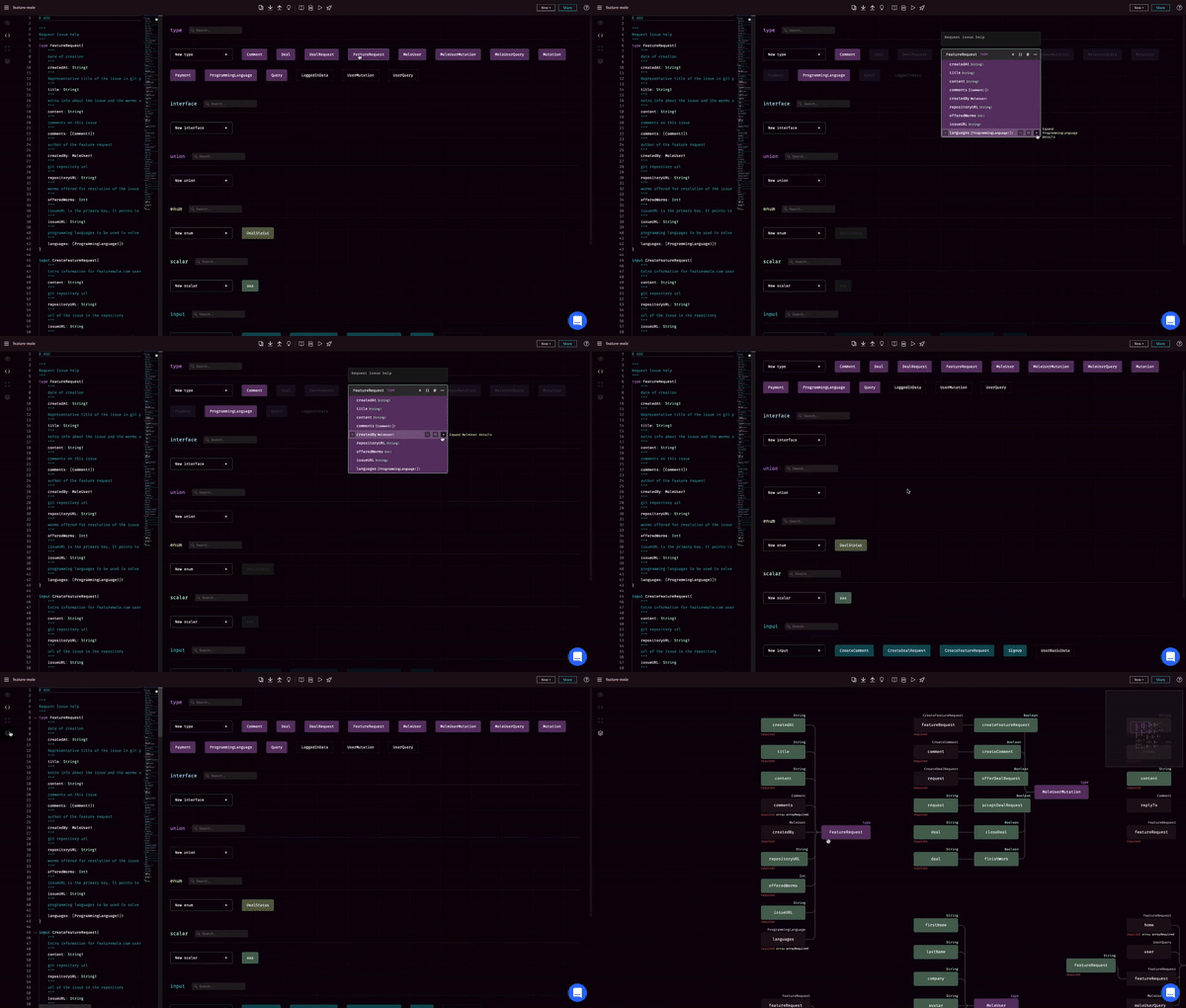
GraphQL Editor’s 3.0 release is described by the team as its biggest yet. The interface has been overhauled, with a notable new “organiser mode” designed to speed up schema browsing and creation. The popular Faker feature also gains flexibility, now allowing users to specify values from faker.js. The editor has also adopted a dark theme. The tool is aimed at both newcomers and experienced users looking to build applications faster.
Rasa 2.0 for Conversational AI
Rasa, the open source machine learning framework for building contextual text- and voice-based assistants, has reached version 2.0. The update adds new templates and threads, introduces additional command line arguments, and expands feature support while removing a number of deprecated components. Rasa can be integrated with channels including Facebook Messenger, Slack, Google Hangouts, Twilio, and Alexa. The project also continues to maintain an active contributor community.
This arrived in the mail today! 💜 All the way from 🇩🇪 to 🇿🇦. Thank you @Rasa_HQ for the contributor acknowledgement. Much appreciated. #Rasa #RasaNLP #RasaCommunity #chatbots #ai #nlu #nlp #chatbot pic.twitter.com/b90e5Brx2u
— Cobus Greyling (@CobusGreylingZA) October 26, 2020
Create React App 4.0
The single-command React setup tool has moved to version 4.0. This update brings support for fast refresh, along with compatibility for React 17 and TypeScript 4.0. The detailed changelog documents the full set of major changes, bug fixes, and enhancements included in the release.
Krita 4.4 for Digital Artists
Krita, the free and open source cross-platform digital painting application built on KDE and Qt frameworks, has released version 4.4. The update introduces new fill layer types, additional brush options, texture support, and dynamic colour handling, among other creative tools. ChromeOS and Android users will also find a range of fixes specific to those platforms.

PyGame 2.0 Marks Two Decades
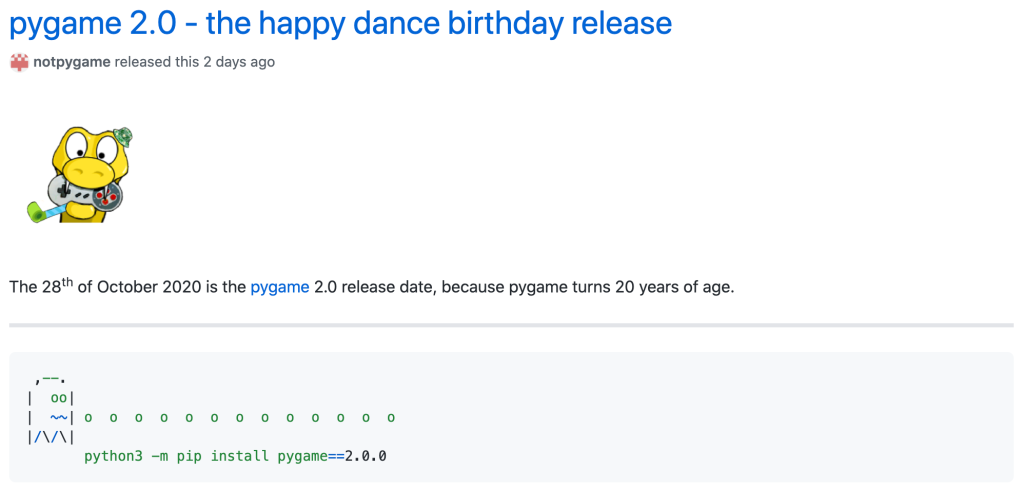
PyGame’s 2.0 release coincides with the project’s 20th anniversary. The update encompasses 3,306 changes, with a theme of “better support” throughout. Highlights include support for multiple hardware-accelerated video APIs, improved PyPy integration, touch and audio input capabilities, message alert boxes, and enhanced keyboard, controller, image, and audio handling. Android support is also improved. The complete list of changes is available in the release notes.
More from the Radar
Those are our picks for November. For other notable releases, check back on the October Release Radar. If you have a project release on the horizon, share it with the GHReleaseRadar hashtag on social media.


