
Sustainability Strategy: Four Pillars
Meta's sustainability work is organized around four focus areas: climate, water, responsible supply chain, and biodiversity. The company frames these pillars as part of building technology in a way that supports a more sustainable world, with climate action tied to decarbonizing the business and supply chain work focused on worker safety and environmental protection at supplier sites. Water stewardship centers on managing the resource to support healthy aquatic ecosystems, while biodiversity efforts target native habitats at data center properties.

2030 Targets and Supporting Goals
Two headline goals shape the strategy: net zero emissions across the value chain and water positivity by 2030. Supporting targets break those ambitions into measurable pieces.
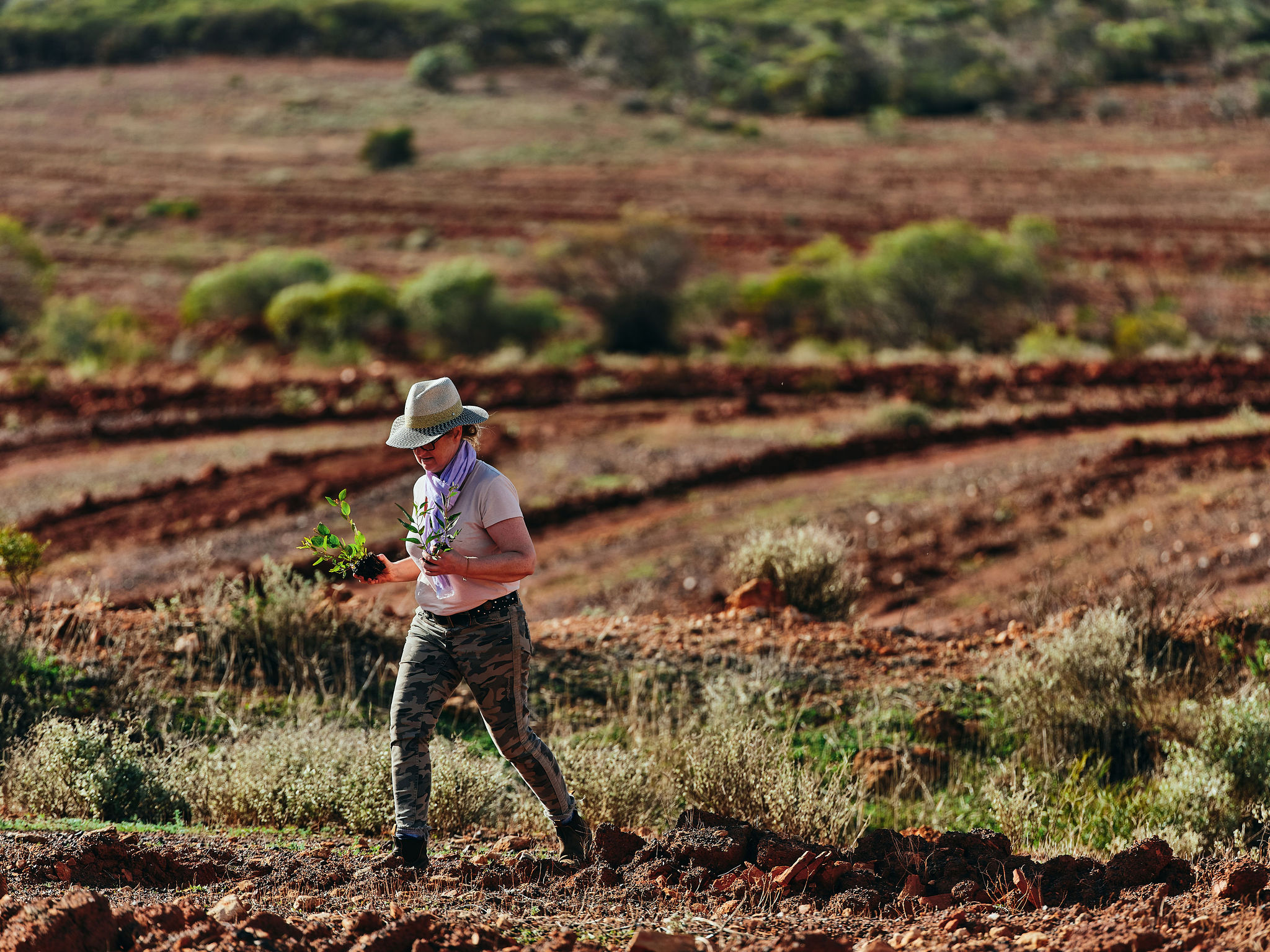
- Reduce Scope 1 and 2 emissions by 42% by 2031 from a 2021 baseline.
- Keep Scope 3 emissions at or below the 2021 baseline through the end of 2031.
- Enable at least two-thirds of suppliers to set science-aligned emissions reduction targets by 2026.
- Restore 200% of water consumed in high water stress regions and 100% in medium water stress regions.
- Match 100% of electricity use with clean and renewable energy.
- Set human rights and environmental expectations with supply chain partners and build their capabilities to meet those standards.

Reported Progress
The report highlights measurable results across its four pillars.
Clean and Renewable Energy
Meta-supported wind and solar projects are adding almost 29 gigawatts (GW) of clean energy to grids globally.
Water Restoration
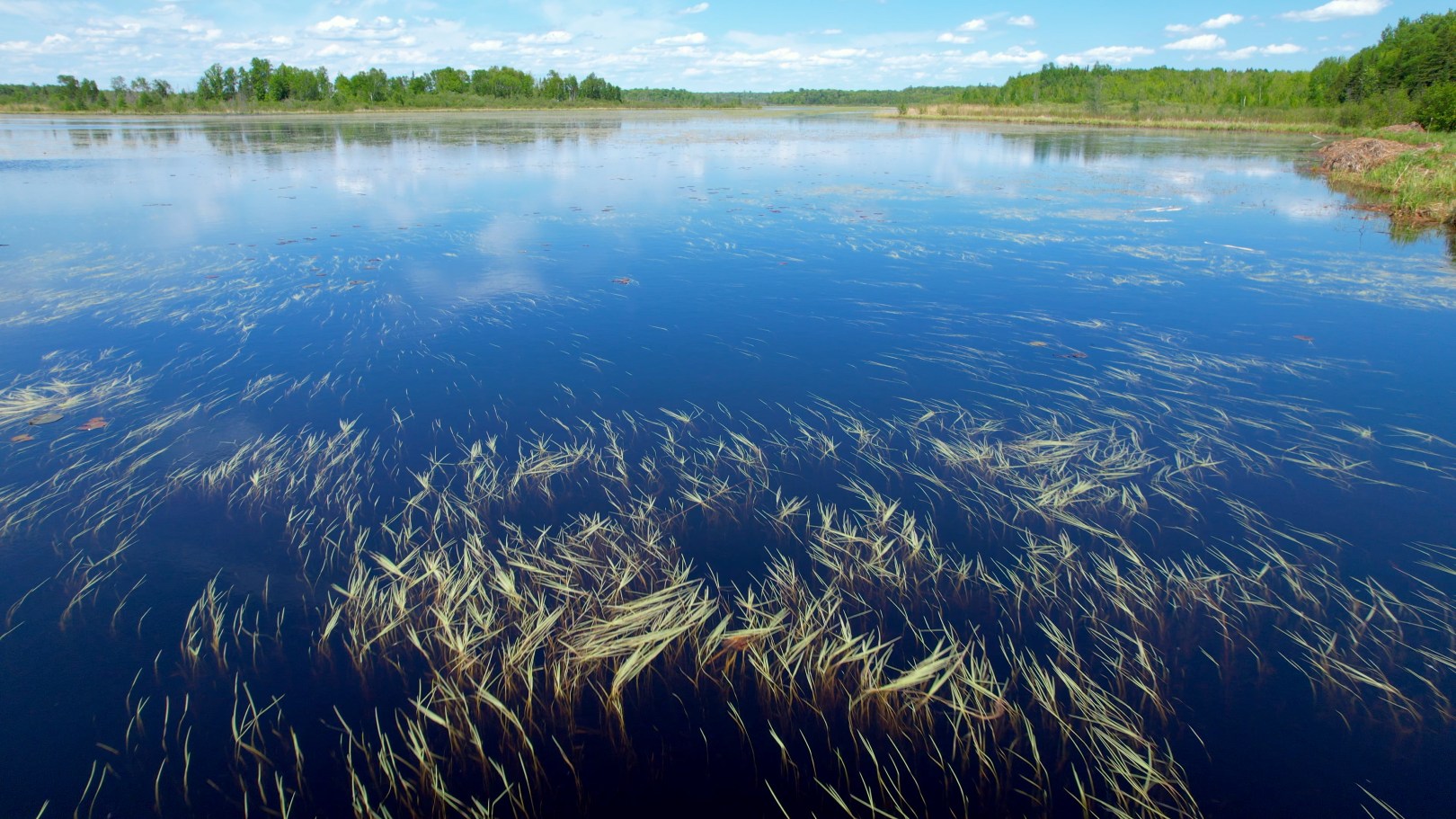
Since 2017, Meta has funded more than 40 water restoration projects. In 2024 alone, these restored over 1.6 billion gallons of water to high and medium water stress regions.
Data Center Biodiversity
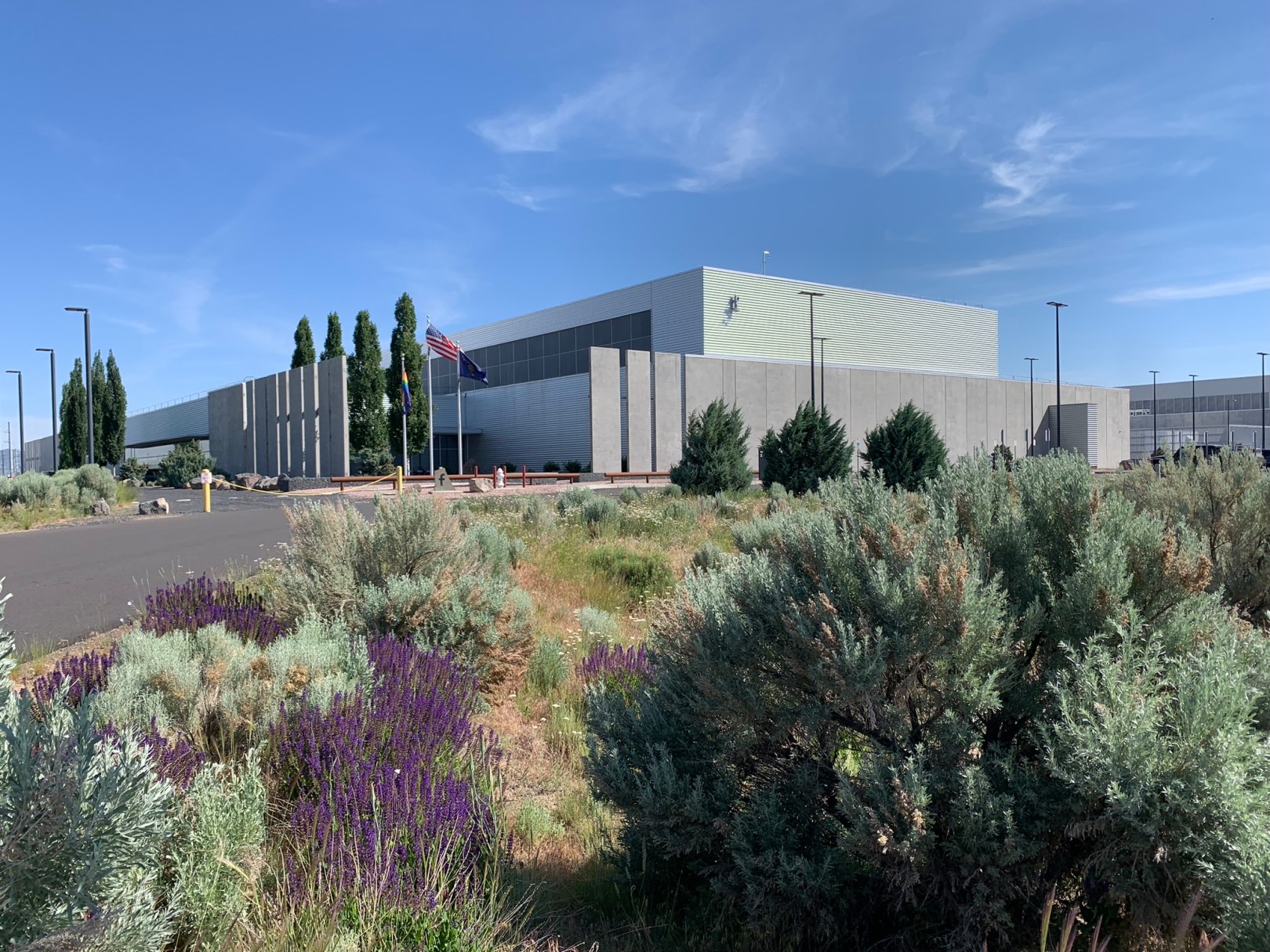
More than 50% of Meta's operational data center campus footprint — over 4,000 acres — is planned, installed, or preserved to support local habitats with native species.
Responsible Supply Chain
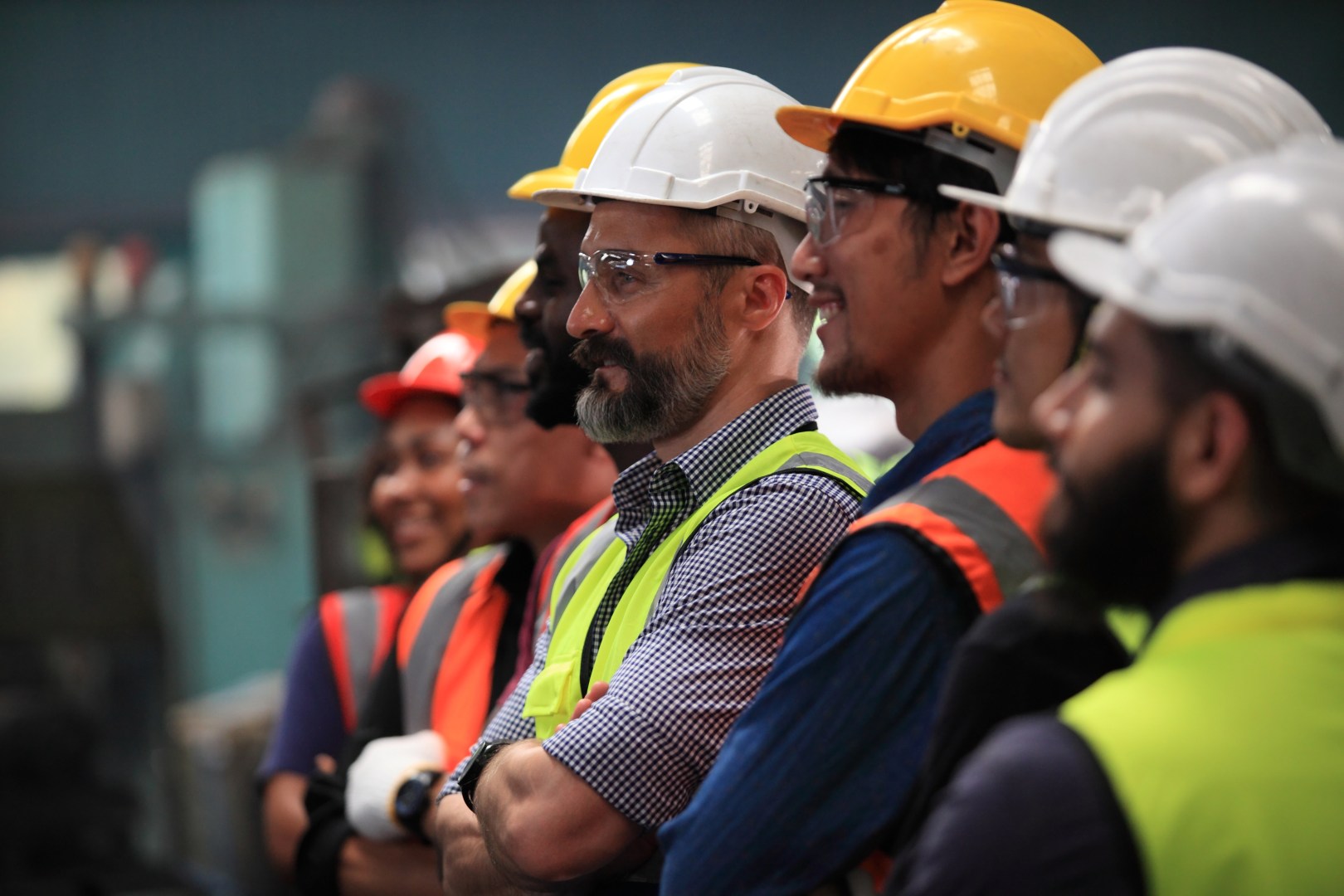
At supplier sites, Meta promoted safe process chemical management, led awareness and risk mitigation training, and supported substituting hazardous chemicals with safer alternatives where feasible.
Data Centers Built for AI
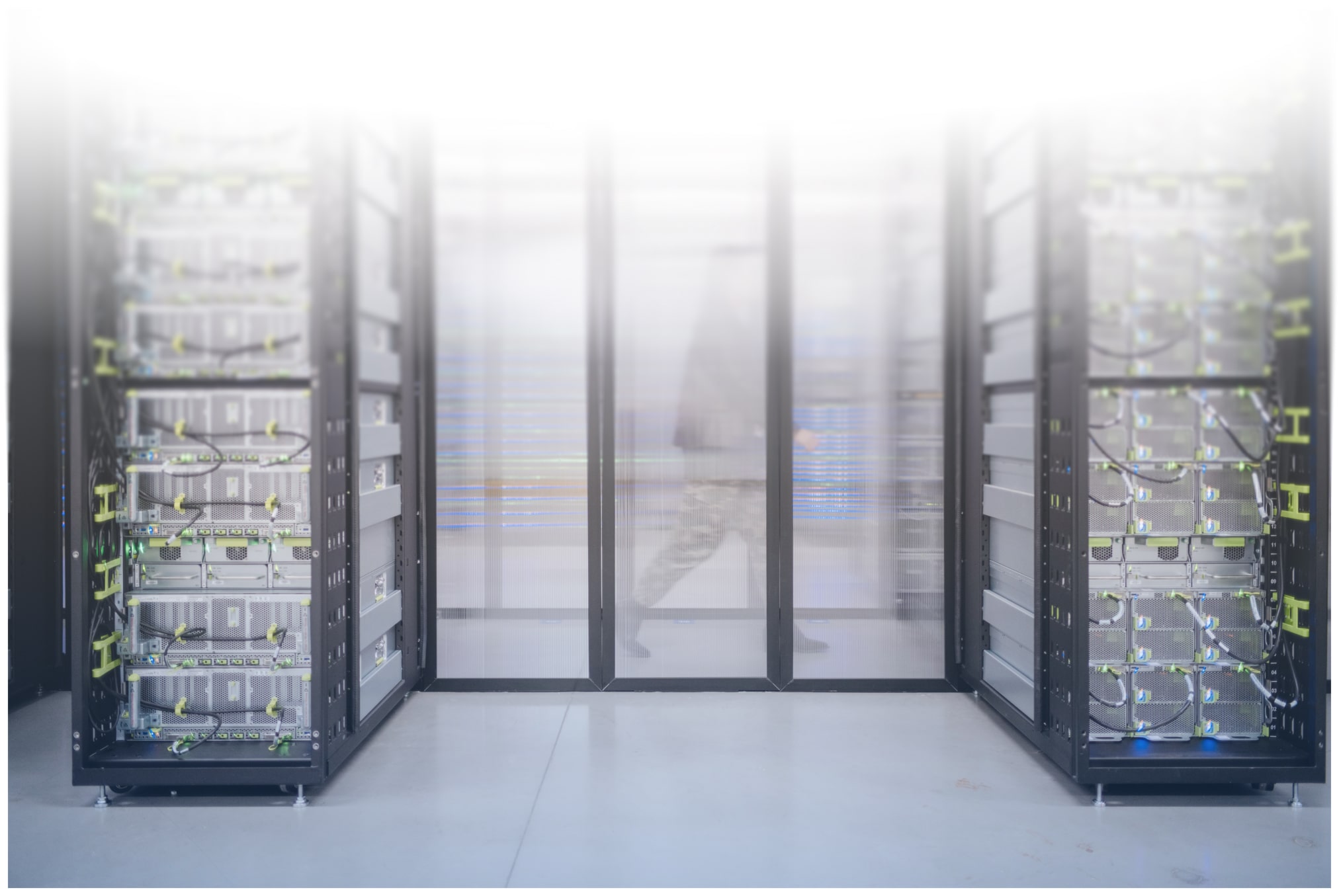
Designing scalable infrastructure for AI has pushed Meta toward more efficient data center layouts. The company's custom designs require fewer square feet for similar compute capacity compared to previous generations, which improves delivery time and cost efficiency.

Two notable metrics from 2024: 91% of owned data center construction waste was diverted from landfills, and 100% of owned data centers are certified LEED Gold or higher.

Innovation Pilots and Investments
Nuclear Energy Development
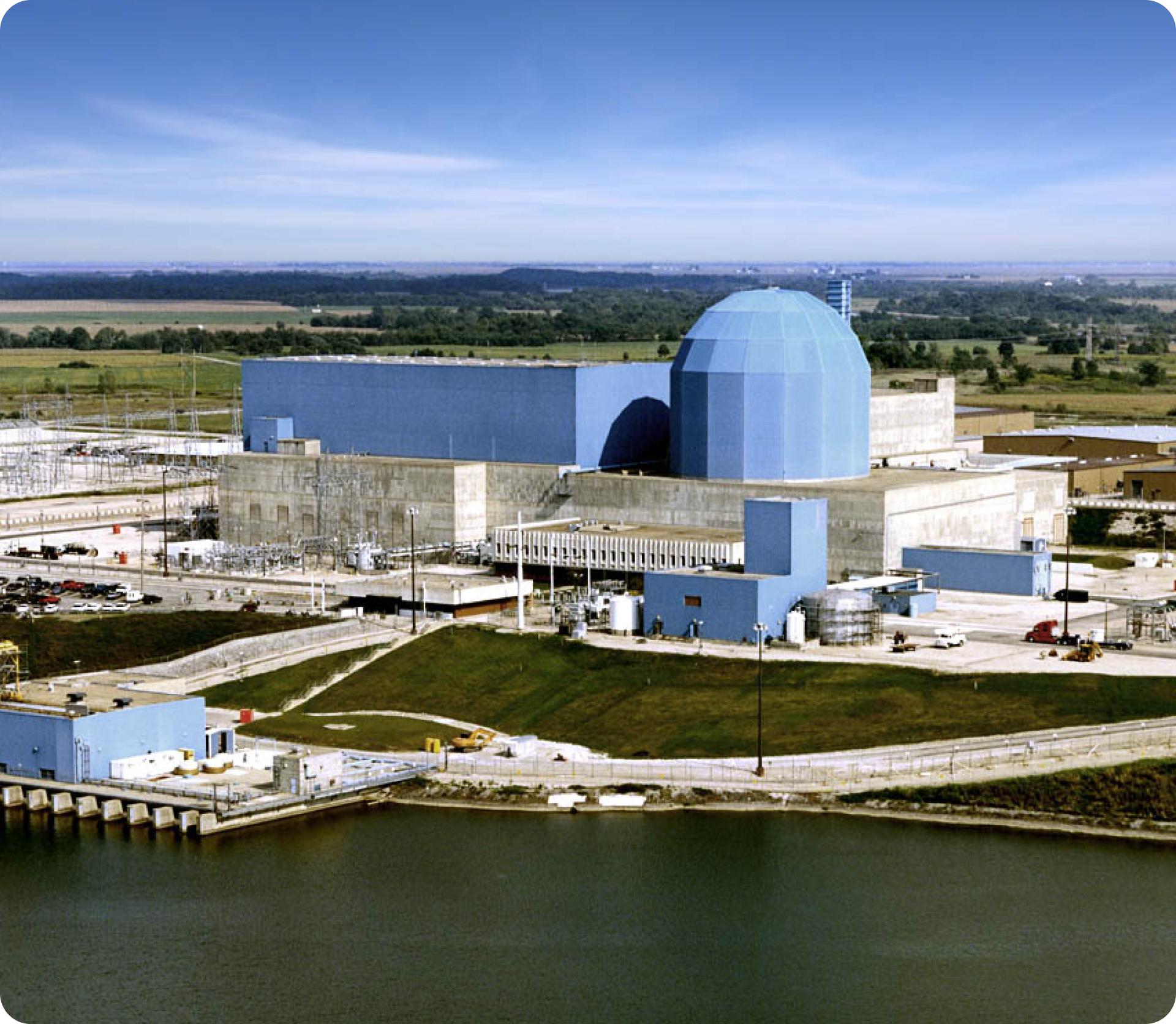
Meta is working with developers to add one to four GW of nuclear generation capacity in the US, targeting partners that can accelerate availability of new generators and scale sufficiently to reduce costs.

Mass Timber Construction
To cut emissions associated with data center construction, Meta is piloting mass timber — wood-based products engineered for strength and durability — in buildings on its data center campuses.

Nature-Based Carbon Removal
As a member of the Symbiosis Coalition, Meta is supporting development of up to 20 million tons of nature-based carbon removal credits by 2030.
Additional Resources
Supporting documents include the 2025 Sustainability Report, 2025 Environmental Data Index, 2024 Volumetric Water Benefits, and 2024 Independent Accountants' Review Report.


