
Postgres and Pawns: Chess Finds a Home at PGConf.eu
The idea started with a simple observation. Colleague Jan Karremans noticed that chess had become an informal fixture in the common areas during breaks at Postgres conferences. With more than 800 attendees expected in Athens, he saw an opportunity to formalize the activity and turn a casual pastime into a structured event. The result was what may well be the first-ever chess tournament at PGConf.eu.
A Tournament Built Around Availability
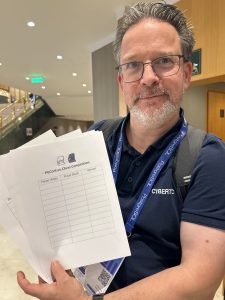
The tournament took a flexible format that suited the conference's hectic schedule. Players could sit at the chess table at any point, play a match, and log the score on a dedicated page. To handle periods when no opponent was at the board, the organizers set up a Telegram channel where participants could coordinate impromptu matches.
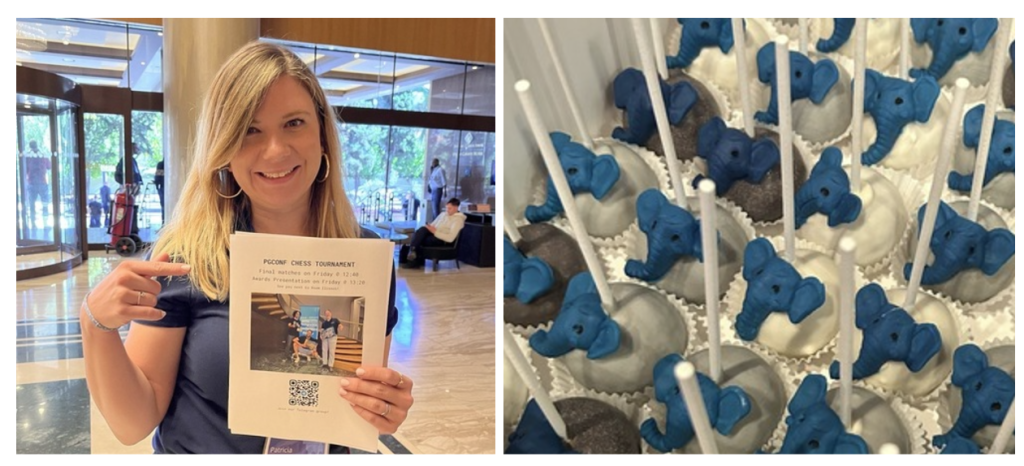
Logistics were kept light. Printouts and props were prepared—with a bit of patience shown by the hotel business center staff, who tolerated a stream of last-minute adjustments throughout the prep work. The gesture was appreciated in kind with a thank-you treat sourced from a local Greek confectionery.
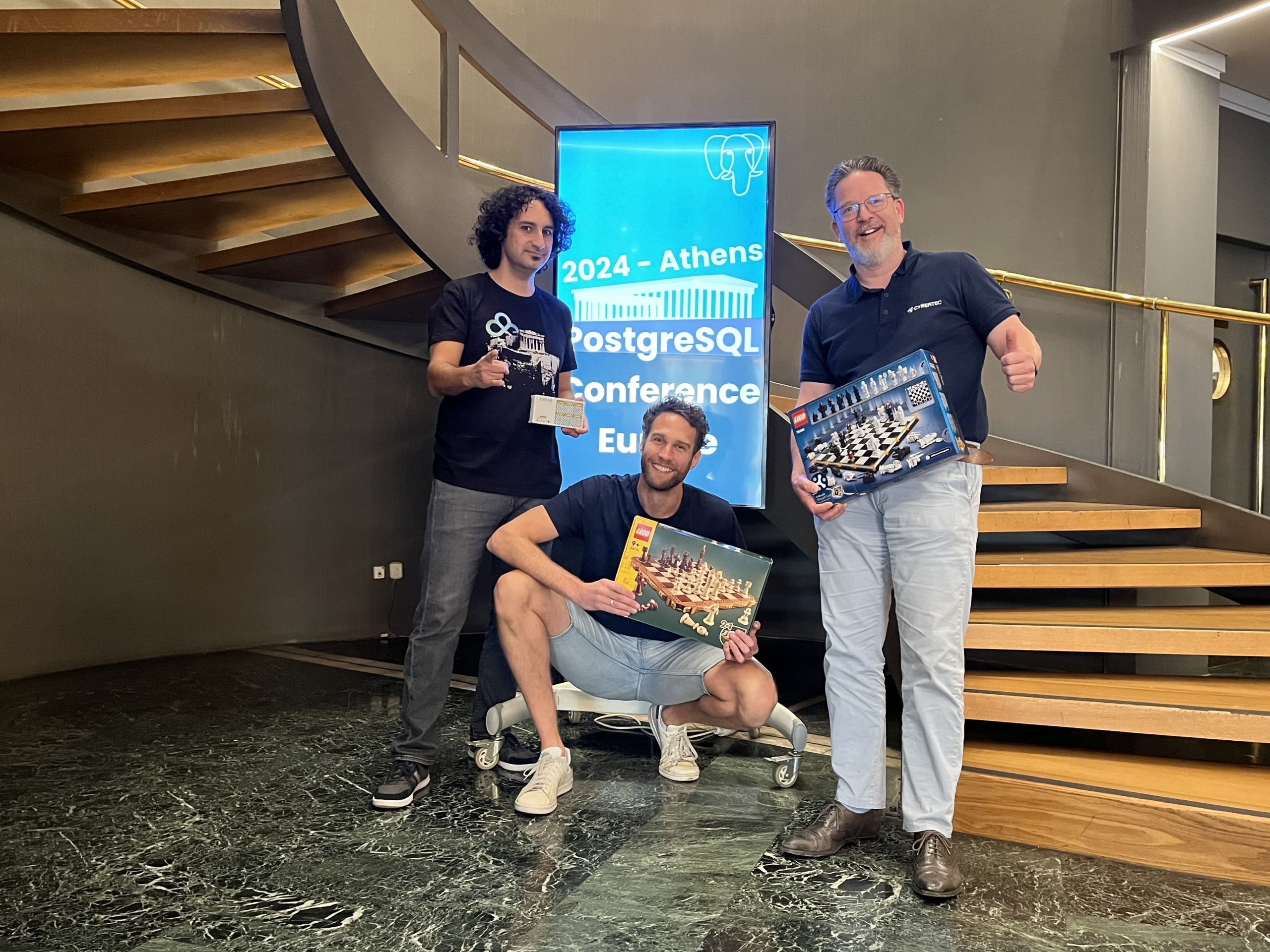
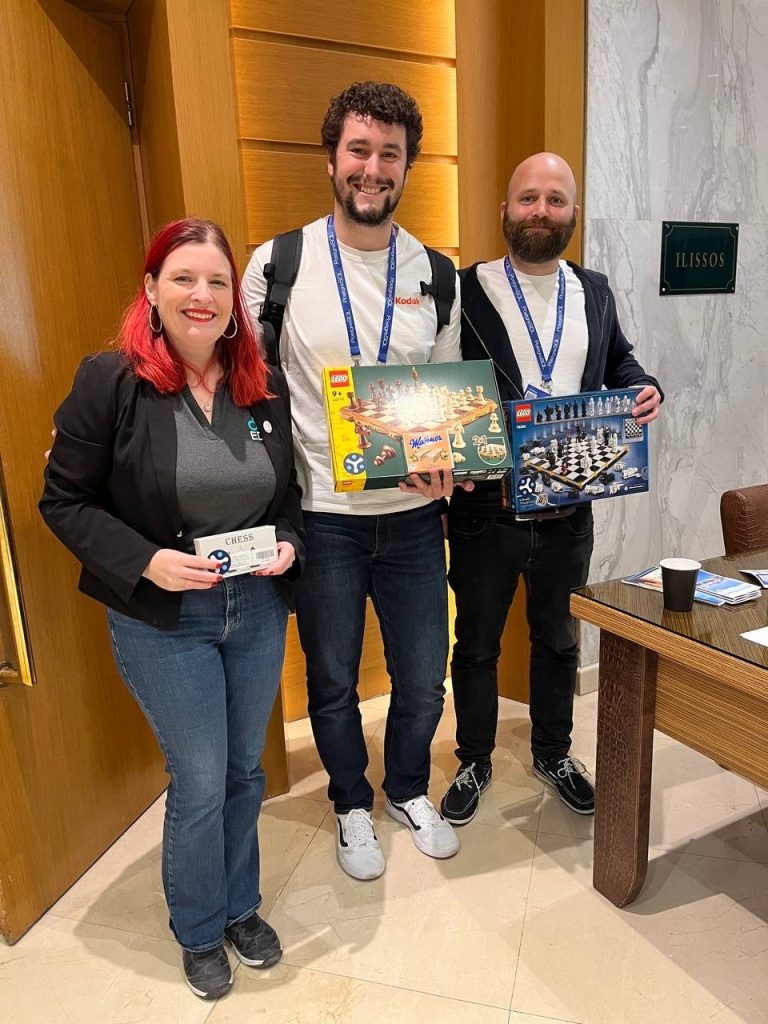
The turnout validated the concept. More than 30 participants played roughly 50 matches over the course of the event. The prize table included a classic LEGO chess set, a Harry Potter LEGO chess set, and a mini travel set, but the real reward was the opportunity to decompress between sessions. A friendly game offered a different kind of networking—one that didn't revolve around booth visits or tech talk.
Final Standings
Competition stayed civil but sharp through the final day. Haavard took first place, Miguel finished second, and Laetitia rounded out the podium in third, earning the "Chess Queen" title for her performance.
A Community Beyond the Code
For someone still finding their footing in the Postgres community, the experience was a hands-on introduction to its culture. Working alongside organizers Boriss Mejías and Derk van Veen offered a clear view of the group's character. Their support turned an extra project into a rewarding experience, one that forged a stronger sense of connection to the wider Postgres ecosystem. Shared hobbies, beyond the database itself, build bonds that standard networking conversations rarely touch. The organizers are open to feedback and hope to run the tournament—or something like it—again at future events.


