A Software Engineer Tries Crochet, Finds Counting Harder Than Code
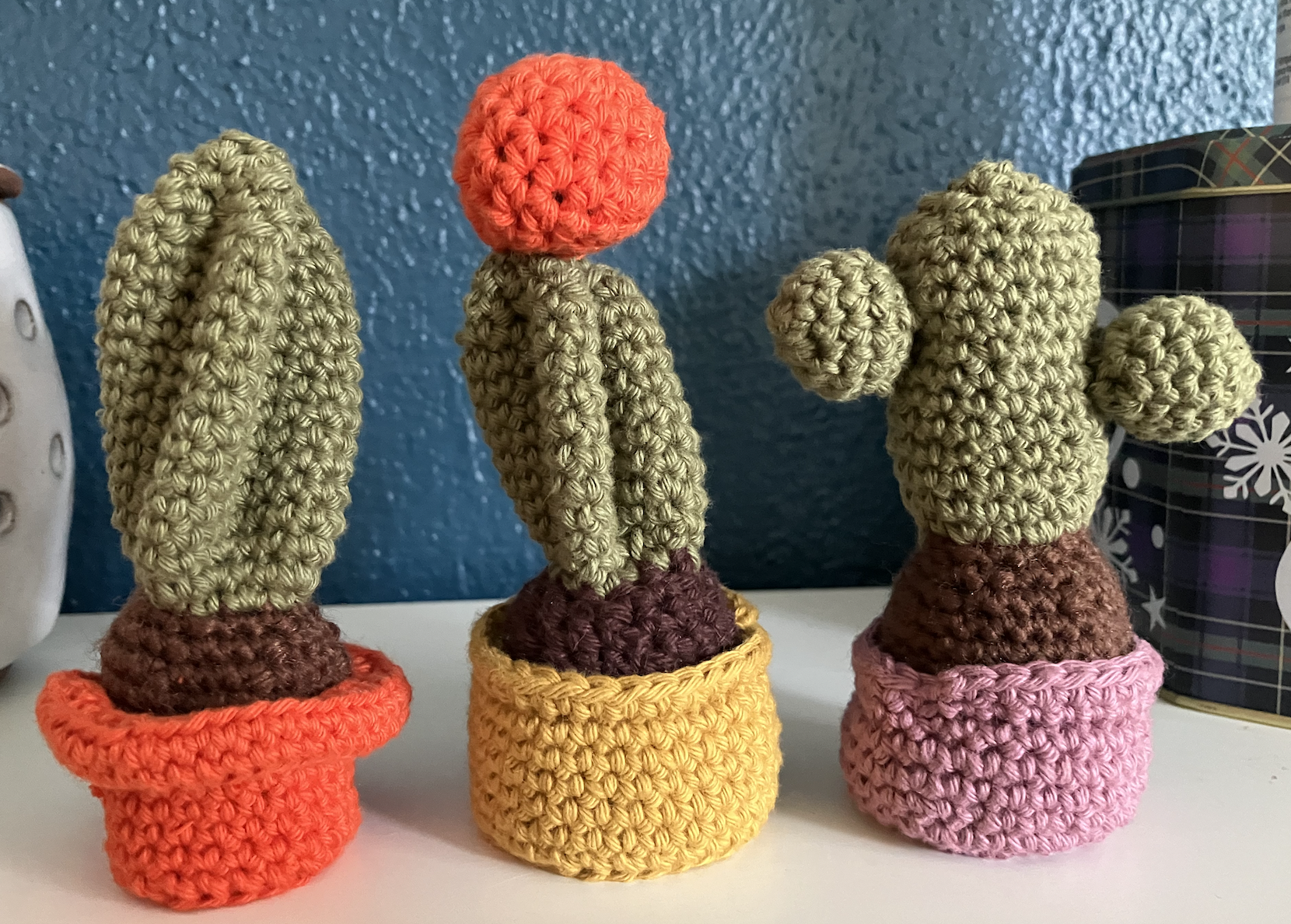
Crafting and coding have more in common than you might think: both involve patterns, repetition, and debugging. The key difference is that a dropped stitch in crochet is a lot more forgiving than a null pointer exception and requires no terminal window. For a change of pace, some of us in tech have been writing about non-technical hobbies this week. Here are the notes from one engineer's first forays into the world of amigurumi—tiny crocheted creatures, specifically cacti.
I've been deliberately picking up hobbies that don't involve a screen, without the pressure to get good quickly. The results are a little wonky, but they're growing on me—metaphorically and literally.
An Amigurumi Menagerie
The process has produced a few other critters beyond the cactus patch: an elephant with an endearingly crooked head (an accident that turned out to be a feature, not a bug), a small orange creature, and an earlier, rougher attempt at a cactus that's pictured mid-construction.
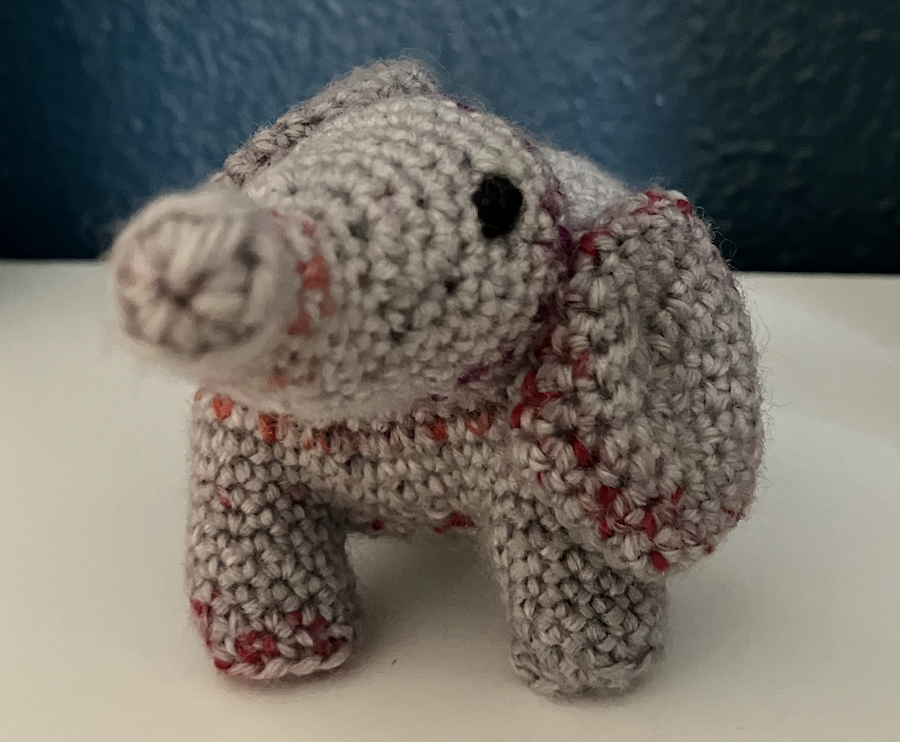
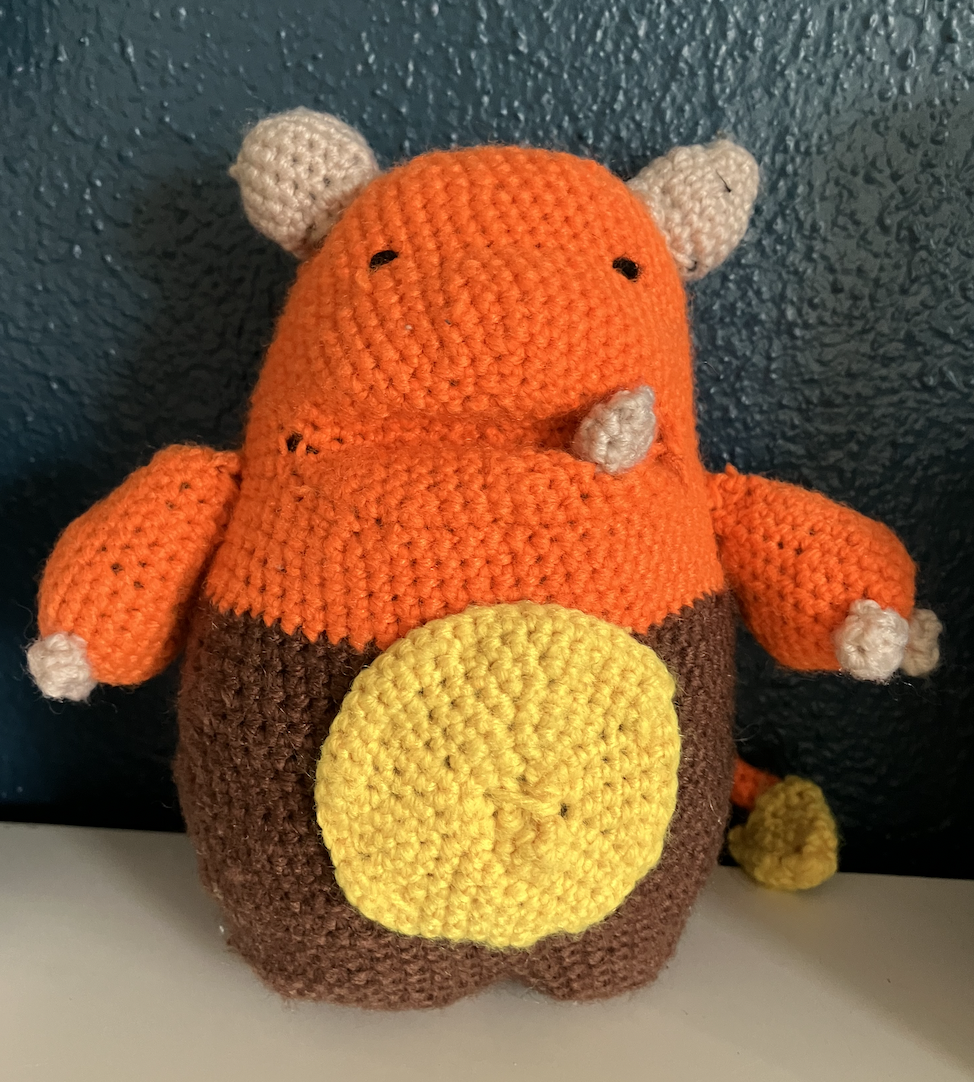
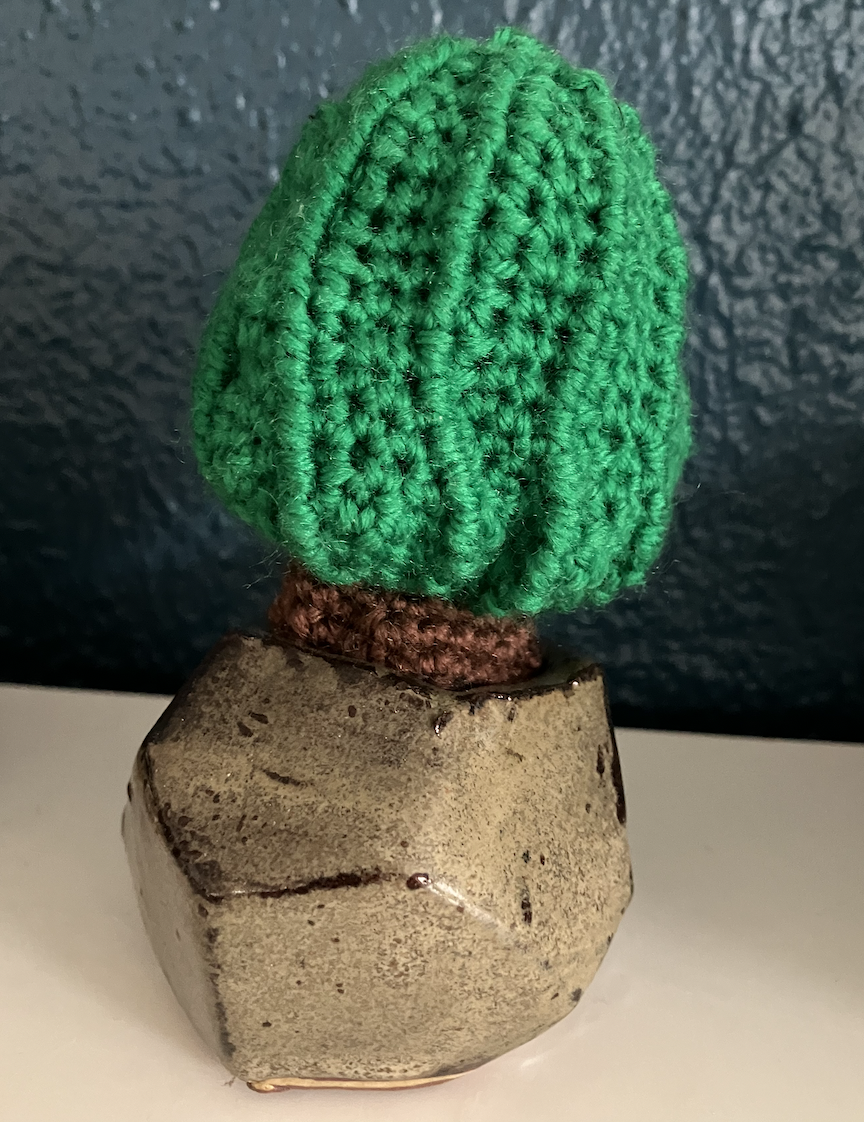
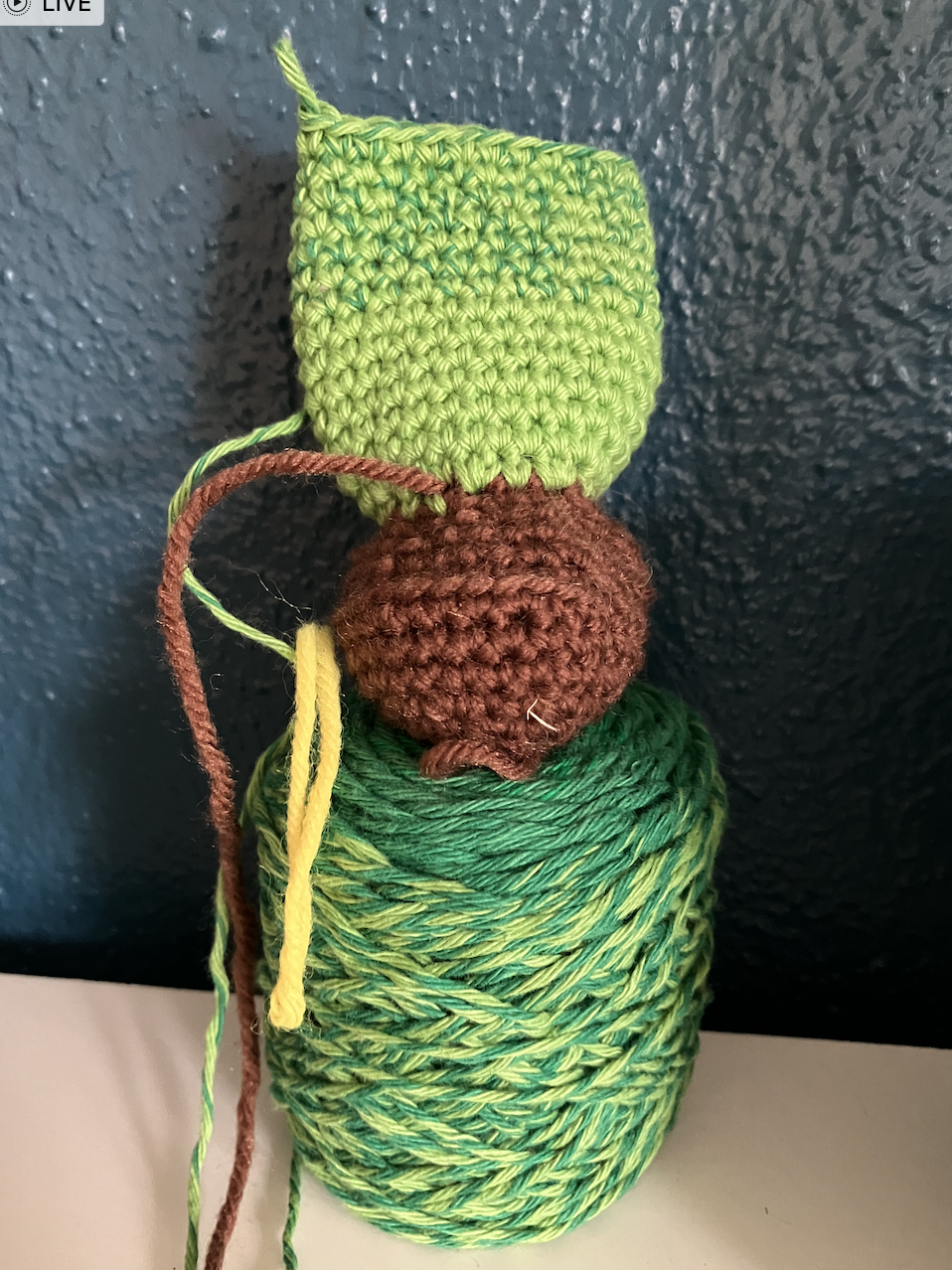
I didn't worry too much about these being perfect. The elephant's head is attached at an angle that was not intentional but adds a lot of character.
Getting Started With a Mouse
The first project was a little mouse, which took about three hours from start to finish. It was riddled with mistakes and didn't look nearly as cute as the pattern's photos, but it worked. It was the proof of concept that this was a hobby worth continuing.
Patterns: Free, Paid, and Chaotically Modified
The project list started with free patterns from the web. Once it was clear this was more than a passing whim, I invested in a paid pattern ebook, Knotmonsters: Cactus Gardens Edition, for a set of mini cacti designs. Paying for patterns weaves a bit of support into the crafting community. Designing own patterns via Ravelry guides seems like a significant endeavor; currently, the time is better spent appreciating others' work.
The disciplined approach has been entirely abandoned in favor of chaos: most of my work involves improvising edits to the original designs, often to adjust for a wrong stitch or a missed row instead of unraveling the work. Common mutations include:
- removing entire rows
- reducing the number of stitches in a row
- substituting a different stitch type entirely
This might not always work, but a large portion of the time it produces something acceptable. All these mistakes are the best learning tool.
Dealing With the Yards of Yarn and Hooks
Working with crochet requires a lot of counting against a pattern's instructions. The math isn't hard ("single crochet 3, double crochet 1, repeat 6 times"), but doing it accurately without losing your place is. A couple of strategies have emerged to handle this the forgiving way:
- Go back and visually inspect the stitches to check what you just did. Though it's not a perfect science yet, it's notably easier to read the structure in wool or cotton yarn compared to acrylic.
- Do a running count of total stitches since the last round. If the number is roughly on target ("I have 19 stitches; pattern says 20—close enough"), consider the project fine as-is or throw in an extra stitch on the spot to compensate.
Yarn Weights and Hook Sizes
So far the testing has covered three different types of yarn. The elephant was made with merino wool, the cacti with cotton, and the orange one with acrylic. No clear winner yet, though the acrylic is the least favorite of the three. For small projects like these, buying small quantities is the ideal experimentation method, and using tiny skeins means less waste if the hobby fades a week later. The cacti used Ricorumi DK cotton yarn, which arrives in many colors in manageable, small balls.
The world of yarn weights (lace, sock, sport, DK, worsted, bulky) is still a mystery, though most work so far has stuck to DK and worsted weights. For hooks, a default of a 3.5mm hook seems to work fine for these compact crafts. A larger hook worked when making a hat. The precise hook-size math seems flexible enough to make a cactus without much consequence.
Learning the Five-ish Stitches
There's remarkably little to learn to get started crafting:
- magic ring (mr)
- single crochet (sc)
- half double crochet (hdc)
- front post half double crochet (fphdc)
- double crochet (dc)
- working in front loops only/back loops only (flo/blo)
- and the fundamental dictates to increase or decrease a stitch.
The strategy for learning a new stitch is decidedly unreliable: find a pattern with a new stitch, skip reading the tutorial, and wing it with a quick YouTube video. Sarah Maker's pages were enormously helpful, except for the magic ring, which needed a specific 3-minute tutorial. It took about four failed projects before properly mastering that ring because the video wasn't watched closely enough.
Keeping It Minimal and Cheap
The base kit was acquired as a gift: crochet hooks in multiple sizes, large sewing needles for embellishments, and various other bits and bobs. The material needs were rounded out with just one purchase of the colorful ricorumi cotton and a singular ball of gray yarn for the elephant.
Part of the appeal is not accumulating a junk drawer full of craft debris. A single shoebox currently fits everything.
- Skip the safety eyes: Instead of buying plastic safety eyes from a store, the objects get a haphazardly stitched face using black yarn and the big plastic needle from the kit, with a wish and a hope it looks passable.
- Skip the fiberfill: Instead of buying polyfill for stuffing, an old, worn-out sweater gets chopped up and repurposed as filling.
- Skip the stitch markers: Instead of using tidy plastic pieces from the kit, a short bit of scrap yarn in a contrasting color serves as just as reliable a row marker.
Why Crochet Works as Unplugged Software
Crochet hits the deadline-ish marks that make a tech hobby stick:
- It provides a way to unplug from a computer, even while keeping the hands busy and making it easy to socialize.
- It's a compact, low-investment, portable hobby.
- The tangible results—future succulent roommates—are pleasant additions to a living room.
- It's forgiving to a fault: mistakes and haphazard engineering usually work out with nothing more than charm.
There is still plenty of improper form left to discover, and the half-off discipline has produced several glorious little fabric cacti so far.


