

The Rationale Behind Guaranteed Minimum Income
When I invited Americans to join in the pledge to Share the American Dream, the response reinforced something we felt deeply: those with resources have a responsibility to give back. As my partner Betsy put it, "We have everything we need"—the question is how to ensure everyone has what they need. Since the 2021 sale of Stack Overflow, I've been asking myself when exactly is enough.
After donating roughly $21 million to immediate-need organizations including Team Rubicon, The Trevor Project, VoteVets, the Internet Archive, and dozens of others, we recognized an uncomfortable truth: short-term firefighting isn't enough. You need fire abatement, too. That's why we pledged another $50 million to address root cause issues.
Why GMI over UBI
By March 2025, our family had consensus on the direction: Guaranteed Minimum Income (GMI), our refinement of Universal Basic Income. The distinction is important. Rather than sending checks to everyone regardless of circumstance, GMI concentrates support on those carrying the heaviest burdens—families in deep, generational poverty.
The evidence pushed us toward this model:
- The data is clear that cash works. The OpenResearch study—the largest and most detailed guaranteed income study ever conducted in the USA—found participants increased spending on basic needs, showed a 26% rise in support given to others, reported 20% less alcohol use, and used 53% fewer non-prescribed painkillers. Study after study repeats the same message.
- This is survival money. Not discretionary income. It's for putting food on the table, keeping a roof overhead, and fixing the vehicle needed to get to work. When people experience the dignity of having their basic needs met, even briefly, they feel trusted—and they start to see possibility.
- GMI requires initiative. These are opt-in programs. Participants sign up, demonstrate income qualification and residency, and are randomly selected from a pool of eligible applicants. It's not a passive handout; it's an active partnership between individuals, their communities, and program operators over the coming decades.
One recipient from West Virginia captured the reality of life on the edge:
I moved here with my family. And I have no family up here other than who I brought with me. So, how most people can be like, "Hey, I'm having a hard time. Got $20 or a pack of diapers." I have nobody up here to do that. So, if me and my husband don't figure it out, it don't get figured out.
I was working full-time until I got pregnant. I prayed for this baby for 10 years. So, as soon as I got pregnant, I stopped working. I was high risk. The day I got cleared to go back to work, my vehicle broke down. It was the only vehicle that we had that carried all the kids. So, I've been four months without my car. So this is also going to get my vehicle back on the road.
Building on What Works
Our approach treats previous research as a starting point, not an endpoint. The philosophy follows what we know from software: iterate, adapt, and improve the playbook.
- Repeatable science. Every study we run will be replicable, and all data will be open and freely shared. We're contributing to and partially funding UBIdata, a global open repository for basic income pilots. This parallels our past decisions to make Stack Overflow content Creative Commons and Discourse fully open source.
- The rule of three. Just as we apply it in engineering, we'll use three counties in initial studies, then apply lessons learned to each subsequent group of three counties, refining the playbook anyone can use.
- Seed funding for families. Research consistently shows dollars directed to lower-income families get spent quickly, reduce hardship, and improve children's outcomes. "Trickle up" economics moves money where it works hardest—in direct contrast to trickle-down tax cuts that increase income inequality while producing no measurable effect on growth or employment.
- Trust-based philanthropy. This is venture capital thinking applied to social change. We primarily fund and strengthen existing organizations like GiveDirectly and OpenResearch because they bring the deepest experience in the GMI space. We've done our own research—we don't need to fake-build what already exists.
Cash Transfers Move to Rural America
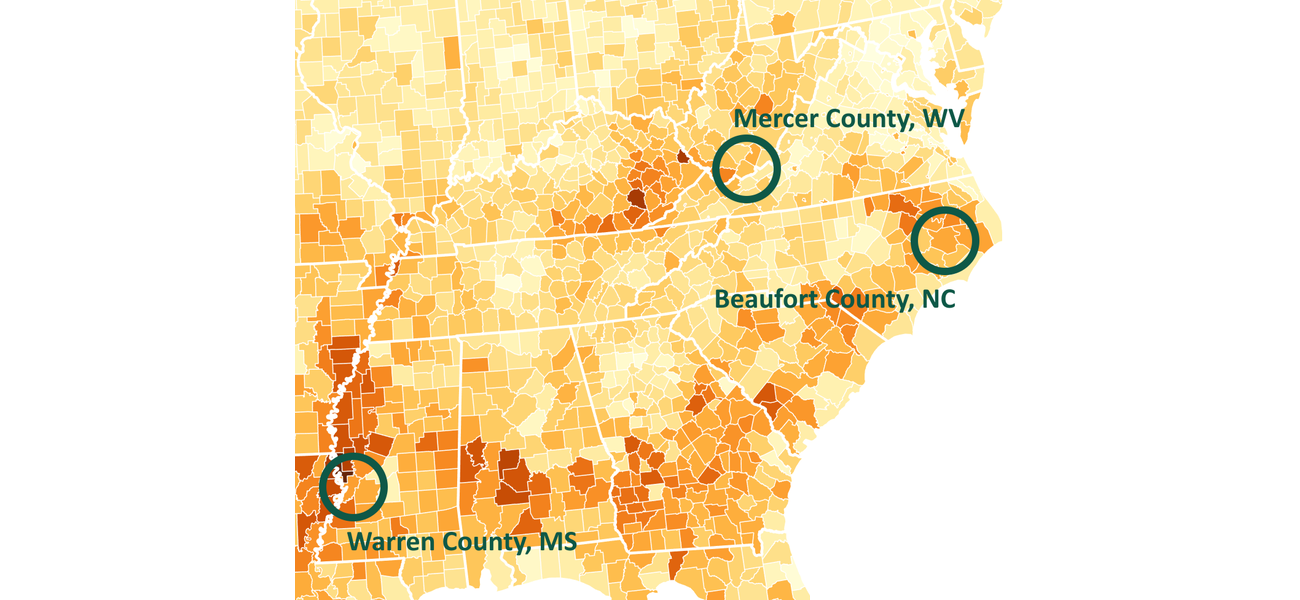
The Rural Guaranteed Minimum Income Initiative (RGMII) is now funding its first three county-level programs in Mercer County, West Virginia; Beaufort County, North Carolina; and Warren County, Mississippi. Each program is designed to lift thousands of residents out of poverty over a 16-month period while publishing the data and results for public scrutiny.
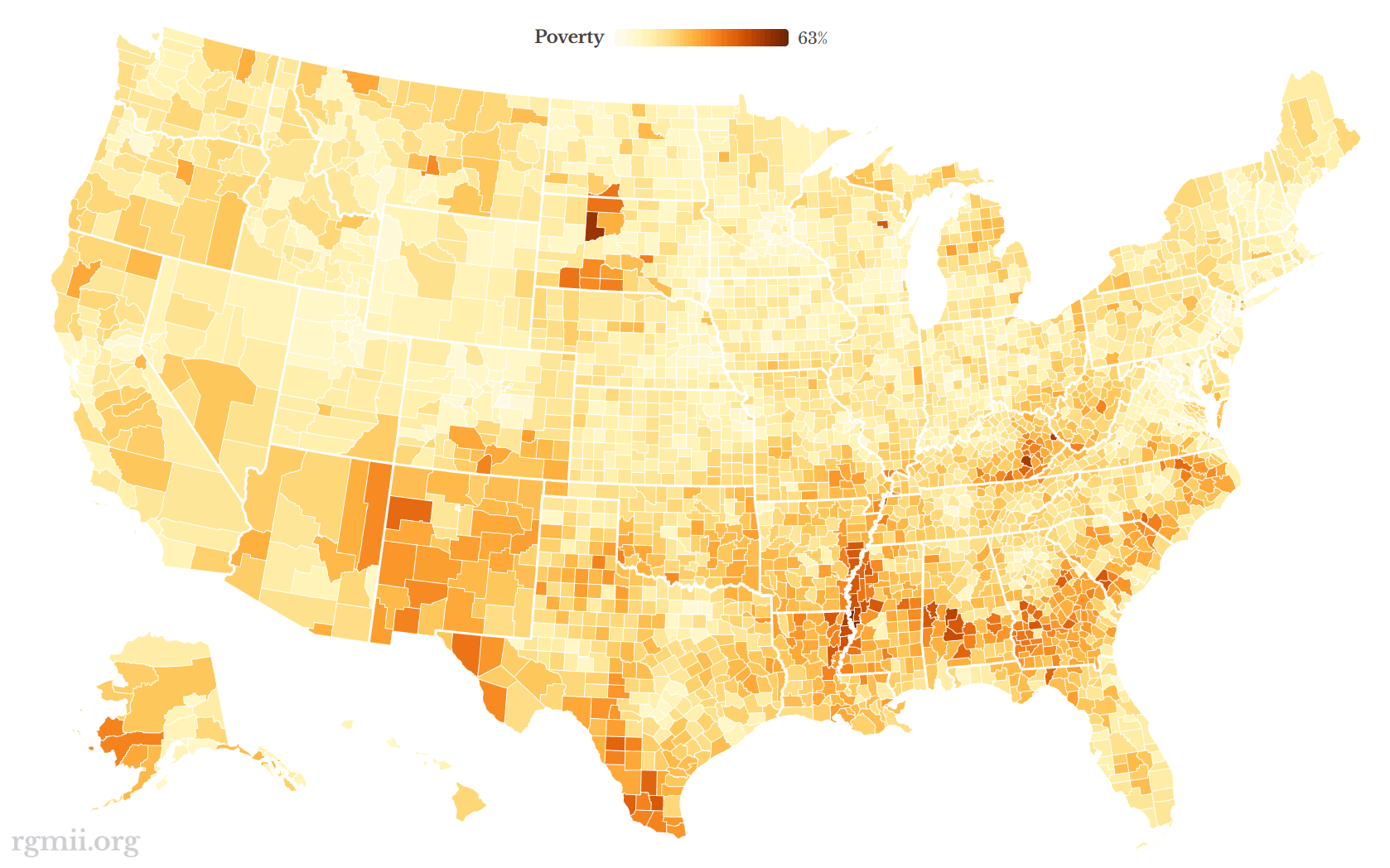
The focus on rural counties is deliberate. Dollars stretch further there, poverty rates are higher, and smaller populations make for tighter, more controlled studies. Rural areas also tend to be overlooked in national policy debates despite being home to substantial untapped talent. The project's stated aim is to eventually expand to all 50 states.
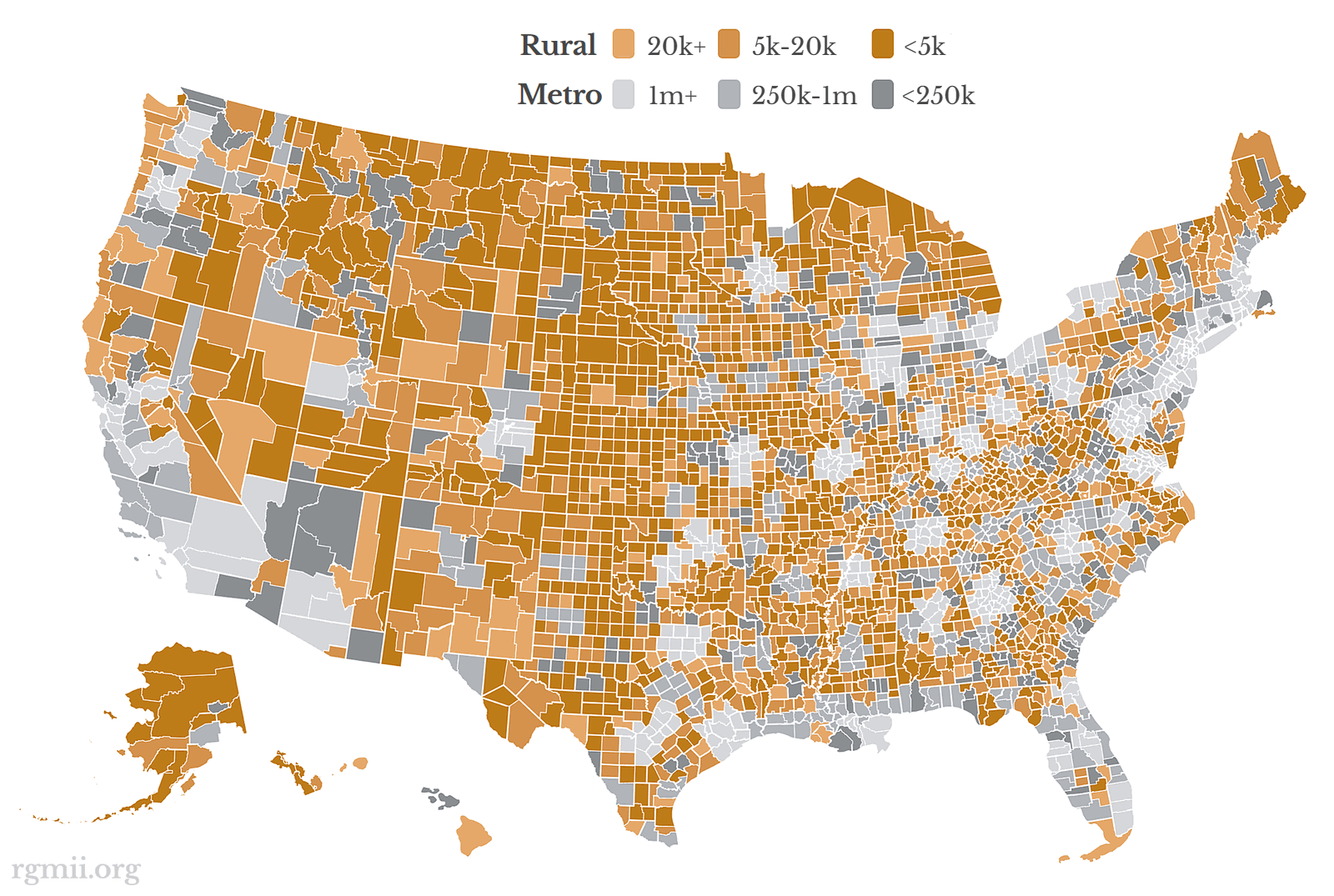
The three inaugural programs are already underway, but the organization sees them as a foundation rather than an endpoint. The broader ambition is considerably larger, and the project is explicitly framed around the idea that direct cash transfers are a proven mechanism for helping people cover basic needs, maintain stable housing, and absorb unexpected expenses.
How to Participate
RGMII invites broad participation. People can help by sharing study results, learning about the history of guaranteed minimum income (GMI), contacting elected representatives, and generally spreading awareness. A surprising number of people have never encountered the terms UBI or GMI, and misconceptions about what these programs do and how they work are common.
For those in a position to fund county-scale work—the organization's phrasing is "those to whom much is given"—there is an open invitation to sponsor a new GMI study in a rural county and help extend coverage toward all 50 states. The goal is to continue generating open data while lifting more people out of poverty.
This is described as the founder's third and final startup. Rather than building a traditional foundation, the sole objective is advancing direct cash transfer as a policy tool. The position is straightforward: simply giving money to those most in need may be the most radical act of love available, and the available data consistently shows it works.


