Feature Flags Gain First-Class Placement in Vercel
Vercel is expanding its feature flag tooling with three updates: a generally available Flags Explorer for session-level overrides, a new Experimentation category on the Vercel Marketplace with Statsig as its launch partner, and a revamped Flags SDK that can read directly from provider sources.
Session-Level Control via the Toolbar
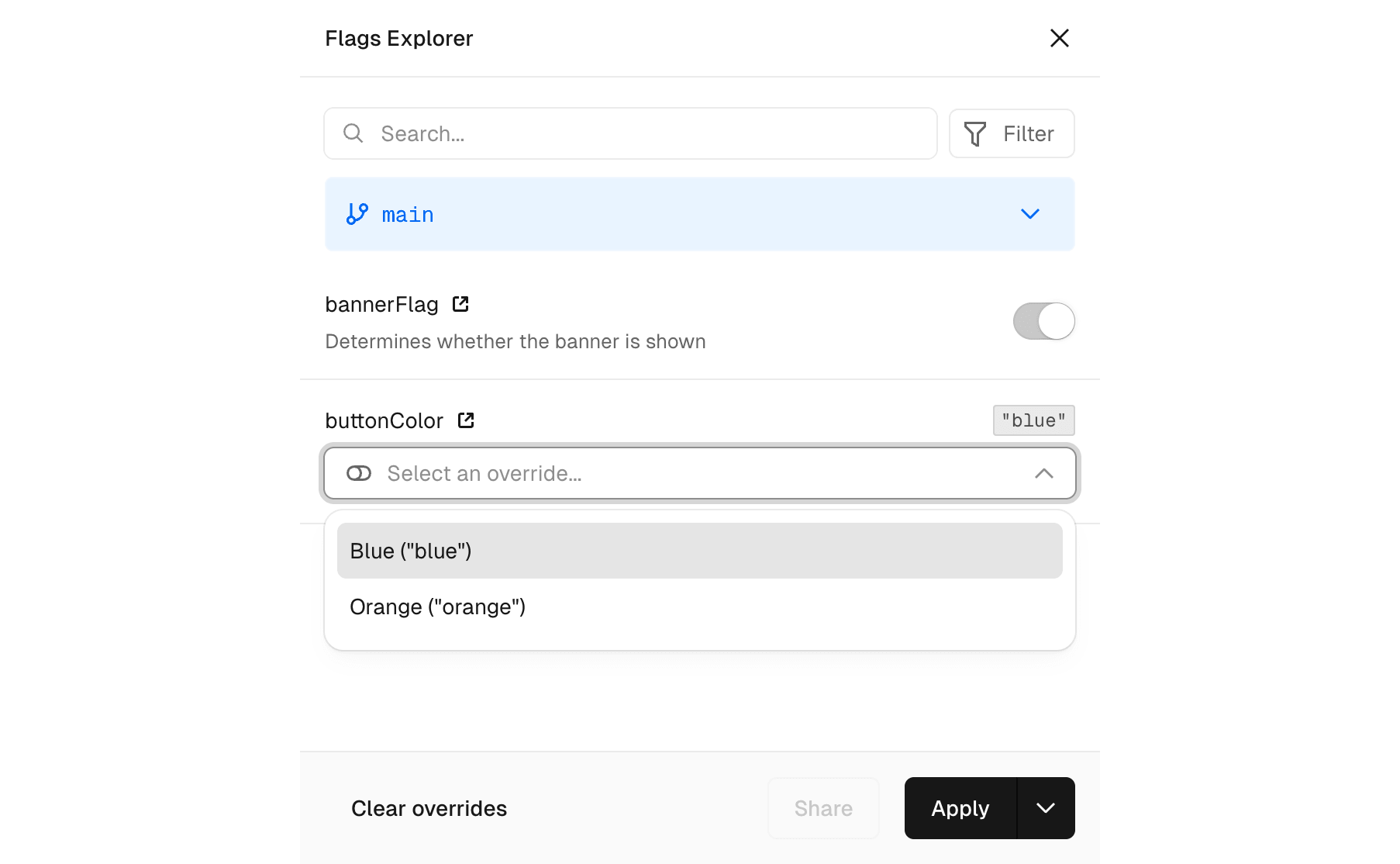
The Flags Explorer, accessible from the Vercel Toolbar, provides a central view of all active feature flags for a project. Users on every plan can now override flag values directly from the toolbar, enabling testing in production without logging into the flag provider or affecting teammates' sessions. This is useful for demos, private QA, and collecting feedback by sharing overrides with specific team members.


Marketplace Experimentation Integrations
A dedicated Experimentation category on the Vercel Marketplace connects projects with experimentation and feature flag platforms, handling provider credentials within the Vercel deployment workflow. Launch partner Statsig brings a feature flagging and experimentation platform directly into this flow, with several integrations managed by Vercel:
- Quick setup: Provider configuration completes within a few clicks.
- Managed configuration: Environment variables and API keys are prefilled automatically.
- Consistent deployments: Flag settings and version history remain uniform across environments.
- Low-latency evaluation: Flags sync into Vercel's Edge Config to reduce network overhead and maintain availability if the provider is unreachable.


Providers interested in listing in the Experimentation category can reach out via [email protected] or consult the provider documentation for onboarding details.
Flags SDK Gains Adapter Architecture
The open-source Flags SDK, which supports Next.js and SvelteKit, has added an adapters layer, allowing feature flags to load from multiple providers or a custom source without boilerplate integration code. As an example, the @flags-sdk/statsig package connects Statsig directly to the Flags Explorer, permitting in-toolbar management of those flags. Additional provider adapters are in development.
npm i flags
import { flag } from 'flags/next';
export const exampleFlag = flag({
key: 'example-flag',
decide() {
return false;
},
});
The SDK continues to handle runtime control for A/B tests, staged rollouts, and user personalization, evaluating flags flags without requiring a redeployment.
Documentation
Full details on using the Flags Explorer, creating overrides, and integrating providers are available in the Vercel feature flags documentation.


