
The First Contribution Is the Hardest
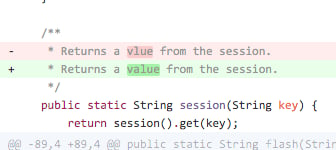
Every open source journey has a starting point, and mine was absurdly small: a typo fix in a comment inside the Play framework codebase. I spotted it while debugging back in December 2012, barely a programmer at the time. The pull request was merged within hours.
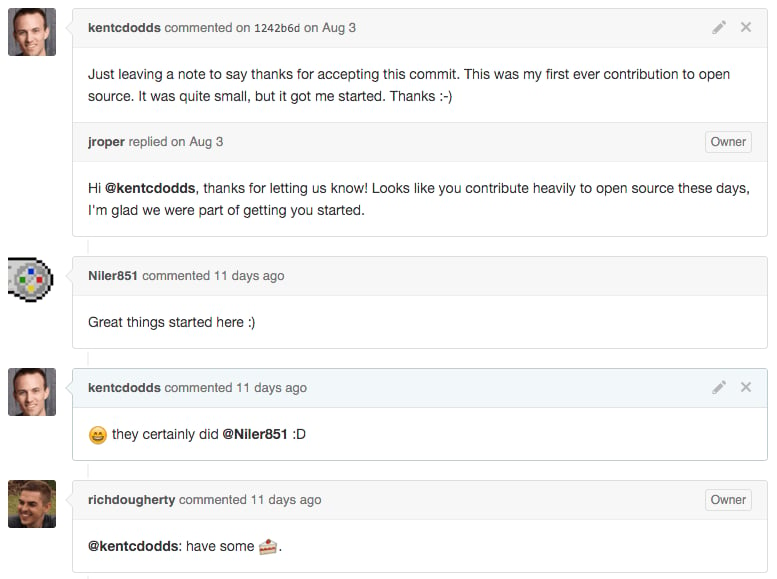
Months later, I circled back to leave a thank-you note on that same PR. A stranger replied, and somehow that exchange ended with me receiving digital cake.
That tiny PR was the gateway. It cleared the single biggest hurdle in open source — making that first contribution. Everything after it — the skills, the connections, the opportunities — traces back to a one-character fix.
What Contribution Teaches You
There is no better classroom than reading code written by dozens of different people while dozens of others read yours. Contributing to other projects and maintaining your own exposes you to build systems like webpack, Grunt, Gulp, and Make, to different file and code structures engineered for readability and maintainability, and to JavaScript APIs you never knew existed. You pick up automation tools and get hands-on experience with Continuous Integration services without any risk.
Another quiet benefit: maintainers review your pull requests for free. Expert developers scrutinize your code, point out flaws, and teach you where you can improve. That kind of feedback is hard to find elsewhere.
The Career Side Effects
Recruiters start showing up. My GitHub email alias gets a steady stream of messages, and building credibility on the platform makes people curious about what you're working on — and whether you'd want to work on their problems full-time.
The big names like Brian Ford, Dan Abramov, and Sebastian McKenzie all found jobs through open source visibility, but you don't need that level of fame. Matt Apperson, Rahat Khanna, and Bram Borggreve each made steady contributions and landed roles because of it.
Not everyone who benefits contributes code. Christopher Chedeau and John Lindquist got hired off the back of blog posts, and Olivier Combe through conference speaking. Community contributions beyond code also carry weight — worth doing even if you never touch a pull request.
The Human Side
GitHub conversations evolve into Twitter friendships and, eventually, real-life meetings. The people you collaborate with are facing the same problems you are, which makes for a naturally strong bond.
Open source is also a multiplier for impact. Spend five hours on a project, and you might save 500 developers several days of work each. When someone writes to say your tool saved them weeks, it's deeply rewarding. If a project has done that for you, open an issue and simply say thanks.
Where to Start
If you've never contributed, give it a try — it's fun, rewarding, and good for your career. The best project to start with is one you use regularly:
You contribute best to something you use regularly.
— Open Source Stamina
My first PR was a one-off to the Play framework, and I never submitted another one there. It was perfect for breaking the ice. But if you want to leave a mark on a community, identify the tools, libraries, and frameworks you rely on daily and look for ways to improve them. That's where sustained contribution begins.


