

Technology as a Tool for Economic Equity
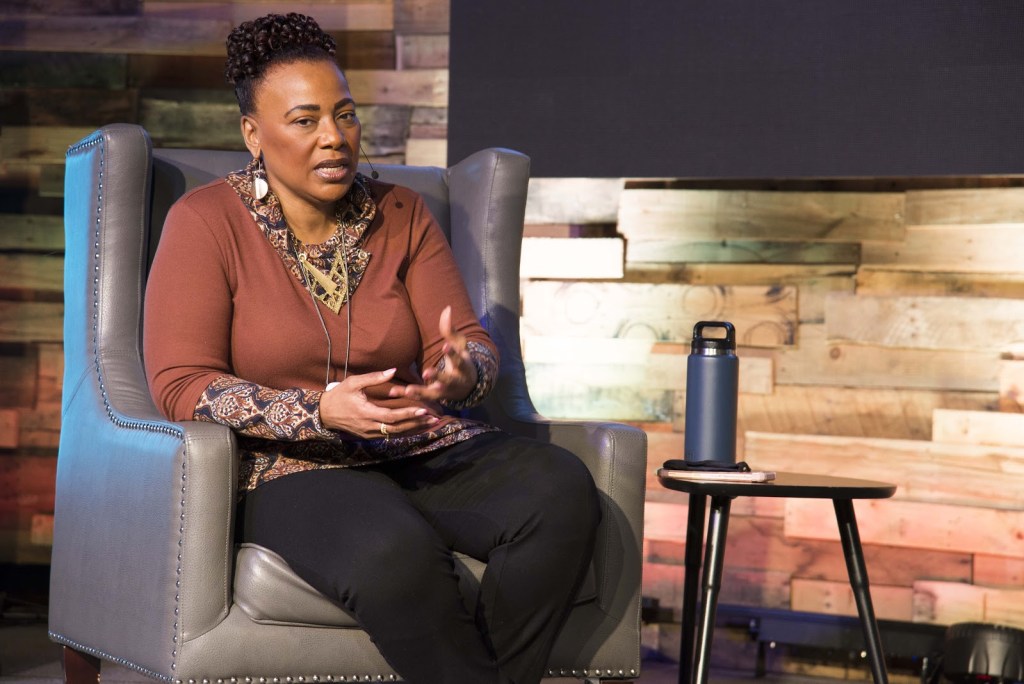
Dr. Bernice King, CEO of the King Center for Nonviolent Social Change, sees technology as a catalyst for economic transformation in Black communities. In a February fireside chat co-hosted with Dr. Rodney Sampson, CEO of OHUB—a suite of businesses focused on racial equity in tech—the conversation centered on turning technological opportunity into tangible wealth and empowerment.
King has witnessed technology's power to expose injustice. Just as television helped drive the Civil Rights Movement in the 1950s and 1960s, today's tools—from smartphone footage to social media—bring inequities to light in real time. Protests in Ferguson in 2014 and the campaign for justice for Breonna Taylor exemplify how digital platforms amplify activism.
"The unknown has become known," King said. "The invisible has become visible."
But King argues technology's full potential remains untapped. Citing her father's 1967 call for a "revolution of values," she stressed the importance of defining how these tools are used: "I think we can accelerate a lot of stuff if we know how to properly use these tools."
The challenge now is cutting through a crowded digital space. King advises activists to borrow from marketing and television to package, reinforce, and share their messages. "How do we harness technology to make sure we're sending the proper messages so people know where the movement is, what we're focused on, and what we need to have people plugging into?" she asked. Sampson echoed the sentiment: "A consistent and frequent message is critical."
The Economic Promise of Tech
Beyond activism, King sees technology as a means to reshape the economy into something more equitable—potentially even eradicating poverty. "I really believe that," she said. Tech jobs represent the high-wage opportunities of today and tomorrow, and companies can have outsized economic impact. King cited Gravity Payments, which in 2015 raised all employee salaries to a minimum of $70,000, as an example.
Making these opportunities accessible requires equitable workplaces, training programs, and jobs in underserved regions. Sampson encourages tech workers to mentor people from different backgrounds. Rural communities, in particular, remain largely untouched by technology. "Through the right kind of training, technology has the capacity to transform those communities," King said.
The Capital Gap
Capital remains a critical barrier. Of the $131 billion invested in US technology companies, Sampson noted that less than 1% went to startups founded by Black Americans. He highlighted the untapped opportunity to invest in these overlooked ventures—and stressed that you don't need to be a professional venture capitalist to make a difference. Tech workers with means can become angel investors in the Black tech ecosystem.
Support extends beyond startups. King urged intentional support for all Black-owned businesses—not just restaurants, but banks and other institutions where deposits can channel capital into the ecosystem. "We have to be intentional... Our purchasing power is our real power," she said.
Large corporations are positioned to leverage purchasing power at scale. King pointed to Coca-Cola's policy requiring law firms to allocate 30% of legal work to diverse attorneys, with half of that going to Black attorneys specifically. Employees can push for similar procurement policies within their own companies.
Sampson emphasizes this isn't charity: "Who benefits when America is re-skilled? Companies. They can hire. When there are more Black-owned businesses, who benefits? Companies, because now they can do business." King added, "Don't look at it as you're investing in Black people. You're investing in yourself."
A Single Garment of Destiny
This principle of mutual benefit draws on King's father's words: "I cannot sit idly by in Atlanta and not be concerned about what happens in Birmingham. Injustice anywhere is a threat to justice everywhere. We are caught in an inescapable network of mutuality, tied in a single garment of destiny."
For King, technology operates the same way. "What is tech? It's an ecosystem. So when we really understand and translate that into our physical, natural lives, we can change this world."


