

Roadmaps Assume a Smooth Ride
A roadmap is a flattened view: roads, intersections, turns. That works on a sunny afternoon drive, but it assumes the terrain is stable. What happens when construction appears as technical debt? How do you reroute without added cost? What if you arrive early only to realize you skipped something critical and there is no time to backtrack?
In practice, roadmaps become checkbox exercises. “We did that… check. Then we did this… check.” The checked boxes obscure what was left behind. An important detail misses scope, but the box gets checked anyway — like getting all the lug nuts on a wheel but leaving one loose. “Sorry about that… you should be fine.” The real damage is the relationship with customers, not the missing point of work. Reactionary fixes arrive too late.
The typical cycle compounds the problem. Companies rough-estimate epics, plot them as durations, then batch the work only when it is time to start. Details rumble to the surface during batching, turning desirable solutions into watered-down MVPs. User research that should have informed the original estimate gets inserted at the last minute as a “spike” before kickoff — a reactionary hack. It is like designing a road without surveying the terrain it will cross.
Deadline-driven “big-bang” releases add more pressure. Anything that does not fit the deadline lands in an ever-growing backlog, competing with new features. The wheels get wobbly; speeding up throws off alignment and loosens other critical parts.
Scan the Landscape First
Roadmaps have a place, but they are blind to the state of the product itself. A better frame is a product landscape: strategic areas for improvement rather than vague estimated blocks of work. These areas are informed by product vision, known customer pains that keep getting skipped, and internal data from multiple sources. They are identified, not prematurely defined.
A product or platform radar helps with this assessment from a 10,000-foot view. It tells you whether the tires are up for the journey and when it is smart to repair or replace them. It reveals whether an area is a massive boulder, an expansive swamp, or an easy win with clearly definable value and scope. In essence, the radar proactively assesses landmarks to support the direction of the roadmap — lightweight scanning to decide where to build the road.
This approach adjusts value and scope as the market changes. You might repair potholes, pack a second spare, or take a detour. The point is to plan ahead, reduce risk, and reach the destination efficiently.
Build a Pit Crew
Prioritizing strategic areas requires input from across the company: the strategic plan, customer requests, customer complaints. No single department has the full picture. Assemble a pit crew — not people who fix the areas, but people who inform and guide the work toward sound outcomes.
Relevant roles include UX designer, UX researcher, product managers, product owners, support representatives, architects, and engineers. The goal is 360-degree customer coverage through trusted patterns, quality outcomes, continuous improvement, and sustainable growth.
This discovery work sits “off the radar,” so it rarely gets full staffing. Crew members should be available for quick, pointed input — a soundboard rather than a standing meeting. Bounce a solution off support before an A/B test to catch missing factors. Pull in an architect when you know there is troublesome plumbing to navigate. Crew composition and frequency vary by need.
A shared crew strategy aligns everyone toward a common “north star” that meets internal and external needs through ideation, analysis, and collaboration. You get ahead of the roadmap, connecting dots to build work bundles that can be split or batched depending on availability. These are lean, guerrilla tactics that cut across the big picture.
Approaches vary by company size. In a smaller company the crew is lean, nimble, and organic — bottom-up but with visible high-level stakeholder support. In a larger company, a formal charter defines stakeholders, RACI, milestones, scope, and governance. Blends of the two also work. What rarely works is the status quo.
Start With One Lug Nut
Once the terrain is understood and strategic priorities are mapped, the next step is taking action incrementally. Some teams will object that this level of analysis conflicts with lean or agile principles, which favor shipping quickly and learning from real usage. There is no contradiction. Lean and agile are not one-size-fits-all formulas. The approach described here still applies lean methods and guerrilla tactics, just in a way that suits the specific context of the organization.
Most companies have a backlog full of new features alongside known areas for improvement. Both deserve a spot on the roadmap, and both can benefit from the same incremental mentality. Technical debt belongs on that list too. If left unaddressed, it will eventually slow the car down or cause a complete breakdown, regardless of how well the roadmap is planned. Products that have been neglected for long periods need a maintenance plan, not just a roadmap.
The common failure is that maintenance gets crowded out by new work. It slips through cracks, gets descoped, or is overshadowed by commitments to ship. The better approach is to bake small improvements into the ongoing flow of work. Over time, regular maintenance becomes part of the product's natural rhythm, chipping away at the accumulated issues until they are manageable.
As improvement areas are identified, each one should be evaluated for size, effort, and complexity:
- Can the work be decomposed into smaller pieces?
- Can those pieces be pulled into existing workstreams?
- Does this need to be one comprehensive block of work on the roadmap?
- Can you lay the groundwork for future work by making small front-end or design tweaks now?
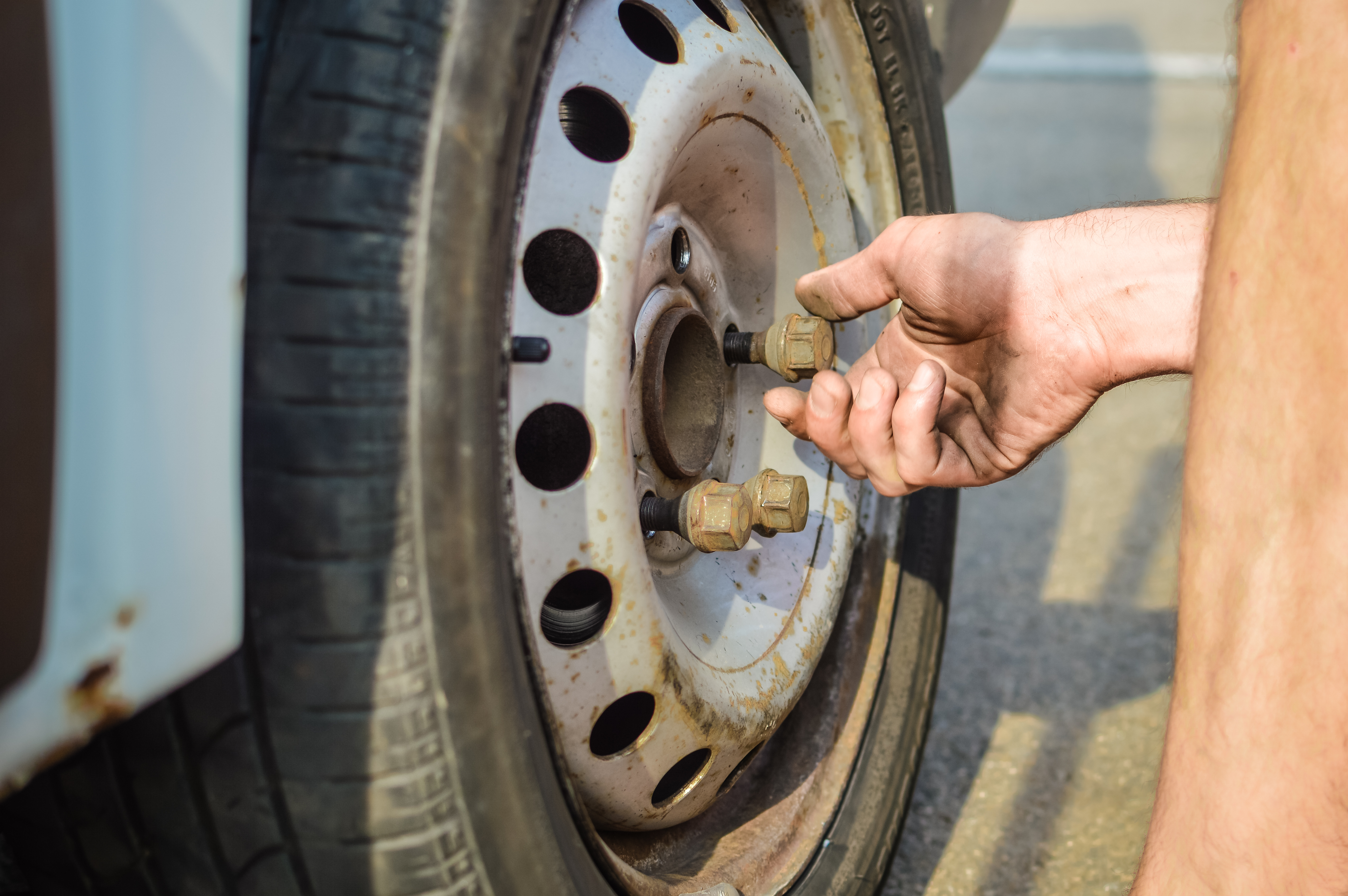
The goal is to have the right tools in place ahead of time. That way, when the moment arrives for a quick swap, only the one lug nut needs to be removed. A broad and cohesive user experience view helps to identify the many levels at which a broken experience can be addressed along the way.
Assembling the Pit Crew
At a smaller company, the challenge was silos of a physical nature. Engineering occupied one floor while Product and UX sat on another. The distance between them eroded the teamwork and collaboration required to drive growth improvements. The first task was assembling a crew of key stakeholders and collaborators. That meant physically moving from a personal desk to sit near the colleagues who needed closer partnership.
Meanwhile, groundwork for a strategic radar was being laid. Ownership changed before the work bore full fruit, but within a short window the team had stabilized the wheels. A design system was established, giving future growth a foundation to build upon.
Reading the Landscape at Scale
At a much larger company, the challenge was consolidating 200+ legacy systems into a single unified platform. This high-profile project came with a fully funded, dedicated crew, yet maintaining a clear roadmap proved elusive. That did not stop the team from assessing the landscape and progressing toward the vision.
A landscape provides more flexibility than a rigid roadmap. With a dedicated team defining and building core infrastructure and global components, new user scenarios began surfacing during module design. Some UI components required extension to support more efficient workflows. Because the design system anticipated some of these needs, a game plan existed. Where new components were required, they were built with reuse in mind. Where a good-enough solution would suffice, the team shipped it and recorded an item to uplift the component later.
Over time, those enhancement items were completed and released to teams with little or no retrofitting. Incremental gains accumulated without sacrificing the big picture. Each piece was carefully planned and crafted with the whole system in view — patience, teamwork, and coordination made it possible.
At still another company, the pieces came together fully. Working with the Director of Platform, who had clear foresight about the strategic landmarks that mattered, the team built what they called the "Platform Radar." The landscape was mapped and periodically re-evaluated to keep the focus on priorities and to recalibrate scope as new learning occurred.
That radar fed the roadmap preparation process. Internal partnerships connected the right people and formed a functional pit crew, all aligned on shared customer goals while still supporting each other’s departmental objectives. Strategic opportunities were analyzed together, cases were built, and work scoped properly.
Some items were simply too large and complicated for casual scheduling and required deeper conversations. Others were medium or small enough to proceed quickly, often slipping into upcoming workstreams. With years of accumulated debt, creative case-building was essential — strong arguments needed to be made for both large gains and minimal wins, all part of the overall strategic plan.
The Long Game
Mature products carry baggage. They must be constantly improved and enhanced to stay ahead of customer expectations and competitors. In that process, artifacts, blemishes, and feature dust accumulate as a ripple effect that eventually demands attention.
A loose product landscape enables a strategic and decisive approach to chipping away at the big picture. Ignoring the buildup can leave you stranded on the roadside without a spare tire. Regular maintenance, tuning, and preparation make the quick tire change possible when the time comes.
A landscape is there to support your roadmap by helping you see ahead for the plan you want to make.
This is not an argument to discard the roadmap. Rather, it recognizes that for the landscape to work, the approach must be strategic, patient, and vigilant. Opportunities to hone, replace, and prune are always present. Internal partnerships, ongoing research, design systems, and routine touchpoints keep the trip moving forward successfully.
Further Reading
- "Change Aversion And The Conflicted User," Roxanne Abercrombie, usabilitygeek.com
- "Change Management of the Product Experience (Parts 1 & 2)," Scott Himmer, uxmatters.com


