

When Break Software Becomes the Interruption
BreakTime.app is a well-intentioned macOS utility that periodically locks your screen to force a pause from computing. It runs a configurable countdown—typically around 20 minutes—then presents a full-screen modal that blocks input for another timer, usually about two minutes. For anyone spending long stretches at a desk, the health rationale is solid. The problem is how the software behaves in practice.
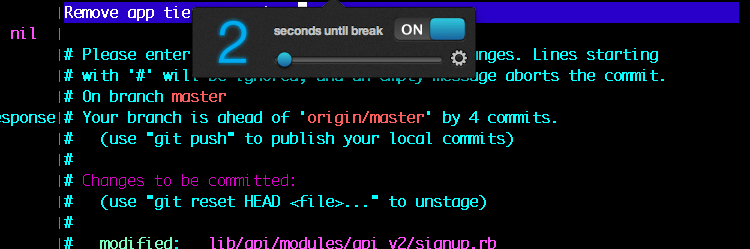
BreakTime has a habit of covering the top-right corner of the screen at precisely the worst moments, such as while typing a commit message. Its modal is unforgiving: whether you're mid-call, responding to a production incident, or deep in focused work, it pulls you out abruptly with a jarring transition. The tool offers little sympathy for context or urgency.
A Lower-Tech Alternative
The search for a less intrusive solution leads to something almost comically simple: a physical hourglass. A 30-minute sand timer sits on the desk, providing a constant visual cue without any software intervention. It never interrupts, never animates, and never demands attention—it just runs.
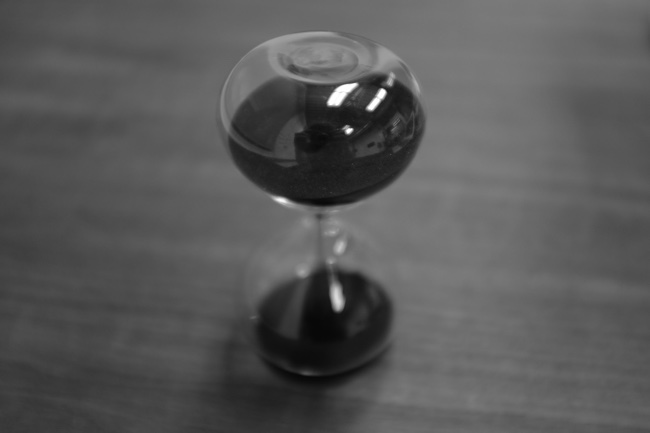
The device in question is a basic $16 black sand hourglass purchased from Amazon, rated for 30 minutes. It doubles as a piece of industrial design and carries a certain historical charm, evoking the same technology used by navigators like Magellan. For daily use, it keeps the break reminder present without the nagging modal, making it a practical—if decidedly low-tech—replacement for the digital counterpart.


