Interview Prep Starts With Listening
Most advice about UX interviews focuses on making a strong impression or negotiating a good salary. But that is only half the equation. The other half is preparation, asking the right questions, and actually listening to the answers. A handful of practical resources can help you cover both sides — from free templates and PDFs to question lists and job boards.
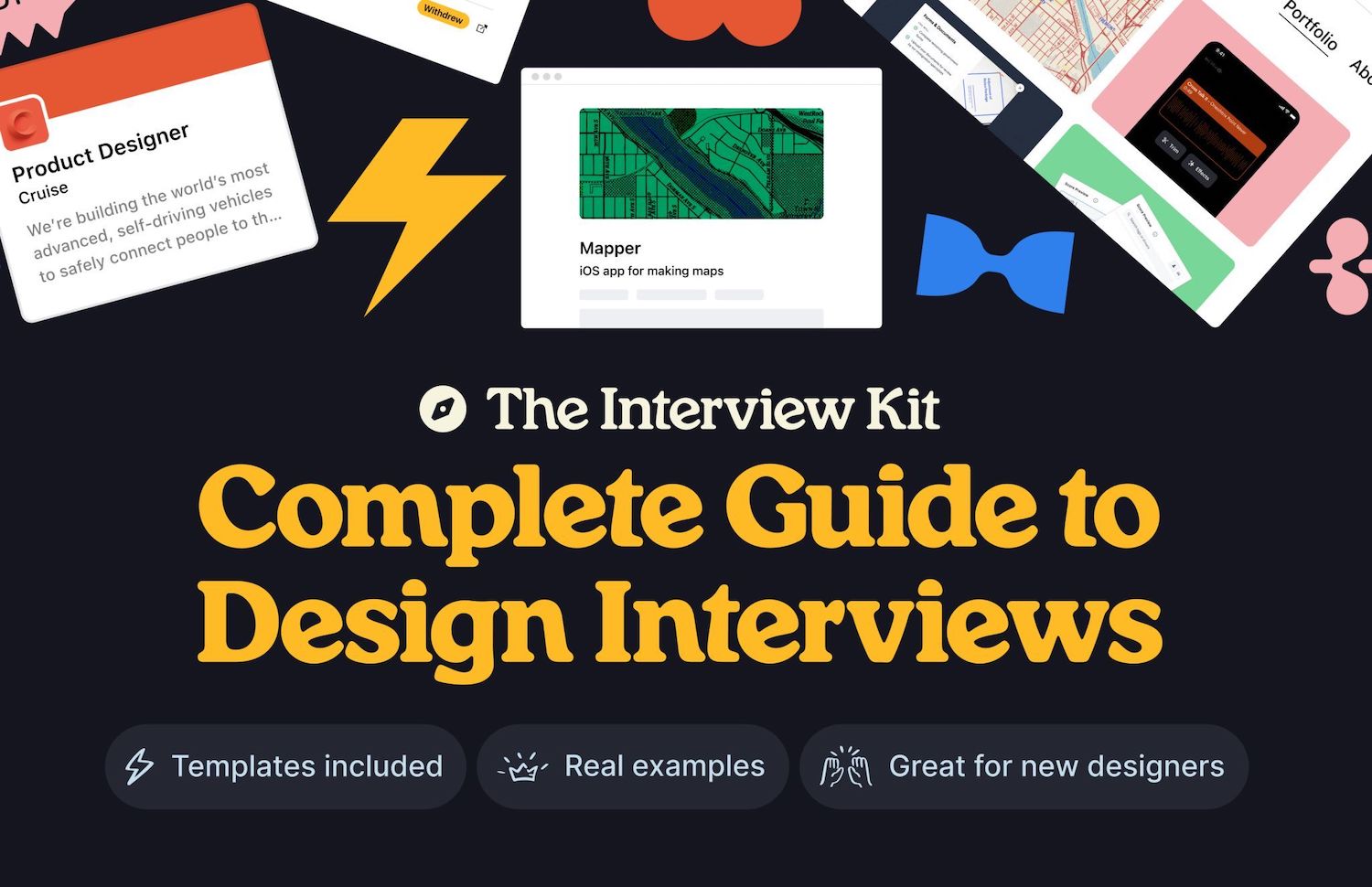
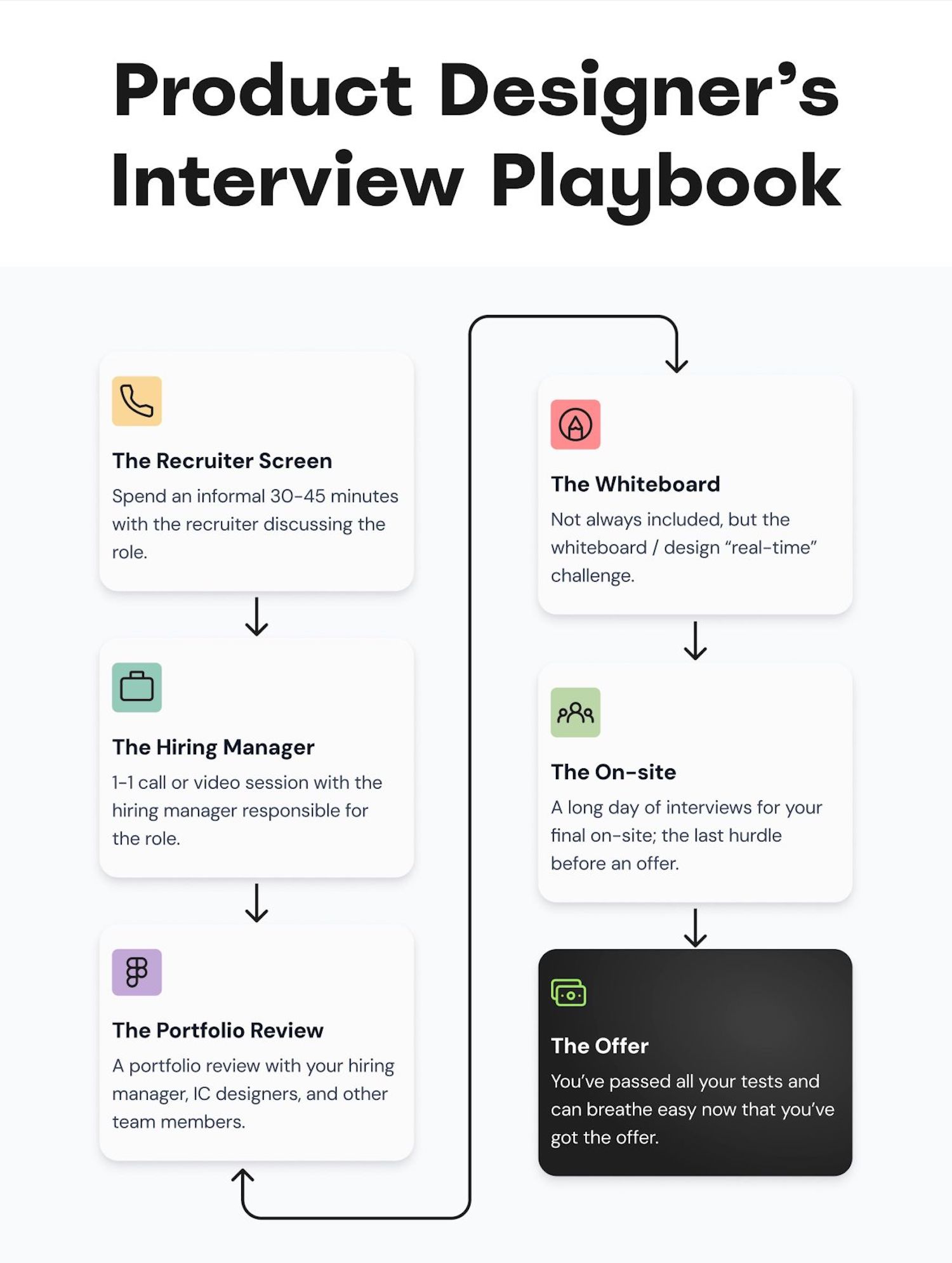
Two free resources stand out for structured preparation. The Design Interview Kit, shared by Oliver Engel on Figma, is a complete practical guide covering case studies, design challenges, cover letters, portfolio presentations, and offer negotiation. For a phase-by-phase walkthrough, Meghan Logan's Product Designer's (Job) Interview Playbook offers talking points, red flags to watch for, and strategies for telling a clear story about your work and yourself.

Storytelling Over Process
When describing your past work, resist the urge to walk through your process step by step. Instead, frame your designs as an enabler of business goals and user needs. Talk about the impact you had — on business metrics, internal processes, team culture, planning, estimates, and testing. Interviewers closer to the business side will expect structured examples, so the STAR method (Situation, Task, Action, Result) is often the safest way to present your experience. Delving into ideation details or method choices without grounding them in outcomes can confuse business-oriented interviewers.
- Situation: Set the scene and give the necessary context.
- Task: State your specific responsibility in that situation.
- Action: Detail the concrete steps you took.
- Result: Share what your actions achieved.
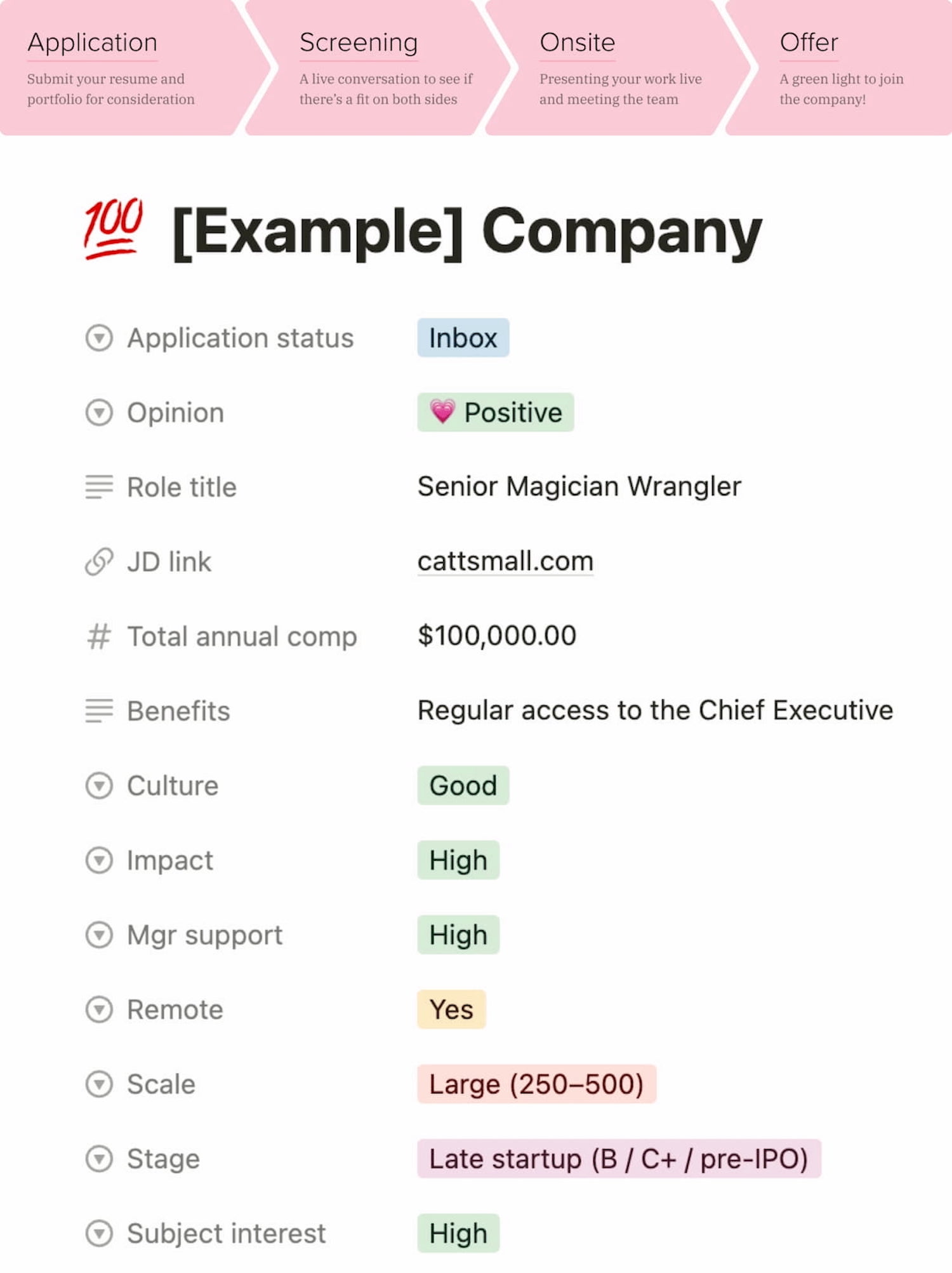
Another common mistake is being unclear about the position itself. Titles carry real weight — responsibilities and salary bands differ significantly between design levels. If you consider yourself senior, verify that the role actually reflects that. Catt Small's Guide To Successful UX Job Interviews covers referral pipelines, screening calls, portfolio presentations, and salary expectations, and includes a downloadable Notion template to organize your search.
Questions That Reveal the Role
Preparing questions is a signal that you understand the job requires more than design skills — it requires cultural fit and strategic awareness. Drawing from Nati Asher's advice for product design candidates, plus a few additions, consider asking the following during your next interview.
- What are the biggest challenges the team faces at the moment?
- What are the team's main strengths and weaknesses?
- What are the traits and skills that will make me successful in this position?
- Where is the company going in the next 5 years?
- What are the achievements I should aim for over the first 90 days?
- What would make you think "I'm so happy we hired X!"?
- Do you have any doubts or concerns regarding my fit for this position?
- Does the team have any budget for education, research, etc.?
- What is the process of onboarding in the team?
- Who is in the team, and how long have they been in that team?
- Who are the main stakeholders I will work with on a day-to-day basis?
- Which options do you have for user research and accessing users or data?
- Are there analytics, recordings, or other data sources to review?
- How do you measure the impact of design work in your company?
- To what extent does management understand the ROI of good UX?
- How does UX contribute strategically to the company's success?
- Who has the final say on design, and who decides what gets shipped?
- What part of the design process does the team spend most time on?
- How many projects do designers work on simultaneously?
- How has the organization overcome challenges with remote work?
- Do we have a design system, and in what state is it currently?
- Why does a company want to hire a UX designer?
- How would you describe the ideal candidate for this position?
- What does a career path look like for this role?
- How will my performance be evaluated in this role?
- How long do projects take to launch? Can you give me some examples?
- What are the most immediate projects that need to be addressed?
- How do you see the design team growing in the future?
- What traits make someone successful in this team?
- What's the most challenging part of leading the design team?
- How does the company ensure it's upholding its values?
Reading Rejection and Next Steps
Interviewers appreciate candidates who interview them back — ask about current problems, team dynamics, and how your expertise would fit into the product and organization. But also be ready to address who you are: your focus areas, what you are passionate about, and how you would add value to the problem the company is solving.
A rejection should not be taken personally. Often, the stated reason is only part of a much larger picture — the job description may have been inaccurate, the company may be restructuring, or budgets may have tightened. The process requires persistence: write down your expectations, stay deliberate about job titles and seniority, prepare solid references, and keep your questions ready. As Catt Small puts it, "once you have a foot in the door, you've got to kick it wide open."
Job Boards and Further Reading
For finding openings, the following boards span general and specialized UX roles:
- Remote + In-person
- IXDA
- Who Is Still Hiring?
- UXPA Job Bank
- Otta
- Boooom
- Black Creatives Job Board
- UX Research Jobs
- UX Content Jobs
- UX Content Collective Jobs
- UX Writing Jobs
Useful Resources
- "How To Be Prepared For UX Job Interviews"
- "UX Job Search Strategies and Templates"
- "How To Ace Your Next Job Interview," by Startup.jobs
- "Cracking The UX Job Interview," by Artiom Dashinsky
- "The Product Design Interview Process," by Tanner Christensen
- "10 Questions To Ask in a UX Interview," by Ryan Scott
- "Six questions to ask after a UX designer job interview," by Nick Babich