A new name for the stories behind the product
Figma has relaunched its blog under a new name: Shortcut. The rebranded publication, overseen by Director of Story Studio Amber Bravo, is positioned as a place to tell stories about people and the priorities, plans, and pivots involved in bringing ideas to life. The site's editorial categories—spanning design systems, engineering, writing, typography, culture, and behind-the-scenes features—remain, but the presentation has been reworked.
The redesign, which began earlier this year, addresses a static, one-directional reading experience. Figma has characterized its own origins as born on the web and built around multiplayer, a philosophy the blog now aims to mirror. Where content once felt fixed, the new Shortcut is intended to feel more immersive, modeling an "input for output" approach where one idea can lead to another.
"At the time [2015]... no one was clamoring for a multiplayer design tool—if anything, people hated the idea. Designers worried that live collaborative editing would result in 'hovering art directors' and 'design by committee' catastrophes." — Evan Wallace, Figma co-founder
Categories, collections, and visual refresh
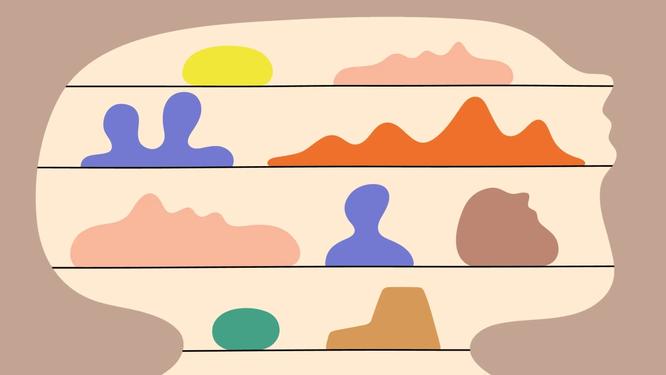
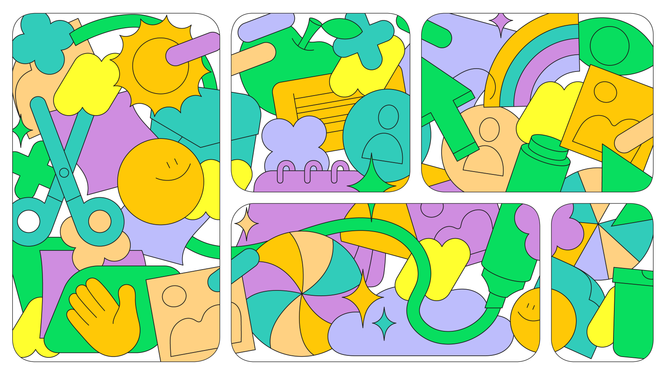
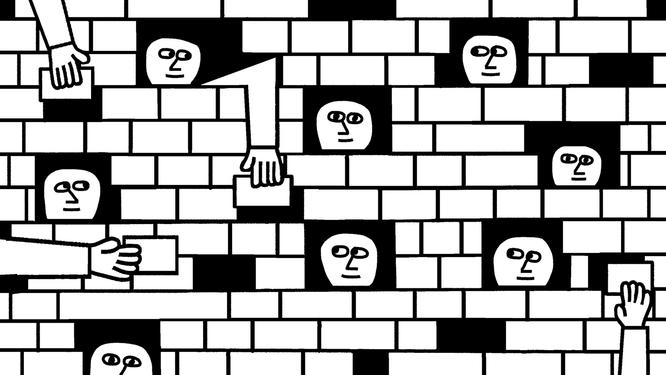
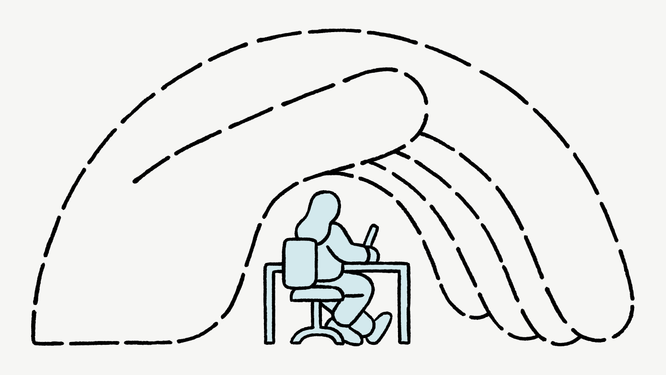
The revamped category navigation lets readers sort by topic, such as design systems or engineering, as well as by special editorial collections. The site's illustrative identity has also been refreshed with work from artists and writers including Andreas Samuelsson, Lennard Kok, Marcus Oakley, Martina Paukova, Mathieu Labrecque, Rose Wong, Rebecca Ackermann, and Suzanne LaBarre.
Going deeper on craft and process
The editorial mix featured on Shortcut ranges from practical deep dives—like how Linear navigated a DDoS attack or what happens when fonts fail to render—to technical features. Recent highlights include a look at how Figma's backend engineers draw inspiration from the gaming world, an opinion piece on the future of product design and development, and stories demonstrating how a Figma slide deck helped indie rock duo Tanlines stage a comeback.
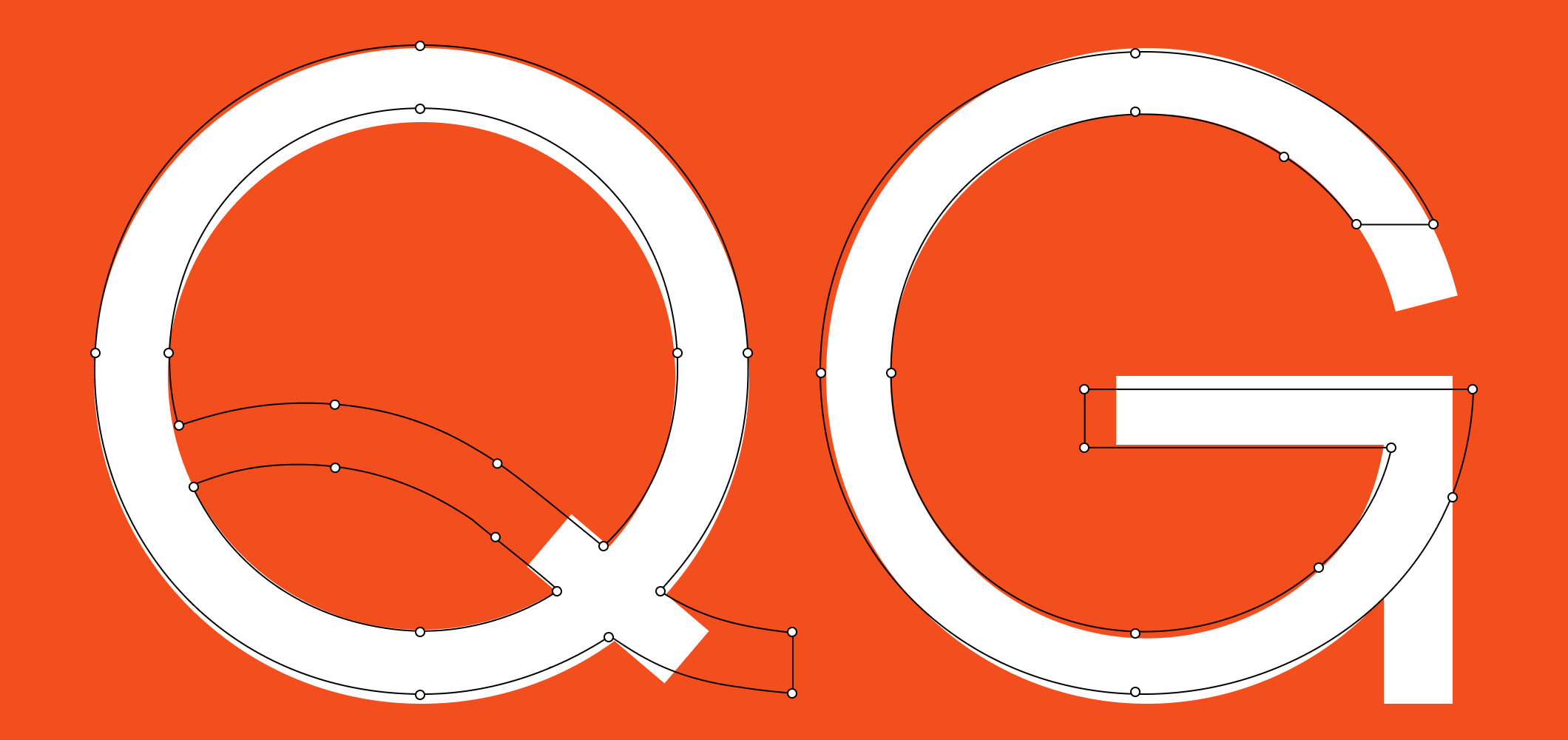
There's also room for the technical fundamentals. Posts like "An ode to OpenType" explore typography capabilities now available in Figma, including additional ligatures, custom digit styles, and alternative letterforms. Meanwhile, behind-the-scenes content continues to peel back layers on how multiplayer design work happens and what it means to care about process.
Shortcut seeks to model the philosophy of input for output—where one idea leads to another, and inspiration works bi-directionally.“Shortcut seeks to model the philosophy of input for output—where one idea leads to another, and inspiration works bi-directionally. ”
The editorial team is open to outside contributors—collaboration inquiries can be sent to [email protected].
A lasting invitation to play
Figma's history is rooted in multiplayer collaboration, a feature that was once seen as risky before becoming essential to its identity. With Shortcut, the company aims to open the canvas further, encouraging more people and disciplines into the conversation. The hope is that readers come away with a better feel for what's possible in Figma—and in the broader community—whether they're exploring a curated collection, an opinion piece, or a technical deep dive. As the brand puts it, getting more people in the game might just lead to the next big idea.