
What Introverted Design Means
Most digital products are built to compete for attention. They add features, notifications, and visual noise in an attempt to keep users engaged. But there is a quieter path. Introverted Design is a process inspired by the traits of introverts — observation, careful evaluation, and restraint — applied to product creation. The goal is to build functional, minimal experiences that respect the user's attention rather than demand it.
Introverts are often misunderstood as shy or antisocial, but their behavior is rooted in how they process the world. They tend to be keen observers, they think before they speak, and they let others take the spotlight. Notable introverts like Bill Gates, Warren Buffett, and Steven Spielberg have built successful careers on these qualities. Research supports the idea that introverts are wired differently. In the "Lemon Juice Experiment" by H.J. Eysenck and Sybil B.G. Eysenck, introverts salivated more than extroverts when lemon juice was placed on their tongues, suggesting a naturally higher level of arousal and sensitivity to stimuli.
That sensitivity means introverts prefer less socially intense activities and are more comfortable in their inner world. Susan Cain's book Quiet describes the "extrovert ideal" — the belief that the ideal person is gregarious and comfortable in the spotlight — and argues that introversion is an undervalued asset. Introverted Design borrows from this thinking.
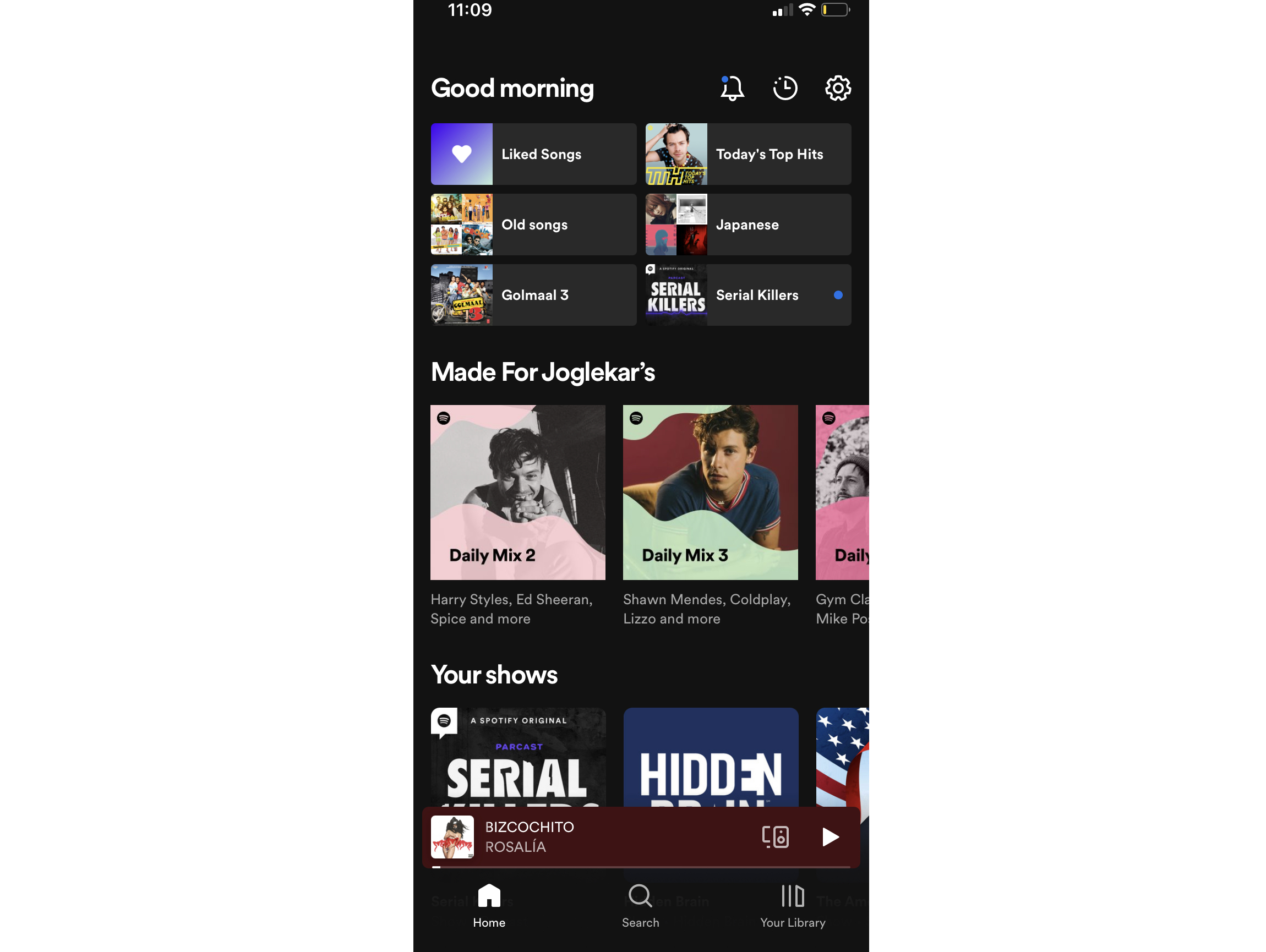
Consider the difference between Instagram and Spotify. Instagram started as a simple photo-sharing app but has grown into a marketplace with reels, filters, and an advanced editor. Spotify, by contrast, stays centered on one activity: listening. Its recommendation engine is hyper-focused on music, and the experience does not pull users in many directions. Introverted Design aims for the Spotify model — doing fewer things exceptionally well instead of chasing every possible feature.
Reading Beyond the Answers
Introverts are often described as good observers, and there is a physiological reason for that. A study from the University of Tennessee at Chattanooga found that introverts tend to be more sensitive to incoming stimuli on a physiological level. This is due to sensory gating, the brain's ability to block unnecessary information to prevent cognitive overload. Introverts naturally notice details that others miss.
This trait can be applied to user research. Participants do not always say what they truly think, so a designer who only listens to verbal answers misses important signals. The author Joseph DeVito describes listening as five stages: receiving, understanding, remembering, evaluating, and responding. Designers can train themselves to observe body language, pitch, eye contact, and hesitation during interviews.
In one study conducted at Teltech Systems, a participant praised a spam call-blocking feature but showed clear discomfort during the interview. The participant avoided eye contact and the tone suggested something was not right. Because the researcher probed further, the real issue came to light: reporting numbers as spam required opening the app, which was inconvenient during a call. The team quickly agreed on an enhancement to allow blocking from the call screen itself. The discomfort was not in the words — it was in the delivery.
Overthinking as a Design Tool
Overthinking is usually seen as a bad habit. It is often described as second-guessing or analyzing an already-made decision for too long. But in a constructive frame of mind, overthinking is simply taking a step back and reconsidering before acting. Jenn Granneman, author of The Secret Lives of Introverts, points out that overthinking does not have to be wrong. She cites research by Dr. Laurie Helgoe, who mapped electrical activity in the brain and found that introverts have higher levels of electrical activity and tend to think more, having greater cortical arousal regardless of emotional state.
That deeper processing can be structured into a useful method. The process mirrors critical thinking: identify the problem, analyze it with an open mind, and solve it using creative thinking tools like mind mapping or checklists. Breaking overthinking into these digestible steps makes it productive instead of paralyzing.
In research, this might mean reviewing interview recordings to find what went wrong and adjusting the script. Useful questions include:
- If there was hesitation during the answer, what caused it?
- Did the interviewer make the participant uncomfortable?
- If so, would they open up more with a different approach?
- How can probing lead to deeper answers?
- Can the question be rephrased to get a different reaction?
Overthinking also helps foresee possibilities and edge cases. A designer working on a mobile app launch considered questions about implementation changes, future feature compatibility, rollback paths, and what the promotion would mean after it ended. Even though stakeholders had already chosen a direction, the designer's thorough evaluation allowed them to present options and answer objections convincingly. The plan changed, and the launch steered toward a more sustainable path.
To keep positive overthinking from turning negative, two guardrails are essential:
- Know where to stop.
- Watch for patterns of repetitive thought and break them.
Used well, overthinking generates more ideas than a quick pass ever would, providing a clear direction and the answers needed to defend a design choice. In brainstorming sessions, this mindset can reveal additional insights when clustering earlier ideas.
Calculate The Risks
Introverts tend to take calculated risks. Their tendency to overthink means they will often run through multiple outcomes, weighing the pros and cons before selecting the path with the least possibility of failure. This is not about choosing the safe or easy option; it is about choosing the path with the highest probability of success based on a thorough evaluation.
This calculated approach translates well into design. A brainstorming session that includes a dedicated risk evaluation can identify potential difficulties in a user flow before they become problems. Once risks are identified, finding a fix is easier. A well-thought-out user flow that considers all use cases becomes a stronger asset when shared with the team. Overthinking allows us to look for possibilities, and risk analysis helps us evaluate and find the best path forward. Edge cases, error states, and dead ends can be identified in advance.
Reduce Bias Through Active Listening
Making objective decisions is ironic because it is a highly subjective process. We all carry unconscious biases—the judgments we make outside our conscious awareness. Introverts are not immune, but they have a trait that helps counter it: active listening.
Research has shown that introverts are often active listeners. One thesis paper by Amari-Mall and Nakhaie, lecturers of English at Islamic Azad University, compared the performance of English as a foreign language participants and found that introverts are better listeners. Introverts tend to be less reactive in conversation; they listen intently and speak only when they have enough knowledge to share confidently.
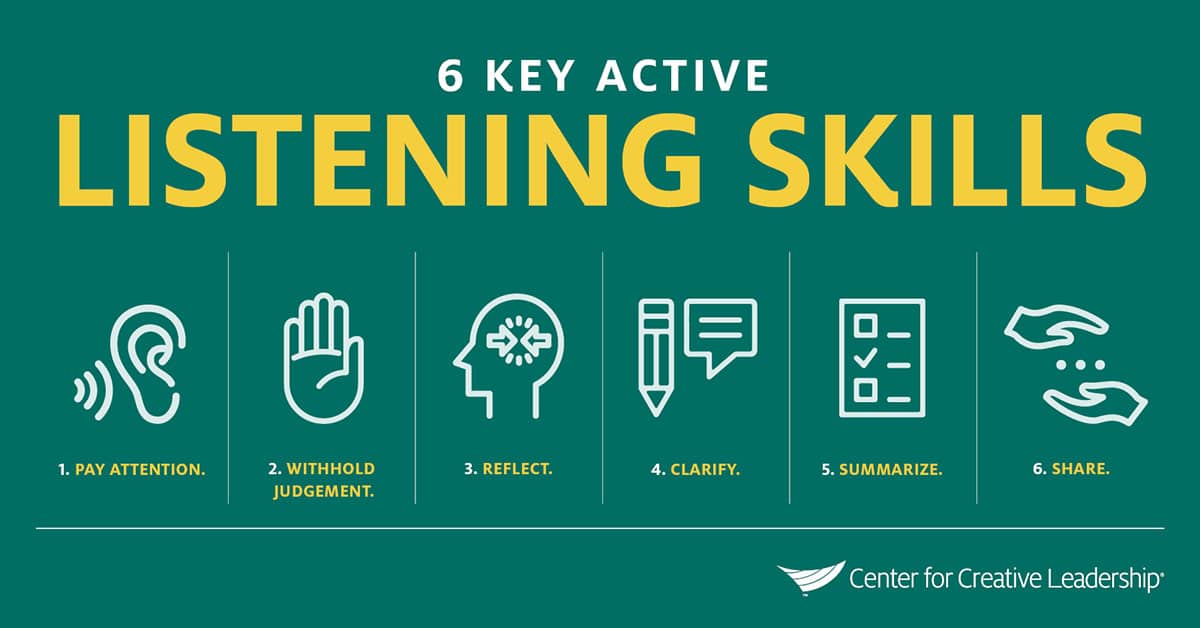
Carl Rogers and Richard Farson coined the term active listening, defining six stages: paying attention, withholding judgment, reflecting, clarity, summarizing, and sharing. Unconscious bias often occurs right after receiving information, when we make a snap judgment without reflection. We connect dots based on experience, social acceptance, and inherited knowledge, which can lead to biased beliefs.
Consider a designer working with a product owner on a paperless experience. The task was complex due to document types, and time was critical. The designer, however, did not fully grasp the expectations for the design. After spending time on a solution, the product owner was unhappy when it was presented. The failure was in the first step of active listening—paying attention—which caused a chain reaction of lost time.
According to the Hubspot Customer Service Survey 2019, nearly 42% of companies do not listen to their customers. Business requirements often tip the balance, and customer expectations are funneled out. Final designs become heavily influenced by the team's bias about what the customer wants, with none of it validated. This bias can come from the designer or the team, making it essential for the designer to stay vigilant.
Decisions toward any design implementation should be made with a genuine attempt to avoid bias. A business only partially fulfilling customer expectations will struggle. Designers must ensure their designs are validated by customers. An informed design serves both business requirements and users.
Make The Experience Invisible
Practical application of these traits comes next. Making it invisible means creating an experience so attuned to user expectations that it is perceived with no effort. By introducing no cognitive load, the product experience becomes simple. Even a complicated product should be easily maneuverable so users can move from point A to point B without hassle.
Just as introverts limit social engagements to avoid mental drain, users are constantly stimulated by reading, watching, thinking, and more. Designers have a responsibility to avoid adding cognitive load and to make product experiences highly intuitive.
Independent game developers often lack marketing budgets, yet some of the most popular games come from small studios.
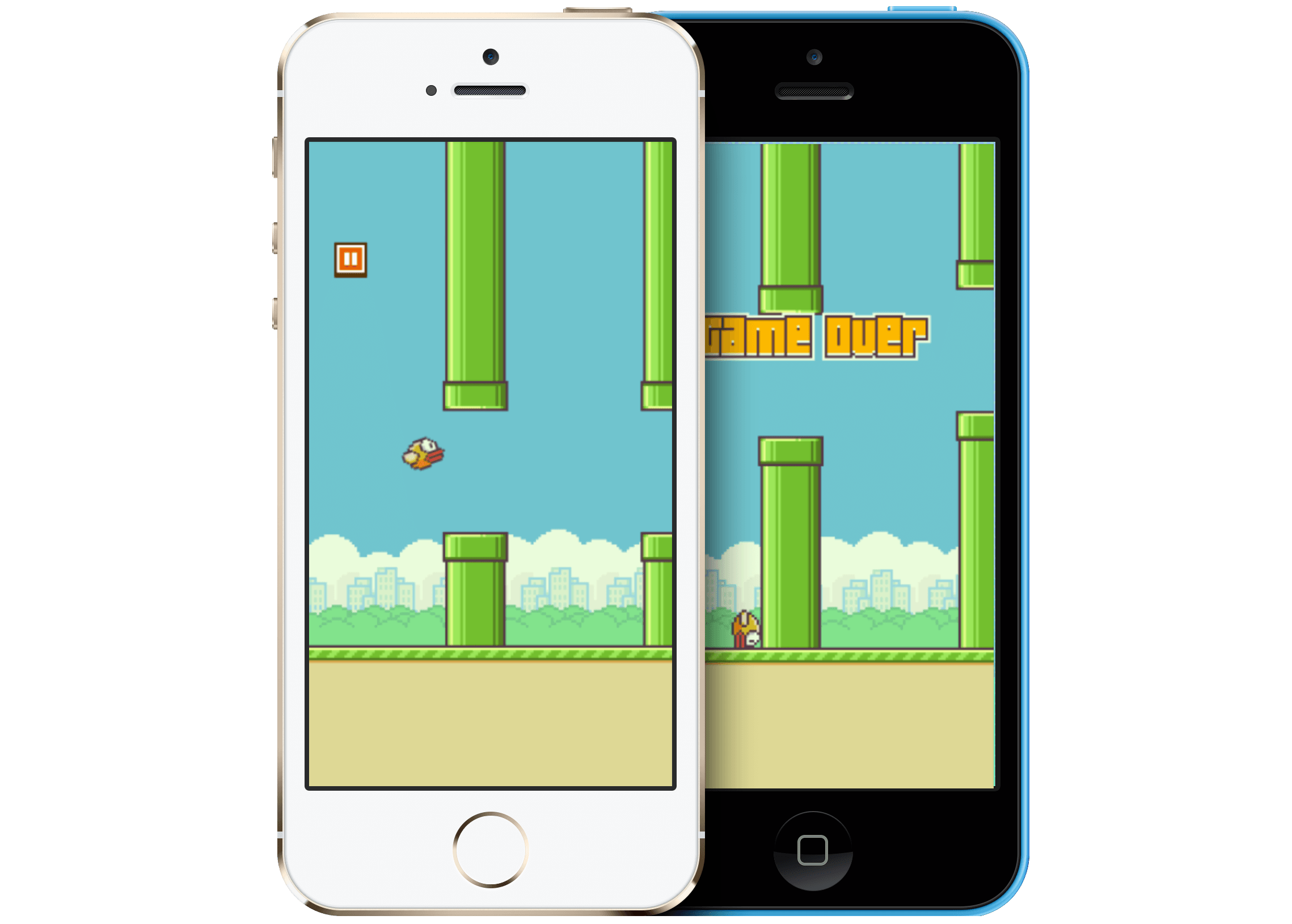
Flappy Birds is a prime example. The game requires only a tap to make the bird fly and avoid obstacles. Created by Dong Nguyen, it became an overnight sensation despite simple graphics and simple interaction. Nguyen took it down because its popularity and addictive nature were unexpected. A design for any app can be similarly simple to fulfill user expectations.

"Good design, when it's done well, becomes invisible. It's only when it's done poorly that we notice it."
— Jared Spool, an expert in the field of design and research
An invisible experience is one that does not make the user think. It is so intuitive that it feels natural, like someone reading your mind and giving you what you want at the right moment.
The Citi Bike app, widely used by New Yorkers and tourists, offers a strong example. It allows users to book a bike for 30 minutes and undock it easily.
The experience can still be improved. Instead of the user opening the app, seeing their location, and tapping a button to scan the QR code, the app could detect proximity to a dock and show the scan screen directly. This small adjustment reduces an action and makes the product more invisible.
JetBlue's mobile app shows points and additional features on the homepage, which can distract from the primary task of booking or viewing a reservation.
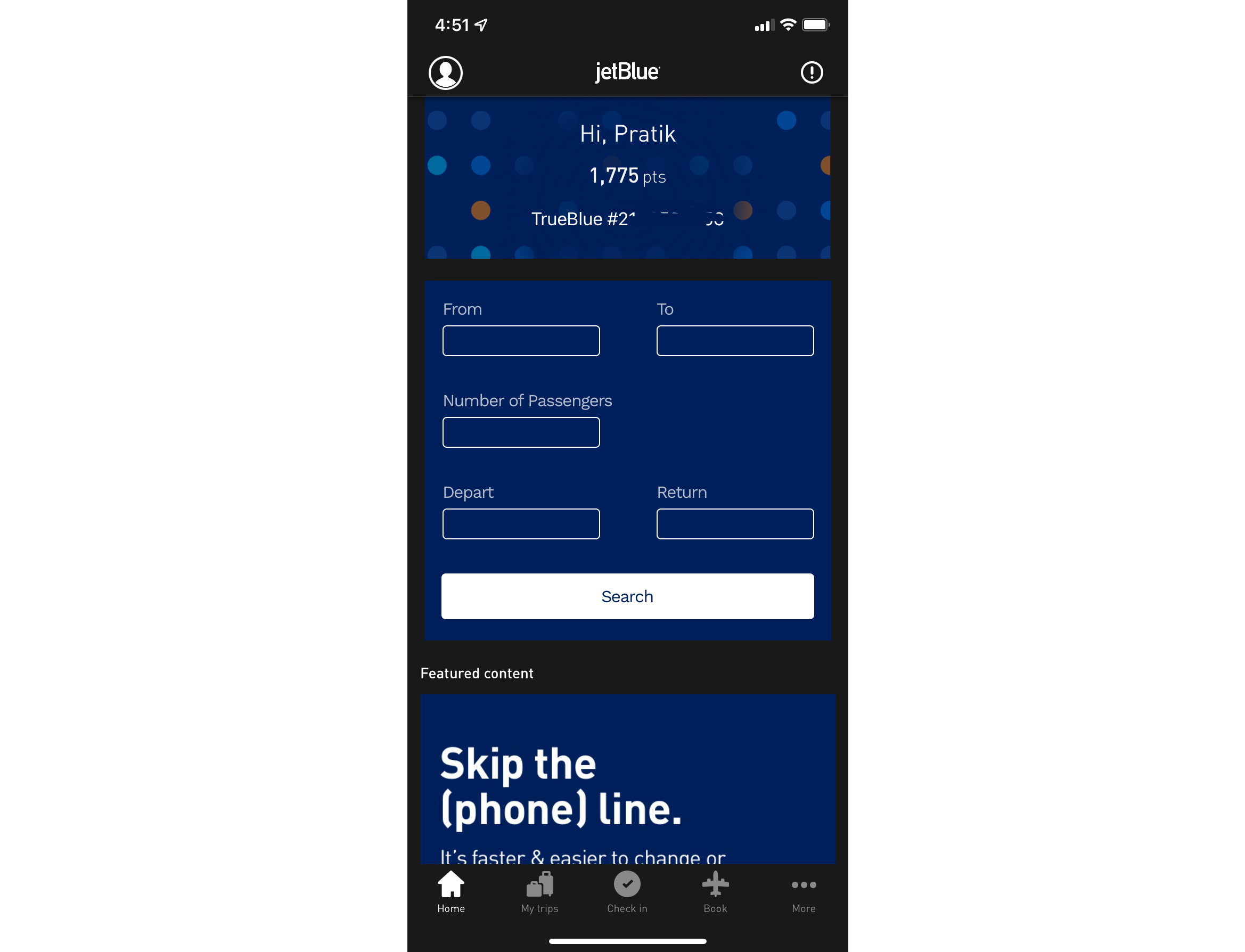
A user must navigate to the book section to make a reservation. A less intrusive search bar on the homepage would streamline the process.
Design need not rely on bright colors, flashy call-to-action buttons, or jargon. Effective design can be simple with clear colors, transitions, easy-to-track CTAs, and plain language that everyone understands. The goal is to help users complete the task they had in mind when they opened the app. Empathy articulation is a method for understanding user expectations, foreseeing interaction issues, and translating them into an effortless design by being mindful.
Proactively Support Users
Introverts often struggle to ask for help, even when needed. They prefer to solve problems independently and will only reach out when nothing else works. Still, they would appreciate a nudge from others. This same principle applies to digital products. Help should be available when needed, and sometimes the product needs to initiate the offer.
If a user is struggling to find something, the product can identify the struggle and offer a chatbot or popover to ask if help is needed. Recommending choices at the moment of need can support users effectively.
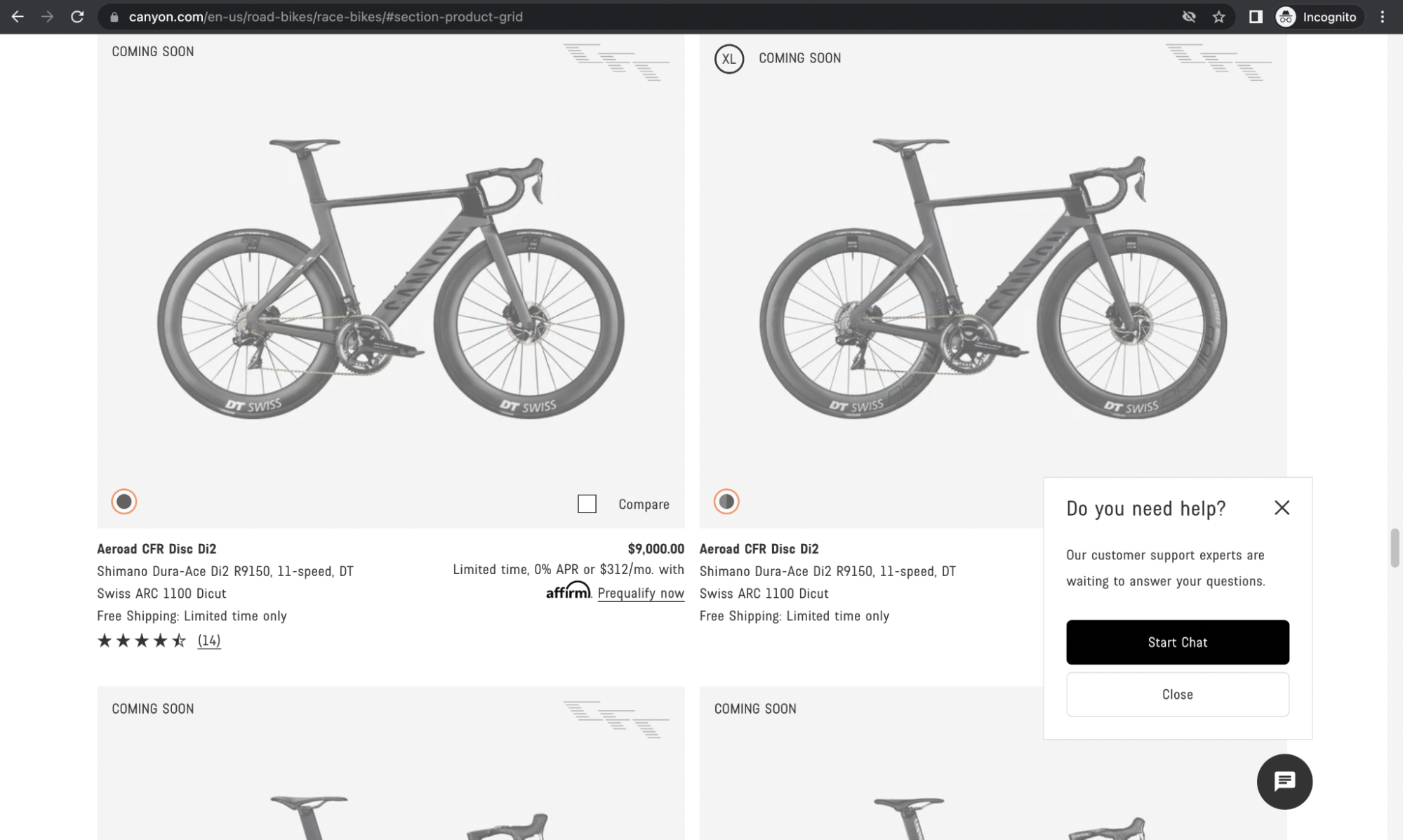
The Canyon bikes website handles this elegantly. A user browsing for a new bike may struggle to differentiate models. After a while, the chat bubble automatically opens, asking if they want to chat, which connects them to a representative who can recommend the right bike. The website sensed the user's struggle and provided help at the right moment without being invasive. This help should always be accurate and precise, offering actionable items or a live agent, otherwise it risks adding more confusion than it resolves. That brings us to the final trait.
Say More With Less
Introverts value economy in communication: direct, precise language rather than elaborate exposition. That preference maps neatly onto interface design. A restrained UI that still delivers exactly what a user needs is often more effective than a visually rich one. Craigslist proves this point — it lacks nearly all modern visual polish but remains successful because its categorization and layout are logical. The experience is smooth because nothing distracts from the task.
Language is part of the experience too. Plain wording keeps users engaged; dense or convoluted copy pushes them away and buries key information. Minimalism should extend to interaction design as well as visuals. Overloading users with choices or steps creates a paradox of choice. Subtlety means keeping the experience to the bare minimum; it should not be overdramatic.
User experience is about building pleasure around expectation.
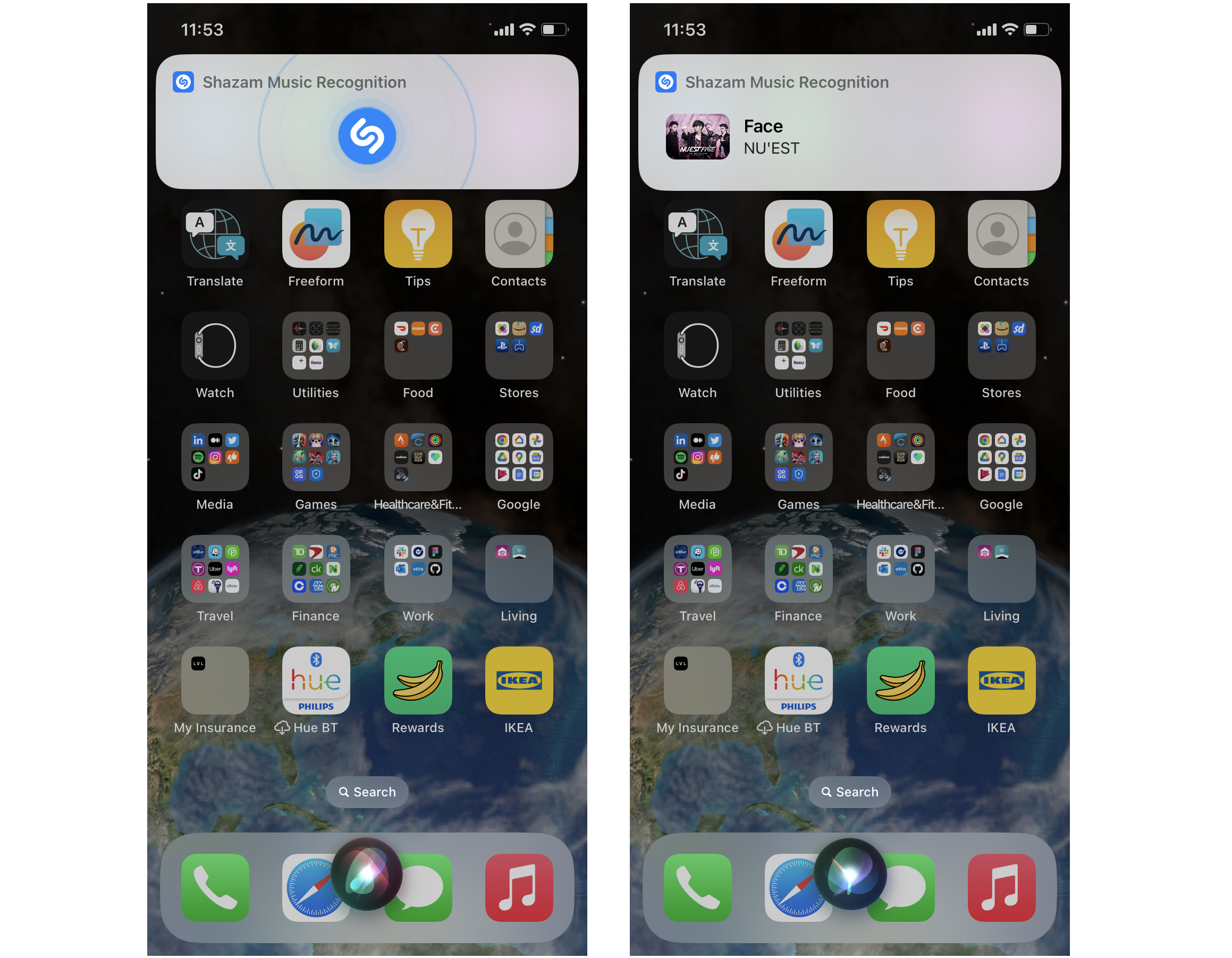
Shazam is a good case in point. The app's core job is identifying music, and its integration with Siri makes that job nearly effortless — asking “Hey, Siri, which song is this?” triggers the tool directly. That hands-off convenience is the essence of being subtle.
Turning Introverted Traits Into Design Skills
Introverted design translates the behavioral tendencies of introverts into concrete design practices. The approach is not about changing the process, but about adding a particular mindset:
- Identify nuances of human behavior: Introverts are expert observers.
- Skill: Exceed the obvious.
- Overthinking an action: Introverts are prone to overthink.
- Skill: Ponder and analyze data beyond the convention.
- Identify risks: Introverts take calculated risks.
- Skill: Carefully consider decisions to pave the path with the slightest possibility of failure.
- Make it objective by practicing active listening: Introverts are great listeners.
- Skill: Active listening will help designers comprehend and build better products.
- Make it invisible: Introverts prefer alone time to recharge.
- Skill: Create highly intuitive products by focusing on the need.
- Help the user when needed: Due to their inwardness, introverts have a hard time asking for help.
- Skill: Intervene and provide necessary information when needed.
- Subtlety: Introverts prefer using precise words to convey thoughts.
- Skill: Drive high impact by being eloquent.
Good design does not need to be bold; it needs to be elegant. Understanding the introverted personality is the first step. Introversion is often confused with shyness, but introverts are typically highly effective people. The resource Introvert, Dear by Jenn Granneman provides a deeper look into the introverted community and mindset.
Pay attention to your surroundings — there is a wealth of information that usually goes unnoticed. Be articulate: use precise words and concrete examples. Listen first, speak later; that habit yields better-formulated thoughts. Speak only when you have something to contribute, or you add no value to the conversation. Think critically. These behaviors offer insight into the introverted view of the world.
Sometimes a different perspective is all we need to make a difference.