A publisher's design system problem
News UK’s growth across print, online, radio, and TV meant its brands—from The Times to The Sun—needed to scale design and development together. Historically, each brand operated independently with separate design orgs, product teams, and tools. Uniting them under a single system, while respecting each brand’s specific requirements, was a major challenge.
“Building a design system for all of our brands is challenging. We have a lot of brands with a lot of heritage, and they have tight requirements on how things should look and feel,” says Nick Dorman, Head of Design Systems at News UK. “As designers, it’s our job to understand what product, editorial, and marketing teams want from the design system; their perspectives influence how we approach building the system.”
Why the old stack fell apart
The initial approach combined Sketch, Abstract, Zeplin, and InVision. Rather than streamlining work, this produced a disjointed solution. The design systems team spent days—sometimes weeks—maintaining libraries. Simple changes like updating text style colors resulted in thousands of styles to accommodate variants across brands. The theming features built for diverse product requirements became rigid and complicated, and when The Times launched a new radio station as the first consumer of the system, support demands became unsustainable.
Adoption suffered, and without widespread use, the system couldn't grow. The team decided to migrate to Figma, aiming to consolidate tools, centralize library management, and encourage contribution.
Winning over the teams
Technical flexibility alone wasn't enough; cultural buy-in mattered. “It’s not enough to say, ‘here’s a new design system, please use it,’” says James Davis, Lead Designer. “People really want to understand it and feel they are involved, so we came up with creative ideas to educate and encourage adoption.”
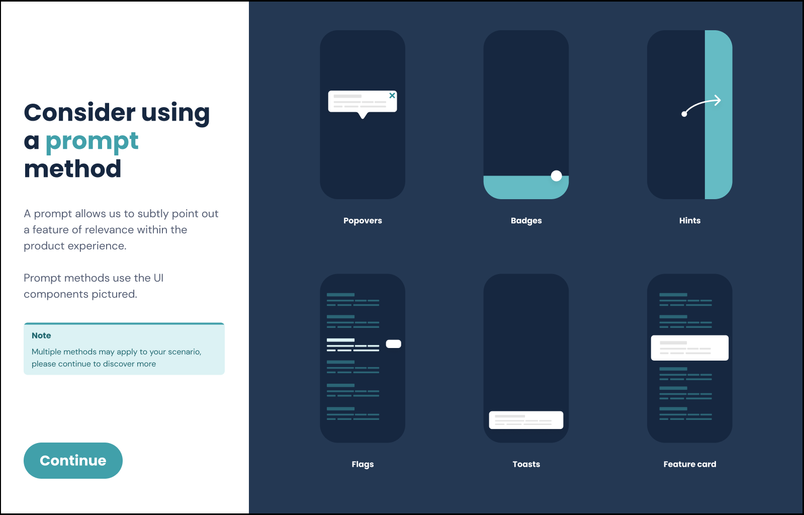
The design systems team individually set up and onboarded every designer’s workspace in Figma, ran tailored workshops on migrating from Sketch, file structuring, and component use, and created documentation for cross-functional partners on commenting, inspecting, and integrating tools like Jira. To foster contribution, they worked with designers to produce component specs and reusable patterns. They also created tools in Figma to guide selection of components for scenarios like onboarding users to a new product.
Designer advocates were recruited to promote the system within product areas, share best practices, and act as points of contact, keeping teams current with system updates.
From burden to foundation
The move away from Sketch, Abstract, and other tools changed perception. “There was a night and day difference after we transitioned to Figma,” Davis says. “Designers saw the potential of the tool and wanted to understand more about it. It acted as a catalyst for building out our design system.”
After migrating in a couple of weeks, the design system now flexes across brands. A key feature is the ability to apply different themes to the same components. “We developed a plugin that enables us to experiment and more easily build out individual components that work across multiple brands,” Dorman says. “It also makes the design system feel like it was purpose-built for the brand.”
Teams collaborate and gather feedback earlier and more often. “It’s more important than ever that we avoid working in isolation, we need to operate as one team, share knowledge, support each other, and stop reinventing existing solutions,” says Dorman. “Our new design system helps us work in a more interconnected way.”
With the system rolled out to all product and design teams, internal feedback has been strong. Dorman notes, “Every quarter or so, we send out an internal NPS survey to the teams to gather feedback about the design system. We saw a 23-point spike in our NPS score in the first quarter following our introduction of Figma–our most significant bounce to date. There’s still more work to be done, but product teams are now buying into the system and reporting real benefits. It’s great to know we’ve built a solid foundation to scale from.”