
Why Words Alone Can’t Explain User Behavior
What people say they do and what they actually do rarely align. Users often aren’t consciously aware of their own motivations, and even when they are, they tend to frame answers through how they want to be perceived rather than how things really are. Direct questions are frequently the worst way to get truthful answers: respondents exaggerate, fixate on edge cases, and privilege short-term goals over what actually matters to them long-term.
The unreliability of self-reporting extends even to the words people choose. Research on verbal probability terms shows that while extreme expressions carry some shared meaning, common qualifiers like “possible,” “maybe,” or “likely” produce a wide spread of interpretations across listeners. Precision in language is rare, so treating user statements as exact data points is a mistake from the start.
The Four Levels of Customer Understanding
To move past assumptions, Hannah Shamji’s framework proposes triangulating across four distinct levels of insight:
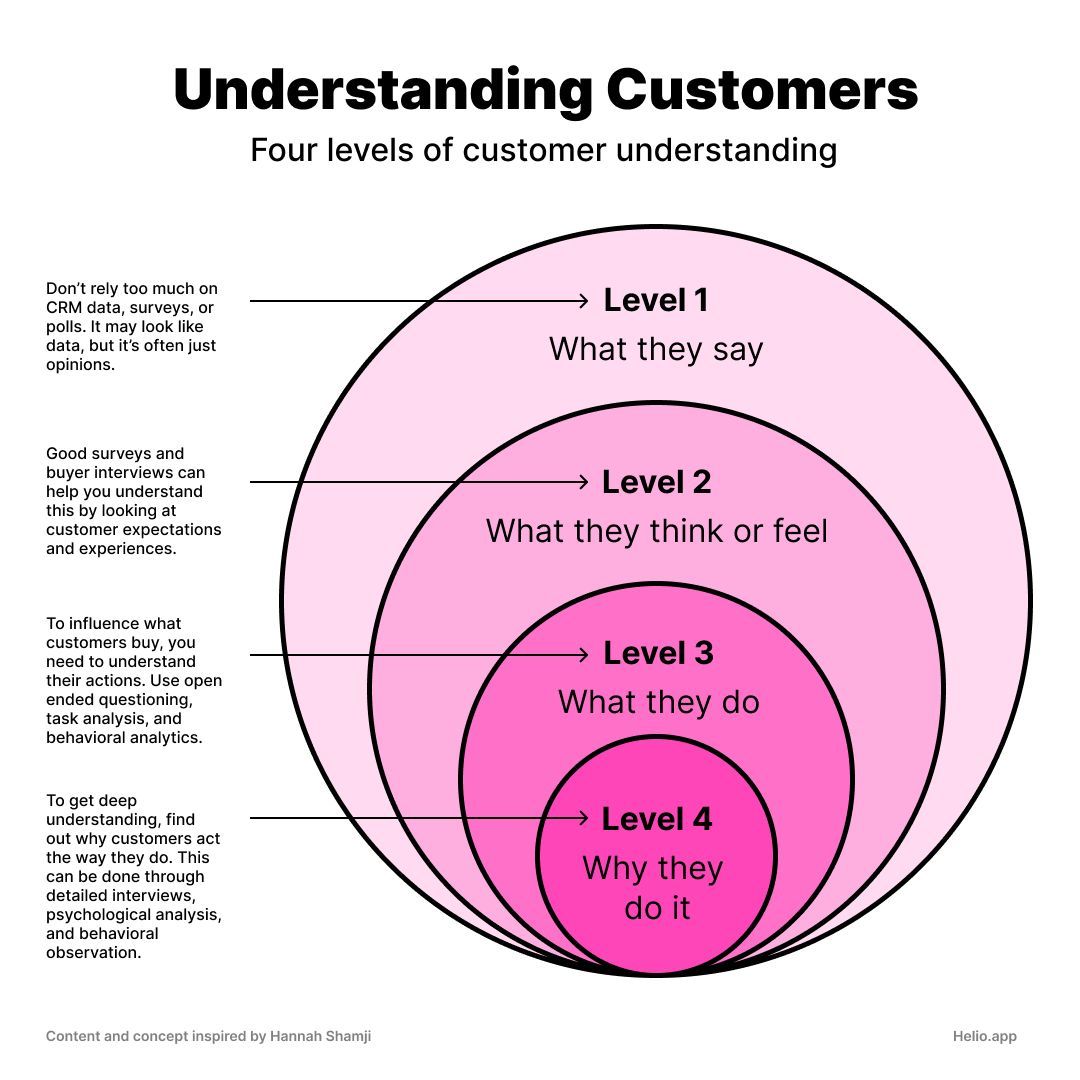
- Level 1: What they say. The easiest data to collect, and the least reliable. Surveys, polls, and CRM records capture opinions filtered through perception and self-presentation bias.
- Level 2: What they think and feel. Richer context, but still distorted by memory and personal preference. Qualitative interviews help surface expectations, though they remain one step removed from reality.
- Level 3: What they do. Behavioral evidence — analytics, task analysis, and workflow studies — reveals actual actions taken or skipped, free from the noise of self-narrative.
- Level 4: Why they do it. The deepest layer, requiring observation of real workflows and repeated in-depth interviews to uncover root motivations.
The four levels don’t always agree. Conflicting signals between what users claim and what usage data shows are common, and reconciling them demands mixed-method research rather than picking whichever result is more convenient.
Reading Behavior Over Narration
Talk-aloud protocols are a popular usability technique, but they have a significant flaw: asking users to narrate while solving tasks suppresses the very emotional cues that matter. Attention splits between speaking and doing, and genuine reactions get masked by language.
A better approach is quiet observation. Watch where the mouse hovers without clicking, where it circles indecisively, how fast scrolling moves, and where it stops. Only after the user signals completion or confusion do you ask questions. Those subtle behavioral cues — hesitation, backtracking, repeated actions — often say more than any verbal summary.
When interviews are necessary, the Emotion Wheel by Geoffrey Roberts helps pin down sentiment with more nuance than a binary “good” or “bad.” Mirroring — restating what the user said or paraphrasing the same question — tends to draw out additional context that the first answer omitted.
Emotion as Signal, Not Solution
Not everyone agrees that emotional attunement belongs in UX work. Alin Buda argues forcefully that the job is to make sense of users’ problems and solve them, not to absorb their experiences emotionally:
“Our work is about others — their problems, their pain, their mess. Our job is to make sense of it and then do something about it. Not to emote or perform but to act on and solve it.”

The counterargument is that emotional response still functions as a diagnostic signal — a gauge of engagement, confusion, or confidence that indicates how well the product serves its purpose. Aesthetics, friction points, and moments of detachment all register emotionally before they register in task completion metrics. But emotions alone don’t constitute research; they point toward places where deeper investigation is needed.
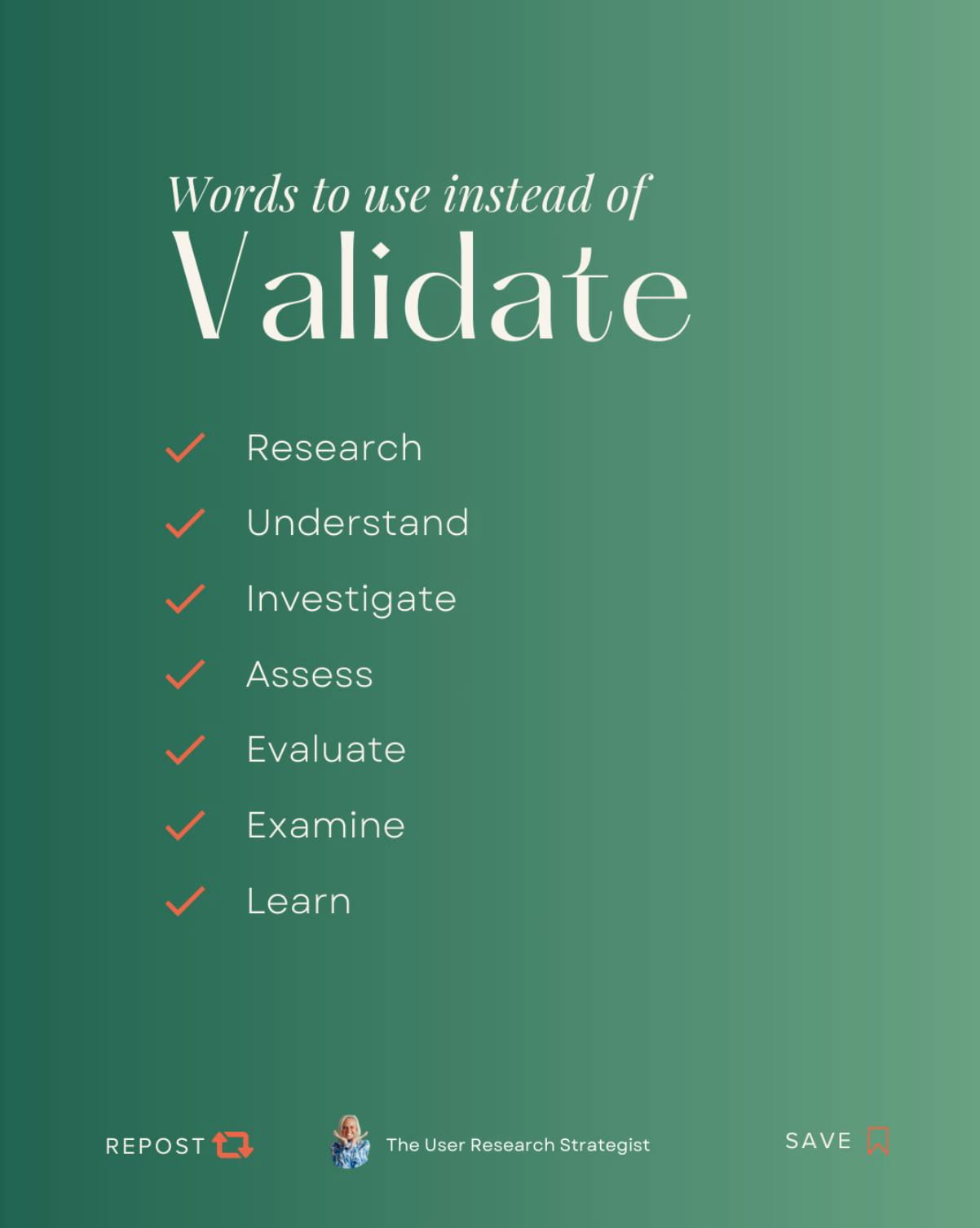
Diagnose, Don’t Validate
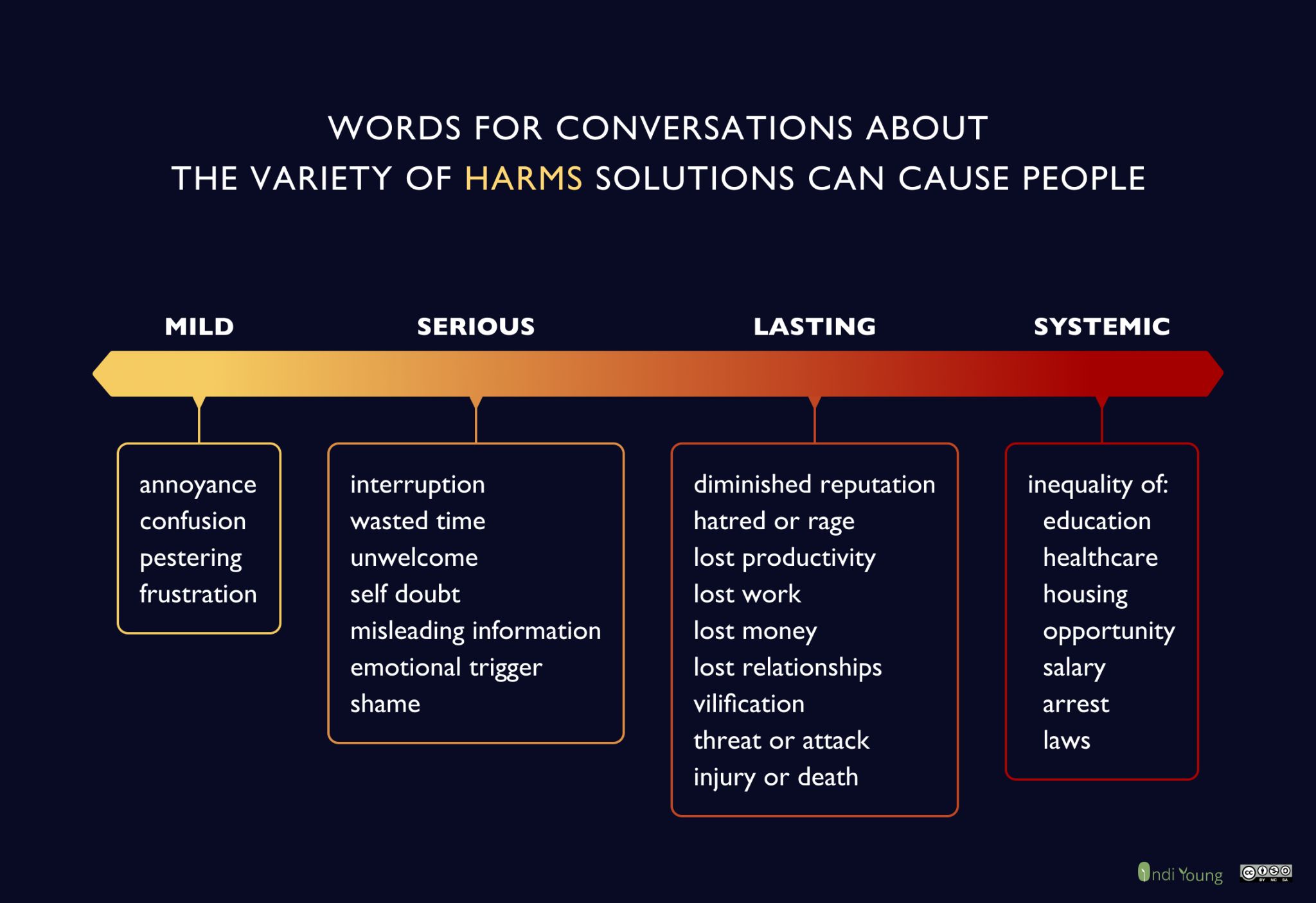
Companies frequently describe user testing as “validation,” but that framing often means confirming pre-existing beliefs. Real research works in the opposite direction: it diagnoses existing behavior without preconceived notions. This includes understanding not just motivations but also risks, doubts, and potential harms users might face.
Getting to that level of understanding requires a sincere relationship with users. When people trust the researcher and genuinely want to help, they share far more than when they feel interrogated or judged.
Low-Cost Ways to Surface User Struggles
Understanding users is not contingent on expensive tooling. Practical, low-budget strategies can expose real struggles across an organization:
- Exposure hours: Require every employee to spend at least two hours with customers every six to twelve weeks.
- Live UX testing: Open observation sessions to the whole company, not just the product team.
- Co-design sessions: Show users new features and ask them to rank priorities.
- Helpdesk insights: Collect recurring complaints and questions from support every three to six months.
- Listening in: Monitor customer service calls, web chats, and community spaces where users talk candidly.
The goal is to make customer struggles visible company-wide. Short video clips from user sessions or a monthly internal newsletter documenting findings can keep real user needs at the forefront for marketing, engineering, and leadership alike.
The Research Question Is the Real Starting Point
Impact comes from going beyond feedback. Surveys and interviews alone are insufficient — actual behavior must be observed and relationships built to understand true motivations. But the most critical step is deciding what questions actually need answers. Not what “validation” would let the project move forward, but what is genuinely unknown and worth researching. Without that clarity, everything else is just hunches — often expensive ones.
Resources for Deeper Exploration
To go further with the concepts of understanding customers on multiple levels, the following practical resources are valuable starting points.
Frameworks and Tools
Hannah Shamji’s original framework, “Four Levels of Customer Understanding,” provides a direct look at the structure driving this discussion. For a broader set of tactical options, David Travis’ “60 Ways To Understand User Needs” offers an extensive list of methods beyond the usual focus groups and surveys.
When working through the emotional layer of customer insight, the Feelings Wheel (available as a Toolkit PDF, a printable version, or an interactive online tool) is an excellent aid for helping users and stakeholders label nuanced feelings with precision.
For a counterpoint to standard practice, Alin Buda’s “My Case Against Empathy” challenges the field to reconsider the role of empathy in research. Thomas D’hooge’s “Possible vs. Probable” on LinkedIn is also worth reviewing for its take on likelihood and foresight. For a data-driven view on language, the study “Communicating probability: a multinational study of the interpretation of verbal probability terms” by Maarten C. de Vries, Marjolijn L. de Boer, and Martine Bouman details how people misinterpret common verbal approximations of chance.
Books for a Broader Perspective
Two books round out a practical reading list on this subject.
- Deploy Empathy: A practical guide to interviewing customers, by Michele Hansen — a hands-on manual for those research sessions.
- Humankind, by Rutger Bregman — a look at human nature that informs how we interpret user behavior and motivations.