

Hybrid work complicates the translation of conversations into action, and feedback is central to that problem. Figma’s feedback gift guide is built on a single analogy: like any gift, feedback has to suit the occasion and the relationship. Whether it lands depends on how collaborative the team’s culture is, how urgent the input is for the project, and which time zone a teammate sits in. Good intentions alone don’t protect a delivery from being ignored, straining working relationships, or pushing a project into an endless back-and-forth.
Timing: when feedback lands
Knowing when to give great feedback is as important as what to give. Companies, design teams, projects, and people each carry their own constraints and timelines, so the goal is to deliver feedback when it can be most constructive and well-received.
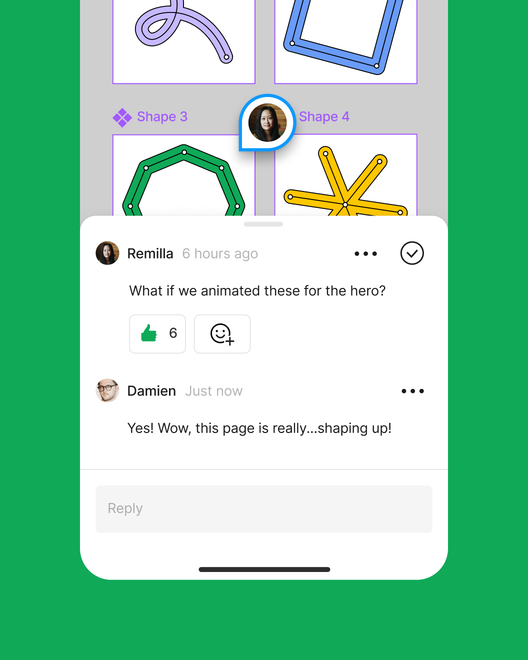
Match feedback to fidelity
Early concepts invite premature “no” verdicts and jumps to color choices—our brains readily fill in the gaps—but design is a process for a reason. Considering the intent behind each step helps you communicate appropriately along the way.
- Brainstorming sessions call for expansive thinking about directions; feedback that narrows too early limits the possibilities.
- Early concepts need an open mind, and input grounded in research or data can help narrow the options before wireframes.
- Feedback in product reviews keeps work aligned with product and business goals.
- Design critiques surface nitty-gritty UX and visual ideas from the team and promote consistency across products.
- Prototypes call for feedback on usability and animation.
- High-fidelity designs warrant rigorous attention to details that augment the designer’s perspective.
- At final design delivery, designers need to know whether every base is covered or a flow or use case needs more work.
When soliciting input at any stage, outlining the kind of feedback that would be most helpful sets expectations and provides focus. See Figma’s design team’s six critique methods.
Meet the culture where it is
Many teams are moving toward a more open, collaborative process, but culture isn’t built in a day. Microsoft Corporate Vice President of Design & Research Jon Friedman describes the scale of the change: a multi-year cultural shift is often needed to move a whole company from a mindset of solo contribution to one grounded in collaboration first. Understanding where your company sits on that journey matters. A highly collaborative culture may promote sharing across teams and encourage public Slack channels for open discussion.
- Teams early in the journey benefit from more context setting. Critical conversations should happen early and often to steer projects away from past stumbling blocks; the giver–receiver relationship gets worked out in real time, and looking messy at first is acceptable.
- Teams with an established feedback culture can take a straightforward approach through channels that already work.
Respect working hours
Pinging a teammate at 5:30 a.m. about a new idea for a shared project rarely goes over well. Teammates may keep different hours or have personal preferences about timing, so know the team’s schedules and set expectations about your own working style. Small accommodations in communication go a long way; design leaders have written about coordinating feedback and alignment across multiple time zones.
Setting: picking the channel
An appropriate setting and channel determine whether feedback is well received. As with a party invite sent over Slack or a dinner query emailed to someone in the next room, context and customs apply at work too. Processes should fit how and where the team works and keep adapting to keep everyone in the loop.
Mind the group
The line between public and private blurs easily, but group dynamics determine whether a room stays silent or becomes a fruitful exchange. Decide who and how many people you want feedback from, then pick the surface that supports that group.
- Public forums such as FigJam or a group email may make detailed, critical feedback less comfortable, but teammates can build on each other’s thoughts, and such spaces work well for quick support or kudos.
- Private forums such as email, audio files, or chat may make long, detailed feedback easier; constructive feedback generally lands better one-on-one.
Go real-time when it counts
Funneling everything through asynchronous channels like email is tempting when schedules diverge, but real-time communication can’t be beat for efficiency and relationship-building. Sensitive feedback belongs in real-time private channels to prevent misunderstandings or unnecessary embarrassment.
Lower the tooling barrier
Getting a team comfortable with feedback also means choosing tools that allow cross-functional participation. According to Figma Chief Product Officer Yuhki Yamashita, features like FigJam’s cursor chats, emojis, and stickers let people express themselves more naturally. Adoption still costs mental energy, so if you’re expert in a specialized tool, walk peers through its features before the crunch of feedback time—that early effort saves a bundle later. Google’s Jennifer Daniel has discussed how digital primitives like emoji help teams communicate across boundaries.
Packaging: the right present
How you package feedback helps the message get across. An intention can’t be curated and wrapped on its own, so givers and receivers should agree on which type of feedback is productive for the moment and frame requests and deliveries accordingly.
Make a wish list
Not all feedback is helpful, and when asking for it you owe yourself honesty about what the project needs to advance—even if that’s a nudge of encouragement, as long as the purpose is clear. A starter list:
- A bank of new ideas for concept generation
- Help narrowing down a selection of ideas
- Research insights to refine an idea
- Stakeholder buy-in to a refined concept
- Unique expertise to identify gaps, blockers, or feasibility
- Encouragement from the team
- Sign-off or approval from stakeholders
Stating what you don’t want to hear sometimes sets guardrails and keeps the exchange comfortable. Sharing rough work for early feedback helps keep creativity flowing.
Say what you want
Teammates can’t read minds, so knowing what you want isn’t enough—the team has to be told. Make the ask clear and match the channel to the need: generating new ideas calls for a real-time team meeting that sets the stage for discussion, while a quick thumbs up is better served by a link in Slack or an email with an explicit request for approval. Roles matter too—an executive-level stakeholder needs more context, and perhaps a more formal request, than a close teammate. Asking for feedback that supports iteration starts here.
Honor the request
The best gift is the one on the list. When a teammate asks for a specific type of feedback, trust that there’s a reason and tailor your thoughts accordingly. Extra feedback can still be offered above and beyond the occasion, but do so as respectfully as possible—not everyone is comfortable with surprises, even one that turns out to be a game-changer.
These guidelines are meant to move products toward launch and teams toward more effective collaboration, but they are not universal. Every company, team, and individual differs. Chocolate may be the most traditional gift for that February holiday, but it fails if your partner is lactose intolerant.
Collaborating well takes practice and reflection from everyone on the team, and a culture of strong feedback depends on improvisation and personalization. The right feedback, delivered through the right tools at the right moment, helps people get what they actually need.