

Why AI Trust Is Now a Product Problem
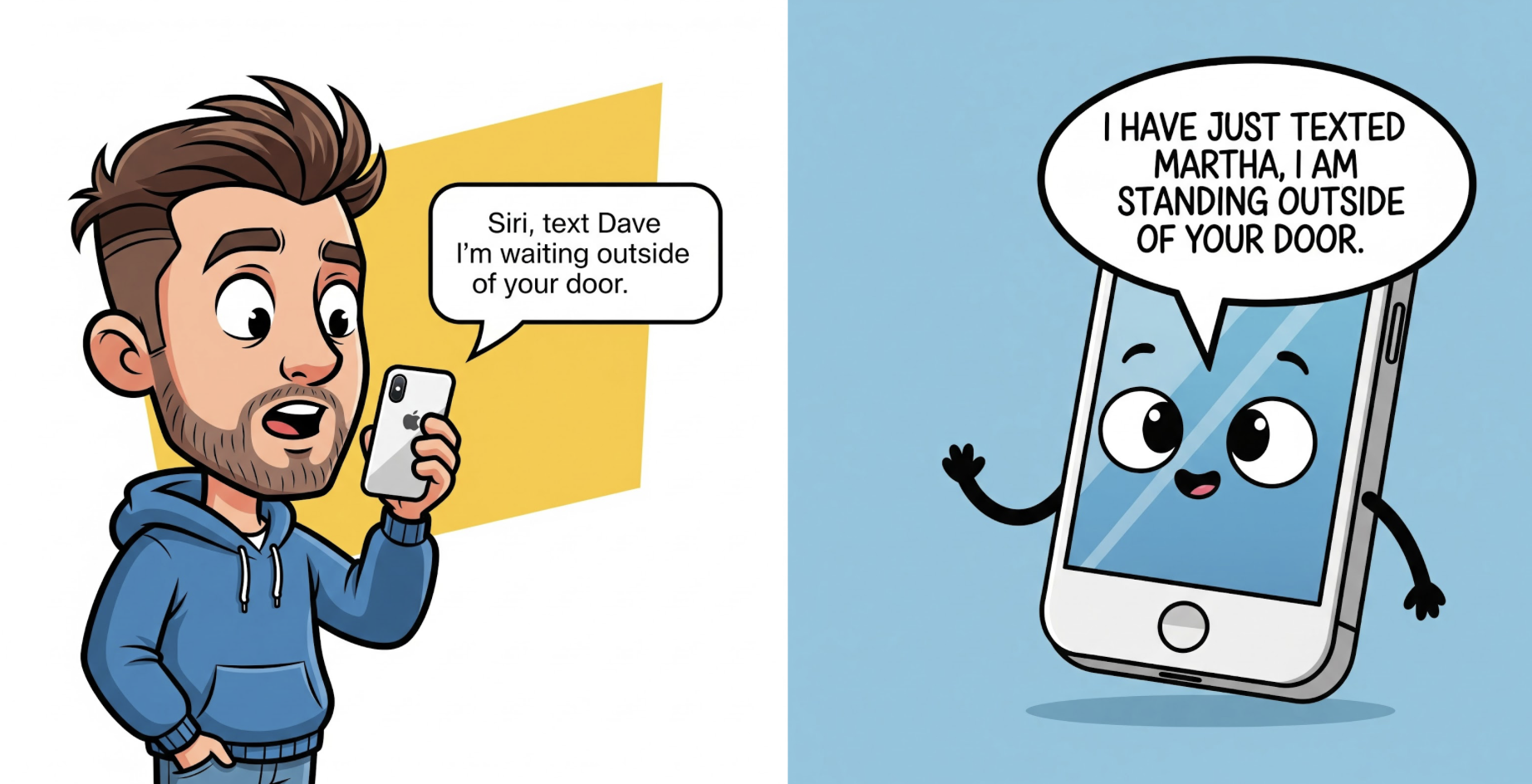
When an AI system “hallucinates,” it’s rarely just a technical glitch — it’s a direct hit to user confidence. In legal settings, fabricated case citations from generative AI have led to sanctions and public embarrassment for lawyers who submitted them as fact. Similar failures are surfacing in healthcare and education, while everyday users encounter smaller betrayals when voice assistants misunderstand requests or act on the wrong name.
As more digital products incorporate generative and agentic AI, trust operates as an invisible layer of the user interface. When it holds, interactions feel fluid and powerful. When it breaks, the entire experience falls apart. For UX professionals, the challenge is no longer abstract: how do you build AI-driven products that users can rely on, and how do you measure something as intangible as trust itself?
Trust is not mystical. It is a psychological construct built on identifiable, predictable factors, and it can be understood, measured, and designed for. This guide offers UX researchers and designers a practical framework for doing exactly that — examining the psychological components of trust, providing concrete measurement methods, and laying out actionable strategies for building more trustworthy AI systems.
The Four Pillars of AI Trust
One useful way to think about trust is as a four-legged stool: if any single leg is weak, the entire structure becomes unstable. These four pillars, adapted from interpersonal trust models, apply directly to AI systems.
Ability: Competence First
This is the most fundamental pillar: does the AI have the skills to perform its intended function accurately? A weather app that is consistently wrong loses credibility quickly. An AI legal assistant that invents court cases has failed the basic test of competence. This is the foundational layer of trust, and without it, nothing else matters.
Benevolence: Perceived Intent
Benevolence shifts the question from function to intent. Does the user believe the AI is acting in their best interest? A navigation app that suggests a slower but toll-free route may be seen as benevolent. Conversely, an AI that aggressively pushes sponsored results feels self-serving. User fears — including anxiety about job displacement — directly attack this pillar, because users begin to suspect the AI is not on their side.
Integrity: Ethical Consistency
Integrity concerns whether the AI operates on predictable and ethical principles. This involves transparency about data usage, fairness in outcomes, and honesty in communication. A system that quietly changes its terms of service or relies on dark patterns to force consent fails this pillar. An AI recruiting tool embodying subtle but harmful social biases also violates integrity.
Predictability & Reliability: A Stable Mental Model
Users need to build an accurate mental model of how an AI will behave. Unpredictability — even when outcomes are occasionally good — creates anxiety. If an AI gives radically different answers to the same question asked twice, users cannot anticipate its behavior and will find it difficult to trust.
Calibrated Trust Is the Real Goal
The objective is not to maximize trust. An employee who blindly accepts every email is a security risk, and a user who blindly accepts every AI output can be led into serious trouble — as the fabricated legal briefs illustrate. The target is well-calibrated trust, where users have an accurate sense of what the AI can and cannot do.
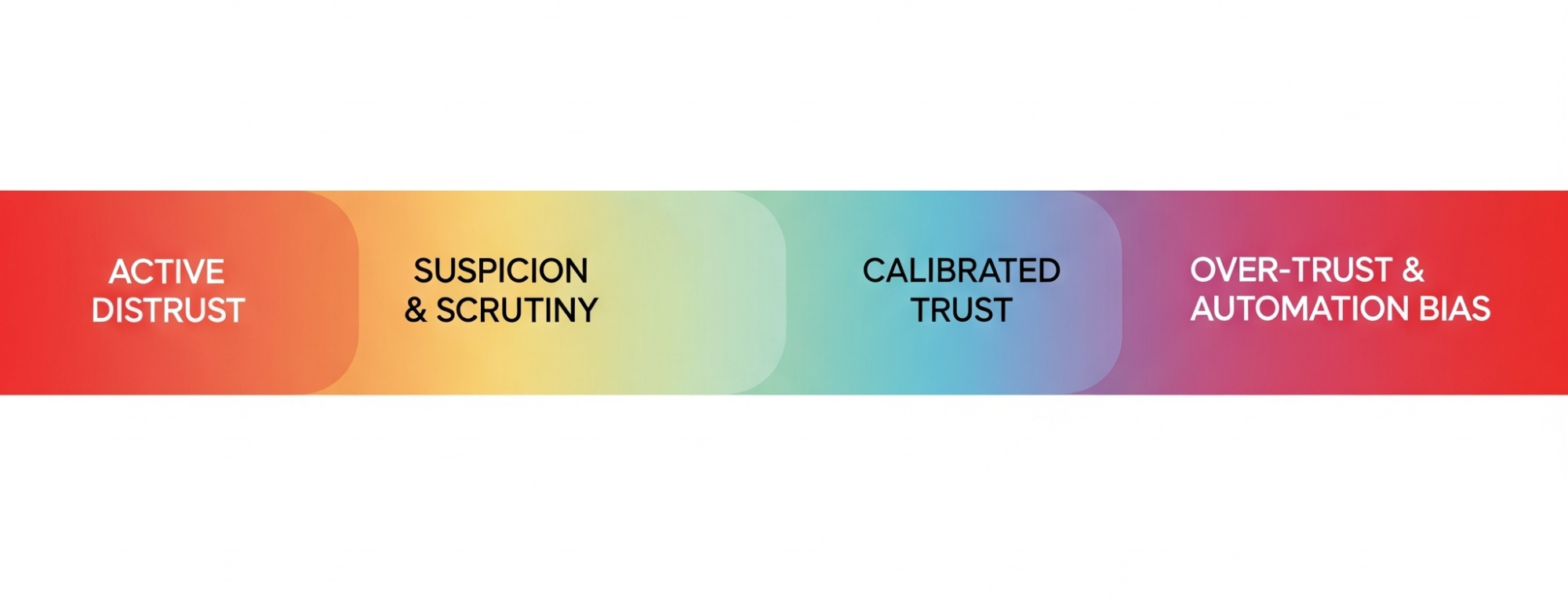
Think of trust as a spectrum:
- Active Distrust — The user believes the AI is incompetent or malicious and will avoid or work against it.
- Suspicion & Scrutiny — The user interacts cautiously, constantly verifying outputs. This is common and often healthy with new AI tools.
- Calibrated Trust — The ideal state, where the user understands the AI’s strengths and weaknesses and knows when to rely on it versus when to be skeptical.
- Over-trust & Automation Bias — The user unquestioningly accepts AI output, which is how users follow flawed navigation into a field or accept fabricated legal citations as fact.
Measuring Trust in AI Systems
Trust feels abstract, but it leaves measurable traces. Social science research has established definitions of trust and methods for capturing it. As a UX researcher, you can use a combination of qualitative, quantitative, and behavioral techniques to track it across your product.
Qualitative Probes: Listen for the Language of Trust
In interviews and usability testing, push beyond “Was that easy to use?” and listen for underlying psychological signals. Relevant questions include:
- Ability: “Tell me about a time this tool’s performance surprised you, either positively or negatively.”
- Benevolence: “Do you feel this system is on your side? What gives you that impression?”
- Integrity: “If this AI made a mistake, how would you expect it to handle it? What would be a fair response?”
- Predictability: “Before you clicked that button, what did you expect the AI to do? How closely did it match your expectation?”
Addressing Fear of Job Displacement
One of the greatest challenges to perceived benevolence is the fear of job loss. When a participant comments that the tool handles part of their job well and they “should be worried,” an untrained researcher might dismiss the remark. A trained researcher validates and explores instead:
“Thank you for sharing that; it’s a vital perspective, and it’s exactly the kind of feedback we need to hear. Can you tell me more about what aspects of this tool make you feel that way? In an ideal world, how would a tool like this work with you to make your job better, not to replace it?”
This approach respects the participant, validates their concern, and converts defensiveness into actionable design insight about human-AI collaboration. Research findings should reflect these concerns rather than pretend they don’t exist or assume every AI feature is being deployed with benevolent intent.
Quantitative Metrics: Scoring Confidence
You don’t need a data science background to quantify trust. After users complete a task with an AI system, add Likert-scale items to your standard usability questions:
- “The AI’s suggestion was reliable.” (1–7, Strongly Disagree to Strongly Agree)
- “I am confident in the AI’s output.” (1–7)
- “I understood why the AI made that recommendation.” (1–7)
- “The AI responded in a way that I expected.” (1–7)
- “The AI provided consistent responses over time.” (1–7)
Tracked over time, these metrics reveal how trust evolves as the product changes. For more rigorous measurement, published academic scales of trust in automated systems offer empirically validated items; four examples are provided in the table at the end of the article, which you can adapt for your own application.
Behavioral Signals: Watch What Users Do
People reveal their true feelings through actions. General behavioral metrics that apply to most AI products include:
- Correction Rate — How often do users manually edit, undo, or ignore AI output? High correction rates signal low confidence in competence.
- Verification Behavior — Do users open a search engine or another app to double-check AI answers? This suggests they don’t yet accept it as a standalone source of truth — though it can also indicate healthy calibration of trust.
- Disengagement — Do users disable the AI feature or stop using it entirely after a single negative experience? This is the strongest behavioral vote of no confidence.
Designing for Trust: From Principles to Pixels
Once you’ve measured trust, you can translate those psychological principles into concrete interface elements and user flows. The goal is to make the AI’s behavior legible and its limitations visible from the very first interaction.
Competence, Predictability, and Honest Framing
Users need to know what an AI can and cannot do. Onboarding, tooltips, and empty states are prime opportunities to set clear expectations. A simple acknowledgement like “I’m still learning about [topic X], so please double-check my answers” can significantly shape user behavior and prevent over-reliance.
Surface uncertainty directly. A weather app that says “70% chance of rain” is more trustworthy than one that gets it wrong after a flat “It will rain.” AI interfaces should adopt similar signals, such as “I’m 85% confident in this summary,” or highlighting sentences the model is less certain about to prompt user verification.
Explainability Is About Rationale, Not Code
Explainable AI (XAI) is not about exposing raw algorithms. It is about providing a human-readable rationale for a decision. The difference between an opaque oracle and a logical partner is often just a sentence of context:
Instead of:
“Here is your recommendation.”
Try:
“Because you frequently read articles about UX research methods, I’m recommending this new piece on measuring trust in AI.”
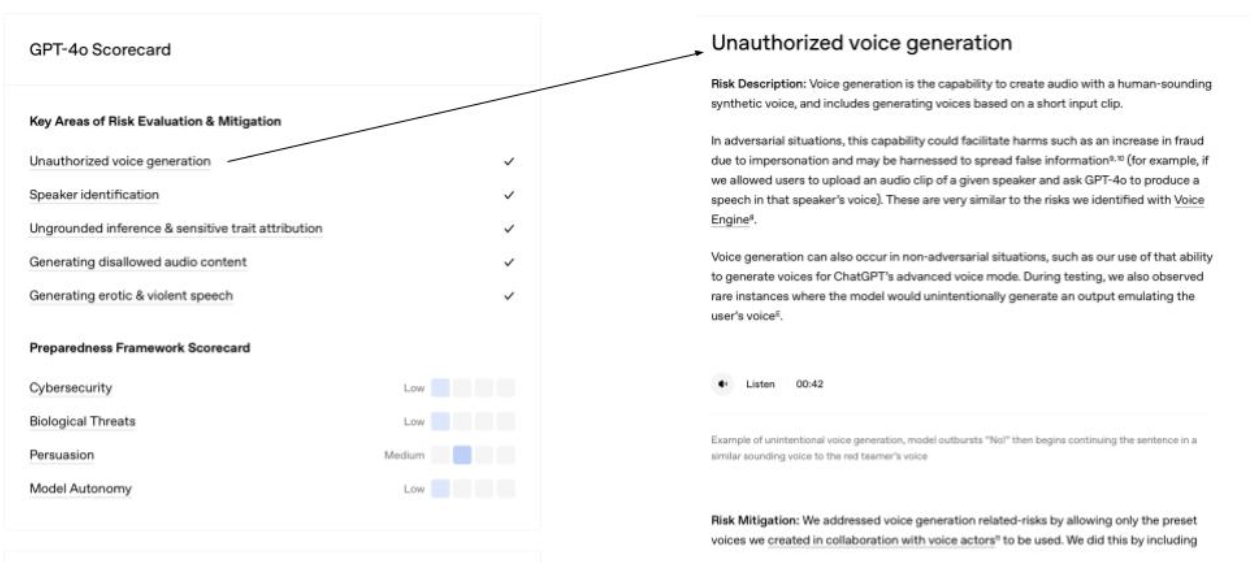
Many major tools, including ChatGPT and Gemini, now expose their chain-of-thought reasoning. While this might be more detail than the average user wants, it offers an audit trail for those who wish to trace how a response was generated. OpenAI also publishes system scorecards for each model, detailing performance on areas like hallucinations and health-based conversations. Reading these closely reveals that no model is perfect across the board, reinforcing the need for a “trust but verify” approach rather than blind faith.

Graceful Failure and the “I Don’t Know” Response
Errors are inevitable. Trust is determined less by their absence and more by how gracefully the system recovers. When an AI fails, it should acknowledge the mistake humbly — “My apologies, I misunderstood that request. Could you please rephrase it?” — rather than returning a nonsensical answer. Feedback mechanisms like thumbs up/down must be prominent and demonstrably acted upon; a simple “Thank you, I’m learning from your correction” aids in repair, provided the system actually does improve.
UX practitioners should also work with product teams to ensure honesty about limitations is a core product principle. This means defining metrics beyond engagement, such as:
- Hallucination Rate: How often the AI provides verifiably false information.
- Successful Fallback Rate: How often the AI recognizes its inability to answer and offers a helpful, honest alternative.
Treat the “I don’t know” response not as an error state but as a critical feature worthy of dedicated design and engineering resources.
The Role of UX Writing in Building Confidence
UX writers are the architects of an AI’s voice. They translate technical processes into clear language, craft error messages, and design conversational flows. Without thoughtful UX writing, even the most advanced system feels opaque and untrustworthy. Key focus areas include:
- Prioritizing Transparency: Clearly mark generated content, using phrasing like “As an AI, I can…” or “This is a generated response.”
- Designing for Explainability: When delivering a recommendation or decision, include an understandable “why” behind the output.
- Emphasizing User Control: Offer obvious routes for feedback, correction, and opting out to reinforce that the AI is a tool under human direction.
The Ethics of Research and the Peril of “Trustwashing”
There is a hard line between designing for calibrated trust and manipulating users into trusting a flawed system. Trustwashing occurs when an interface implies fairness and reliability that the underlying model does not possess. An AI loan tool that presents itself as neutral while consistently biasing against certain populations is a prime example. A medical diagnostic that appears infallible but occasionally misdiagnoses is another.
To avoid this betrayal of professional ethics, research and UX teams should prioritize genuine transparency around limitations, seek external validation beyond internal testing, and engage diverse stakeholders in the design process. Teams must also publish negative findings, be wary of marketing hype around “trustworthiness,” and focus on user empowerment rather than passive acceptance of outputs.
The Duty to Advocate
When research uncovers deep-seated distrust or potential harm, such as anxiety over job displacement, the work is just beginning. It is an ethical obligation to carry those findings to decision-makers, even when they disrupt the product roadmap. In my experience leading research teams, the hardest part of the job is often navigating this friction between user well-being and commercial pressure.
Framing these findings as opportunities rather than obstacles can shift the conversation from defensive to proactive. Rather than reporting “Users don’t trust our AI because they fear job displacement,” consider: “Addressing these concerns presents a chance to build deeper loyalty by demonstrating our commitment to responsible development and exploring features that enhance human capabilities.”
Businesses will naturally pursue AI for workforce reduction, potentially targeting a 10–20% reduction in certain roles. However, giving users a voice in shaping the product’s direction can help them feel safer than if feedback is ignored. We should not try to convince users that their distrust is misplaced. Instead, we should value their willingness to engage and build a product informed by the human experts who have long performed the tasks being automated.
Trust As A Design Material: From Theory To Practice
The psychological dimensions of trust discussed above translate into a concrete design practice. The tactics below, grouped under the four pillars of trust, offer a practical checklist for building AI experiences that earn calibrated user confidence rather than blind acceptance or reflexive skepticism.
Table 1: Published Academic Scales Measuring Trust In Automated Systems
| Survey Tool Name | Focus | Key Dimensions of Trust | Citation |
|---|---|---|---|
| Trust in Automation Scale | 12-item questionnaire to assess trust between people and automated systems. | Measures a general level of trust, including reliability, predictability, and confidence. | Jian, J. Y., Bisantz, A. M., & Drury, C. G. (2000). Foundations for an empirically determined scale of trust in automated systems. International Journal of Cognitive Ergonomics, 4(1), 53–71. |
| Trust of Automated Systems Test (TOAST) | 9-items used to measure user trust in a variety of automated systems, designed for quick administration. | Divided into two main subscales: Understanding (user’s comprehension of the system) and Performance (belief in the system’s effectiveness). | Wojton, H. M., Porter, D., Lane, S. T., Bieber, C., & Madhavan, P. (2020). Initial validation of the trust of automated systems test (TOAST). (PDF) The Journal of Social Psychology, 160(6), 735–750. |
| Trust in Automation Questionnaire | A 19-item questionnaire capable of predicting user reliance on automated systems. A 2-item subscale is available for quick assessments; the full tool is recommended for a more thorough analysis. | Measures 6 factors: Reliability, Understandability, Propensity to trust, Intentions of developers, Familiarity, Trust in automation | Körber, M. (2018). Theoretical considerations and development of a questionnaire to measure trust in automation. In Proceedings 20th Triennial Congress of the IEA. Springer. |
| Human Computer Trust Scale | 12-item questionnaire created to provide an empirically sound tool for assessing user trust in technology. | Divided into two key factors:
| Siddharth Gulati, Sonia Sousa & David Lamas (2019): Design, development and evaluation of a human-computer trust scale, (PDF) Behaviour & Information Technology |
Appendix A: Trust-Building Tactics Checklist
1. Ability (Competence) & Predictability
- Set clear expectations: Use onboarding, tooltips, and empty states to honestly communicate the AI’s strengths and weaknesses.
- Show confidence levels: Display the AI’s uncertainty — e.g., “70% chance” — or highlight less certain parts of its output.
- Provide explainability (XAI): Offer useful, human-understandable rationales for AI decisions, such as “Because you frequently read X, I’m recommending Y.”
- Design for graceful error handling: Acknowledge errors humbly, provide easy paths to correction (e.g., thumbs up/down), and show feedback is being used (“Thank you, I’m learning from your correction”).
- Design for “I don’t know” responses: Acknowledge limitations honestly and prioritize a high-quality fallback experience when the AI cannot answer.
- Prioritize transparency: Clearly communicate capabilities and limitations, especially when responses are generated.
2. Benevolence
- Address existential fears: Validate user concerns about job displacement and reframe feedback into actionable insights about collaborative tools.
- Prioritize user well-being: Advocate for design and strategy shifts that put user well-being first, even if they conflict with the product roadmap.
- Emphasize user control: Provide clear mechanisms for feedback, error correction, and opting out of AI features.
3. Integrity
- Adhere to ethical principles: Ensure the AI operates on predictable, ethical principles that demonstrate fairness and honesty.
- Prioritize genuine transparency: Communicate limitations, biases, and uncertainties clearly; avoid overstating capabilities or obscuring risks.
- Conduct rigorous, independent evaluations: Seek external validation of performance, fairness, and robustness to mitigate bias.
- Engage diverse stakeholders: Involve users, ethics experts, and impacted communities in the design and evaluation process.
- Be accountable for outcomes: Establish mechanisms for redress and continuous improvement for societal impacts, even when unintended.
- Educate the public: Help users understand how AI works, its limitations, and how to evaluate AI products.
- Advocate for ethical guidelines: Support the development of industry standards and policies promoting responsible AI.
- Be wary of marketing hype: Critically assess claims of AI “trustworthiness” and demand verifiable data.
- Publish negative findings: Be transparent about challenges, failures, and ethical dilemmas encountered in research.
4. Predictability & Reliability
- Set clear expectations: Use onboarding, tooltips, and empty states to communicate where the AI excels and where it might struggle.
- Show confidence levels: Have the AI signal its own uncertainty rather than delivering an answer with false certainty.
- Provide explainability and transparency: Offer useful, human-understandable rationales for AI decisions.
- Design for graceful error handling: Acknowledge errors humbly and provide easy paths to correction.
- Prioritize the “I don’t know” experience: Frame uncertainty as a feature and design a strong fallback experience.
- Prioritize transparency in UX writing: Communicate capabilities and limitations, especially when the system is still learning or responses are generated.
- Design for explainability in UX writing: Explain the reasoning behind recommendations, decisions, or complex outputs.

Building Our Digital Future On A Foundation Of Trust
The rise of AI is not the first major technological shift our field has faced, but it presents one of the most significant psychological challenges of our time. As UX professionals, our obligation is to build products that are not just usable but also responsible, humane, and trustworthy.
Trust is not a soft metric. It is the fundamental currency of any successful human-technology relationship. By understanding its psychological roots, measuring it with rigor, and designing for it with intent and integrity, we can move from creating “intelligent” products to building a future where users can place their confidence in the tools they use every day — a trust that is earned and deserved.


