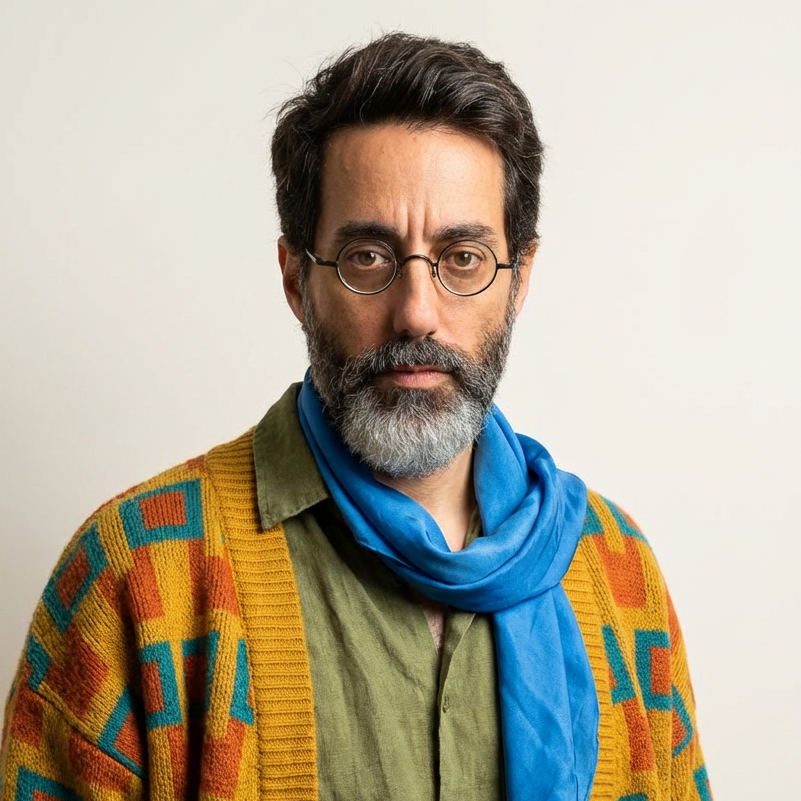
The question worth asking about generative AI is not whether it belongs in creative work, but where. Figma Weave co-founder and chief creative officer Itay Schiff frames it as a sorting problem: which steps in a process can be handed to a machine, and which ones do we insist on keeping for ourselves?
Schiff writes from the position of a daily user who builds AI products for a living, and he describes a corresponding unease at how readily he can surrender work that once mattered to him. He recalls signing up for a writing class and, within ten minutes of a first assignment, asking ChatGPT to finish the draft—in a class he had paid for.
Tedium versus thinking
Visual effects work makes the easy case for automation. A single shot can involve green-screen photography, tracker removal, previs, 3D renders, keying and edge refinement: days or weeks of labor that contributes nothing to the artistic result. Automating that with AI returns time to larger creative problems.

Other friction is not labor at all. It is where the thinking happens. Trimming a shot by hand is also a way of weighing its artistic impact; drafting a creative brief by hand is a way of clarifying a vision that an AI could have summarized in seconds. Schiff's test before automating a step is what that step does for the person doing it. Pure labor can go to the machine. A thought process that might change your mind, push you toward risk, or help you find meaning in the output is worth protecting.
Why the first output misleads
The hardest case is that the most valuable creative labor often hides inside the tasks where AI is most tempting. Decision-making is difficult, sitting with an unsolved problem is difficult, and delegating either to a model is easy. A generated frame arrives in seconds looking finished, and because it lacks the roughness of an old first draft, it invites being shipped as is. But anyone could have generated that same frame. The model produces material; the creator still has to mold it, or the result is the same mediocre output everyone else is shipping.
Figma's recent campaign for Gaussian splat, the 3D scene rendering tool in Figma Weave, is the company's own illustration. The team generated it with Seedance 2.5, a video model hosted in Weave, and the core concept—a creator exploring a 3D model as a metaphor for splatting—could technically have been produced in a single shot. The thinking took far longer. Starting from a couple of image inputs and a prompt, the first version came out fast and was nowhere near finished. The team kept iterating on story, characters and styling before Seedance could produce shots they were proud of.
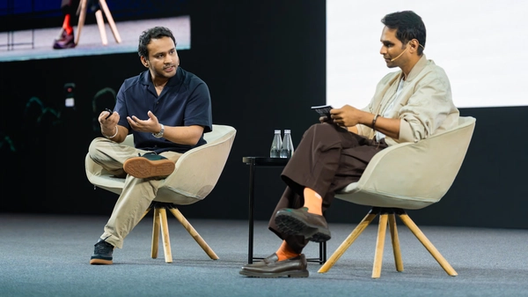
Open mode, closed mode
Building Weave gave Schiff a way to describe how creators now move between two modes. In an open mode they explore, produce first drafts, change direction and tolerate uncertainty. In a closed mode they commit to decisions, automate tasks and make the work repeatable. The argument is that creators and their tools need to switch back and forth, and that a workflow is strongest when it preserves a creator's earlier choices while leaving room to reopen them. On the Weave canvas, that maps to exploring ideas openly and then turning the best ones into reusable AI workflows.
No universal boundary
Schiff does not offer a fixed line between human and machine work. A task that reads as menial to one person can be creatively useful to another, and the boundary can shift from project to project. His guidance is narrower: examine a task before handing it off, and be most careful about automating thinking away precisely when doing so is most tempting.