
Two Years After "The End of Front-End Development"
In March 2023, shortly after OpenAI's GPT-4 showcase, the prevailing sentiment was that human software developers were on the brink of obsolescence. The prediction was that software would soon be written exclusively by machines. In a blog post published at that time, I argued instead that LLMs would augment human developers rather than replace them. Conventional Twitter wisdom suggested it would be only months before AI eliminated demand for front-end developers.
Two years later, the picture is clearer, and the "post-developer" era has not arrived.
What Corporate AI Usage Actually Looks Like
Headlines like Forbes' recent "AI Writes Over 25% Of Code At Google" paint a picture of substantial automation. Reading the title, you might imagine that a quarter of the work is being handled autonomously by machines. The reality is more nuanced, and 100% of code at Google still gets committed by human developers using AI as one tool among many. A skilled engineer remains in the driver's seat, shaping and steering the model's output, mixing it with code written by hand. There have been no large-scale reports of product teams firing a quarter of their staff and replacing them with autonomous AI.
There are startups—like Cognition's Devin, released in March 2024—that claim full replacement is possible. Yet real-world attempts tell a different story. One team testing Devin reported it completed only 3 out of 20 assigned tasks and gave up after a month. Their observations were telling:
Tasks it can do are those that are so small and well-defined that I may as well do them myself, faster, my way. Larger tasks where I might see time savings I think it will likely fail at. So no real niche where I'll want to use it.
I had initial excitement at how close it was because I felt I could tweak a few things. And then slowly got frustrated as I had to change more and more to end up at the point where I would have been better of [sic] starting from scratch and going step by step.
These assessments came not from skeptics but from an AI startup team testing the product in good faith. Every AI success story I've encountered still depends on skilled human developers as a required ingredient.
Hands-On Experience with AI Tooling
My own experimentation with AI tools has involved switching to Cursor, an AI-powered IDE, and using its agent mode with Claude Sonnet. The results can be impressive: for certain well-defined tasks, it produces a working solution on the first attempt, fixes TypeScript and lint errors, and occasionally suggests better approaches using APIs I didn't know about.
It is not, however, self-sufficient. The experience resembles driving on a highway with cruise control—the car goes where you point it only if you keep a steady hand on the wheel. Left unguided, the car drifts. Without coding knowledge, you would not notice the subtle errors in the model's output or understand how to course-correct. No-coders who have built projects with LLMs report the same pattern: they start strong but eventually hit a wall, unable to untangle increasingly messy code that collapses under its own weight.
Some tasks still don't lend themselves to LLM assistance. There have been times when I spent ten frustrating minutes trying to get Claude to understand what I wanted, then gave up and wrote the code by hand in five minutes. On balance, however, LLMs do save real time. Cases where they do 30 minutes of work in 30 seconds are exhilarating, but most of my time is still spent writing code myself and developing an intuition for which tasks benefit from AI assistance.
The State of the Developer Job Market
The job market was difficult in early 2023, and it remains difficult. High-quality listings are scarcer and attract overwhelming applicant volume. Landing an interview, let alone an offer, feels brutal. This is not because companies are replacing developers with autonomous agents; my experiences and others' do not support that theory. Instead, several factors are in play:
- Macroeconomic pressures. Interest rates remain relatively high, and the persistent sentiment that a recession is imminent makes startups more cautious about hiring.
- Layoff aftershocks. "Big Tech" has laid off hundreds of thousands of workers over the past couple of years, flooding the market with highly-qualified candidates.
- AI speculation. Some companies are holding back hiring because they still believe Artificial General Intelligence is imminent—that an AI capable of learning and reasoning like a human will soon eliminate the need for human developers. They've been saying this for years.
Looking Ahead: Data and Trajectory
Two things have remained constant since 2023. Companies still need people to build their products, and an active class of AI evangelists keeps claiming they won't. For aspiring developers in college, bootcamps, or self-study, there are still opportunities. We are a long way from fully autonomous software development. When companies finally accept that AI works better as an enhancer than a replacement, hiring should resume a more vigorous pace.
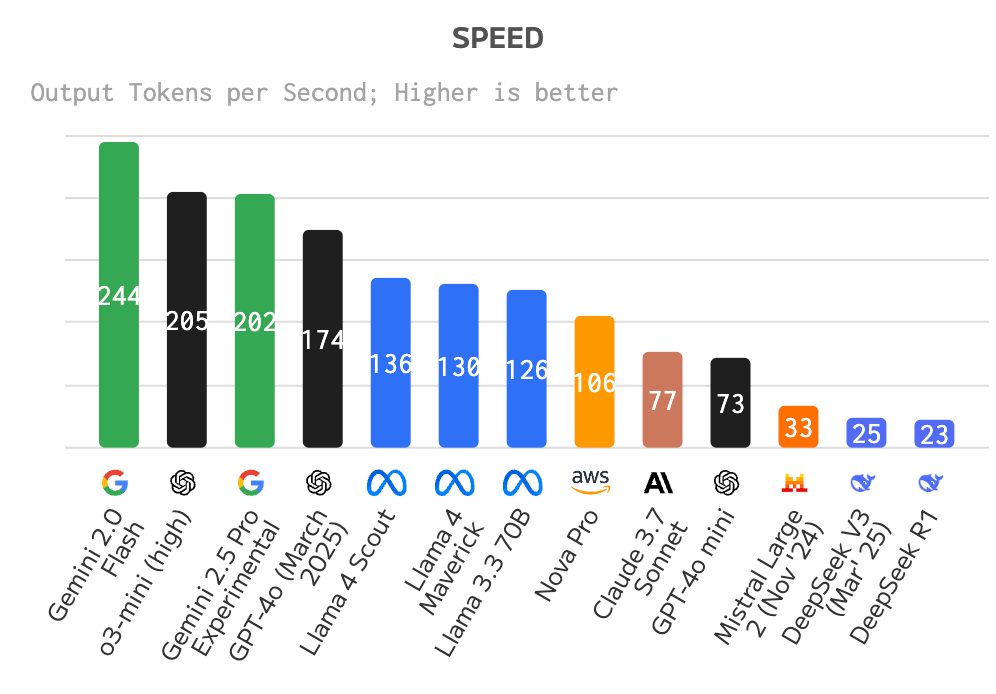
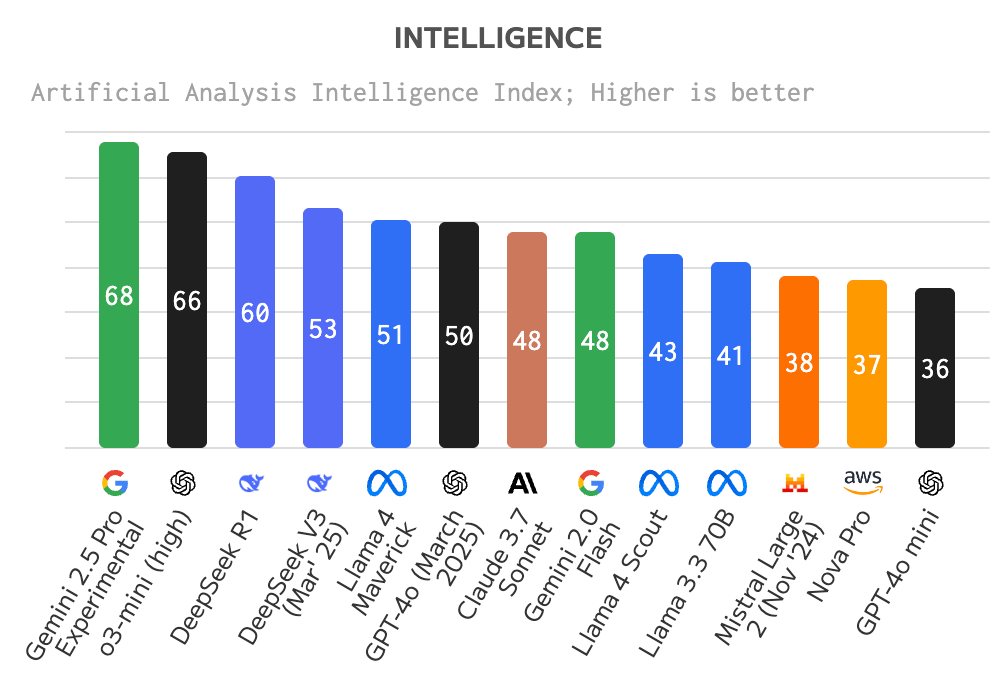
New models continue to ship—most recently Google's Gemini 2.0 Flash and 2.5 Pro—but progress appears increasingly incremental. We're past the point of game-changers; each new model refines what already works well rather than conquering all-new problems.
Despite the current market, US tech job data is trending in the right direction:
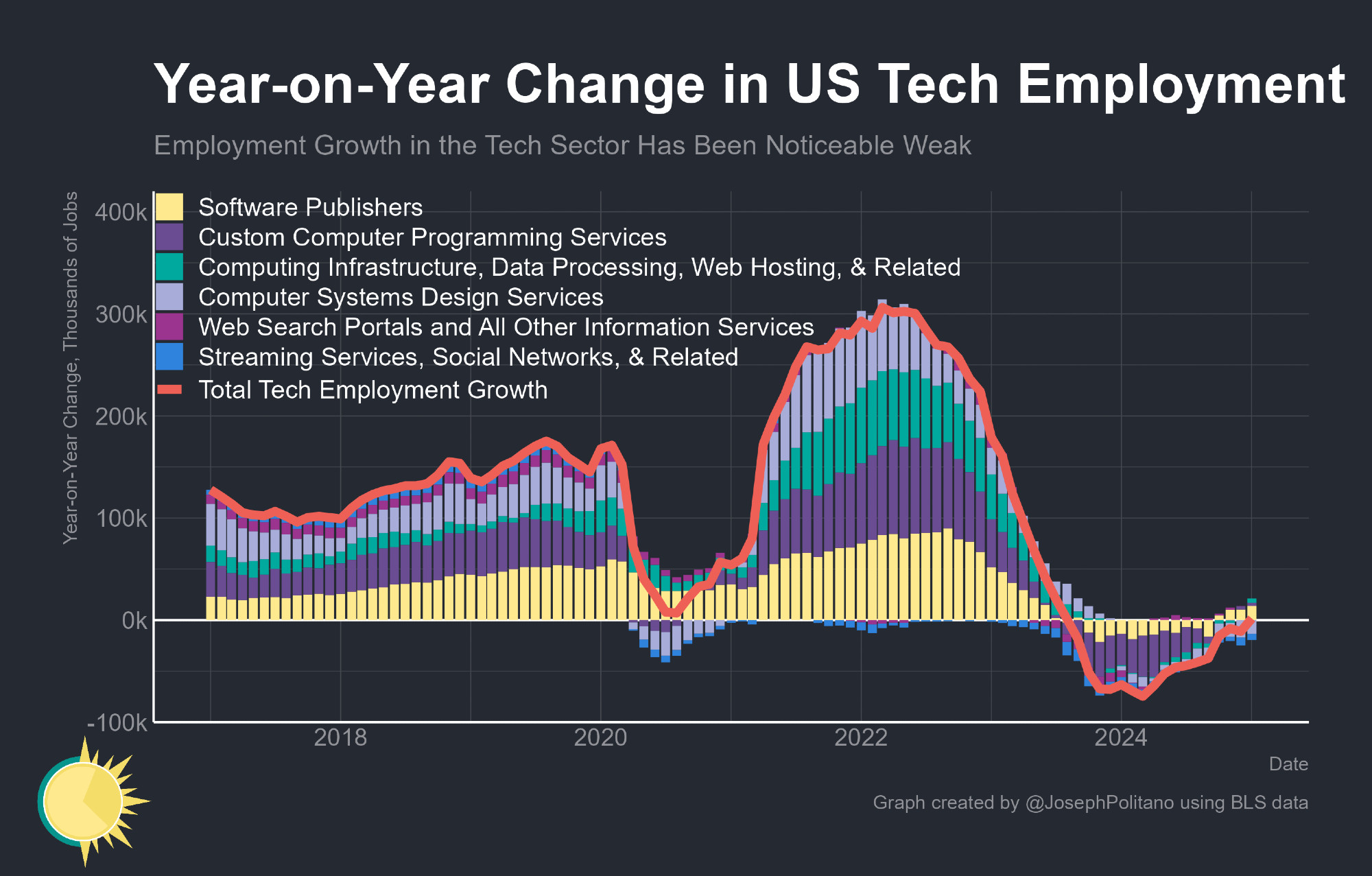
If AI were truly making developers redundant, I would expect tech employment totals falling at an accelerating rate. Instead, the count has been increasing over the past year. If that trend holds, the market should feel significantly less brutal soon.
Concerns About the Long Run
In 2023, I believed AI was not imminent replacement technology, and two years of evidence have strengthened that belief. I remain confident that knowing how to code is still an incredibly valuable skill. That does not mean there are no grounds for concern.
One arises from "vibe coding": the ease of falling into a trance and accepting generated code without engaging with it. I fell into this trap while building the landing page for a new course, leaving the steering wheel unattended for too long and having to untangle disproportionate amounts of "junk code" afterward. The easiest path is to let the machine do its thing, but doing so robs you of the practice and skills needed to debug and fix code when the machine makes mistakes.
Used proactively, however, LLMs might be the best learning aid available. When a TypeScript error is baffling, AI can spell out the error and surface the keywords needed to explore the right documentation. It's something like a personal tutor, one that occasionally has the occasional hallucination, so caution stays necessary.
Given this evidence, I would not be surprised to see a "developer renaissance" emerge in the next couple of years—once companies settle down, realize humans are still required, and understand what a skilled developer with a powerful LLM can accomplish. If you're at the outset of a development career, now isn't the moment to get discouraged by AI hype. The industry is still hiring, and I expect it to continue.


