
The AI Adoption Gap Isn’t About Convincing Users
Product teams and executives often operate on a shared assumption: that users are eagerly waiting for more AI in their daily tools. The evidence doesn’t support that. AI features consistently show low adoption and retention rates, despite the high cost of building and shipping them. The gap isn’t a messaging problem — it’s a fundamental mismatch between what AI leaders are building and what people actually need.
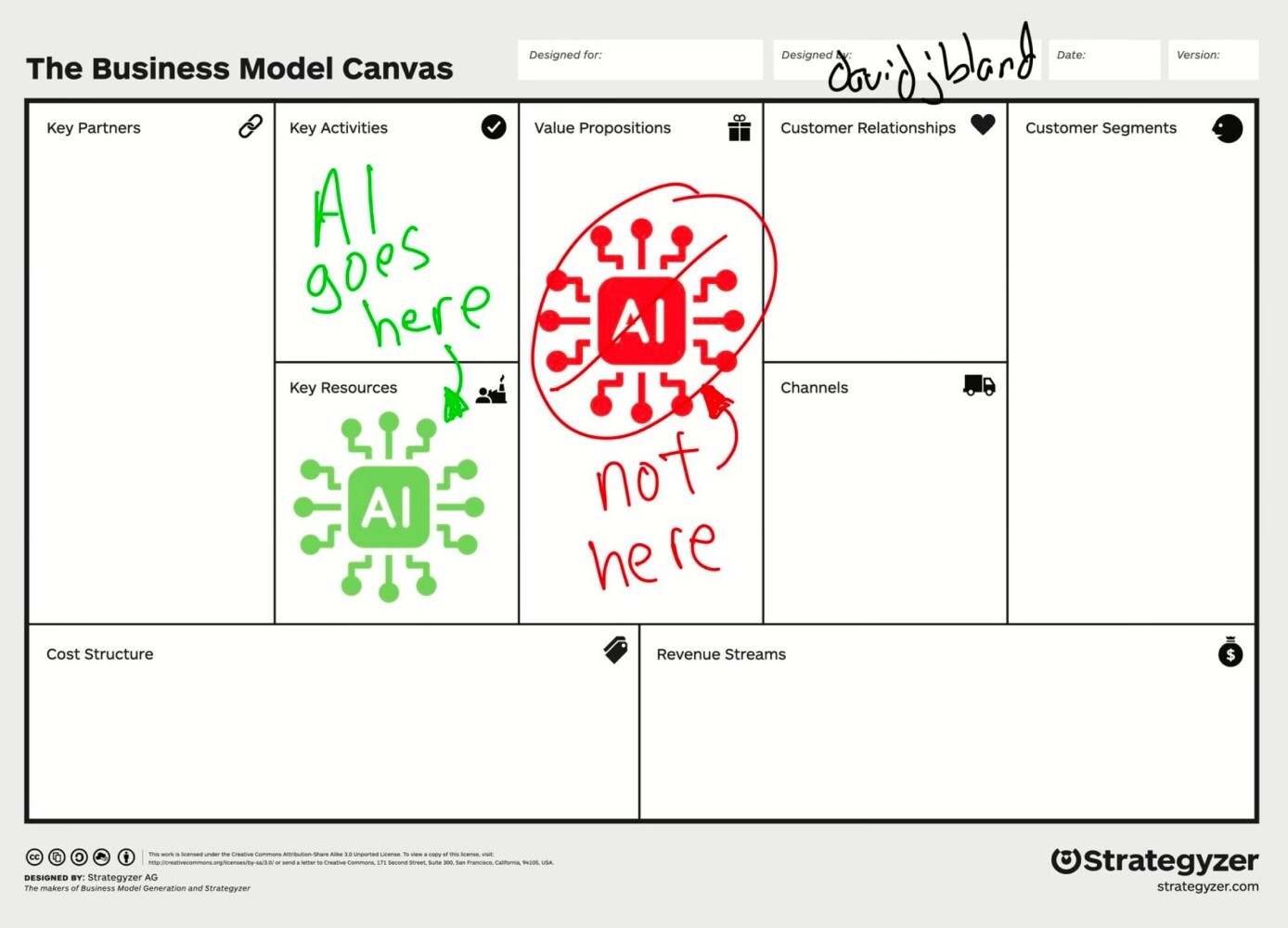
Part of the issue is that AI is treated as a value proposition in itself. But a feature being “powered by AI” doesn’t make it inherently useful. In practice, many AI features are bolted onto existing products as separate tools, forcing users to step out of their established workflows and learn yet another system. For employees already juggling fragmented, disconnected platforms throughout their day, an AI assistant becomes just one more stop on an already tedious route.
AI also tends to amplify whatever is broken in an organization. It doesn’t fix years of accumulated quick patches, technical debt, or dysfunctional processes. Instead, it surfaces those inconsistencies and conflicting priorities directly to end users, who are left to sort through the mess themselves.
The Real Cost of an AI Response
Asking an AI to generate content may feel faster than writing from scratch, but it carries hidden overhead. Users must:
- Skim through the entire AI output,
- Spot key points to focus attention on,
- Review/verify key points, one-by-one,
- Check rationale for what follows next,
- Articulate corrections + regenerate,
- Review the response (a number of times).

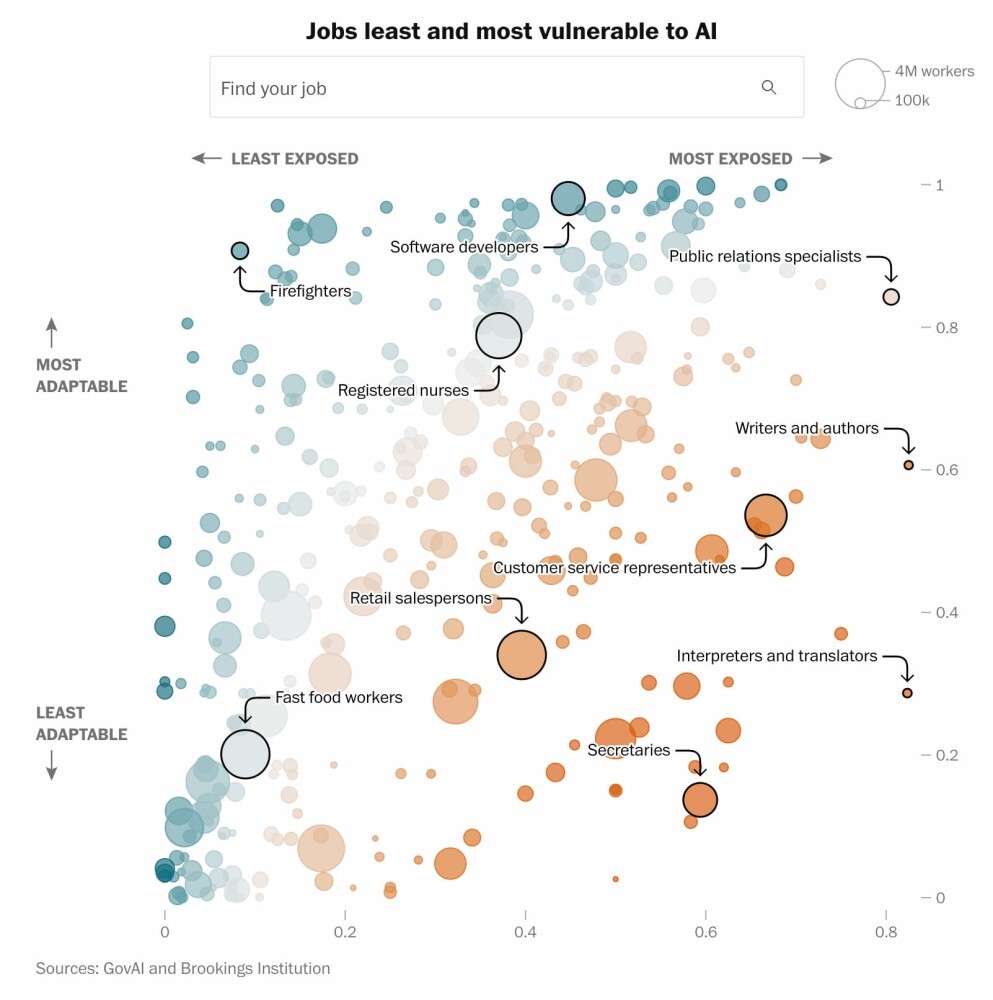
That review process is exactly why AI chatbots can actually discourage error checking — the perceived ease of generation doesn’t eliminate the need for rigorous verification. And for many users, AI isn’t something they’ve opted into. It arrives uninvited, bundled into tools they already use, often accompanied by messaging that amplifies fears about automation replacing jobs. The result is not excitement about new capabilities but resistance and anxiety about a future that feels out of their control.
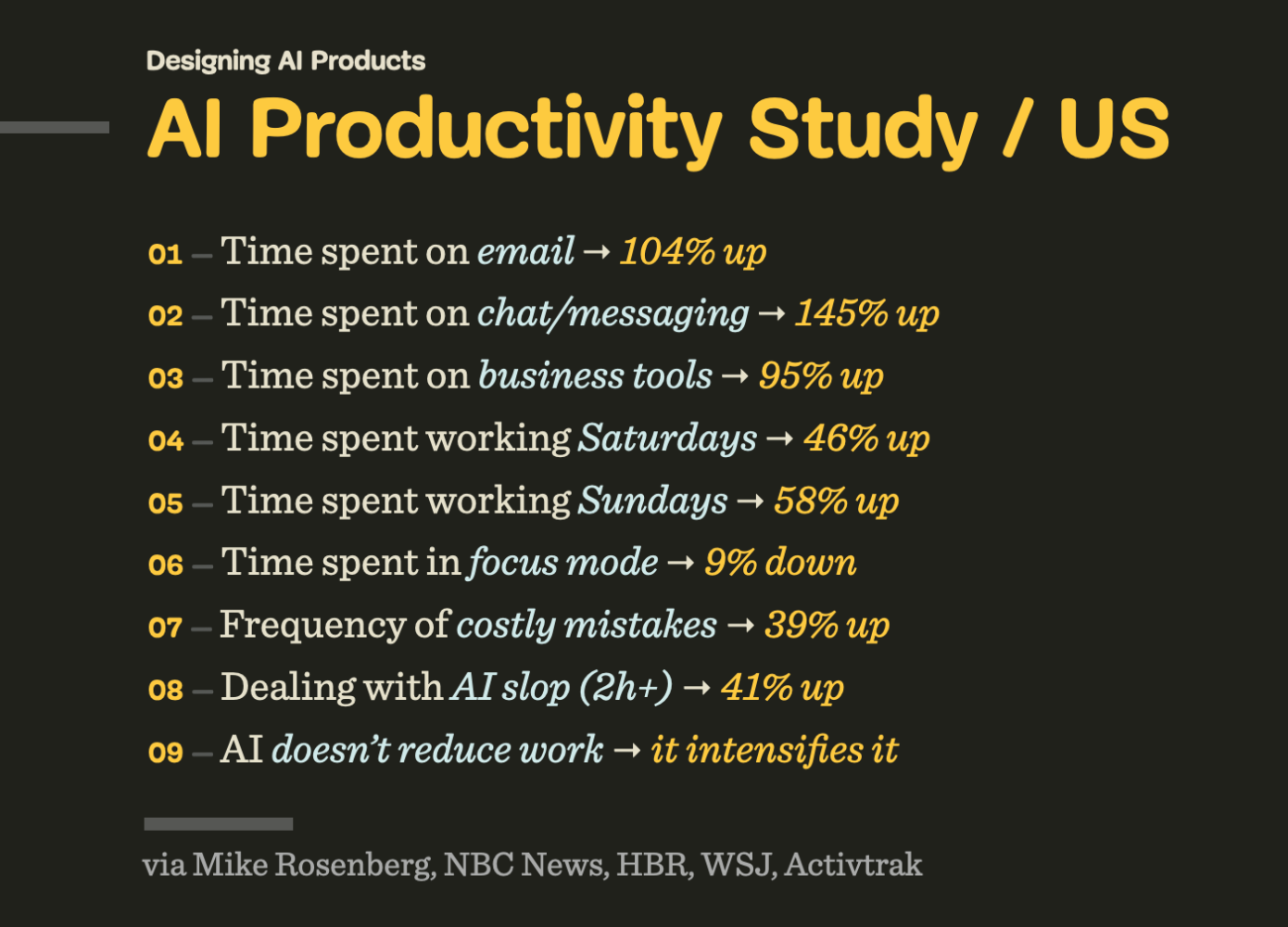
At its worst, AI is perceived as a liability rather than a feature. Unlike traditional software, it isn’t predictable or reliable, which raises doubts and calls for skepticism. People don’t ask for AI art museums, AI-generated children’s books, or a swarm of autonomous agents managing their bank accounts. They don’t want to converse with a magical box to get their work done. These are solutions searching for problems that users don’t recognize.
What Users Compare AI Against
There’s a common argument that AI should be forgiven its flaws because humans are unreliable too. But users don’t compare software to people. They compare features to features. If a similar function works flawlessly in another product, they’ll switch — AI or no AI. The decision is never about whether a product contains AI; it’s about whether it works, consistently and reliably.
Likewise, many AI roadmaps center on increasing the speed of delivery. But a significant number of users don’t want to work faster. They want to work well — with enough time to think and make sound decisions. The reward and achievement that comes from careful, deliberate work is a real value that gets lost when every task is optimized for throughput.
What people actually want hasn’t changed all that much. They want features that are fast, accessible, reliable, predictable, and useful — every single time. Crucially, they want tools that augment their existing way of working rather than replace it. The most successful AI implementations handle the mundane, annoying, repetitive tasks that users find no pleasure in, freeing them to focus on work that requires taste, point of view, and human intuition.
AI Works Best in the Background
Automation is most valuable when it eliminates tedious and mentally exhausting labor. For that to happen, AI can’t feel like an add-on. It must be deeply integrated into existing workflows and match the mental models users have developed over years of practice. AI should adapt to how people think and make decisions — not the other way around. It doesn’t matter whether the feature is labeled “AI,” “smart,” or “automation.” What matters is that it works well and that users understand where it genuinely helps them.
The most effective tools aren’t “AI-first” at all. They’re what you might call “AI-second”: subtle, calm, and ambient, operating in a supportive role in the background. That approach aligns far better with what users are expressing — not a desire for more AI in their lives, but a desire for AI that automates the boring parts so there’s more time and headspace for things they actually care about.
I don’t want to read books written by AI. I don’t want to gaze upon paintings by AI. I don’t want AI to teach my children. I don’t want to have an AI therapist. I don’t want AI making my medical decisions. I want AI to do all the physical and mental labor that taxes me so I can read books written by humans and go to art galleries to engage with art made by humans. I want AI that makes my life easier rather than forces me to change myself.
— Bo Young Lee
In the end, the preference isn’t for less technology — just for technology that understands its place. People don’t need to spend more time with AI. They need AI to handle the dull and unnecessary work, so they can spend more time with the humans they value, imperfect as they all are.