

User Research That Answers Questions On Demand
User research often ends up as static artifacts: personas printed for kickoff meetings, reports filed in shared drives, and insights that rarely reach the people making decisions at the moment those decisions happen. Product teams prioritize features, marketing teams draft campaigns, and support teams write responses without easy access to the user knowledge that should inform their choices.
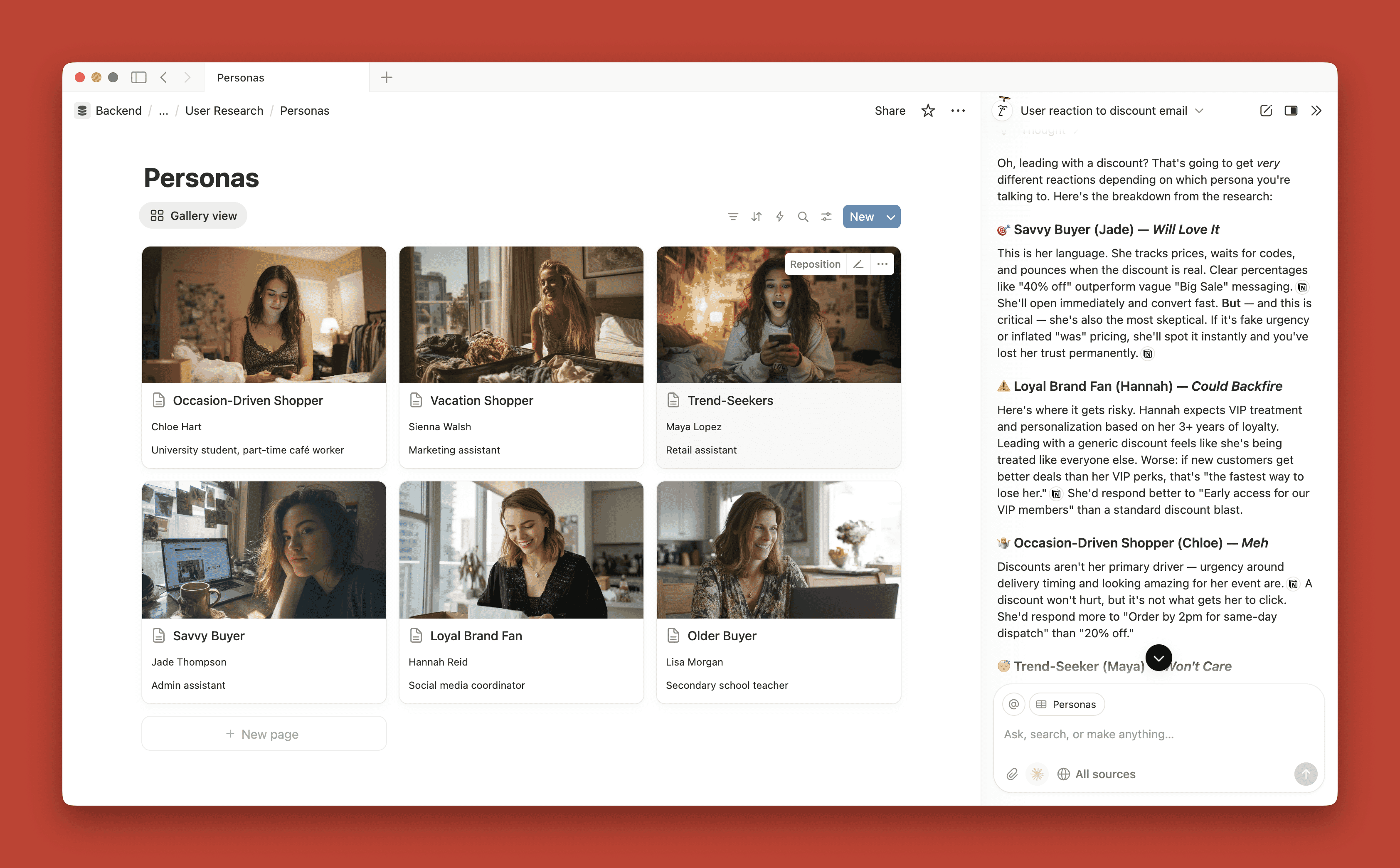
AI offers a way to change that dynamic. Instead of documents that stakeholders must locate and interpret, you can build an interactive resource that consults your entire body of user research and returns consolidated, multi-perspective feedback from a single question. A marketing manager considering a discount-led email could ask the system what users would think, and the AI would draw on all personas and research data to explain how each segment would likely react, where they agree, where they diverge, and what it recommends based on those collective views.
Building A Central Repository
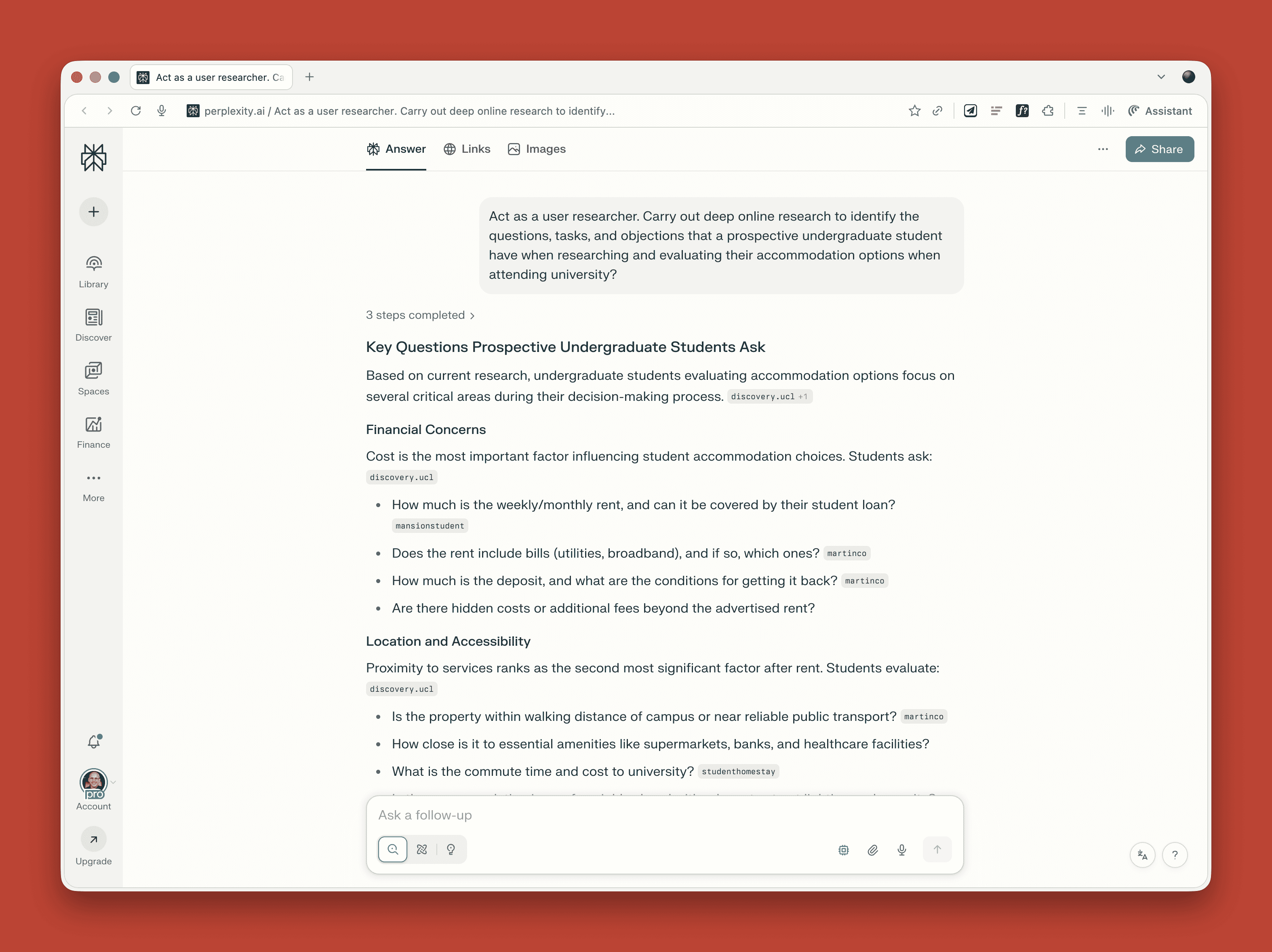
The foundation is a single source of truth containing everything you know about your users. Most organizations already have substantial data, but it is scattered across survey platforms, interview transcripts in document tools, helpdesk tickets, analytics dashboards, social media mentions, old personas, and usability test notes.
Gathering this material into one place does not require perfect organization. AI tools handle messy inputs well. If you lack existing research, AI deep research tools can establish a baseline by scanning the web for discussions about your product category, competitor reviews, and common questions people ask, giving you a starting point while you conduct primary research.
Personas As Lenses, Not Posters
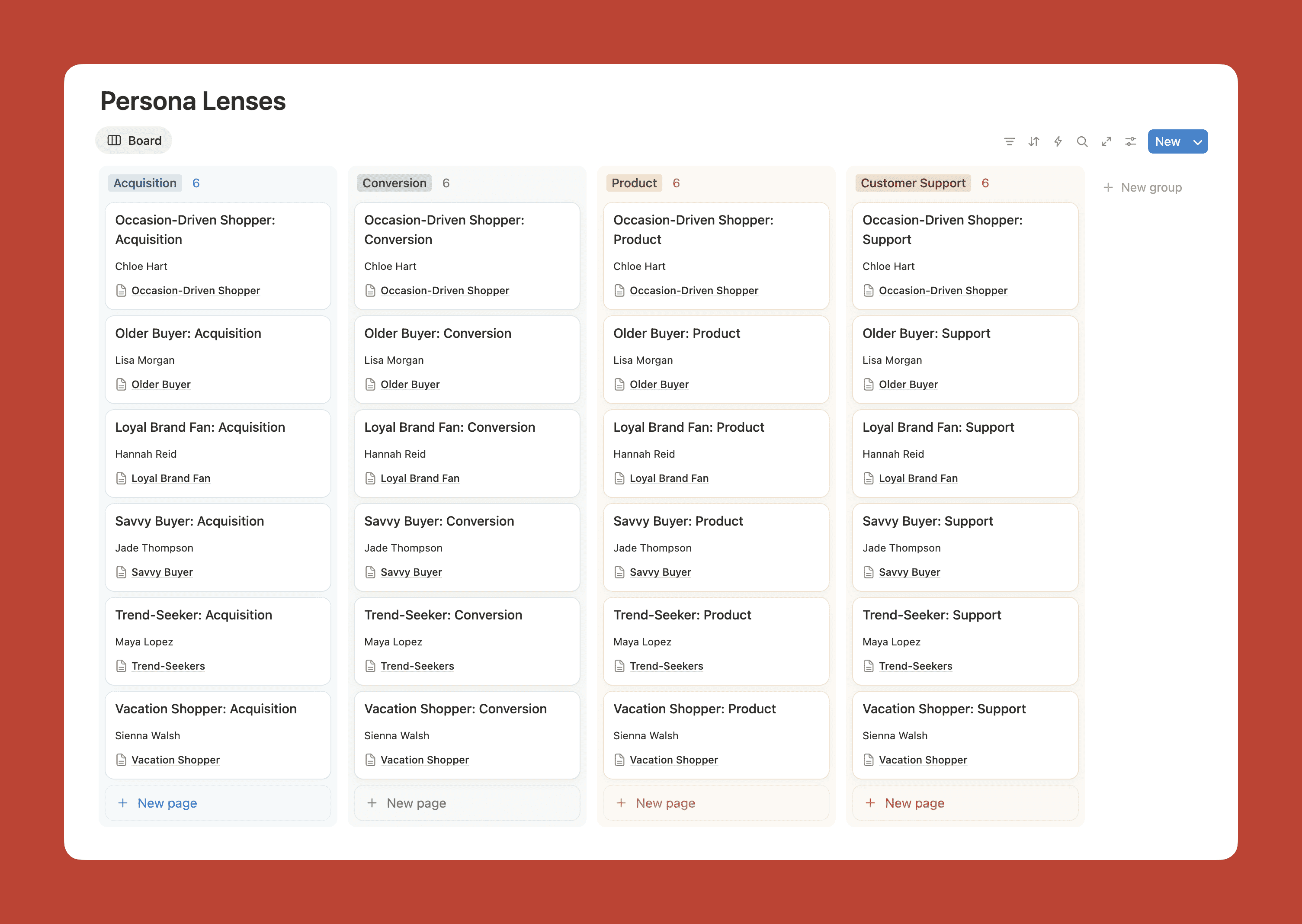
Once the repository exists, you create personas that the AI consults on behalf of stakeholders. Traditional personas are constrained by human readability: everything must compress into bullet points and key quotes someone absorbs at a glance. AI removes that constraint. Personas can include lengthy behavioral observations, contradictory data points, and nuanced context that would never survive editing for a poster.
To generate these personas, feed the research repository to an AI tool and ask it to identify distinct user segments based on goals, tasks, and friction points, a process that extends the functional persona approach. Each persona can also carry multiple lenses tailored to business functions: a marketing lens with messaging preferences and channel habits, a product lens with feature priorities and usability patterns, and a support lens with common questions and frustration points. The AI draws on the relevant lens depending on who is asking.
Implementation Options
You can start with a simple setup using the project or workspace features common in major AI platforms. Create a dedicated project, upload your key research documents and personas, and write clear instructions that tell the AI to consult all personas when responding. A useful instruction template directs the AI to:
You are helping stakeholders understand our users. When asked questions, consult all of the user personas in this project and provide: (1) a brief summary of how each persona would likely respond, (2) an overview highlighting where they agree and where they differ, and (3) recommendations based on their collective perspectives. Draw on all the research documents to inform your analysis. If the research does not fully cover a topic, search social platforms like Reddit, Twitter, and relevant forums to see how people matching these personas discuss similar issues. If you are still unsure about something, say so honestly and suggest what additional research might help.
This approach has file upload limits, so you may need to prioritize your most important research or consolidate personas into one comprehensive document.
For larger organizations, a tool like Notion can hold the entire research repository with AI capabilities built in. You create databases for different research types, link them, and let the AI query across everything, giving it access to surveys, support tickets, interview transcripts, and analytics data simultaneously for richer responses.

What Virtual Personas Do Not Replace
Virtual personas are not a substitute for talking to real users. They make existing research more accessible and actionable. Primary research remains necessary when launching something genuinely new that existing research does not cover, validating specific designs or prototypes, refreshing stale repository data, or building stakeholder empathy through direct human contact.
You can configure the AI to recognize these gaps. When a question exceeds what the research can answer, it responds honestly that it lacks enough information and suggests a quick user interview or survey. When you run new research, the findings feed back into the repository, keeping personas current rather than letting them drift out of date as traditional personas do.
The Shift From Gatekeeper To Curator
If this approach gains traction, the UX team's role changes from gatekeeping user knowledge to curating and maintaining the repository. Instead of producing reports that may go unread, you ensure the repository stays current and the AI gives helpful responses. Research communication shifts from push—presentations, reports, emails—to pull, where stakeholders ask questions when they need answers. User-centered thinking spreads across the organization rather than concentrating in one team, making UX researchers more valuable because their work reaches farther and has greater impact, even as the nature of the work changes.
To start, pick one project or team and set up a simple implementation in an AI workspace. Gather whatever research you have, create one or two personas, and observe how stakeholders respond. Their questions reveal research gaps and indicate what additional data would help most. From there, expand to more teams and sophisticated tooling, keeping the core principle intact: take scattered user knowledge and give it a voice anyone in the organization can consult.


