AI’s Next Hurdle Is Design, Not Technology
Generative AI is frequently hailed as a revolution on par with the internet or electricity. Yet, a new survey from Figma suggests that the teams building these products are not seeing breakthrough results. The disconnect, many argue, isn't a failure of the underlying models but rather a challenge of design: translating raw capability into intuitive, useful experiences that people actually want.
Figma’s research, which surveyed over 1,800 users (designers, executives, and developers) across seven countries in early 2024, points to a familiar pattern. Much like the smartphone or the personal computer, a powerful new technology only becomes truly transformative once it is made accessible through thoughtful design.

Ambition Outpaces Reality
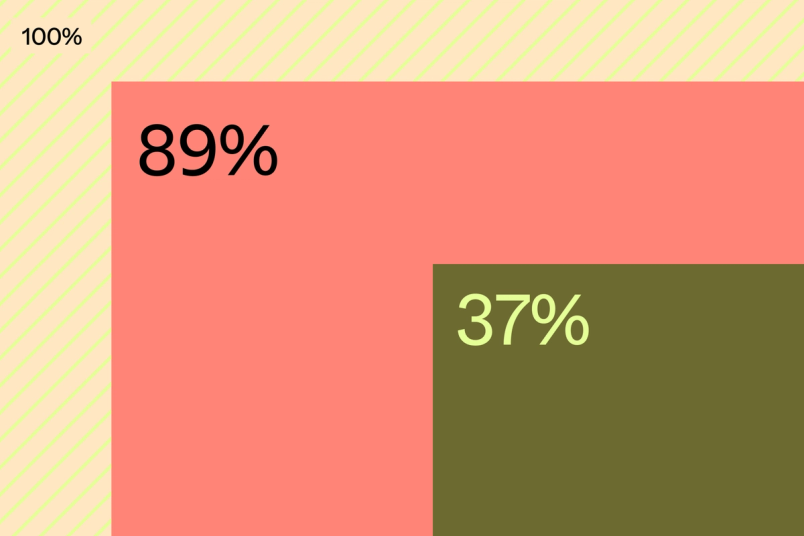
Expectations for AI’s immediate impact are undeniably high. In the survey, a significant majority of respondents—89%—believe AI will affect their company’s products within the next year, with 37% anticipating a “significant or transformative” effect. Executives, in particular, are more likely to view AI as critical to their company’s strategic goals.
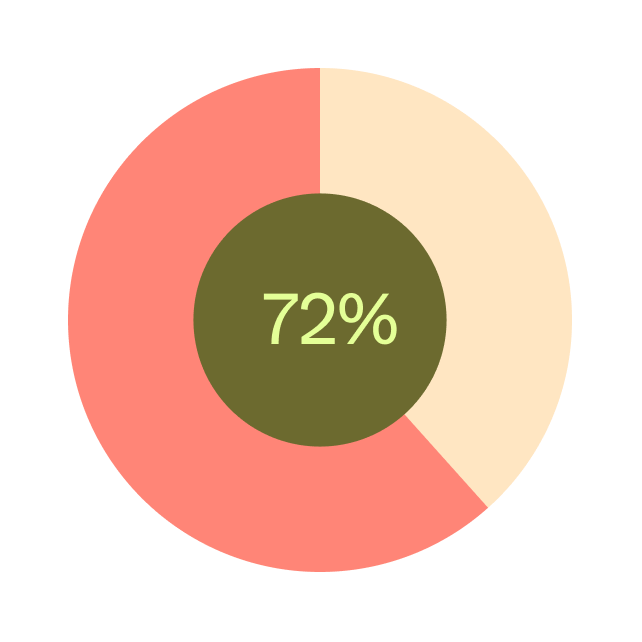
However, these lofty ambitions run headlong into the current state of development. The survey indicates that AI is largely stuck in the experimental phase. Among those who have integrated AI into their products, 72% say it serves only a minor or non-essential role. This gap between expectation and execution means that most teams are hesitant to declare victory: just one-third of respondents report seeing improvements to key metrics like revenue or costs, and fewer than one-third say they are proud of what they have actually shipped.
This disconnect is fostering what Figma researchers call “AI feature fatigue.” After months of user interviews, they found an emerging indifference to novelty features that lack a clear purpose. More than 20% of those building AI products cite “not solving a user need” as a top challenge—a pain point felt most acutely by designers. With fewer than 50% of teams having shipped an AI feature at all, the question looms: is the market about to be flooded with products that solve problems no one has?
Design Can Bridge the “So What?” Gap
The survey suggests that simply bolting an AI chatbot onto an existing product is not enough. A third of respondents listed “incorporating AI features coherently into existing products” as one of their top challenges. There is a clear distinction between adding AI and using it to genuinely improve the product experience.
History shows that design can be the catalyst for mass adoption. As OpenAI researcher Jan Leike noted in MIT Technology Review, the technology behind ChatGPT had been publicly available for nearly a year before the tool’s launch, but it lacked a user-friendly interface. “We made it more aligned with what humans want to do with it,” Leike said. “It talks to you in dialogue, it’s easily accessible in a chat interface.” The simple design choice to use a conversational UI was enough to trigger a global phenomenon. If such a basic interface shift could have that impact, the potential for other well-designed AI experiences is vast.
There’s a need to meet users where they are, helping them understand the tools available to them...or use cases where they can benefit [from AI].“There’s a need to meet users where they are, helping them understand the tools available to them...or use cases where they can benefit [from AI].”
However, creating those experiences is complex. Teams must navigate interaction design that spans text, image, and animation, all while grappling with challenging questions: How can the system communicate its own uncertainty? How does the user feel about receiving a suggestion? Why is one recommendation better than another?
These design challenges are compounded by more fundamental technological hurdles. The number one challenge cited by respondents was assessing the quality of AI’s output, followed closely by security and data privacy concerns. The sentiment is best captured by one respondent’s comment: “It’s hard to stay on top of the wave when you’re surfing a tsunami.”
Signs of a Long-Term Shift
Despite the present challenges, there are indications that AI design is becoming a strategic priority. The survey notes that organizations not traditionally known as tech companies, such as the Wall Street Journal and the New York Times—as well as Walmart—have begun hiring for roles like “Senior UX Designer specializing in AI.” This suggests that investing in design is seen as a critical path to differentiating AI offerings.
The current state of AI may mirror the early days of mobile apps: full of hype and inconsistent quality, yet undeniably on a path to long-term transformation. As futurist Roy Amara observed, people tend to overestimate a technology’s short-term impact and underestimate its long-term influence. For product builders, solving real user needs through thoughtful design may not just be a strategy for success—it is likely the only sustainable way forward.
People tend to overestimate the short-term impact of new technologies while underestimating their long-term effects.“People tend to overestimate the short-term impact of new technologies while underestimating their long-term effects.”
Stay tuned for part two of this series from Figma exploring their AI + Design survey findings.


