Study scope and methodology
Figma commissioned IDC to examine how development leaders view design's role in shipping software. The research combined a quantitative survey of more than 500 development leaders managing teams of 20 to 500+ people with qualitative interviews of 14 senior software developers, all drawn from North America and Europe. The results appear in an IDC InfoBrief sponsored by Figma, Design-Driven Development: Elevating Software Innovation Through Visual and User Experience Excellence (#US53550125, June 2025).
Design as a business driver
Seventy-five percent of respondents described design as "very" or "extremely important" to software development. The most frequently cited benefits of prioritizing design were improved customer retention, higher customer engagement, and increased product innovation. The correlation with outcomes was pronounced: leaders who rated design as extremely important were five times more likely to report that their last project far exceeded expectations.

The findings position design as more than an aesthetic layer. A Chief Data Officer in financial services described it as "a strategic differentiator, impacting customer satisfaction, employee productivity, accessibility, and data-driven decisions."
Collaboration from the start
As output rises—52% of leaders say their organizations increased the amount of software created over the past two years, and one principal AI engineer in retail reported 62% output growth—development teams are bringing designers in earlier rather than treating handoff as the only touchpoint. Teams now align on scope at the outset, make trade-offs jointly, and iterate in real time. Respondents credited this with reduced friction, faster development, and better morale.
The reported gains from closer design collaboration: 54% of leaders saw increased innovation, 47% improved customer experience, and 43% faster time to market. "Seamless design-engineering collaboration ensures user-friendly, scalable solutions, reducing rework and improving adoption," said a Vice President of IT in healthcare.
Seamless design–engineering collaboration ensures user-friendly, scalable solutions, reducing rework and improving adoption.“Seamless design–engineering collaboration ensures user-friendly, scalable solutions, reducing rework and improving adoption.”
Asked to submit images capturing what strong design collaboration feels like, leaders chose synchronized swimmers, scaffolding, gold stars, and clinical instruments, describing the experience as "synchronization and harmony" or "building a solid structure from the ground up with strong collaboration and careful planning."

AI raises the stakes for design expertise
Generative AI has made it easier to go from zero to one, but turning raw output into a usable interface still demands design skill—and according to respondents, more hands-on designer involvement rather than less. Leaders said AI-generated designs require ongoing evaluation, refinement, and cross-team review. Quality control, user experience, and brand alignment were the areas where design expertise and intuition mattered most. "Human designers are crucial to refine AI outputs into user-centered, effective solutions," said one Chief Data Officer in financial services. The pattern across responses: AI works best as a starting point, not the final step.
Design and AI-powered products

Human designers are crucial to refine AI outputs into user-centered, effective solutions.“Human designers are crucial to refine AI outputs into user-centered, effective solutions.”
As teams spend more time building AI-powered products, leaders increasingly see well-crafted interfaces as a driver of adoption and satisfaction—and as a way to build user trust and credibility as products reach the market faster. "Good design ensures adoption, reduces training time, and improves overall satisfaction," said a Vice President of IT in healthcare. Respondents also linked design to reduced friction, greater efficiency, and higher adoption rates.
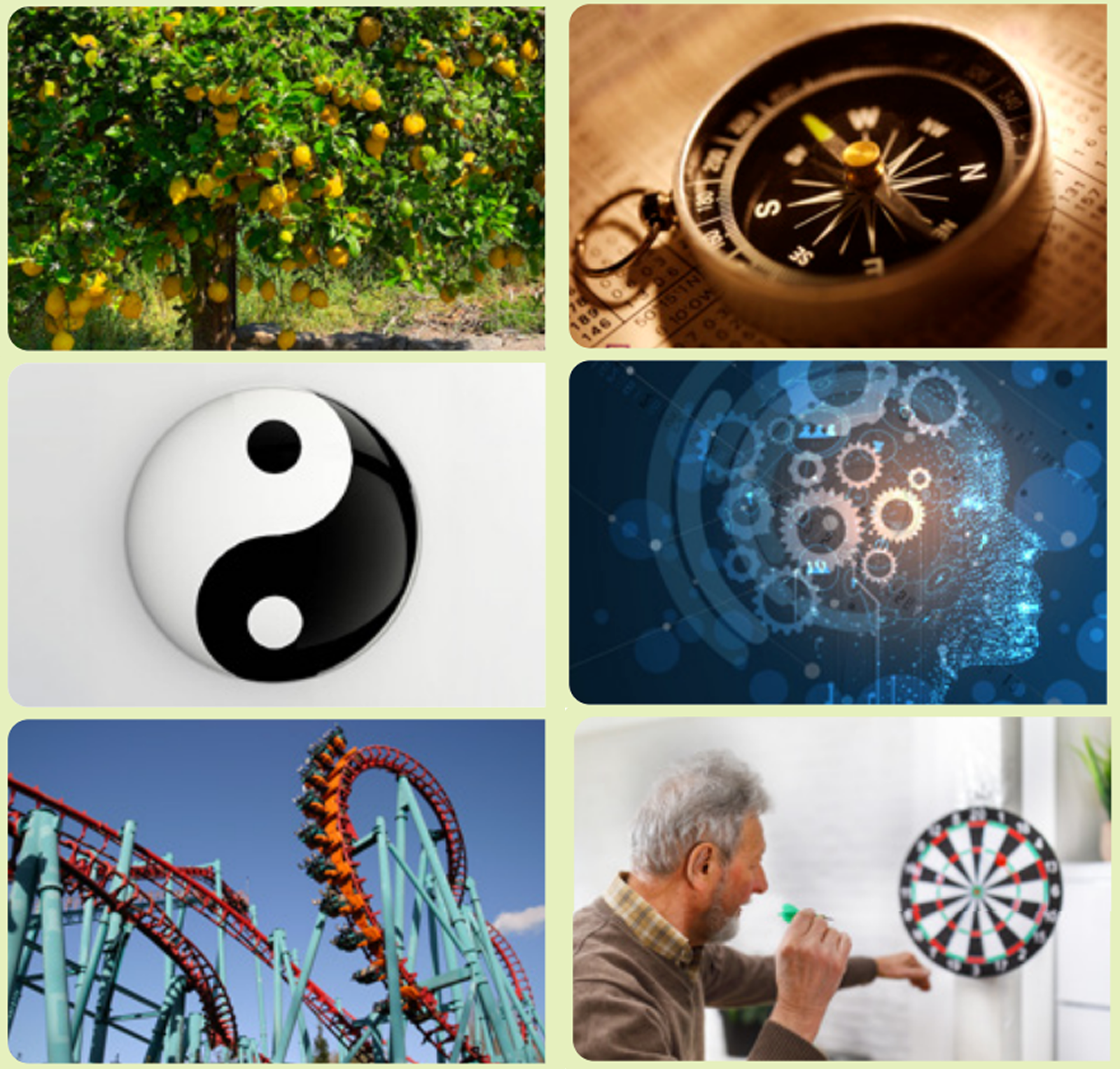
Images submitted to represent the experience of building AI products included a lemon tree, a compass, and a rollercoaster—described variously as "a mix of creativity and deep technical problem-solving" and "more engineering and design effort but with a better outcome for users."
What the study recommends
IDC's conclusions for teams aiming to stay competitive: treat design as a strategic business priority, foster cross-functional collaboration between design and development, invest in scalable design practices, and keep human oversight in place to refine AI outputs.