

GitHub Enterprise Server 3.8 delivers broader automation controls and security features
GitHub Enterprise Server 3.8 is now generally available, bringing a set of updates focused on policy-driven automation, security tooling, and appliance management. Highlights include the new GitHub Projects as a public beta, multi-user support in the Management Console, organization-wide required workflows for GitHub Actions, and native Kotlin support in CodeQL.
Download GitHub Enterprise Server 3.8 or use the Upgrade Assistant to find the correct path from your current version.

Planning and tracking alongside code
The redesigned GitHub Projects tool is now available on Enterprise Server as a public beta. The tool connects planning directly to the repositories where teams do their work, offering a spreadsheet-like table view that can be filtered, sorted, and grouped by issues and pull requests.

Because the project structure is adaptable rather than tied to a specific methodology, it can serve developers, planners, and designers across multiple teams. Built-in workflows, data insights, and table views aim to reduce time spent on manual status updates and external spreadsheets. Documentation on getting started with Projects for Enterprise Server 3.8 is available in the GitHub Docs.
Standardizing CI/CD with required workflows
GitHub Actions in Enterprise Server 3.8 adds new policy and configuration controls for organizations managing large numbers of repositories.
Required workflows (beta)
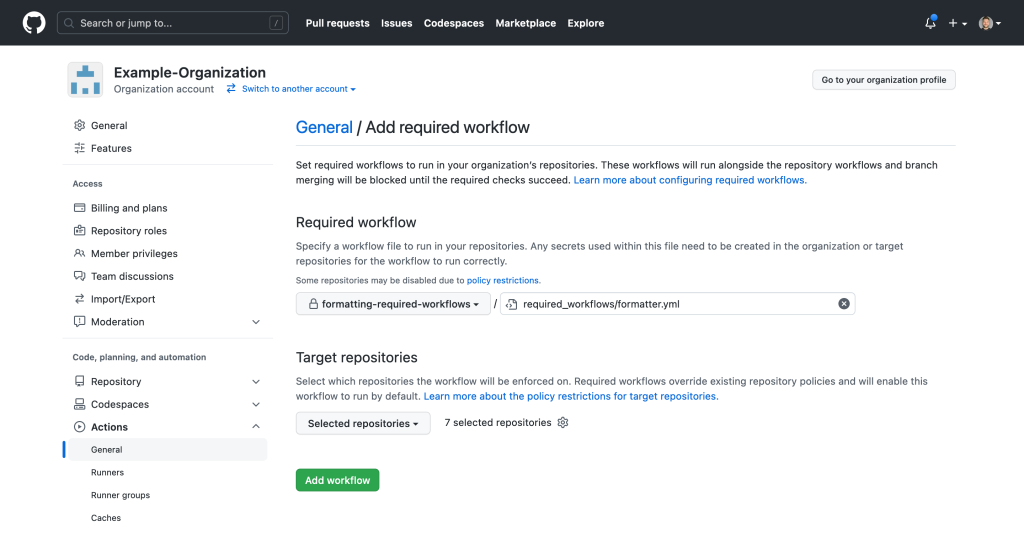
Organization owners can now define required workflows that must run in every repository's pipeline. Individual development teams can see which required workflows apply to their repository, what actions those workflows perform, and who to contact with questions — without needing to configure each repository individually. This removes the administrative burden of enforcing standard CI/CD practices across many repositories in large organizations.
Configuration variables
Configuration variables allow teams to store non-sensitive configuration data, such as server names, as plain text variables that can be shared and reused across workflows, reducing duplication in workflow files.
Security and access improvements for Actions
Instance administrators can now authenticate to object storage accounts in AWS, Azure, and GCP using OIDC when enabling GitHub Actions, avoiding the need to store sensitive cloud access keys. Other additions for developers include sharing workflows from private and internal repositories across the enterprise, dynamically naming workflow runs to distinguish reusable workflows in different environments, and restricting workflows to run only on defined runner groups.
Management Console gains multi-user authentication
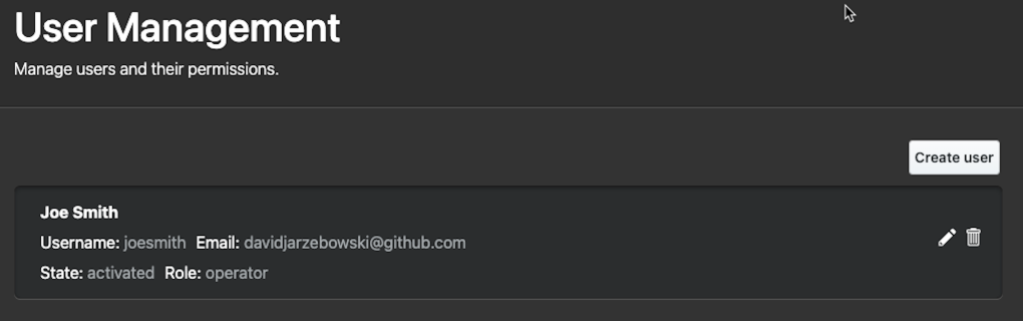
Previously, access to the Management Console relied on a single root password. GitHub Enterprise Server 3.8 adds support for multiple user accounts, letting instance administrators create and invite users with different levels of access and individual passwords. A full log of actions captures who did what on the instance for accountability.
Expanded security coverage for mobile and dependencies
GitHub Enterprise Server 3.8 introduces Kotlin support (beta) in CodeQL, the analysis engine behind code scanning. Kotlin support extends the existing Java analysis and marks GitHub's first investment in mobile application security testing with CodeQL; it applies to both mobile and server-side Java and Kotlin projects.
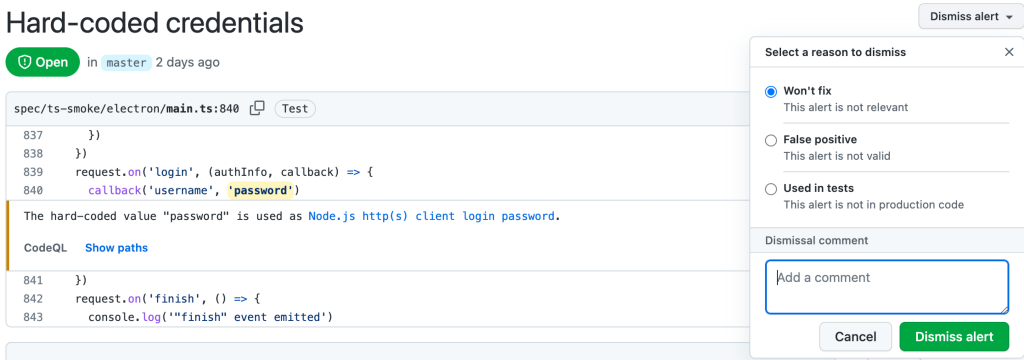
For Dependabot users, a new REST API enables scaling dependency update policies. Developers can also now leave comments when closing any type of security alert — Dependabot alerts, secret scanning alerts, and code scanning alerts — so security teams can see the reason for each closure. Enterprise administrators additionally gain control over whether repository administrators can enable or disable GitHub Advanced Security features, easing rollout across large companies.
Repository policy refinements
This release adds new branch protection rules for administrators, including the ability to block pull request approval by the person who last pushed to the repository. A new policy also gives administrators control over repository forking within their environment.
Full release notes for GitHub Enterprise Server 3.8 are available in GitHub Docs, alongside the download for the new version.



