
Two decades in, Git’s core is still moving
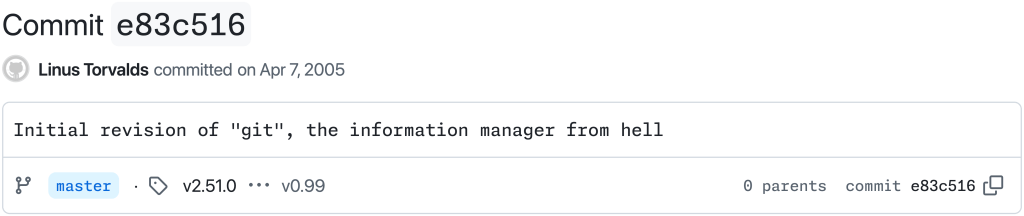
Git’s first commit landed 20 years ago. Since then, it has become the default version control system for everything from small personal projects to the largest monorepos in existence. But the project’s development didn’t stop at git init — contributors continue to push on performance, usability, and interoperability, even as new tools and workloads stretch Git into areas its original authors never imagined.
That momentum is the focus of Git Merge 2025, which is less a retrospective than a look at the road ahead. The conference agenda highlights ongoing engineering work across several fronts:
- Faster merges, new backends, and experiments in correctness
- SHA-256 interoperability for a more secure future
- UX improvements informed by two decades of real-world Git use
- New approaches to teaching Git through visualization and simulation
- Unexpected use cases, including local-first apps, genomic research, and WASM-based Git servers
AI agents and Git hygiene
As AI coding agents generate more code, a new set of questions arises around how those agents should interact with Git. Scott Chacon, co-founder of GitHub and GitButler, will address practical strategies for teaching AI agents good Git habits — writing meaningful commit messages, and amending, squashing, and rebasing with proper context.
His talk also covers forge management challenges, demonstrations of several Git-related MCP servers, and tooling he has built to smooth human-agent collaboration inside Git. He’ll close with ideas on how Git and MCP themselves might evolve to better support these emerging workflows.
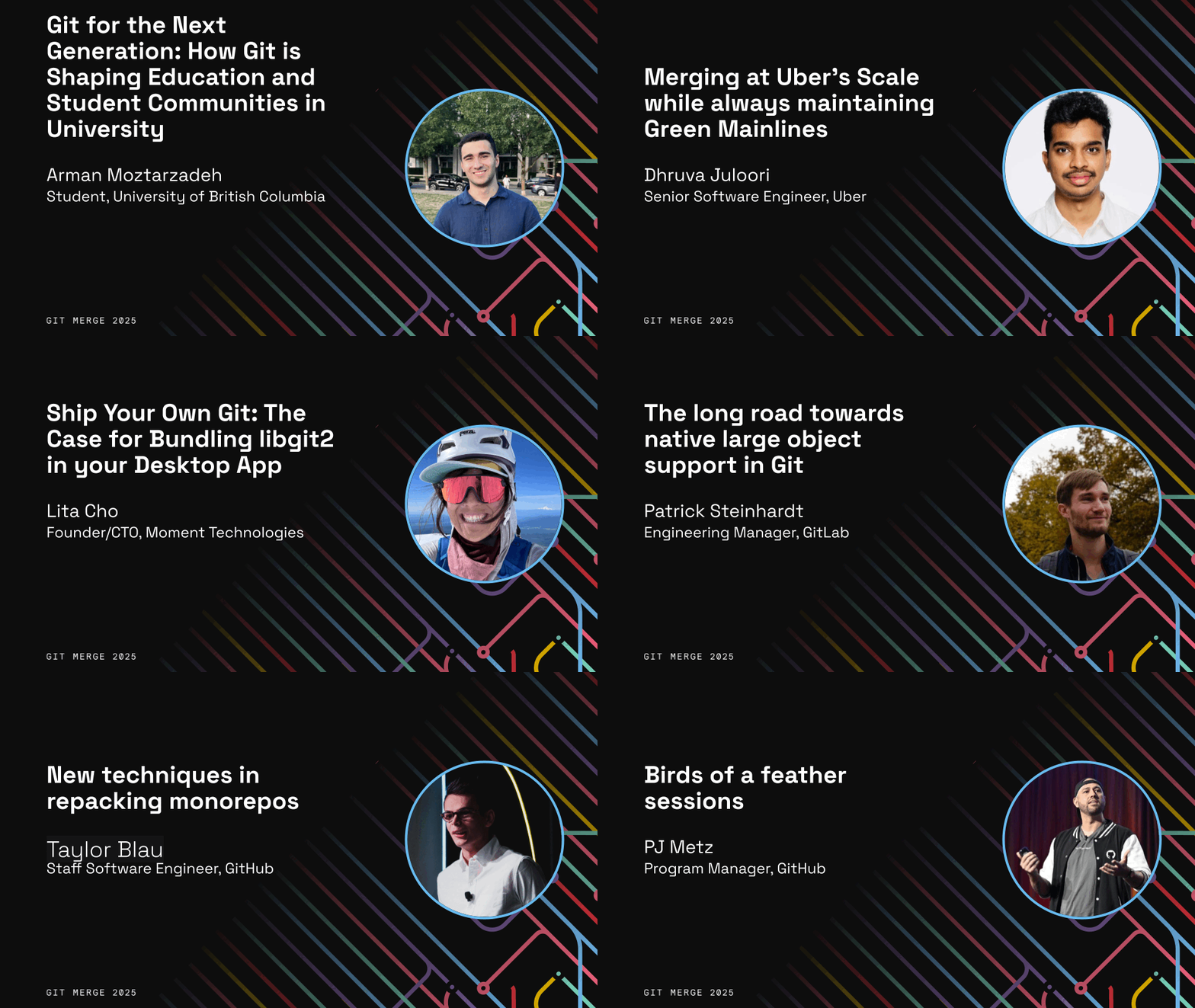
Git Merge 2025 is supported by partners Google and GitButler. Attendees can join in person or online.