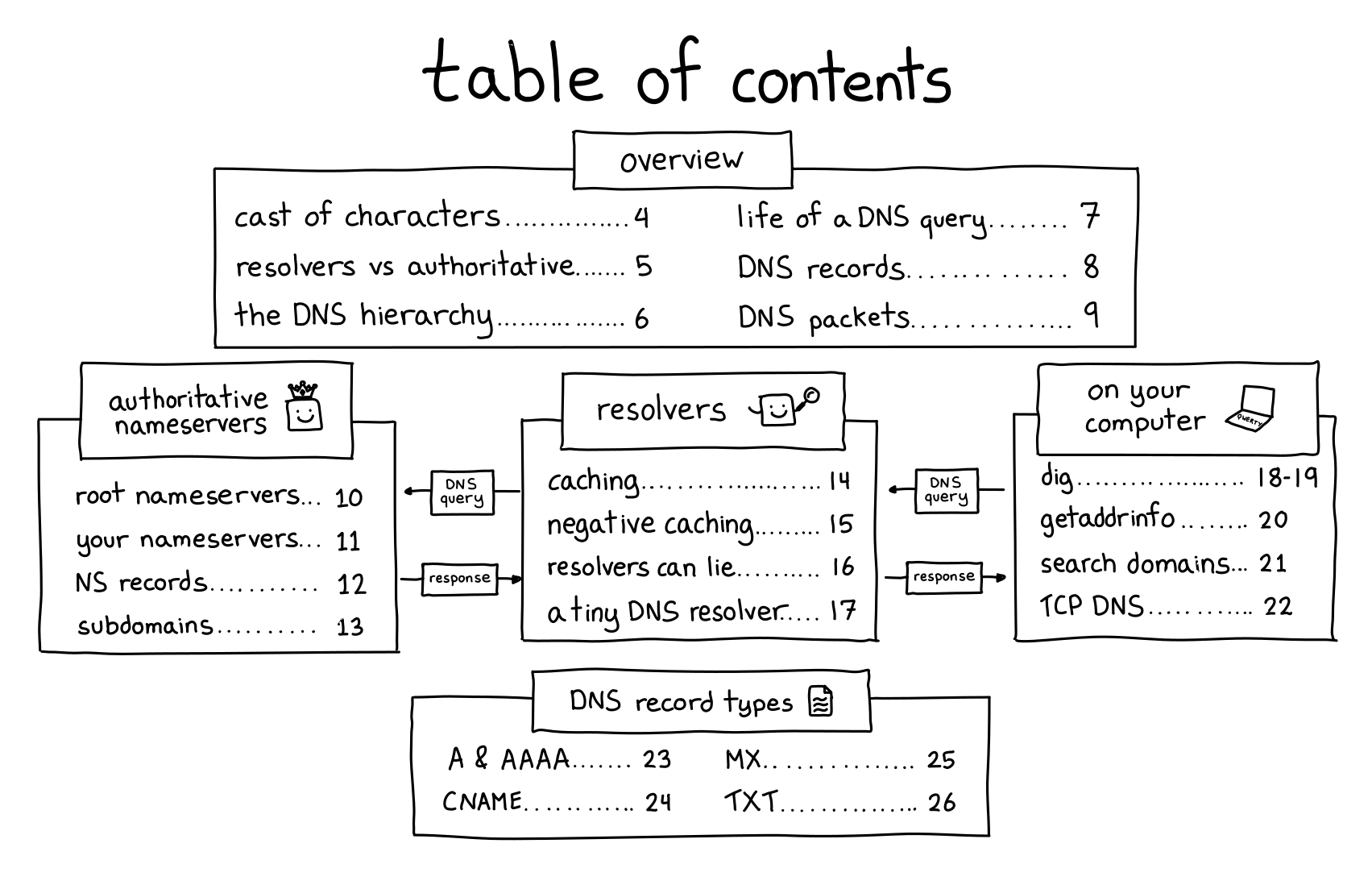
DNS Gets the Zine Treatment
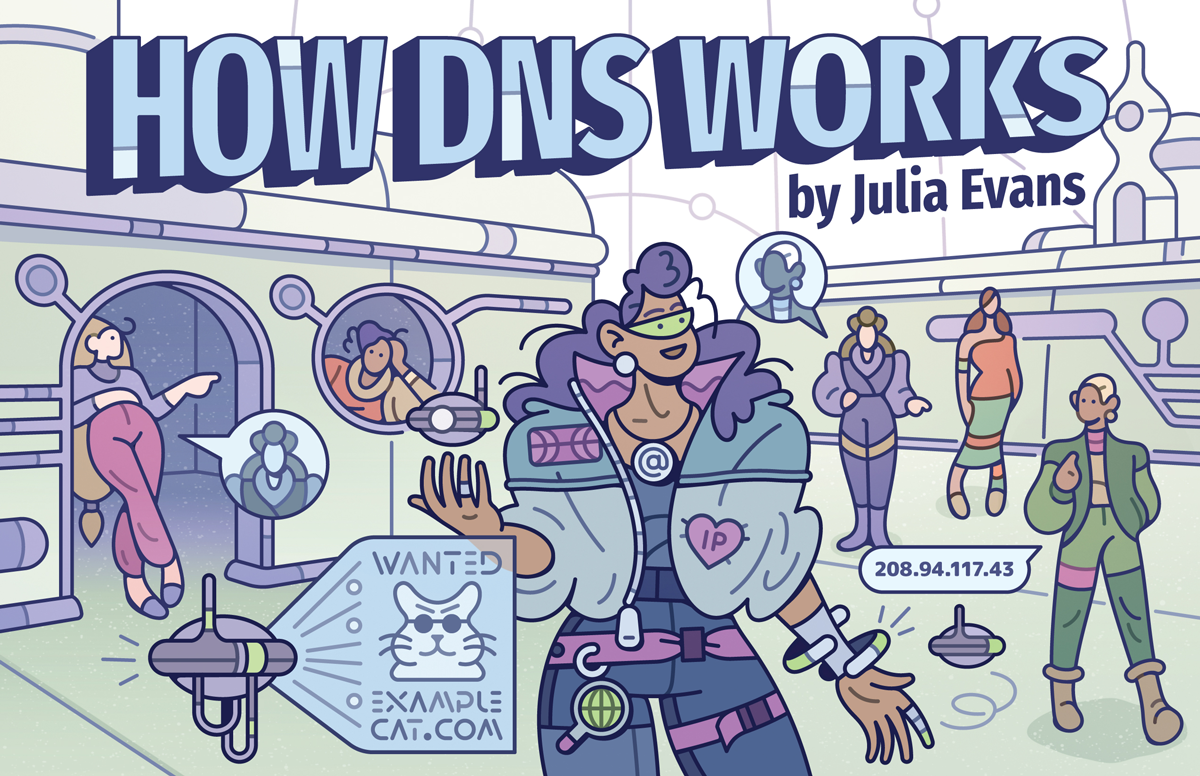
Julia Evans has released a new zine focused entirely on DNS. The 12-dollar digital zine is available for purchase at wizardzines.com, and it's also part of the site's 11-zine bundle. For the first time, a print version can be shipped to buyers, though international shipping costs are steep unless the order totals $60 or more, which qualifies for free international shipping.
Why DNS Demands a Deep Dive
DNS was the subject of choice for three reasons. First, it's everywhere: no one memorizes IP addresses, so every internet connection depends on a DNS lookup. Second, its decentralized design is genuinely elegant: for roughly $12 a year, anyone controls their own slice of the internet, and the system has scaled well over four decades without fundamental changes. Third, it's frustrating. DNS problems can feel magical and incomprehensible until the underlying mechanics are clear, at which point they become entirely solvable. Evans felt no existing explanation covered all the technical details she wanted, so she wrote her own.
Tools for Hands-On Learning
Learning by breaking things is the philosophy behind Mess With DNS, a playground built with Marie Claire LeBlanc Flanagan where users can run destructive DNS experiments risk-free. The site includes example experiments and encourages users to invent their own.
A companion tool, dns-lookup.jvns.ca, offers a command-line-free way to issue DNS queries. Evans notes she uses it frequently despite her comfort with the terminal.
Skipping Security, For Now
One major topic is absent from the zine: DNS security. DNS over HTTPS, DNS over TLS, and DNSSEC were left out because the security landscape is still evolving, and the author wasn't confident any explanation would remain accurate in five to ten years. A future blog post on the subject is a possibility.
Feedback-Driven Refinement
Creating the zine was a collaborative effort with Flanagan, who provided editing, character design, marketing help, and rewrote the NS records page five times. The project also broke from Evans' usual beta-reader process. The pair built a custom feedback website allowing readers to click on any page and tag it with responses like "confusing," "question," or "love this." The system collected roughly 1,200 feedback items from about 60 people, which significantly improved the final product. The pair worked on the zine for about an hour each weekday for nearly four months.
Related Reading
A series of blog posts leading up to the zine's release cover related ground:
- What happens when you update your DNS?
- A little tool to make DNS queries
- A tool to spy on your DNS queries: dnspeep
- How do you tell if a problem is caused by DNS?
- DNS "propagation" is actually caches expiring
- Why might you run your own DNS server?
- Some ways DNS can break
- A toy DNS resolver
- The multiple meanings of "nameserver" and "DNS resolver"