

TypeScript in 50 Lessons: A Pragmatic Path from JavaScript
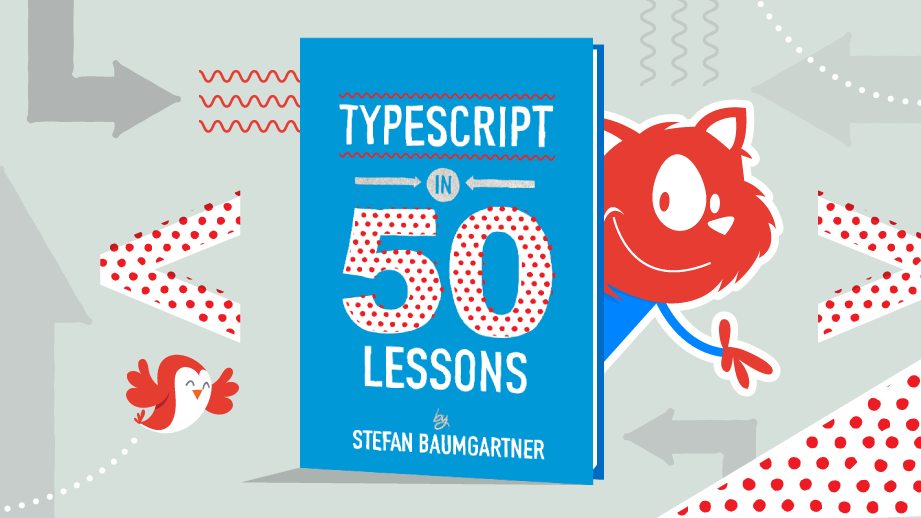
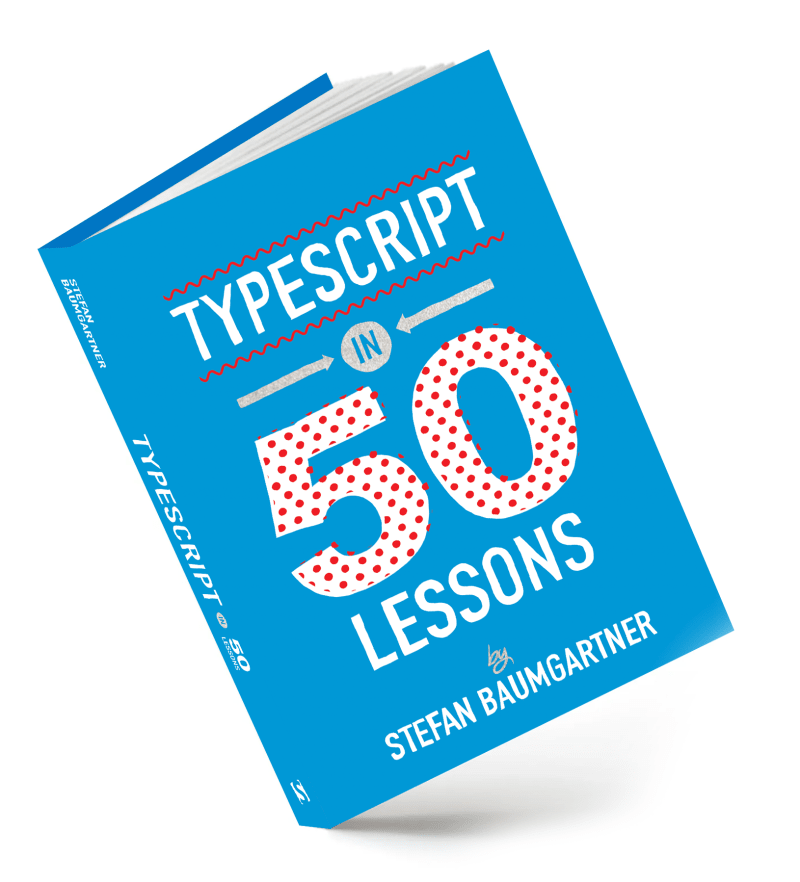
Many JavaScript teams have had the conversation: a developer makes a case for adopting TypeScript, citing maintainability, unfamiliar libraries, or a growing codebase. Others hesitate—the current stack works, so why change it? TypeScript in 50 Lessons, by Stefan Baumgartner, takes on that question directly, breaking the language down into practical, digestible pieces for developers who know JavaScript well but haven't yet committed to TypeScript.
The book's structure mirrors its title: 50 short lessons spread across 7 chapters. Each lesson is designed to be readable on its own, letting you progress through basics, intermediate techniques, and advanced strategies at a comfortable pace. The 464-page volume starts with foundational concepts and tooling, then moves into structural type systems—a core idea Baumgartner argues is essential for real-world JavaScript work.
What You'll Learn
Reading the book, you'll cover the essentials: - Core TypeScript concepts, explained in context - Effective tooling for day-to-day language use - How to improve your JavaScript without learning a new language from scratch - Structural type systems, their semantics, and why they're useful - Writing low-maintenance types that grow automatically as your code evolves - Bending the type system to match your project's specific needs - Understanding where TypeScript culture is heading
Who Should Read It
The intended audience is developers who are "dangerous" with JavaScript—productive enough to write substantial code but looking to level up. TypeScript lets you extract more from your JavaScript, both for yourself and your team. The book also suits developers who have tried TypeScript briefly and want to understand the underlying principles rather than just copy-paste patterns.
You'll find it valuable if you're: - Working with libraries and frameworks you don't fully understand - Writing JavaScript alongside other developers - Dealing with data from backend systems - Maintaining code your future self will need to revisit
Just as important is what the book explicitly covers scenarios where TypeScript genuinely helps—like working with third-party code or complex data flows—without pushing it as a silver bullet for every project.
A Timeless Approach
TypeScript ships multiple major releases per year, which means programming books about it can become outdated quickly. Baumgartner addressed this by focusing on the long-lasting aspects of the type system. Instead of chasing new features, the book aims to help you understand how TypeScript works, preparing you to apply new features and releases long after finishing the final lesson.
The chapter progression reflects this philosophy:
- TypeScript for Smashing People: Debunks common myths and misconceptions about what TypeScript is and isn't.
- Working with Types: Goes deeper into types after the initial acquaintance, exploring why they matter.
- Functions: Covers typing scenarios for functions using a search field with type-ahead as a running example—showing results as users type.
- Union and Intersection Types: Dives into the set theory underlying TypeScript and how thinking in these terms yields clearer type support.
- Generics: Explains how to prepare for the unknown, giving rise to utility functions and types.
- Conditional Types: Validates input type sets and decides output types. While some conditional types can be challenging, the book aims to demystify them.
- Thinking in Types: Weaves everything together with solutions to everyday problems, helping you write only a few types where they matter most.
Why This Book Was Written
The motivation behind the volume is straightforward: developers hesitate to adopt TypeScript because the benefits aren't always clear. The book addresses this by providing a gentle entrance point—you don't need to understand every advanced feature to start putting TypeScript to work. Instead, it focuses on a structured foundation that helps you identify where types reduce friction in your workflow.
Real-world examples throughout make the principles concrete. Developers reviewing early copies have highlighted the book's accessibility. Natalie Marleny describes it as "a gentle and timeless journey through the tenets of TypeScript," especially useful for JavaScript programmers who want to become productive quickly. Vanessa Böhner admits she didn't understand TypeScript's core value until reading it, and Marvin Hagemeister highlights the cover from basic types to concepts like the infer keyword, noting it's full of practical examples.
As with other titles from Smashing Magazine, TypeScript in 50 Lessons comes as a quality hardcover or as a DRM-free eBook (PDF, ePUB, Kindle). The book covers material that will stay relevant as the language evolves rather than focusing on features that change between releases.


